Morning Shed Trend: The Pressure to Wake Up “Maganda”
Glowing down every night to glow back up every morning might feel beneficial to some but it could come with a hefty emotional cost.


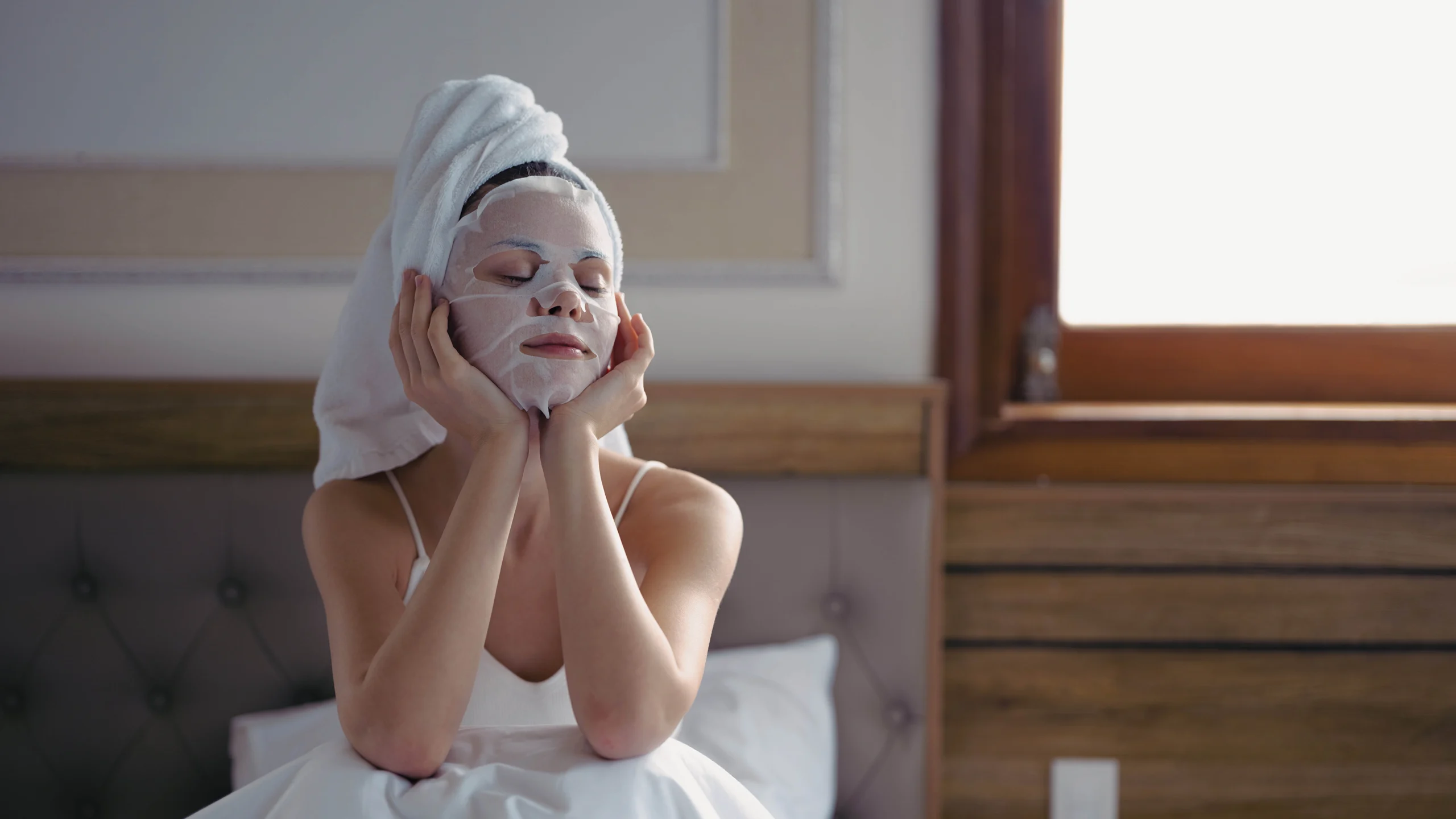
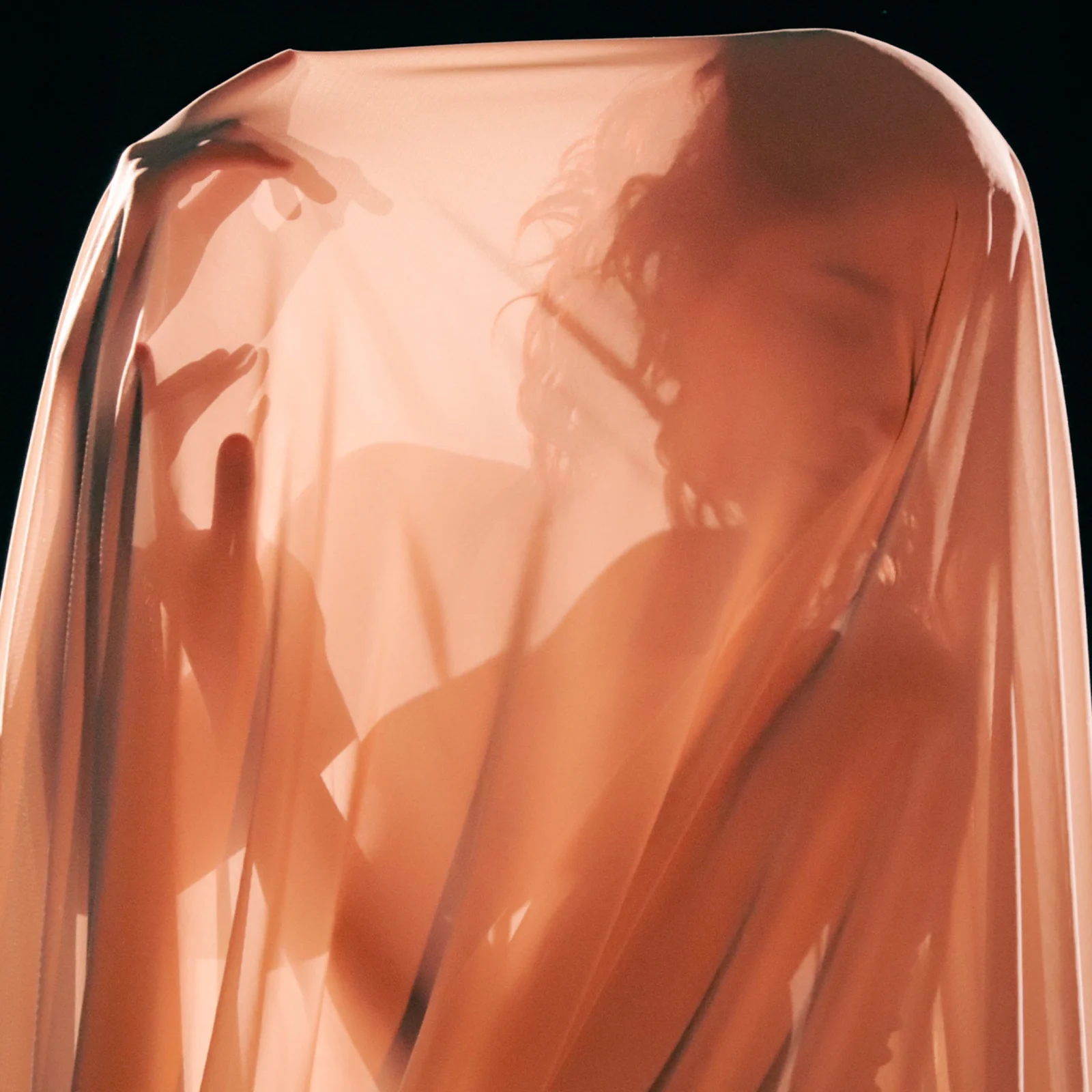
If you’ve been on TikTok Philippines lately, you’ve probably seen a familiar scene: someone peeling off their sheet mask, unwrapping their jawline strap, and removing mouth tape after a night of so-called “beauty sleep.” Dubbed the “morning shed,” the trend is about waking up looking effortlessly glowing, as long as you put in the work the night before.
Videos of the trend show people removing all the trappings of their intensive bedtime routines that usually involve techniques like coating their faces in sheet masks, taping their mouths shut, bounding their jaws with “slimming” straps, and wrapping their stomachs in castor oil packs—all in search of flawless, natural-esque morning beauty. The trend’s tag on TikTok has amassed over 96 million views across hundreds of videos.
But as this trend takes off globally and reaches Filipino beauty spaces, it’s worth asking: in a country that already prizes light skin, poreless faces, and “waking up fresh,” are we simply layering on another beauty standard disguised as wellness?
“The uglier you go to bed, the hotter you wake up,” is a frequently used caption on these videos, but some people participating in the trend say it’s also a matter of convenience and wellness. Kayla Lee says adding four-to-six steps—which include things like applying anti-wrinkle patches, putting her hair in rollers, and sealing her mouth shut with medical tape—to her nightly four-part nighttime skin-care routine helps her wake up “ready for the morning with minimal effort.” Beauty influencer Devon Kelley says her routine is more about sleep hygiene: She uses a silk eye mask for total darkness and sleeps on a pillow designed to provide neck support to side-sleepers.
But trends like this raise practical questions, especially in a tropical country like the Philippines. Sleeping with castor oil wraps, chin straps, or heavy skincare layers sounds like you’re not having a wink of sleep, even under full blast air conditioning. For most, comfortably sleeping with one’s head cocooned and face smothered with skin care products probably seems difficult. A lot of people can’t even sleep comfortably on their backs or remain still in their sleep, a necessity for those who sleep in sheet masks. Lee trained herself to sleep on her back before developing her morning shed routine. “If I was still a side sleeper, I’m sure I would wake up with the sheet mask stuck to my back and hair disheveled,” she says. “I find it comfortable even if I look like I just had major face surgery as I lay in bed like a mummy.” Still, what does it say about our current beauty standards that we’re willing to change how we’ve slept our entire lives all for a beauty regimen?
In the Philippines, local creators are adding their own spin to the trend. Some swap in K-beautyK-BeautyKorean beauty, known for layered routines, gentle formulas, and innovative textures such as essences, sheet masks, and cushion compacts. The approach emphasizes hydration, prevention, and sun protection, and it hasGo to K-Beauty Glossary products or “budol finds” from Lazada and Shopee. It’s still following the same meticulous layering, taping, and wrapping, but using what’s available locally.
Some elements of the morning shed, like silk hair bonnets and sleeping masks, are ultimately harmless (in fact, many are proven to be beneficial) and have been a staple of bedtime routines for ages—others, not so much. Let’s also not forget that these tools come with a price tag, and participating in the trend assumes access to imported products, high-end tools, and, of course, airconditioned bedrooms. Mouth tape, for example, can block nasal passages, limit oxygen flow, and cause skin irritation, as previously reported by Allure. Experts generally warn against using it, and there’s little to no scientific evidence that it provides any benefit—including the relief of TMJ symptoms. Studies also show that chin and jaw straps are not an effective treatment for sleep disruption either, nor is there any evidence that they can tighten skin for more than a very short period of time. Even sleeping with a sheet mask on is a bad idea: Leaving one on your skin until it dries out is likely to cause irritation.
Practical concerns aside, it’s hard to look past the emotional ramifications of a trend that encourages people to chase after physical perfection even in their most peaceful, undisturbed, unconscious state. Some proponents of the trend say it helps them look good from the moment they wake up—but why is it necessary to wake up looking “hot” anyway? In the Philippines, we’re already pressured to “look good” even in the comfort of our homes, and the morning shed trend may be pushing that standard into even more personal, vulnerable territory: our sleep. The practice of the morning shed has accelerated the “glow down” to “glow up” beauty pipeline into a meticulously siphoned and cyclical daily occurrence rather than a multi-faceted journey that occurs over months or even years. It’s only natural to want and strive to appear your best, but glowing up has become a culture in and of itself that can result in a fixation on beautification, overconsumption of products, procedures that aren’t always safe or effective, and self-loathing caused by an unachievable aesthetic ideal.
Many morning shed videos are paired with a voiceover of the infamous Carrie Bradshaw quote, “Maybe, you have to let go of who you were to become who you will be,”perhaps promoting the idea that self-improvement only exists when a person is siloed into distinguishable before and after photos. But Bradshaw was talking about the growth of interior personhood; by pairing these videos with that soundbite, the morning shed trend arguably equates traditional beauty standards with personal achievement that must be accomplished to reach one’s full potential.
Maybe the real ugliness here isn’t in how we look when we go to bed encased in products and tools but in how we see ourselves in relation to the pursuit of beauty.
Modern online trends have hyper-optimized beauty and wellness practices into a lengthy step-by-step instruction manual to supposedly bring you closer to the best version of yourself. But in the process, we’re being asked to spend countless hours and dollars on perfecting ourselves to an extreme for the sake of so-called self-idealization. The “perfect” version of ourselves in this context is just the one that’s most palatable to society’s ever-shifting but still rigid beauty standards.
To Lee’s point, “I don’t think there’s ever a problem with taking care of yourself”—and a person should always do whatever makes them feel good—but it is worth questioning how beauty standards and societal expectations of femme-presenting people play into our desires to adopt such elaborate beauty practices. When left unchecked, trends like this could condition us to once again believe our worth lies in our ‘round-the-clock appearance more than it does in our thoughts, feelings, and actions.
Maybe the real ugliness here isn’t in how we look when we go to bed encased in products and tools but in how we see ourselves in relation to the pursuit of beauty. People who partake in the morning shed religiously shouldn’t be villainized or blamed; they’re simply trying to become what they believe is the best version of themselves. Everyone has tried one or two viral beauty fads, whether out of insecurity or a genuine desire for self-improvement. Soon there will be yet another new beauty fad lighting up our screens and promoting itself by weaponizing self-improvement. And you’ll have to ask yourself and wonder: Is this what it means to be hot?
Originally published by Allure US.
Frequently Asked Questions
The morning shed is a TikTok-driven beauty routine where people go to bed wearing sheet masks, mouth tape, jawline straps, and other intensive treatments — then remove them in the morning to reveal a supposedly “glowing” complexion with minimal effort.
Experts warn against it — mouth tape can block nasal passages, restrict oxygen flow, and cause skin irritation, with little to no scientific evidence supporting any claimed benefit, including relief of TMJ symptoms.
Studies show chin and jaw straps are not an effective treatment for sleep disruption, and there is no evidence they can tighten skin beyond a very brief, temporary period.
The trend encourages people to optimize their appearance even during sleep — the article argues this extends an already-rigid beauty standard into one of the most personal, vulnerable parts of daily life, potentially reinforcing the idea that a person’s worth is tied to their round-the-clock appearance.
No — leaving a sheet mask on until it dries out is likely to cause skin irritation, making overnight use counterproductive despite being a common element of the morning shed routine.
Latest Stories


You might also like

To provide a customized ad experience, we need to know if you are of legal age in your region.
By making a selection, you agree to our Terms & Conditions.