
The Silent Stress of Women in the Sandwich Generation
Caught between caring for children and parents, many Filipinas are holding families together while fighting to hold on to themselves.


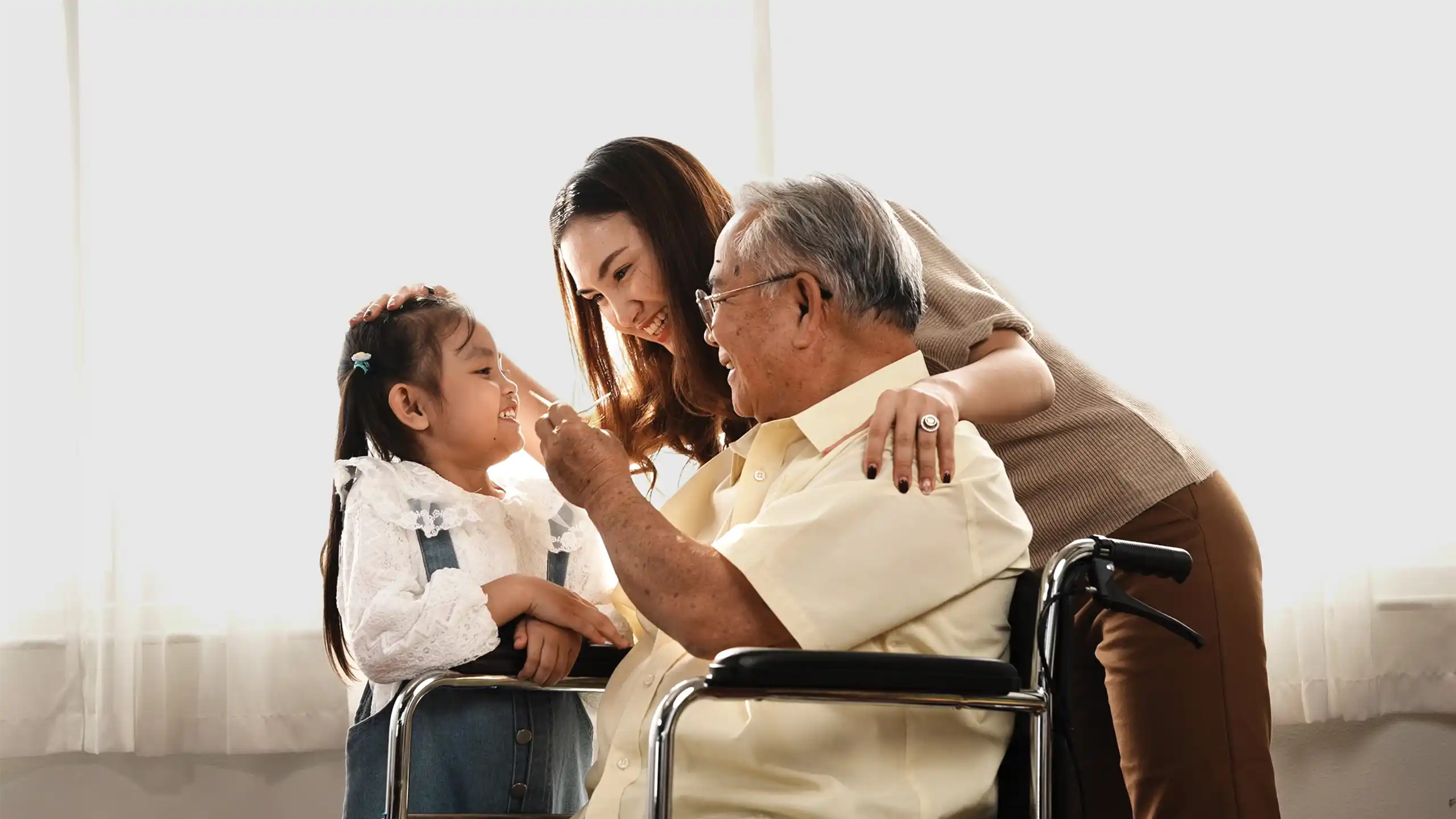
Every mother was a daughter once, and many women carry both roles with grace, and resilience. They are holding space for two generations while still paving the way for their own dreams and hopes. In the process, it’s so easy for them to lose sight of their own aspirations in life, as they’re often caught in between giving, and doing.
I came across a quote once, and it has stuck with me ever since: it’s our mom’s first time living life too. It made me think of the women I see everyday, trying to live their own lives, while both being a mom and a daughter.
In many Filipino homes, a mother’s day often starts even before the sun wakes up. She has to take the kids to school, and her parents to their appointments. In between cooking, cleaning, and chores, she somehow still finds the time to make a living. Time passes so quickly in her clock, and tomorrow will look pretty much the same.
These women are expected to keep showing up. To keep giving. To keep going. To keep being there for everyone in her life. Their strength is born from love, patience, and commitment to family.
Licensed psychometrician and registered guidance counselor Mary Grace Yuen S. Laguting of MindNation says, “The struggles of the sandwich generation can be understood by imagining the many ‘shoes’ they must wear at the same time—each representing overlapping responsibilities that often pull them in different directions.”
This is what it means to be in the sandwich generation.
This courage deserves to be seen, and, honored. Whether these women are working a thousand miles away from home, living under the same roof with their parents and children, or trying to care for households across cities, recognizing their strength is the first step toward giving these women the care they so deeply deserve.
The cultural layer
The sandwich generation is a generation that cares for both parents and children. And in our culture, caring for family is more than just an act of love and responsibility. It’s also something that is expected of us.
While love does play a big part in this, culture plays an even bigger role. It’s a pressure that follows you everywhere.
From a young age, we’re raised with the idea that caring for others or pakikipagkapwa is a part of our cultural identity. Taking care of our elders is viewed not just as a responsibility, but also a mark of good character. It shows how well you were raised. Interdependence is so deeply rooted in our values that caregiving is not something extraordinary.
In fact, 34% of Filipinos are taking care of a family member, and 39% of them care for their grandchildren. To add, multigenerational households are not only common in the Philippines, but in other Southeast Asian countries as well.
Laguting says that the burden of caregiving frequently falls on women, and “many Filipinas become the ‘glue’ holding the family together—managing household needs, mediating relationships, and meeting both children’s and parents’ demands.”
But care doesn’t always live in the same household. Sometimes, it comes from across borders. A study shows that Filipino migrant children who are physically distant from their parents still engage in care through digital communication, financial remittances, and frequent planning, all driven by both love and a sense of moral obligation.
Often, exhaustion catches up to these women. Because when caregiving is expected, rest and self-care sometimes become negotiable, optional, or none at all.
The quiet weight
There’s a pressure to perform at home, at work, and within the family that these women struggle with daily.
Lugating explains “role conflict theory helps explain this strain: when expectations of being a devoted mother, a caring daughter, and an accomplished professional clash, psychological stress and feelings of inadequacy can surface.”
The reality of many women is that the tasks are not always the hardest part. It’s the feeling that no matter how much they try to give everyone a fraction of themselves, finding the right balance seems almost impossible. They feel guilty leaving work early for family, and guilty for missing a family event because of work.
“Research shows that individuals providing over 20 hours of care per week experience long-term declines in both physical and mental health, regardless of gender,” she says.
Still, awareness is essential in this situation. Recognizing the weight—of duty and desire, expectations and exhaustion—is a reminder that they’re not alone in this. After all, talking about the heaviness softens it.
The right balance
Balance does not always mean equal time for everything. It’s also about learning how to say no, and asking for help when you really need it. You can’t pour from an empty cup, as they say.
People who are stuck in this generation are twice as likely to develop severe psychological distress. That’s why taking a break is not selfish, and especially not something to feel guilty about. Think of what constitutes a perfect day for you, and actually do it. Don’t just plan for it. This can be as simple as promising yourself to a warm bath after a long day, or winding down to your favorite show.
However, it’s also important to understand that not everyone has the privilege to step away for even just a few minutes. For many, time is a luxury. But reaching out for help, even in the smallest way can provide relief.
Support can be found in a lot of places. You don’t even have to look too far. Sometimes, it’s through friends who share the same experience, a partner who validates your overwhelm without trying to fix it, or a sibling who offers a helping hand. These small moments in life don’t erase the weight completely, but at least, you don’t have to carry it all by yourself.
Family matters a lot. But so do you.
You don’t have to do it all everyday. You’re allowed to give only a small part of yourself on some days, and save the rest to yourself. You don’t have to be everything at once all the time. Choosing yourself sometimes is not just about self-care, but it’s also a way of honoring the strength that makes you the heart of the family. You’re not turning your back on love, you’re making sure that love includes you.
Frequently Asked Questions
The sandwich generation refers to people — often women — simultaneously caring for aging parents and their own children. In the Philippines, cultural expectations around pakikipagkapwa intensify this pressure, making caregiving not just a personal choice but a social obligation tied to family identity and moral standing.
People providing more than 20 hours of care per week face long-term declines in both physical and mental health. Those in the sandwich generation are also twice as likely to develop severe psychological distress, according to research cited by licensed guidance counselor and psychometrician Mary Grace Laguting of MindNation.
Role conflict theory explains that when expectations of being a devoted mother, a caring daughter, and a professional collide simultaneously, psychological strain intensifies. In many Filipino households, women are positioned as the primary family managers — mediating relationships, managing the household, and meeting care demands across generations.
In the Philippines, multigenerational living and cultural interdependence normalize caregiving in ways that make rest and self-care feel negotiable. Studies also show that even Filipina women living abroad continue caregiving through digital communication, financial remittances, and active planning — driven by both love and a sense of moral duty.
Support does not always require major structural change. Validated emotional support from a partner, shared caregiving responsibilities with siblings, or connection with peers in similar situations can meaningfully reduce the load. Licensed counselors emphasize that rest is not selfish — and that sustainable caregiving requires the caregiver’s own wellbeing to be factored in.
Latest Stories


You might also like




To provide a customized ad experience, we need to know if you are of legal age in your region.
By making a selection, you agree to our Terms & Conditions.