What Happens When You Keep Using Old Makeup, According to Experts
What really happens when you keep using that “still okay” mascara or sponge, and why cleaning your brushes is an absolute must.


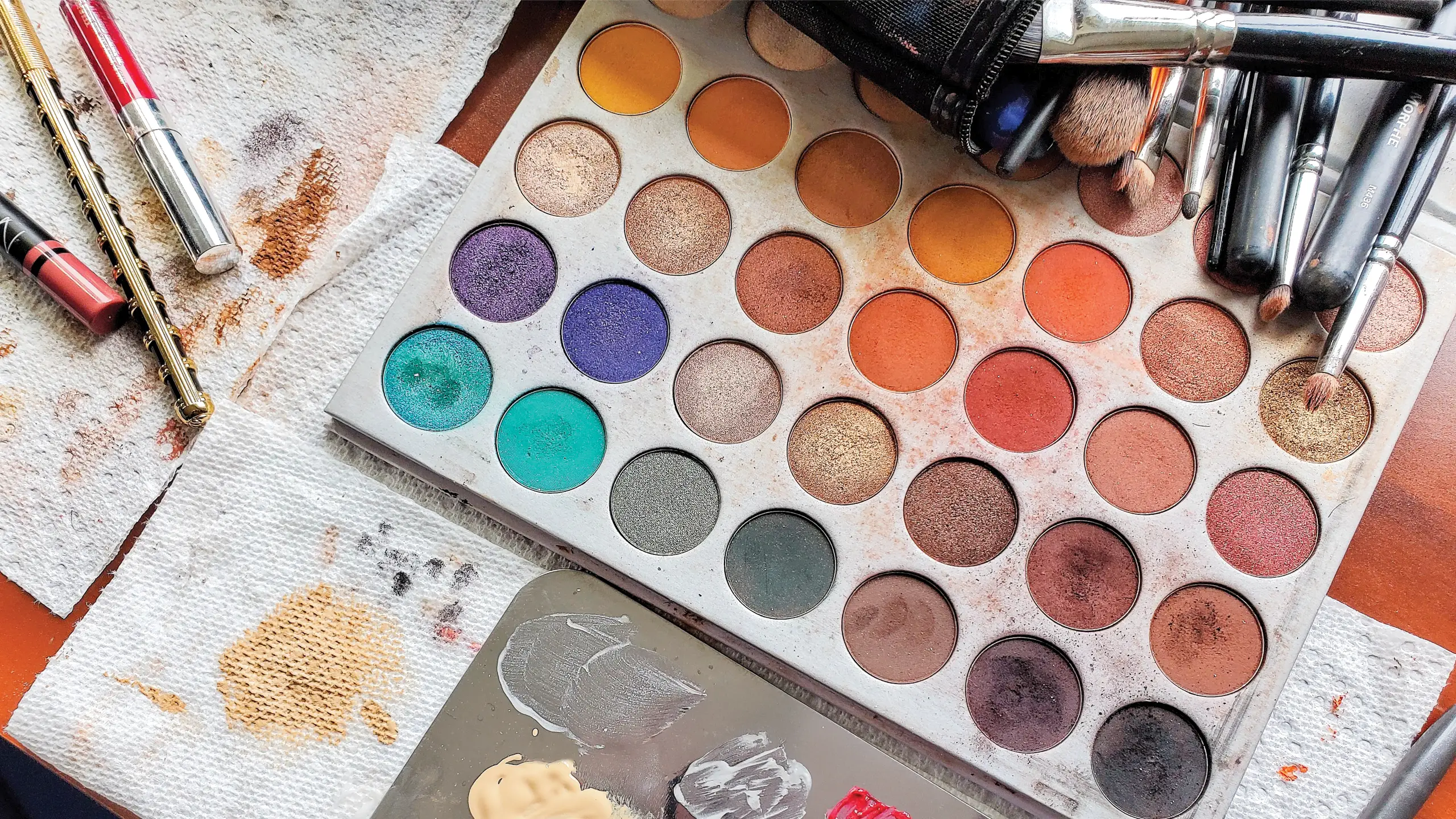
Let’s be real: Most of us have at least one makeup product that’s been with us for years. It has survived countless nights out, and work days. It still looks fine, smells fine, and works fine, right?
Bad news: it’s probably crawling with bacteria you can’t see. (tightened for an immediate sentence punch)
In our country, where it’s humid nine months out of the year, our skin sweats constantly, and we retouch makeup more than we realize, viruses and bacteria don’t just live. They thrive. Think of every brush stroke, sponge dab, or lipstick swipe as a handshake between your skin and whatever has made a home inside that product. Gross? Yes. That’s the hard truth.
Expiration dates of makeup products are often overlooked by ordinary consumers. We don’t think about it because, honestly, we have other things to worry about (corruption issues, nepo babies, personal lives etc.). Between the daily commute, deadlines, and surviving city traffic, who has time to deep-clean brushes? Yet, every time we say, “I’ll clean it tomorrow,” that foundation sponge absorbs more oil, sweat, and residue. Eventually, your makeup bag becomes less of a beauty kit and more of a bacteria incubator.
Hidden germs lurking in your makeup
The danger doesn’t start when your makeup expires — it starts the moment you open it. Once a product is opened, it’s immediately exposed to air, skin oils, and airborne germs. In humid countries like ours, that mix becomes a petri dish.
“Viruses like herpes can live on makeup surfaces for anywhere from several hours to a week,” says board-certified dermatologist Melanie Chao-Lo, MD.
Moisture-based products like foundations, cream blushes, and mascaras are also the perfect playground for bacteria. Each time you dip your brush or wand, you introduce new microorganisms.
Dr. Chao-Lo adds that powders might seem safe because they’re dry, but if you use dirty brushes or puffs, they can still transfer sweat and dead skin cells.
A study found that 90 percent of used makeup products (especially beauty blenders) were contaminated with bacteria like E. coli and Staphylococcus aureus.
These aren’t just random microbes; they’re the same germs that can cause skin infections, styes, and acne flare-ups. In a humid climate like ours, the risk doubles because bacteria multiply faster in hot and moist environments.
Why “it still looks okay” isn’t enough
With trends like “project pan” all over TikTok, it’s tempting to keep squeezing every drop from your makeup. But even if a product hasn’t expired, poor hygiene can cut its safe lifespan in half. “It still works” doesn’t mean “it’s still safe.”
Bacteria are invisible. Their effects aren’t.
Redness, irritation, breakouts? Sometimes, it’s not the formula—it’s contamination.
Expired products can cause redness, irritation, allergic reactions, or infections. Ever notice a random breakout after using an old cushion foundation? That’s your skin reacting to microbes, not just clogged pores.
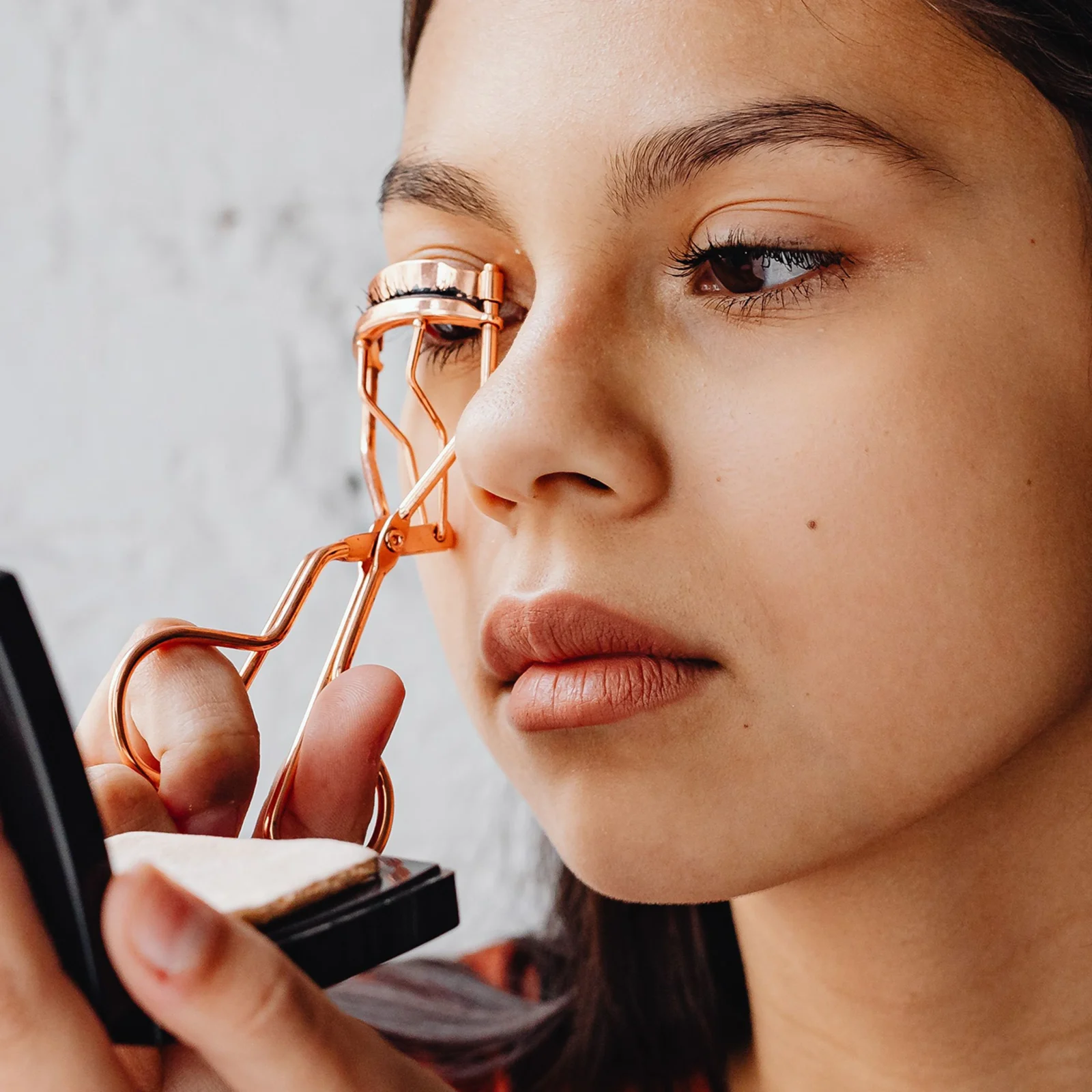
Eye makeup, in particular, is a hotspot for contamination. Since our eyes are sensitive, bacteria from old mascara or eyeliner can lead to conjunctivitis or painful styes.
“Our lips, eyes, and genital areas are moist, less keratinized, and more porous, so they’re more prone to absorbing viruses or bacteria,” Dr. Chao-Lo says.
Let’s not forget lip products. Lipsticks and glosses come into direct contact with saliva and the mouth’s natural bacteria. If you’ve ever had a cold sore and used the same lipstick, you could re-infect yourself later.
So before you share that lipstick or “borrow” a friend’s gloss, remember—what’s yours is yours for a reason.
How to clean your makeup
We asked makeup artist and beauty industry veteran Lala Flores how she keeps her kit squeaky clean—even in the chaos of shoots. “An important process in doing makeup is making sure that the beauty tools and products are clean,” she says.
Here’s how she maintains strict hygiene on and off the job:
- Deep clean after every use. Flores soaks her brushes and sponges in alcohol, then follows with a gentle cleanser to remove residue and any remaining bacteria.
- Use disposables for the eyes. She never reuses mascara wands—instead, she reaches for disposable ones to avoid cross-contamination.
- Practice palette hygiene for lips. Instead of applying lipstick directly from the tube, she scrapes the top layer, transfers it to a palette, and uses a disposable applicator.
- Never double dip. Once an applicator touches skin, don’t put it back — it’s like letting bacteria hitch a ride.
- Encourage clients to bring their own lipstick. “If you’re getting your makeup done by someone else, it’s always safer to use your own lipstick,” she advises.
At home, you don’t need fancy cleaners to keep things safe. A few alcohol wipes, a brush soap, and consistency go a long way. Wash sponges at least once a week, clean brushes every seven to 10 days, and disinfect palettes with a bit of isopropyl alcohol sprayed lightly on the surface (just don’t soak them).
When to toss your makeup
Here’s a cheat sheet on makeup expiration dates, according to experts. If you can’t remember when you opened it, it’s probably time to let it go.
- Mascara and liquid eyeliner should be replaced every three months, since the constant opening and closing exposes them to air and bacteria.
- Products like lip gloss, lip balm, and cream-based items (including blush and eyeshadow) are safer for about six months, while powder eyeshadows can last a bit longer—around six to nine months.
- Your concealer, liquid foundation, and skin tints have a shelf life of roughly one year, while brow powders, lip liners, and lipsticks can last up to two years if stored properly.
- The longest-lasting items in your kit are pencil eyeliners and pressed powders, which can stay safe for two to three years, as long as they’re kept dry and sharpened regularly.
And if your products have no expiration label? Write the opening date with a marker. You’ll thank yourself later.
After all, beauty isn’t just about how we look, but also about how we care for ourselves. Looking good starts with feeling good, and one thing about confidence is that it never expires.
Frequently Asked Questions
Yes. Expired or contaminated makeup can cause redness, irritation, allergic reactions, acne flare-ups, styes, and conjunctivitis. A study cited in this article found that 90 percent of used makeup products — particularly beauty blenders — were contaminated with bacteria including E. coli and Staphylococcus aureus. In humid climates like the Philippines, bacteria multiply faster in the heat and moisture, increasing the risk further.
According to board-certified dermatologist Dr. Melanie Chao-Lo, viruses like herpes can survive on makeup surfaces for several hours up to a week. Moisture-based products such as foundation, cream blush, and mascara are particularly susceptible, as each application introduces new microorganisms. Even dry powder products can harbor bacteria if applied with unwashed brushes or puffs.
Mascara and liquid eyeliner should be replaced every three months. Lip gloss, lip balm, and cream-based products last approximately six months. Concealer, liquid foundation, and skin tints have a shelf life of around one year. Lipsticks and brow powders can last up to two years if stored properly. Pencil eyeliners and pressed powders are the longest-lasting, remaining safe for two to three years when kept dry and sharpened regularly.
Makeup artist Lala Flores recommends soaking brushes and sponges in alcohol followed by a gentle cleanser after every use. Sponges should be washed at least once a week; brushes every seven to ten days. Palettes can be disinfected by lightly misting the surface with isopropyl alcohol. Disposable applicators should be used for eye products and lip color to avoid cross-contamination.
Sharing lip products carries a specific risk of transmitting viruses, including herpes simplex. Dr. Chao-Lo notes that the lips are less keratinized and more porous than other areas of the face, making them more susceptible to absorbing bacteria and viruses. If a person has had a cold sore and continues using the same lipstick, re-infection is also possible.
Latest Stories


You might also like



To provide a customized ad experience, we need to know if you are of legal age in your region.
By making a selection, you agree to our Terms & Conditions.