As someone with hooded eyes (so hooded that they almost pass for monolids when my eyes are fully open), I know the frustration too well. You spend nearly an hour perfecting that smoky eye, only to open your eyes and… poof. It’s gone. All that blending and contouring just disappears under your lids.
In my case, even a full-glam eye look ends up looking like a clean-girl beat. I have to admit—I almost always give up trying to do intricate and artistic eye makeup because of this. I end up just choosing another part of my face as the focal point.
So I talked to celebrity makeup artist Angeline Dela Cruz, whose clientele includes Miss Universe 2018 Catriona Gray and actress Chie Filomeno, to figure out what can actually be done when your eyelids seem to “eat” your makeup. According to her, it’s a common problem not just among everyday clients, but among celebs, too—though the latter often have tricks up their sleeves, like eyelid tape or even cosmetic fixes for a more defined crease.
But for us regular folks who just want our eyeshadow to show up even without eyelid tape, Dela Cruz says it’s all about learning how to map your eyes properly.
“When you have that crease, you really need to add color higher,” Dela Cruz says. “You have to look directly at the mirror, with your eyes open, and map out the shape of your eye so you can see where to blend the shadows.”
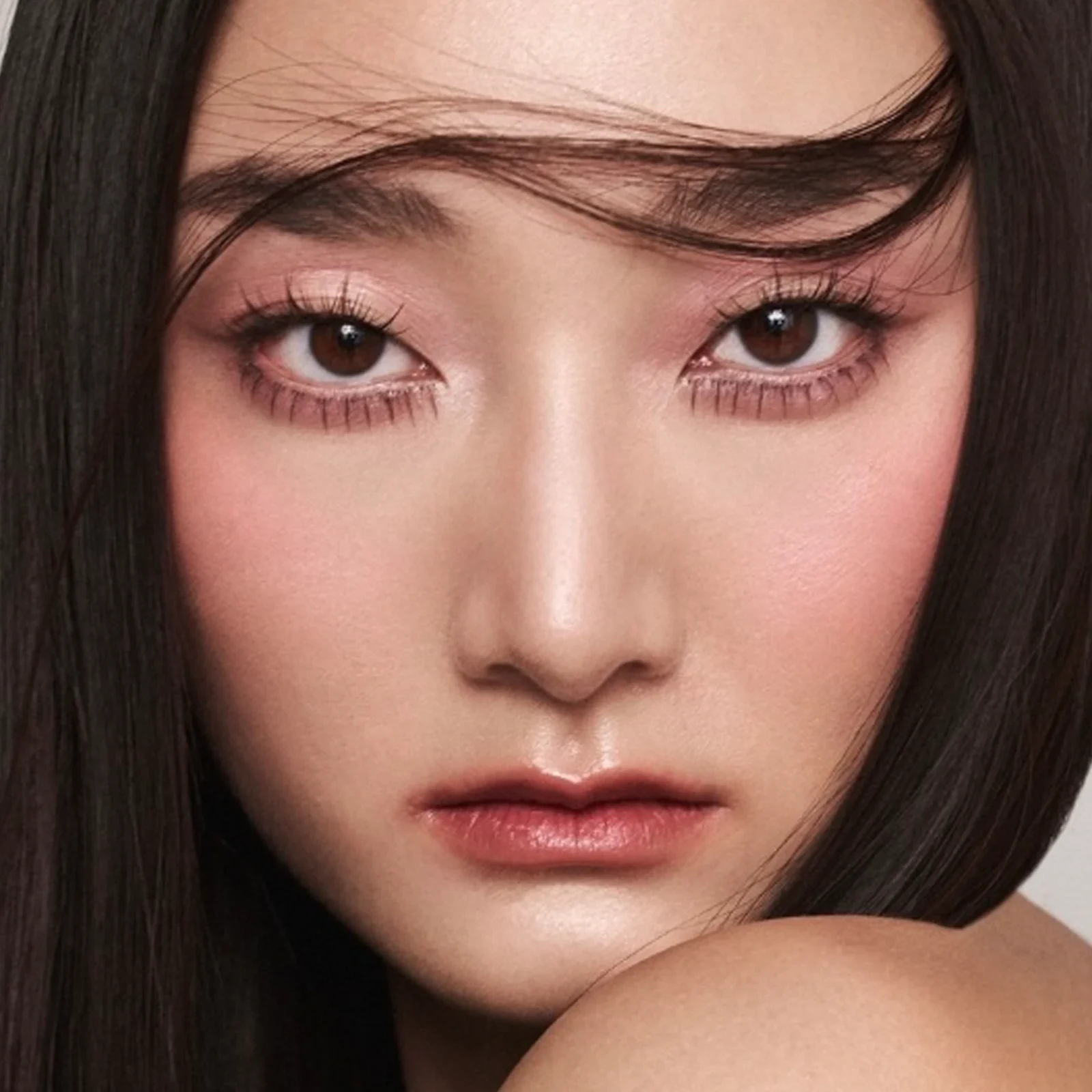
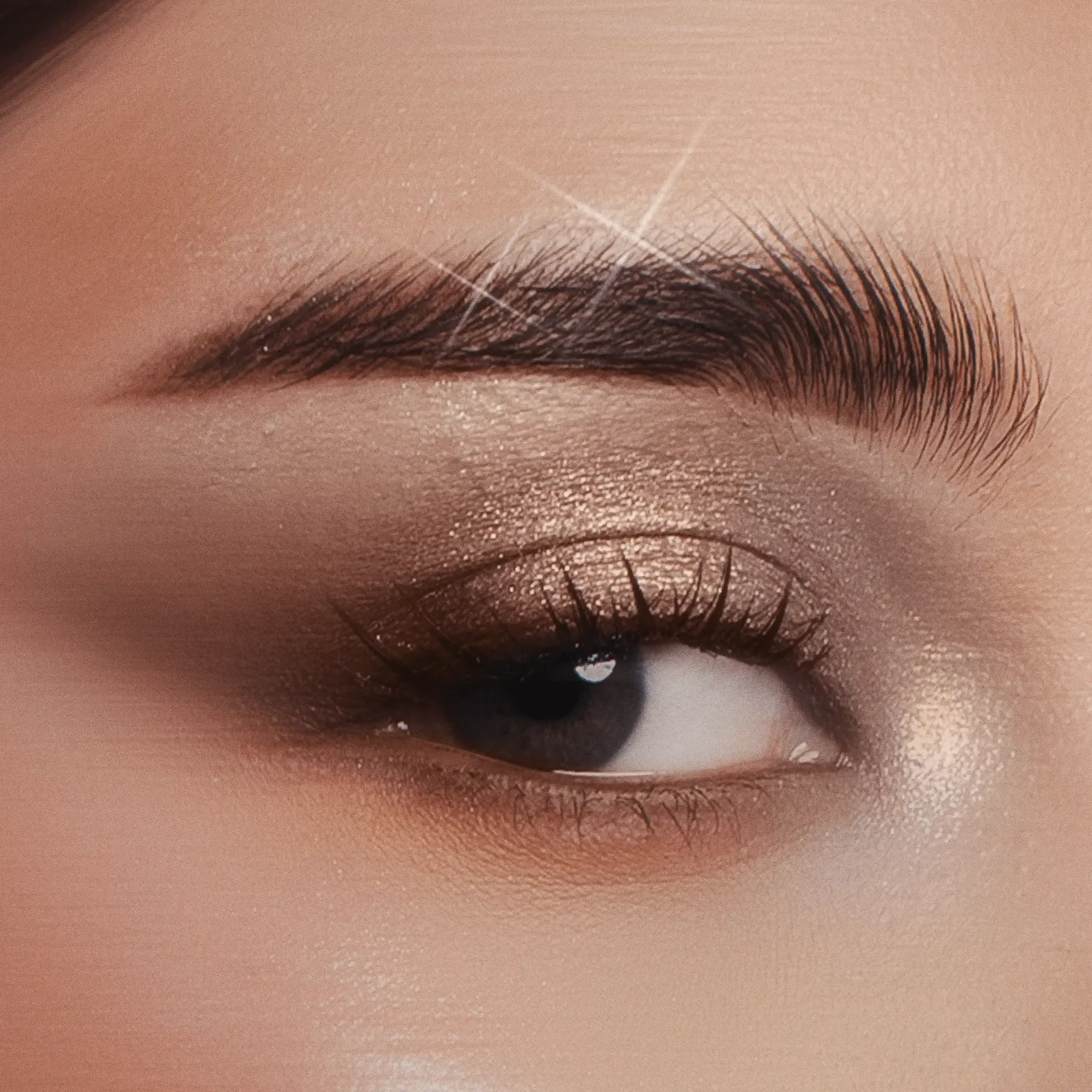
That’s the thing with hooded eyes: when you apply eyeshadow the way most tutorials show–on a closed lid—it ends up sitting too low. So when you open your eyes, it disappears under the fold. Dela Cruz’s advice is to apply your transition shade and crease color a bit higher than you normally would.
Think of it as creating a fake crease, one that sits above your natural fold, so the color stays visible even when your eyes are open.
Falsies are gamechangers, too.
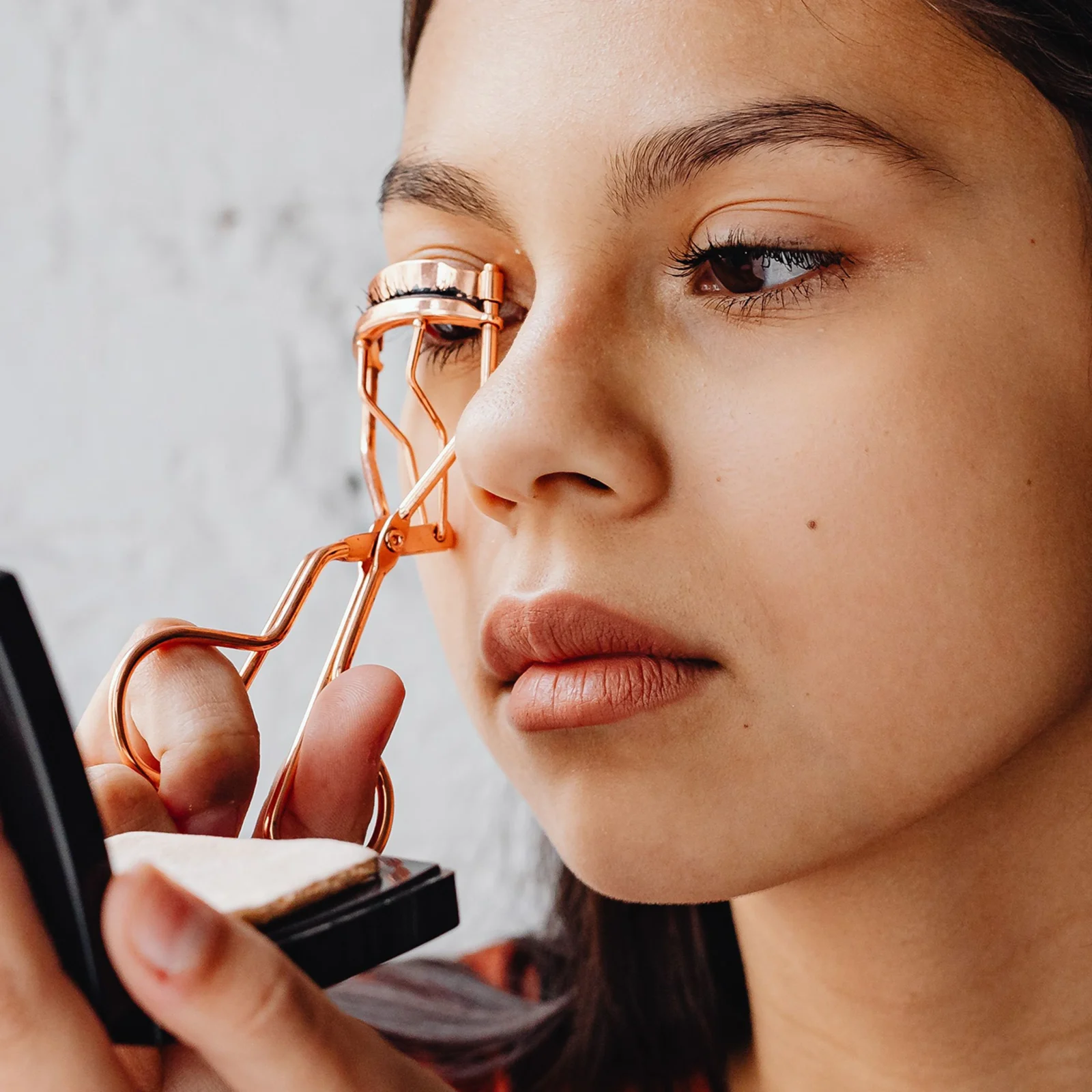
Dela Cruz also says that lashes play a huge role in opening up hooded eyes. “It really helps if your lash application is good, because that opens up the eyes,” she shares.
A tip? There are different types of falsies that will flatter different eye shapes. For instance, Dela Cruz notes that if the outer corners of your eyes droop slightly (which is common among Filipinas like me!), you’ll want to balance that out with lashes that are longer toward the ends.
“If the ends of your eyes are lower, I’d recommend using a lash style that’s longer,” she explains. “That way, when you apply the lashes, it looks more even and lifts the eyes.”
And while we can’t all have a glam team armed with eyelid tape on standby, the good news is that hooded eyes can still play around with makeup, as long as you use the right techniques. It’s not about fighting your natural shape, but learning how to work with it.
That said, there’s absolutely nothing wrong with using eyelid tape if it helps make your makeup routine easier or your look more defined.
After all, when you’ve spent that much time perfecting your eye makeup, you deserve to see it.
Frequently Asked Questions
On hooded eyes, the skin above the natural crease folds over the lid when eyes are open. Eyeshadow applied directly on the lid ends up hidden under this fold, making color invisible. The shadow isn’t gone — it’s just sitting below where the eye is visible.
Celebrity MUA Angeline Dela Cruz recommends mapping your eyes with them open, not closed. Apply your transition and crease shades higher than the natural fold — essentially building a false crease above it — so color remains visible when your eyes are fully open.
For eyes with lower outer corners — common among Filipinas — Dela Cruz recommends lashes that are longer toward the ends. This counterbalances the downward angle and creates the appearance of a lifted, more even eye shape once lashes are applied.
Eyelid tape temporarily lifts the hood to create a more defined crease, and is widely used by both everyday wearers and celebrities. It is generally safe for occasional use, though consistent long-term use on delicate lid skin warrants care. It is a technique tool, not a requirement.
Yes. The key is technique adjustment — applying color higher than the natural fold, choosing lash styles that lift outer corners, and mapping eye shape with eyes open rather than closed. Dramatic looks are achievable; the application approach simply differs from standard tutorials.