

If I were to use one word to describe my first attempt at applying makeup, it would be “racoon-core.” I was in middle school, and I’d swept on way too much eyeliner and mascara. Over the years, I refined my technique (with the help of YouTube videos by Jackie Aina and MakeupShayla), but one thing I still hadn’t figured out was the best order in which to apply the products.
There was really no rhyme or reason to my makeup routine, just vibes—and Celia Burton, a London-based makeup artist for Glossier, has co-signed that creative approach. “I don’t really believe in a prescribed order of makeup, because it varies depending on the look you’re going for,” she says.
If you’re looking for suggestions, though, brand founder and makeup artist Lisa Eldridge, Charlotte Tilbury makeup artist Tim Pagan, Hourglass Cosmetics makeup artist Adam Sidwell, and makeup artists Katie Jane Hughes, Kay Jones and, Maya René have a few pointers on how to do your makeup so that it looks seamless and lasts.
Jones showed me some of these tips first-hand on my wedding day; I’d asked for a look that would damn-near stop traffic with radiance and last all night (I didn’t think I could get by on “vibes” alone for the big day).
The results were much better than I’d expected. Read on for the best order to apply each of these products and why.
Step 1: Primer
Before reaching for any makeup products, you’re going to want to cleanse your skin, then make sure it’s moisturized and protected with a lightweight SPF. After you’ve done that, primer should be your next step. “It’s the ultimate insurance policy, allowing makeup to stay intact as you go about your day,” says Sidwell, a makeup artist for Hourglass Cosmetics.
A dime-sized drop is all you need when applying primer. René, a New York City-based makeup artist, likes to use her fingertips for application; but if you’ve got a silicone-based primer (these are usually mattifying), she suggests using a “flat synthetic brush,” as the texture can be more difficult to blend evenly with fingers.
When shopping for a primer, experts recommend lightweight formulas that offer an added benefit to your makeup. Primers can be radiance-boosting, blurring, color-correcting, and more. Some primers even offer sun protection. “Some SPFs emulsify my complexion products,” says Allure senior beauty editor Jesa Marie Calaor, “but this one preps my skin, making it appear even and more radiant.”
Step 2: Liquid highlighter
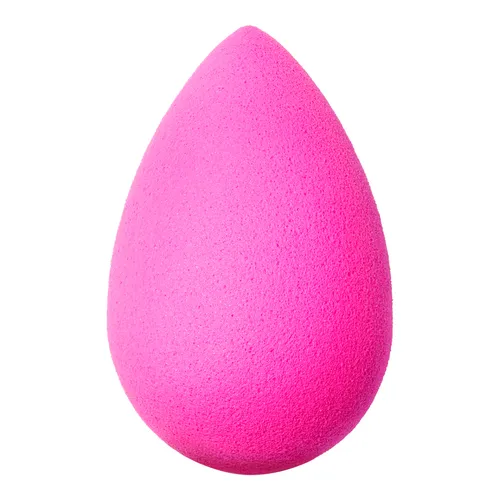
If you’re going for a more radiant finish, Pagan and Eldridge suggest applying liquid highlighter immediately after doing your primer, lightly dabbing it along the high points of your face and blending it with a wet sponge, like the Best of Beauty-winning Beautyblender Original Makeup Sponge. Doing so helps you “achieve a ‘lit from within’ glow that shines through your base products,” says Eldridge.
Step 3: Eye makeup and false lashes
It might feel counterintuitive to start your eye makeup before finishing your complexion, but our experts agree: If you choose to create an eye look with shadow, liner, or false lashes, the best time to do so is at the beginning—and in that order. This is because, explains Burton, eye products can mix with your base and start to emulsify.
Adds Pagan, powder shadows can also fall onto your cheeks, prompting you to wipe everything off. It’s hard to “just dust off” after you’ve applied layers of creams and powders.
Liner gets applied after shadows and before false lashes because it “hides the false lash band, [giving it] something to blend into,” says René.
Step 4: Liquid or cream foundation
“Foundation creates a veil across your skin, evening out your skin tone, so you can use less concealer,” says Pagan. You’re going to want to apply your liquid or cream formula with a wide, flat-top brush that has densely packed bristles.
“Typically, I find sponges absorb so much of the product so I don’t get as much coverage as I want,” says René. “A brush gives me more control, then I can go back in and stipple with a damp sponge to remove any streaks and really press in the product for a natural skin-like finish.”
“Overdoing foundation is a common mistake and one best avoided so your makeup doesn’t look cakey,” says makeup artist Sage Adi, known as Sage Makeup on social media. To avoid applying too much foundation, Adi recommends, dab it onto any spots or textured areas you want to cover and blend it out there first. If you still need more coverage, add one more pump to your working surface (back of your hand or palette), then buff it out a bit before swiping it all over your face.
I rarely overdo it, but if I do, René says using a damp sponge after the initial foundation application is a great way to course-correct.
Step 5: Concealer
After your foundation is blended, Pagan suggests, apply concealer gradually; since it tends to be thicker, concealer can be less forgiving and harder to work with than foundation. Eldridge likes to apply minimal concealer to the areas she wants to brighten, like the undereyes.
Keep two concealers on hand: a hydrating formula in a shade that’s slightly warmer than your skin tone to cancel out discoloration; and a creamy formula with a satin finish that’s a few shades lighter than your complexion to brighten. Eldridge recommends using your fingertips (for natural glam) or a small brush (for full glam) to buff the concealer into the skin.
Another tip from Eldridge worth heeding: “Don’t apply the concealer in a circle over the [eye] area. Keep the edges rough, as it will help with blending and will make the concealer look more seamless.”
Step 6: Cream contour
Cream contour and blush are interchangeable, but, Pagan says, “it’s better to create shadows with contour before adding color with blush.” Experts generally agree.
Eldridge and Burton both offer this rule of thumb: cream before powder. “By working in this way, you can create beautiful layers,” says Burton. “If you were to use a cream product, then add powder, and then go back to cream again, you risk ending up with a sort of paste-like barrier, which can leave the makeup looking cakey and artificial.”
Step 7: Cream blush
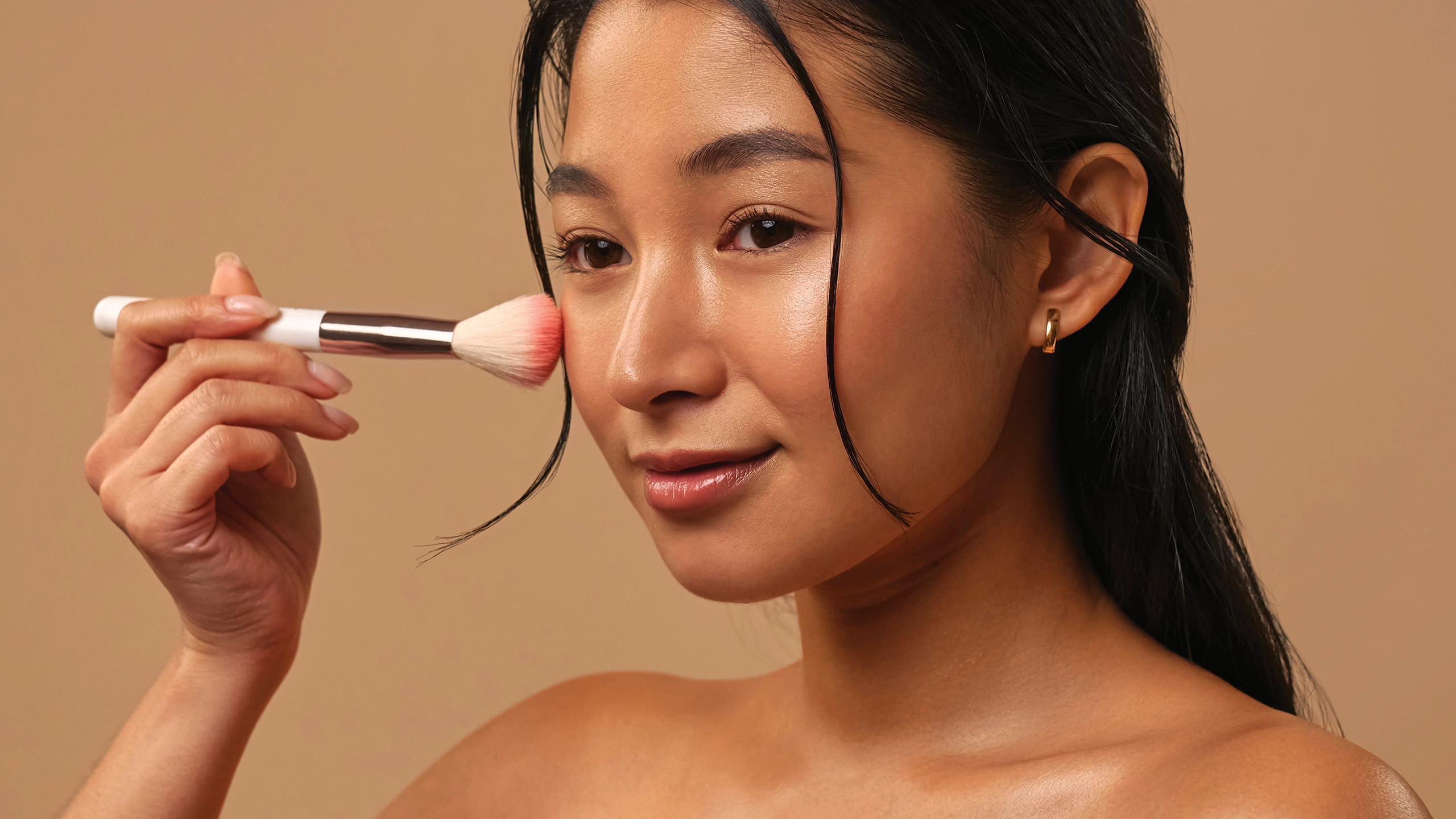
BeautyTok has shown us many ways to apply cream blush. Sunburnt blush focuses the color in the very center of your face for a just-tanned effect, while the doll-blush trend places it on the apples of cheeks for a smooth look. Experiment with different placements to find the one that best suits your face. In general, though, Sidwell recommends “adding blush to the outer apples of the cheeks and blending toward the center of the ear.”
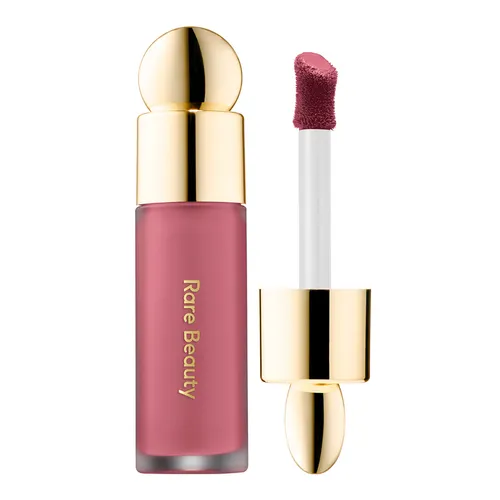
I love the sunburnt blush look. Obviously, I’m less a fan of actual sunburn (as mentioned above, remember to include SPF in your beauty routine), and since I don’t aspire to achieve reddened cheeks the old-fashioned way, I use the Rare Beauty Soft Pinch Liquid Blush (a pigment-packed liquid).
Step 8: Setting powder
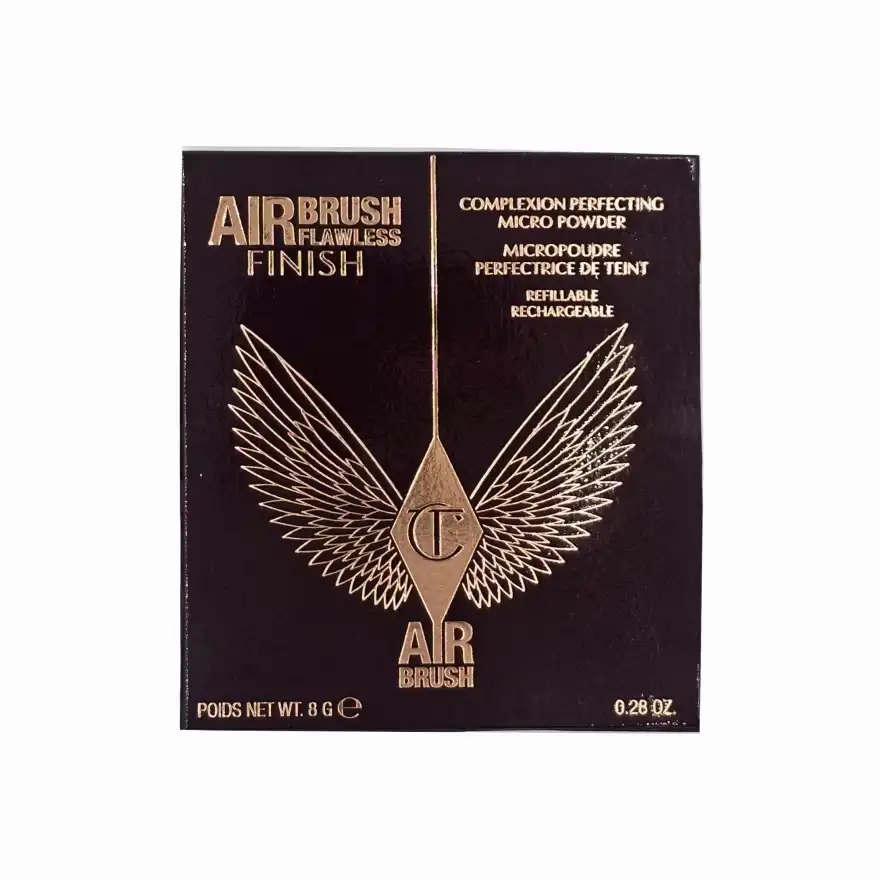
To lock in your hard work so far, grab a setting powder (loose or pressed), a fluffy brush, and a makeup puff. Says Pagan, “I like to lightly sweep the Charlotte Tilbury Airbrush Flawless Finish Refillable Blurring & Setting Powder under the eyes and T-zone with a brush first, then press the powder with a puff under eyes and spots prone to oiliness to seal and mattify.”
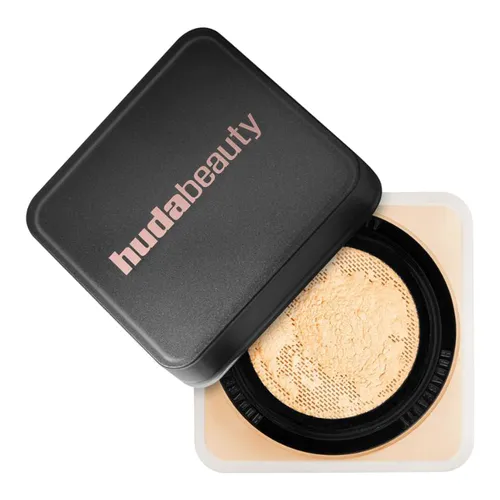
If you prefer a loose powder, I recommend the Huda Beauty Easy Bake Blurring Loose Baking & Setting Powder, which always gives my makeup a filter-like finish.
Step 9: Powder blush
This is where you can apply a powder blush if you so choose—which, you should! “Powder blush today is very different from what it was years ago,” says Eldridge, who explains that modern formulas are easier to blend and layer—with each other and with cream blushes—“creating beautiful volume.”
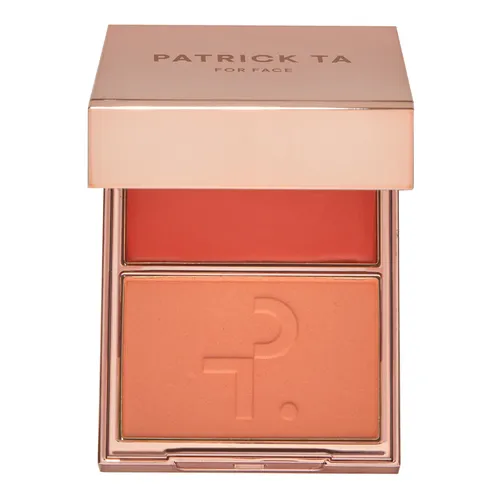
Pagan suggests sweeping on your powder blush with a medium-sized, fluffy brush, focusing on the areas where you applied cream blush to reinforce the pigment. The Patrick Ta Major Headlines Double-Take Crème & Powder Blush Duo is a powder blush that gets me very excited for this step because I know the pigmented palette delivers beautiful color.
Step 10: Powder highlighter
This is also where you can add a powder highlighter for that extra glow. Admittedly, I haven’t used a powder highlighter since I hoarded the Anastasia Beverly Hills Glow Palettes in high school, but experts say this is an extra step that can make all the difference. Powder highlighter is typically swept on with a thin fan brush for more precise application, but if you want a more diffused shine, you can use a fluffy blush.
Step 11: Brows
Makeup artists say the last few steps—brows, lashes, lips—can happen in any order, but most work from the top of the face down, before setting everything in place.
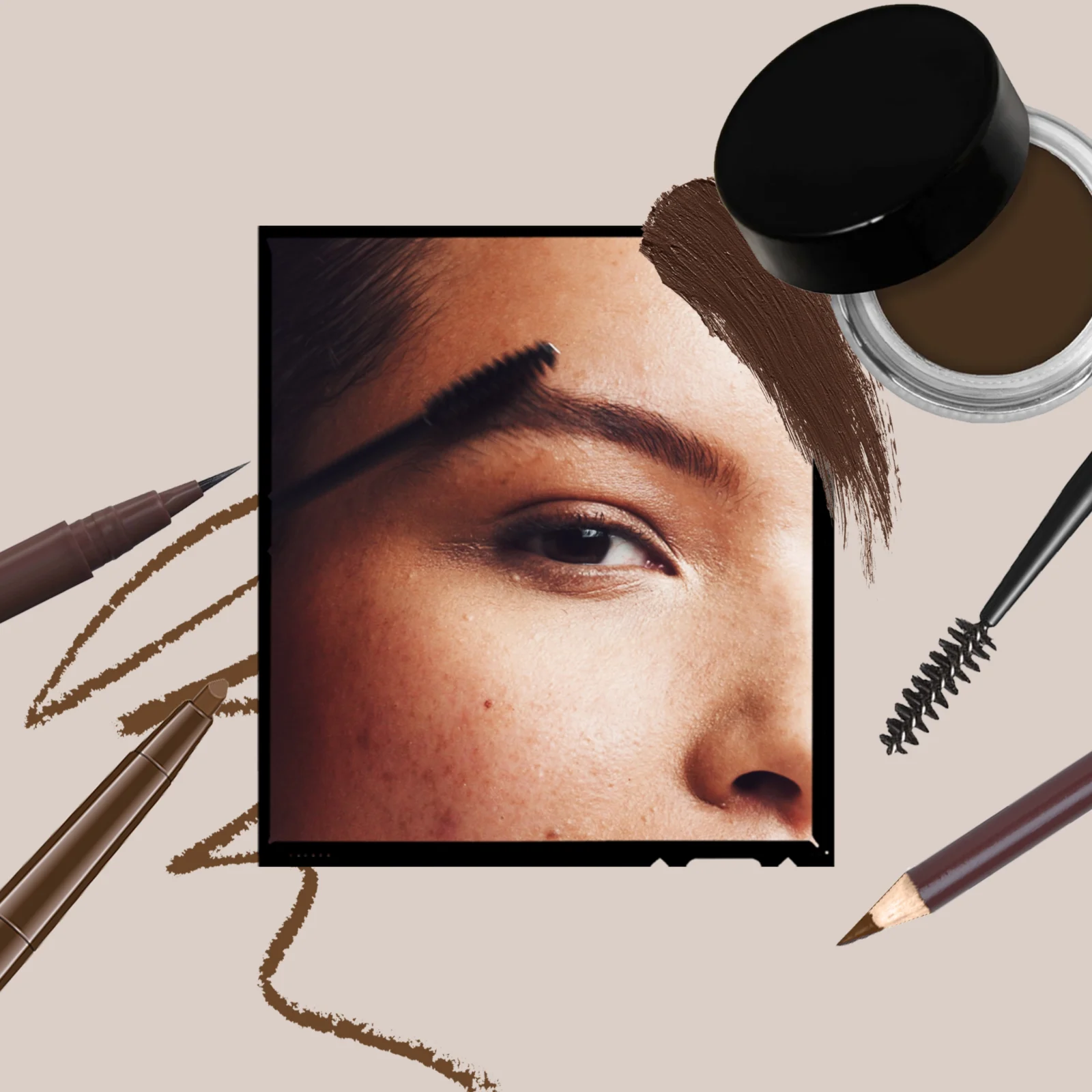
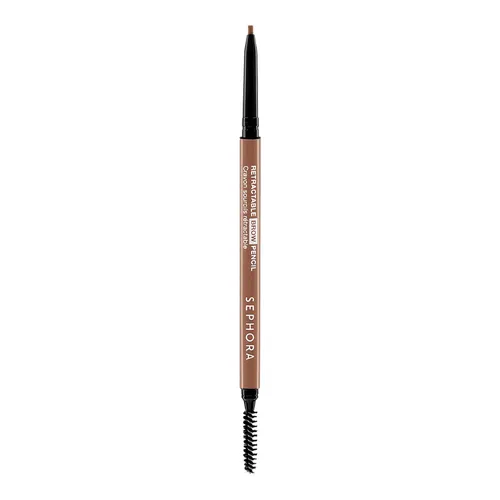
“My favorite tip for good brows is to begin by brushing them down [with a spoolie],” says Eldridge. Then use a fine-tip brow pencil, like the Sephora Collection Retractable Eyebrow Pencil, to sketch your desired shape with light, hair-like strokes. Finally, brush them back and clean up any unnatural-looking edges.
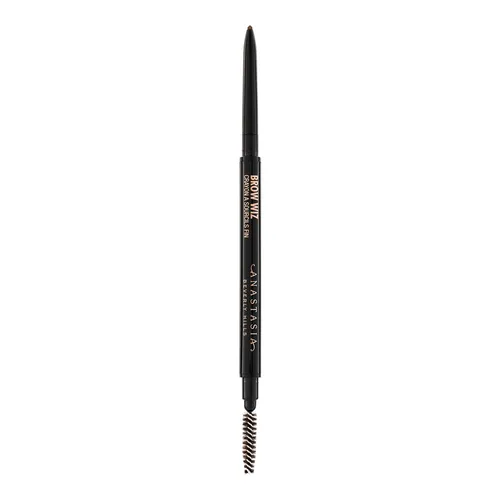
I’ve been rocking with the Anastasia Beverly Hills Brow Wiz Ultra-Slim Precision Detailing Eyebrow Pencil since college. I still take it out every time I sit down to do my makeup because the fine tip and spoolie make it so easy to fill in my brows.
Step: 12 Mascara
If you’re applying mascara, Eldridge recommends, curl your lashes before for an ultra-fluttery look. Then place a compact mirror under your chin; Katie Jane Hughes says doing so gives you the best angle for applying mascara.
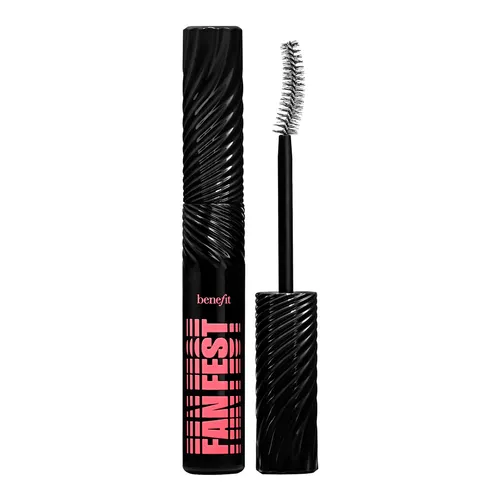
As someone who doesn’t wear mascara often (out of laziness), this tip—plus great mascaras like the Benefit Cosmetics Fan Fest Fanning & Volumizing Mascara has made me a convert.
Step 13: Lips
For years I watched beauty creators on YouTube outline their lips before filling them in with lipstick or gloss. But Eldridge co-signs a tip I learned two years ago from makeup artist Ash K Holm: “Apply your chosen lipstick in a very thin layer, really working and rubbing it into your lips,” Eldridge explains. “Next, use your lip pencil to define and enhance your preferred lip shape, buffing the pencil over the lip as you go.” Top your lip combo with a clear gloss.
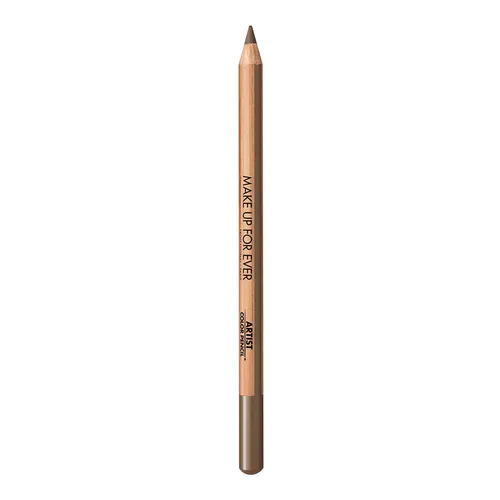
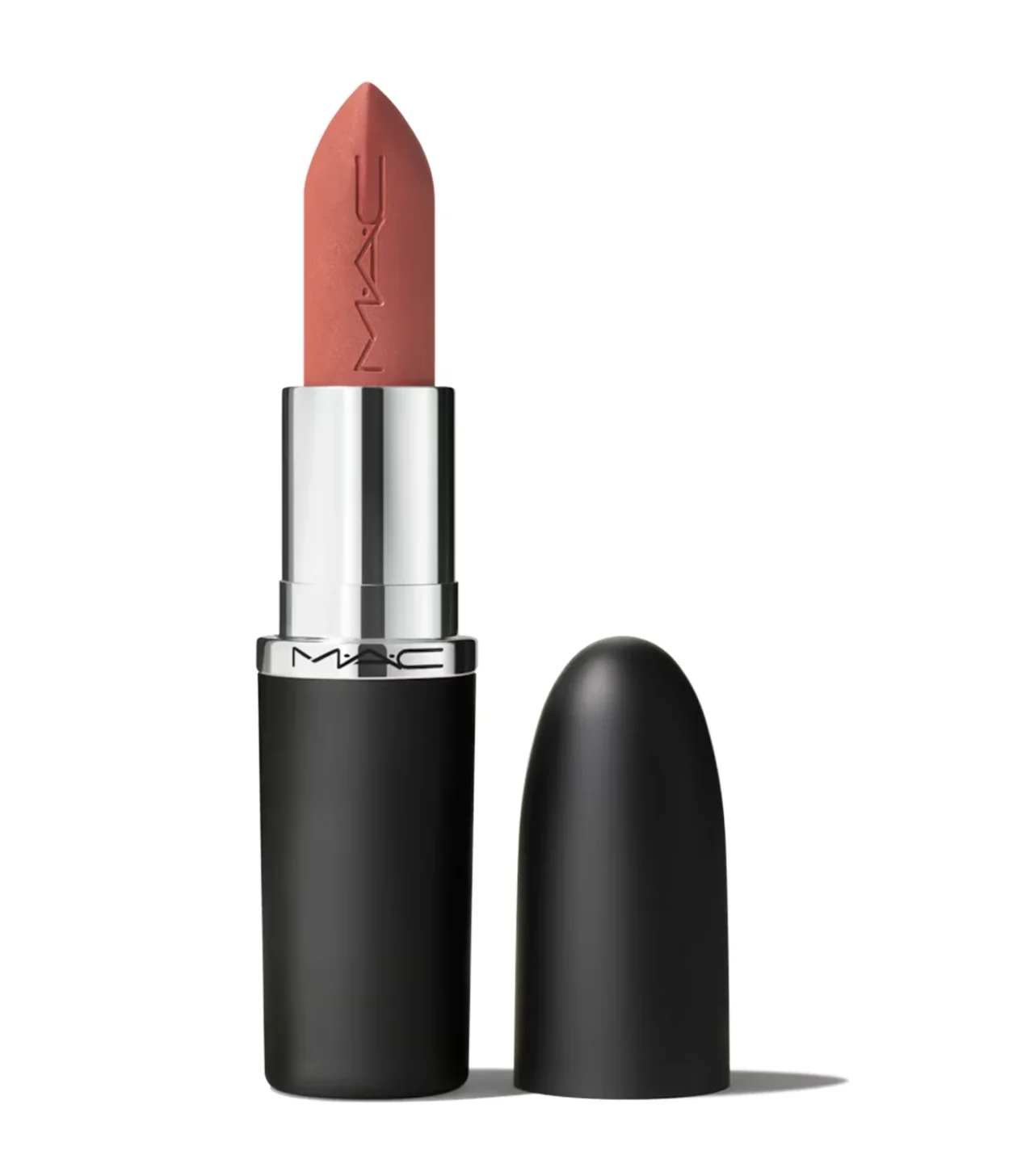
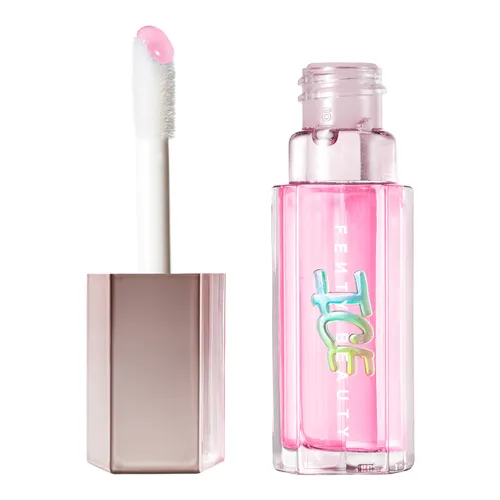
My current go-to lip combo is the Make Up For Ever Artist Color Pencil in dark brown to line my lips, the MAC M·A·Cximal Silky Matte Lipstick in Kinda Sexy in the middle of my lips, topped with the Fenty Beauty Gloss Bomb Ice Cooling Lip Gloss.
Step 14: Setting spray
Finally! By this point, your face should look like a masterpiece; all that’s left to do is lock in your hard work with a setting spray. A lightly misted layer “will melt all the layers together and give the makeup a radiant, long-lasting finish,” says Sidwell.
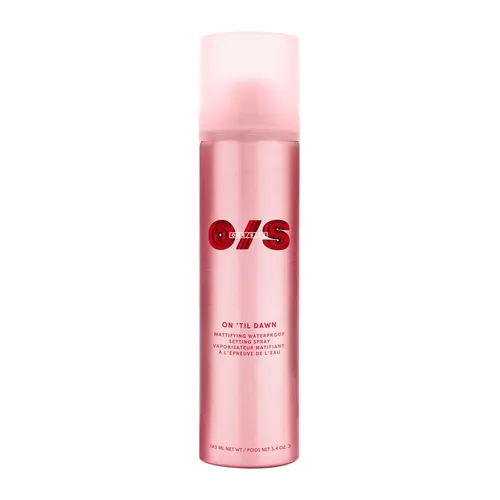
For my wedding day, Jones used the One/Size by Patrick Starrr On ‘Til Dawn Mattifying Waterproof Setting Spray, which didn’t budge, even after I bawled my eyes out at the altar.
Originally published by Allure US.
Frequently Asked Questions
The expert-recommended order is: primer, liquid highlighter (optional), eye makeup, foundation, concealer, cream contour, cream blush, setting powder, powder blush, powder highlighter, brows, mascara, lips, and setting spray. This sequence prevents product pilling, fallout, and patchiness.
Foundation goes on before concealer. Foundation evens out overall skin tone and reduces how much concealer is needed. Applying concealer after allows for more precise coverage on specific areas — undereyes, blemishes, and discoloration — with a thinner, more blendable layer.
Eye products — shadow, liner, and false lashes — are applied before foundation because shadow fallout and liner smudging can contaminate cream and liquid base products already on the skin. Completing the eye look first allows fallout to be swept away cleanly before foundation is applied.
Cream products should always be applied before powder products. Layering cream over powder creates a paste-like barrier that causes patchiness and an unnatural finish. The correct sequence is cream primer, cream foundation, cream contour, cream blush — followed by setting powder, then powder blush and highlighter.
Makeup artists recommend priming cleansed, moisturized skin before any base product; pressing — not wiping — setting powder under the eyes and in oily zones; and finishing with a setting spray to melt layers together. Using a damp sponge during foundation application also helps press product into skin for better adhesion.