
3 Skin Care Brands That Champion a Microbiome-Friendly Approach Through Their Products
From gentle formulations to barrier-first philosophies, these brands show how supporting the skin’s ecosystem can lead to healthier, calmer skin.
By Leira Aquino


There’s a misconception that skin care is all about control: fighting bacteria, shrinking pores, drying out oil, scrubbing until skin feels “squeaky clean.” But as dermatologists continue to unpack the science behind the skin microbiome, that approach is slowly losing credibility.
The microbiome refers to the trillions of microorganisms, bacteria, fungi, viruses, even mites, that naturally live on our skin. Instead of being threats, many of them act as protectors.
“It’s an ecosystem composed of trillions of microorganisms—good microorganisms,” board-certified dermatologist Raissa Pasion, MD, FPDS explains during the Allure Beauty Congress at RCBC Plaza, Makati on November 23. “These good microorganisms help to have a defense against the bad microorganisms which your skin will encounter.”
When that ecosystem is intact, skin tends to be calmer, more resilient, and better hydrated. When it’s disrupted (a state that dermatologists call dysbiosis) flare-ups, inflammation, acne, and sensitivity often follow.
This growing understanding has pushed brands to rethink how products are formulated. Instead of stripping the skin down, microbiome-conscious formulas aim to support balance: gentler surfactants, barrier-supporting ingredients, and fewer practices that wipe out everything on the surface.
Here are three brands approaching microbiome-friendly skin care in distinctly different but thoughtful ways:
1. Pond’s
Microbiome-focused skin care is often positioned as niche or clinical, but Pond’s is attempting to bring the conversation into the mainstream.
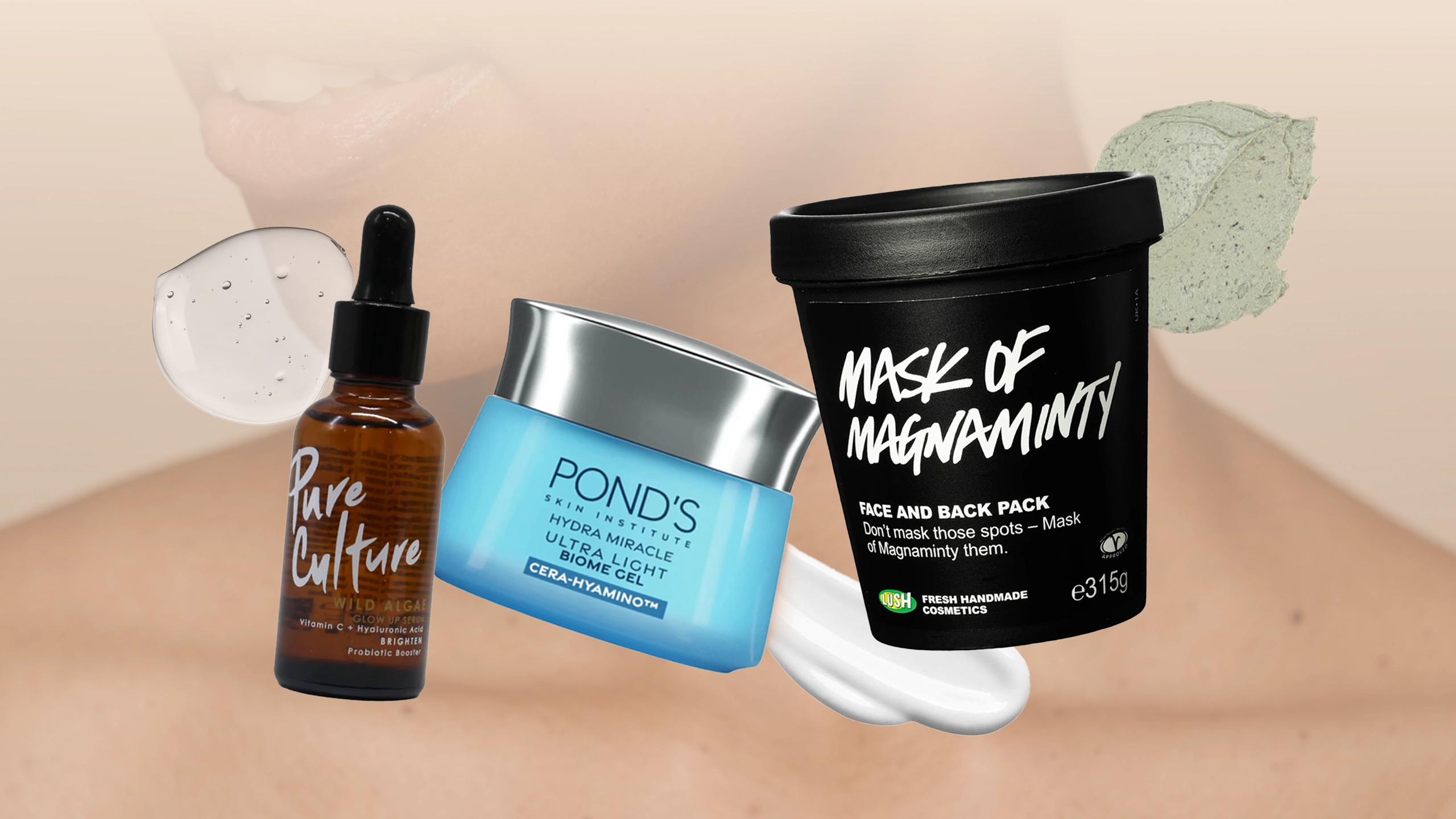
Through its Skin Institute research, the brand has shifted toward formulations that acknowledge the role of beneficial microorganisms on the skin. Products like its Ultra Light Biome Gel are designed to support what Pond’s refers to as the “beauty biome,” using prebiotic ingredients meant to help good bacteria thrive rather than targeting bacteria indiscriminately.
This approach supports Dr. Pasion’s statement that imbalance, not the mere presence of bacteria, is what causes problems. “It’s not necessarily, ‘oh this bacteria is bad, let’s wipe it out for acne,’ but it’s that imbalance that becomes bad,” she notes.
In a climate like the Philippines, formulas that hydrate without heaviness and cleanse without stripping matter more than ever. Pond’s microbiome-focused direction suggests a move away from aggressive “oil control” narratives toward barrier-first skin care.
2. Lush
Lush’s philosophy aligns closely with what dermatologists now recommend. Known for its self-preserving products, Lush formulates without added synthetic preservatives in many of its items. Instead, stability comes from high concentrations of natural humectants, clays, honey, and butters–ingredients that also support the skin barrier.
Why does it matter? “When we use products that strip our barrier or disrupt our microbiome, we add further damage to an already existing injury,” Dr. Pasion explains, particularly in inflammatory conditions like eczema.
Products like the self-preserving Mask of Magnaminty illustrate this approach. Rather than relying on harsh preservatives or alcohol-heavy formulas, the product maintains freshness through formulation choices like higher percentages of natural humectants and butters that are gentler on the skin’s surface ecosystem.
3. Pure Culture
Pure Culture places the microbiome at the center of its formulation philosophy rather than as a secondary benefit. The brand focuses on creating products that work with the skin’s existing ecosystem, from facial lines like Wild Algae and Bulgarian Rose to body products such as its Biome Bars. Instead of targeting skin concerns through aggressive actives, the formulas are designed to support balance, hydration, and barrier health across both face and body.
This matters because dysbiosis doesn’t only show up as acne on the face. According to dermatologists, it’s linked to a wide range of issues, from eczemaEczemaA chronic inflammatory skin condition, also called atopic dermatitis, that causes dry, itchy, red, and sometimes cracked patches. Triggers include heat, sweat, stress, and harsh products. Gentle cleansers, thick moisturizers,Go to Eczema Glossary to chronic sensitivity. In atopic dermatitis, for example, Dr. Pasion notes that there’s often an overgrowth of Staphylococcus aureus, a bacteria that normally lives on the skin but becomes problematic when the ecosystem is disrupted.
Why microbiome-friendly skin care matters more than ever?
Modern routines are often stacked with exfoliants, retinoids, acids, and frequent cleansing, on top of makeup, pollution, and climate stress. For many Filipinos, the instinct to wash more because of heat and humidity can unintentionally worsen imbalance.
Board-certified dermatologist Coreen Capuyoc, MD, FPDS points out that even common acne treatments can disrupt the microbiome when overused. “If you use a lot of benzoyl peroxide, it can disrupt the balance in the microbiome,” she explains also during the Allure Beauty Congress.
Microbiome-friendly skin care doesn’t demand a complete routine overhaul. It asks for restraint, which may involve gentler cleansing, mindful use of actives, and formulas that respect the skin’s natural defenses.
Frequently Asked Questions
The skin microbiome is the ecosystem of trillions of microorganisms — bacteria, fungi, viruses, and mites — that naturally live on the skin’s surface. When balanced, it supports the skin barrier, reduces inflammation, and protects against harmful pathogens. When disrupted (dysbiosis), it is linked to acne, eczema, and chronic sensitivity.
Microbiome-friendly skincare refers to formulas designed to preserve or support the skin’s microbial balance rather than disrupting it. This typically means gentler surfactants, fewer harsh preservatives, barrier-supporting ingredients like prebiotics and humectants, and avoiding practices that indiscriminately eliminate both harmful and beneficial bacteria.
Yes. Board-certified dermatologist Coreen Capuyoc, MD, FPDS notes that overuse of treatments like benzoyl peroxide can disrupt the skin’s microbial balance. The issue is not the presence of acne-causing bacteria alone, but the imbalance in the overall ecosystem — eliminating too much can worsen sensitivity and barrier function.
In the Philippines’ hot, humid climate, the instinct to cleanse frequently or apply aggressive oil-control products can unintentionally worsen microbiome imbalance. Dermatologists recommend barrier-first, gentler formulas that hydrate without heaviness — particularly for skin already under stress from heat, pollution, and layered active ingredients.
Prebiotics, natural humectants, barrier-compatible butters, and clays are among the ingredients associated with microbiome-supportive formulation. These work by feeding beneficial microorganisms or maintaining the skin’s surface conditions — rather than stripping or sterilizing the skin, which can compromise its natural defenses.
Latest Stories


You might also like

To provide a customized ad experience, we need to know if you are of legal age in your region.
By making a selection, you agree to our Terms & Conditions.