

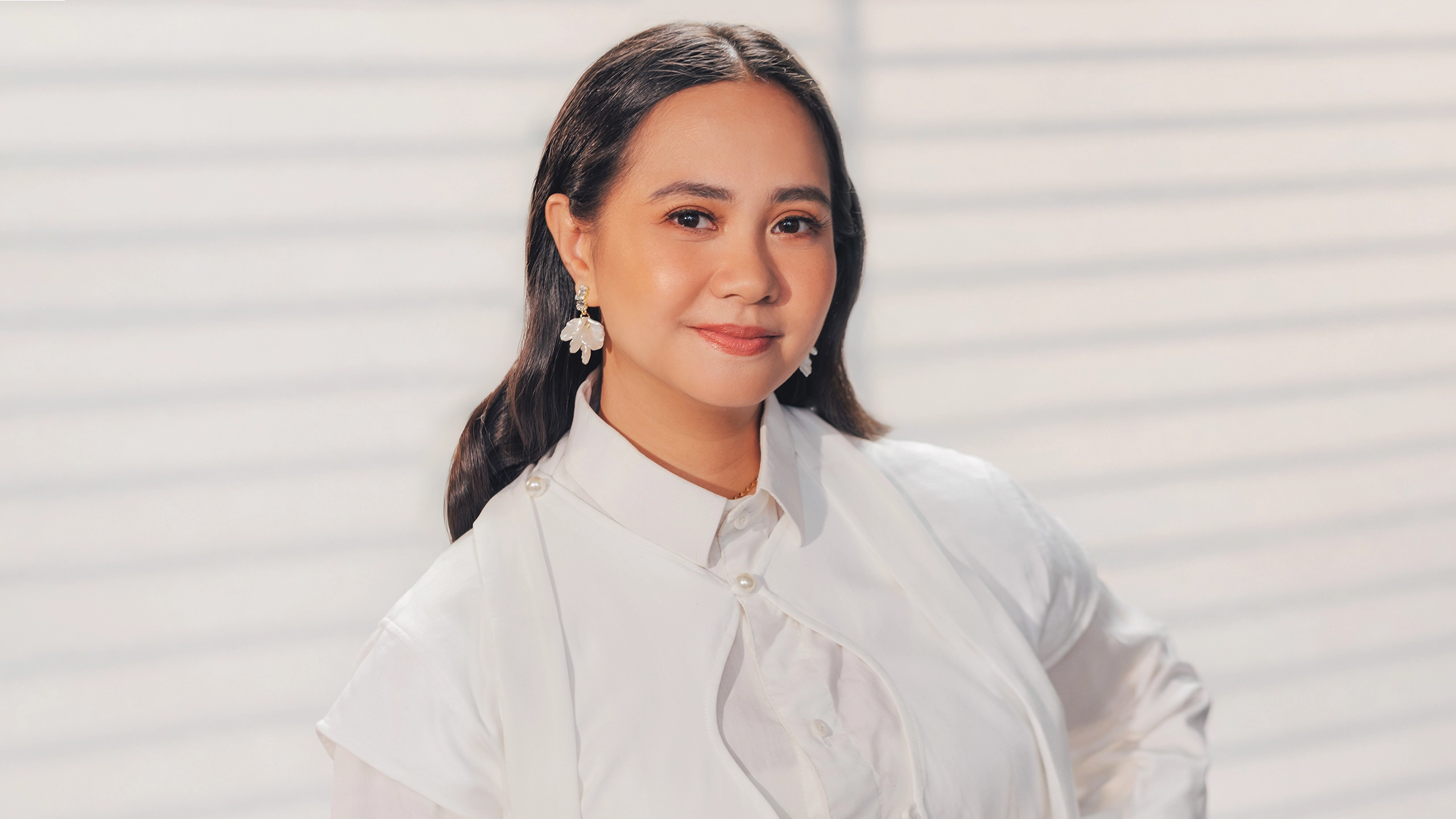
No one was born ashamed of acne. No one was born hating the color of their skin. Think about it, when we were younger, we just existed. We read books and played with our classmates at school without worrying if we would go home with scribbles and mud on our uniform. Many yearn for that carefree childhood. I do, too.
But over time, in moments like family reunions that are now infamously dreaded because of titos and titas who bombard us with unsolicited advice on weight loss, skin whitening, or finding a partner, we begin to become conscious of what was once unnoticed. Suddenly, we feel like our arms look bigger in photos, our lack of a love life becomes a handicap, or our pango nose starts to bother us, all of which have led me to wonder: when did we even start being so hard on ourselves?
Acknowledge that change is natural.
Multi-awarded Filipina educator Sabrina Ongkiko, who teaches children in public school, sees this shift happen in her students. “When we’re kids, we don’t really think about beauty standards. We just wear whatever we want. You go out and swim, and sometimes you don’t even have clothes on, so you’re really not conscious.”
She notes that the change is evident in adolescence. Around this age, children start to become more aware of the changes in their body. It is around this time when they start to explore their identity and seek affirmation from other people which is completely normal and understandable.
But this is also where guidance should come in, because this is the time when kids start comparing themselves to other people and develop insecurities about their bodies or their faces.
Create a safe space.
In her classroom, Ongkiko makes it a point to create a space where students feel safe asking questions, especially about topics like their bodies and puberty. These conversations often come up naturally during their science lessons on the reproductive system, and for her, it’s important that kids don’t feel judged when they speak up.
“Who else will they ask?” she shares. “If they look at the internet, there’s so much information out there that might not be helpful. So it’s better that they talk to adults like us, to teachers, to parents, who don’t criticize them and who don’t judge them for their questions.”
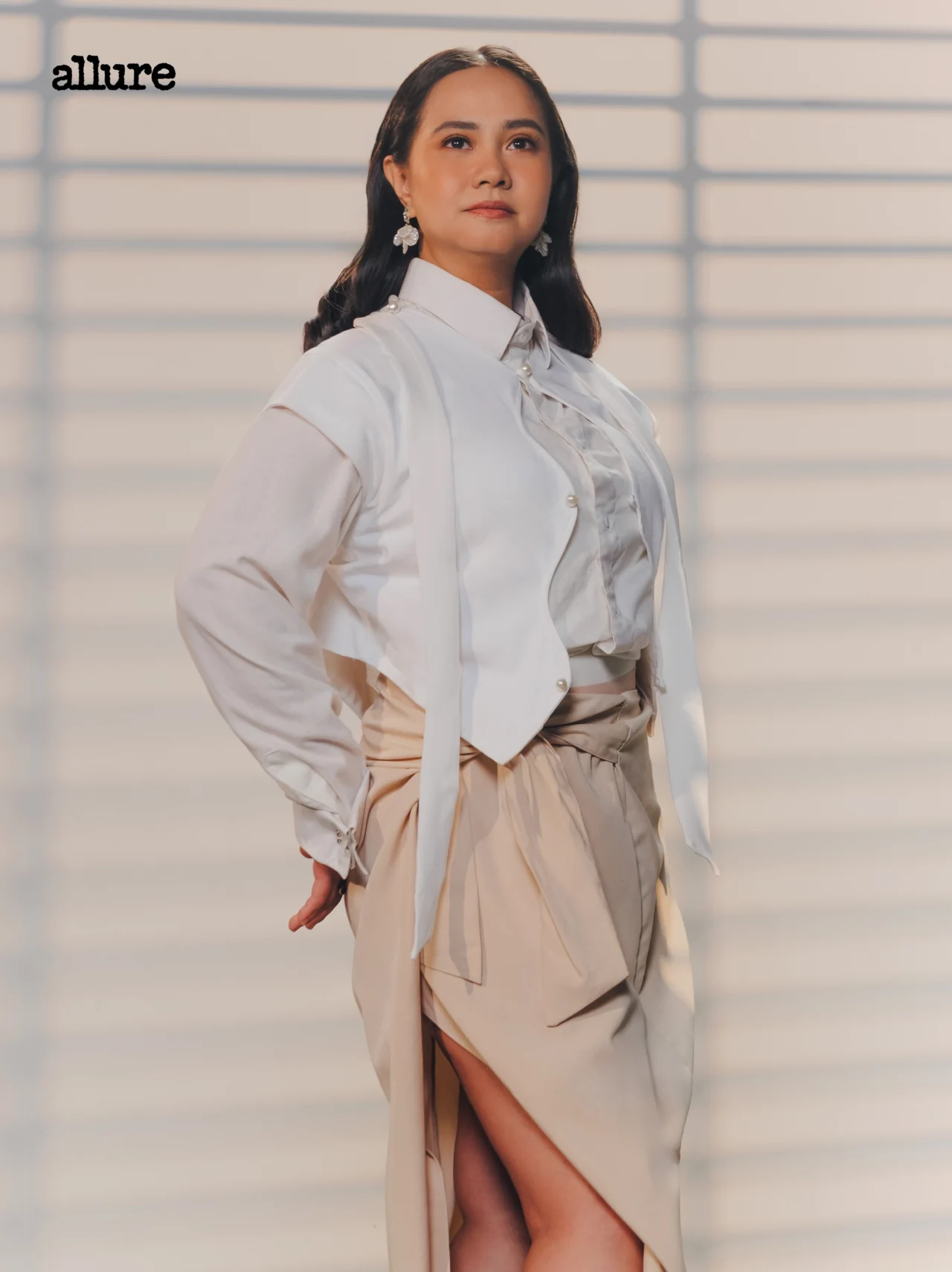
Andrea Beldua
Be honest and vulnerable.
She also reminds us that these pressures aren’t just something kids experience. Adults feel them too. “Even as I’m sitting here, I’m conscious about my arms. I’m conscious if I look okay,” she admits. “We have to be honest and vulnerable that this is affecting all of us, even boys, even men.”
Think twice before you speak.
“We always hear this from our titas, ‘The first thing I notice about you is your weight.’ It’s as if we cannot change, right?” Ongkiko adds. “But actually, it’s very normal for a body to change. When we reach adolescence, girls gain a little bit of weight. It’s natural for a body to change.” “When we have our period, we feel bloated. So we feel a bit large, and that’s okay.”
Because of that, the way we talk about others becomes really important. Even small comments like pointing out someone’s weight or skin tone can unintentionally reinforce the idea that there’s only one “right” way to look.
Ongkiko encourages shifting the focus instead to what makes someone unique. Noticing someone’s positive features, their unique style, or something specific about them helps kids learn to appreciate individuality rather than compare.
Unlearn the instinct to “fix”.
She also sees how kids react when they start feeling insecure. A lot of the time, their first instinct is to hide or “fix” whatever they feel unsure about. And while that’s a natural response, it can also send the message that something about them needs to be corrected.
“Even if you fix it, shame or insecurity can move to other parts of your body. It will never stop.” That’s why she encourages asking a different kind of question: what is the root of insecurity? “Where did you get the idea that your body is not okay?”
It’s a simple question, but it helps kids reflect instead of immediately reacting. It opens up the possibility of realizing that some of the things they believe about themselves didn’t actually come from within. They were picked up from the people around them.

Andrea Beldua
Shift the focus from appearance to substance.
In her teaching, Ongkiko also helps students see their bodies in a more functional and meaningful way. Bodies aren’t just about appearance. They are how we connect, communicate, and experience life. When kids start understanding that, the pressure to look a certain way dissipates. Instead, they begin to see their bodies as something that allows them to live, interact, and express themselves.
She also debunks the idea that feeling good always has to come from looking good. While looking presentable can help sometimes, it’s not the only, or even the most important, factor. Things like being kind, helping others, and building relationships all contribute to how we feel about ourselves.
As she puts it, “To feel good, you have to do good.” It can be by helping your peers, loving the people around you. “There are so many ways to appreciate yourself and make use of your body.”
The lessons that stay
Not everything should be about how you look. It’s a combination of competence and warmth, as Ongkiko emphasizes, “We can tell kids this, if you want to be attractive, then build yourself, improve on yourself, that’s competence, and build on your relationships, and that’s warmth.”
Because those lessons don’t just stay in the classroom. They carry on to how they see themselves, how they treat others, and how they move through life. When kids are taught early on to approach themselves with kindness, that mindset stays with them for good, shaping how they respond not just to others, but to the parts of themselves they once might have been taught to question.
Art direction by Nicole Almero, assisted by Sacha Mancera. Beauty direction by Sacha Mancera. Photography by Andrea Beldua, assisted by Toto Pepito and JR Baylon. Makeup by Aica Latay. Hair by Cats Del Rosario. Styling by Gee Jocson, assisted by Kassandra Gandionco and Vince Avisado.
Frequently Asked Questions
Body image insecurities typically emerge during adolescence, when children become more aware of physical changes and begin comparing themselves to others. Educators like Sabrina Ongkiko observe this shift directly in classrooms — it’s a developmental stage that calls for active, non-judgmental adult guidance.
Avoid making the first observation about a child’s weight, skin, or appearance. Shift focus to what makes them uniquely capable or kind. Even small, unreflective comments can reinforce the idea that there is only one acceptable way to look — so the language adults use matters significantly.
Targeting one perceived flaw often shifts the insecurity elsewhere rather than resolving it. Ongkiko’s approach asks a more foundational question: where did the belief that something is wrong come from? That reflection helps children understand that many insecurities are absorbed from their environment, not inherent to who they are.
Creating a non-judgmental space where questions about puberty, bodies, and identity are welcome — particularly during science lessons on the reproductive system — gives students a trusted adult to turn to. When children know they won’t be criticized for asking, they’re less likely to seek answers from unfiltered online sources.
Competence refers to building skills, knowledge, and self-improvement; warmth refers to nurturing relationships and being kind to others. Together, these qualities form a more durable foundation for self-worth than appearance alone — and the lessons, when taught early, shape how children treat both themselves and others throughout their lives.