



Many have long associated the human papillomavirus (HPV) vaccine with cervical cancer prevention, but the connection often stops short at girls and women. HPV doesn’t—it can cause cancers in men as well as women, along with genital warts, and the vaccine helps protect against many of them.
Timing matters: the vaccine works best when given at the age of nine to 14. But that doesn’t mean everyone else has missed their chance. Teens and adults who weren’t vaccinated as children may still have options, depending on their age and risk. So, when is the best time to get vaccinated, and what if you’ve already missed it?
To understand more about the HPV vaccine, Allure Philippines spoke to Ronald Augustine O. Campos, MD, FPOGS, FSGOP, FPSCPC, chief of Gynecologic Oncology at Healthway Cancer Care Hospital, and a fellow of the Philippine Obstetrical and Gynecological Society and the Society of Gynecologic Oncologists of the Philippines.
Below, he walks us through who should get it and when, from the ideal ages and dosing to what’s possible for teens and adults who missed it.
Why the vaccine isn’t only for girls
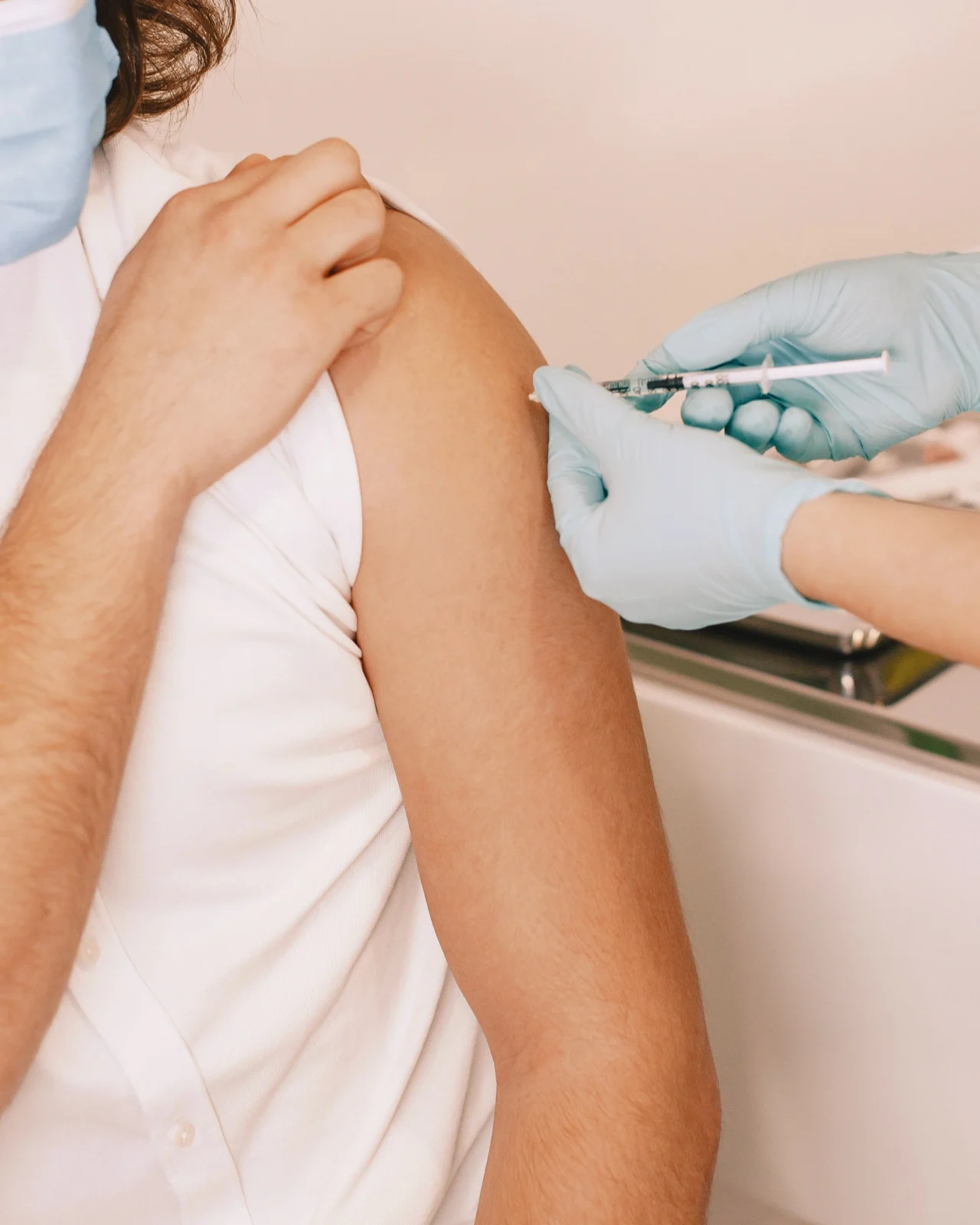
“The HPV vaccine is one of the most important advances in cancer prevention,” says Dr. Campos. “It protects against HPV types responsible for most cervical cancers and, depending on the vaccine, other HPV-related cancers and genital warts.”
That’s where boys come in. “HPV should not be viewed as a vaccine exclusively for girls,” he says. “Boys should also receive the HPV vaccine because HPV causes cancers in men as well as women.” He lists conditions such as penile cancer, anal cancer, oropharyngeal cancer, cancers involving the back of the throat and tonsils, and genital warts.
Dr. Campos says that it benefits not only the receiver of the vaccine but also the community as a whole. “Vaccinating boys also helps reduce HPV transmission within the community and protects future partners,” he explains.
The ideal age: nine to 14
For both boys and girls, Dr. Campos says the ideal age for receiving the HPV vaccine is nine to 14 years, or just before they turn 15 years old. The reason is mainly the timing: “The vaccine works best when administered before exposure to HPV, which usually occurs through sexual contact.”
How many doses do you need?
According to Dr. Campos and supported by the WHO, among others, the number of doses depends on when you start the immunization.
Starting before 15 years of age. Dr. Campos says children and teens below the age of 15 need to be given two doses of the HPV vaccine, separated by six to 12 months.
Starting at 15 years of age or older. Generally, three doses in a period of over six months.
Immunocompromised persons, including those with HIV. According to Dr. Campos, they need three doses, regardless of whether or not they started getting vaccinated before 15 years of age.
“The exact schedule should follow the specific vaccine’s product guidance and current national recommendation,” he adds.
What if you missed the ideal window?
Dr. Campos says it’s never too late to start. “Catch-up vaccination is recommended through age 26 in standard international guidance,” he notes, and for adults aged 27 to 45, “some may still benefit, but vaccination should be discussed with a doctor because the benefit depends on their likelihood of future HPV exposure.”
The same applies for men, too. “Men who have not been vaccinated may still benefit, particularly if they are at risk of future HPV exposure,” Dr. Campos says. For men aged 27 to 45, he says, “Vaccination can be considered through shared decision-making with their doctor.”
How much the HPV vaccine costs, and where to get it for free
Prices vary by brand, clinic, and hospital, and Dr. Campos advises asking before booking your vaccination. “The Department of Health has an HPV vaccination program targeting young girls [from grades four to five], particularly through school-based immunization and local government health programs,” he shares.
There are other options to consider. “[They] should inquire about the DOH National Immunization Program, school-based HPV vaccination through public schools, their city or municipal health office, their barangay health center, and special LGU vaccination campaigns.”
Availability, eligibility, vaccine supply, and implementation schedules, he adds, can vary by locality and school year.
Vaccinated? You still need screening

Let’s say you’ve already gotten your vaccine doses. You probably think you’re off the hook from your regular check-ups and screenings. Dr. Campos says this isn’t true.
“Vaccination does not eliminate the need for cervical cancer screening. The vaccine does not protect against every cancer-causing HPV type, and a woman may have been exposed to HPV before receiving the vaccine.” As he puts it, “The vaccine prevents new infections; it does not eliminate an existing infection.”
That’s why he recommends doing both. “The best protection is the combination of vaccination and regular screening. Vaccination prevents many infections. Screening detects problems that vaccination cannot prevent.”
The HPV vaccine is a big step, but it works best alongside regular cervical cancer screening. As Dr. Campos says, “Even fully vaccinated women should follow the recommended screening schedule.”
So whether you’re booking a schedule for yourself, your partner, or your children, it’s best to ask your doctor or your barangay health center about the HPV vaccine.
Frequently Asked Questions
The HPV vaccine is not only for girls. Dr. Ronald Campos says boys should also be vaccinated because HPV causes penile, anal, and oropharyngeal cancers and genital warts. The ideal age for both boys and girls is nine to 14, before HPV exposure.
The best age is nine to 14 years, just before turning 15, for both boys and girls. Dr. Campos says the vaccine works best when given before HPV exposure, which usually occurs through sexual contact. The World Health Organization also names nine to 14 as the ideal range.
Children and teens who start before 15 need two doses, given six to 12 months apart. Those who start at 15 or older generally need three doses over more than six months. Immunocompromised people, including those with HIV, need three doses regardless of starting age.
Yes. Catch-up vaccination is recommended through age 26 under standard international guidance, Dr. Campos says. Adults aged 27 to 45, including men, may still benefit, but should discuss it with a doctor, since the benefit depends on their likelihood of future HPV exposure.
Yes. The vaccine does not protect against every cancer-causing HPV type, and a woman may have been exposed before vaccination. Dr. Campos says the vaccine prevents new infections but does not clear existing ones, so vaccinated women should still follow the recommended screening schedule.