Esnyr Ranollo: The Role of a Lifetime—Being Himself
Known for his viral skits and comedic characters, Esnyr Ranollo reveals how his time inside Bahay ni Kuya helped him shed the need to perform, and introduce to everyone his authentic self.


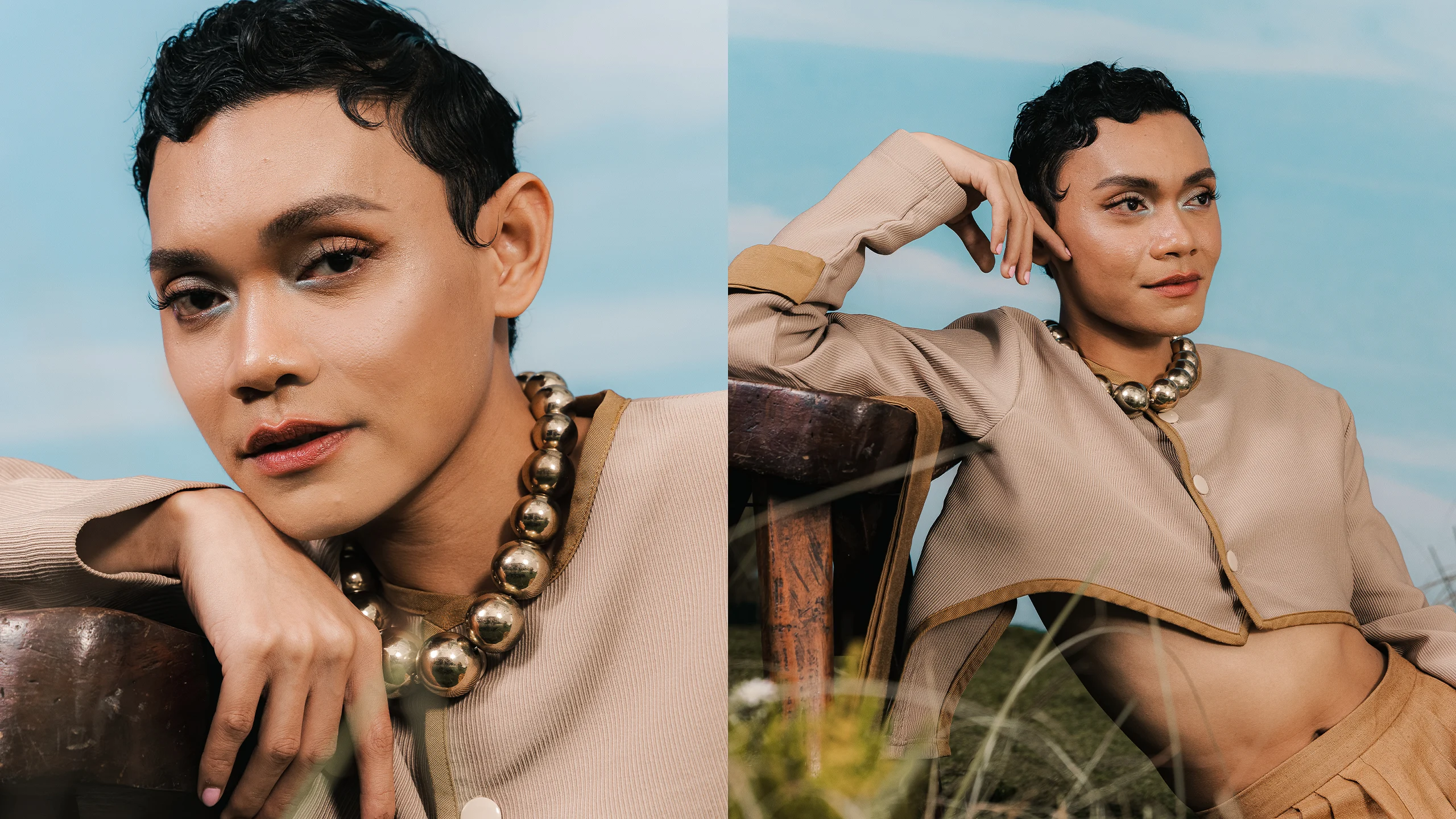
“I wanted people to know the person behind Bogart, Precious, Balong. I wanted them to know what my story is,” Esnyr Ranollo tells Allure Philippines. Known for his iconic high school skits on TikTok and YouTube, it’s easy to box him into those roles: funny, relatable, animated, and viral.
But before he brought to life characters like Precious, Bogart, or the scene-stealing Ashley in Third World Romance, Ranollo was simply a dreamer from Digos, Davao del Sur. An academic achiever. A self-described optimist. A gay boy who grew up knowing that sometimes, being excellent was the only way to be accepted.
Inside the Pinoy Big Brother house—where there were no retakes, no controlled angles, no characters to hide behind—Ranollo wasn’t performing. He was finally showing the world who he really was.
“I’ve been in the industry for three years as a content creator,” he says, seated on a makeup chair in the glam room, his voice loud, polite, and confident. There’s an unmistakable pull to him. Whenever he speaks, heads turn—including some of his former housemates, quietly getting their glam done nearby. “Pero hindi ko pa po napapakilala ‘yung ako talaga,” he says.
It’s hard not to light up around Ranollo. His laughter is contagious, his energy undeniable. He’s a natural entertainer. But in the house, he became something more. The “happy pill,” the safe space, the spiritual sibling. Behind the quips and comedic timing, there was sincerity, and a depth that surprised even those closest to him.
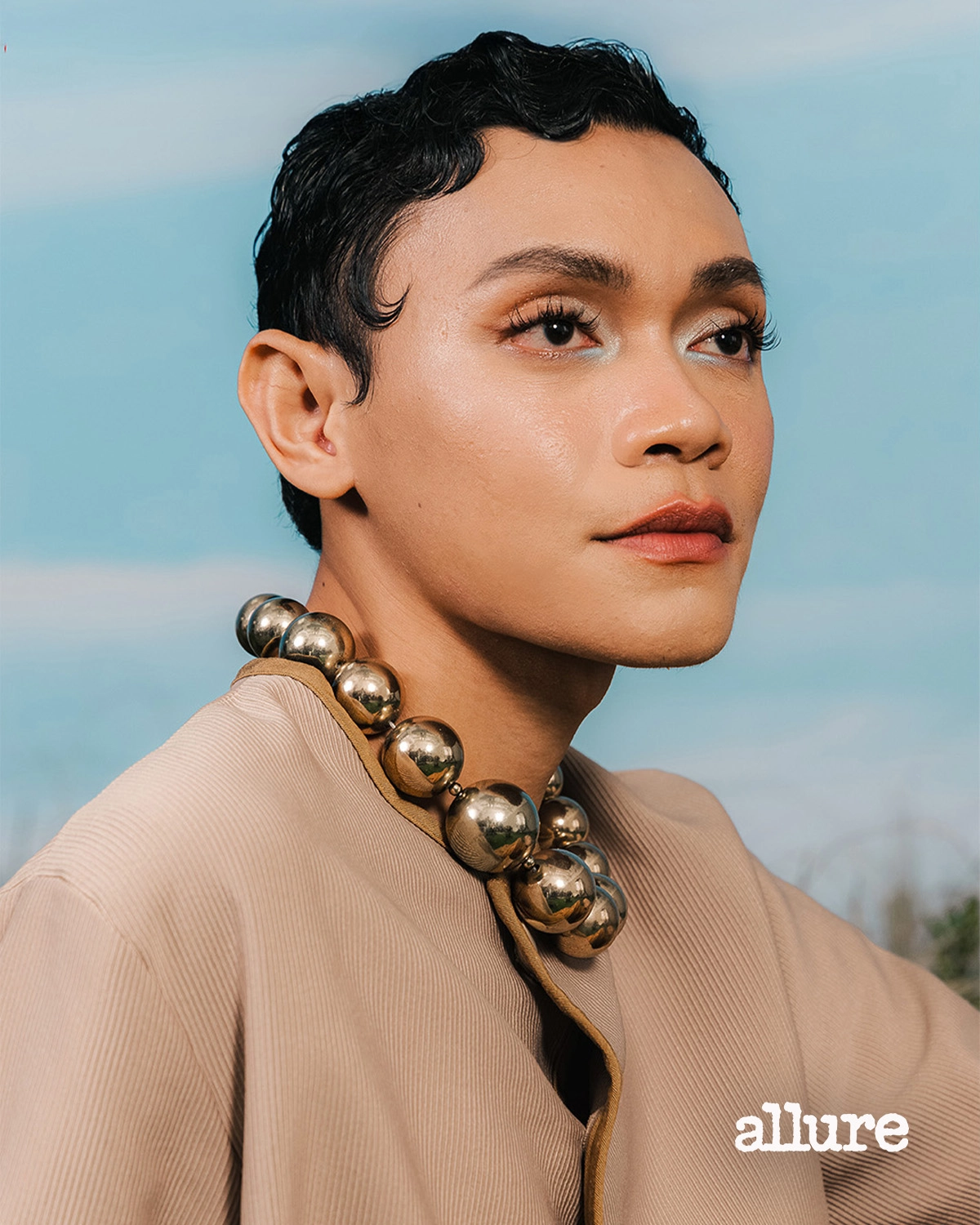
Borgy Angeles
“I am more than just my jokes.” That’s what he tells us when we ask about his highest moment inside Kuya’s house. Not the Big Four finish, but the night he let go of the need to be perfect. “I realized I don’t have to carry all the smiles. I am a person worth knowing and I have a story to tell.”
For someone who spent most of his life making others laugh, making space for his own emotions was unfamiliar territory. “For the first time in my life, hindi ako nakakatulog,” he recalls, remembering the night he opened up on national television about family struggles. “Sobrang dami kong what ifs. Baka nag-aaway away na yung mga tao sa outside world, ‘yung pamilya ko baka hindi na nila ko tatanggapin paglabas.”
But in that vulnerable moment, he leaned into community, and faith. “Every day, I kept reminding myself na sana confident thoughts lang ‘yung pumapasok. Sana positivity lang,” he shares. “And nakatulong po talaga ‘yung prayers,” he adds, his voice softening. “Every night, humihingi ako ng tulong. Pumupunta ako sa altar. ‘Yun yung communication ko kay Lord.”
This clarity didn’t come easy. Growing up queer in a conservative town meant learning early how to shrink yourself, how to excel just to be tolerated. “May innate pressure na sa aming mga bakla,” Ranollo admits. “Kasi feeling namin, mapapansin lang kami o matatanggap lang kami pag mayroon kaming mapapatunayan.”
That pressure pushed him to achieve. To create. To inspire. But PBB became more than a career move, it became a chance to heal. In the house, Ranollo began embracing the parts of himself he used to hide. “Hindi ako iyakin po talaga masyado,” he shares. “Before, mga twice a year lang ako umiiyak.” But now, he sees the power in release. In feeling things fully. In choosing to be seen.
Too often, queer creators are reduced to comic relief, but Ranollo’s story is a quiet revolution. Proof of what happens when we allow people to be seen in full color, in full truth.
Outside the house, the impact has been overwhelming. “Sobrang happy na mayroong [mga] nakarelate sa story ko,” he says. “May nagsabi na ni-re-represent ko sila,” he adds.
Of course, there are detractors. There’s always noise. But Ranollo chooses to focus on growth. “Naniniwala po talaga ako na it takes both sunshine and storm for a flower to grow. And I’m that flower,” he jokes. But there’s something incredibly real about that line. He is that flower. A product of joy and pain, light and shadow. He’s no longer just representing himself. He’s holding the mic for everyone who ever felt like they didn’t belong.
Because maybe, ten years ago, somewhere in Digos, there was a child flipping through the TV, wondering if there was space for someone like him. Wondering if his queerness, his joy, would ever be enough. That child was Ranollo. He may or may not have found the answer back then, but he’s determined to be the answer now.
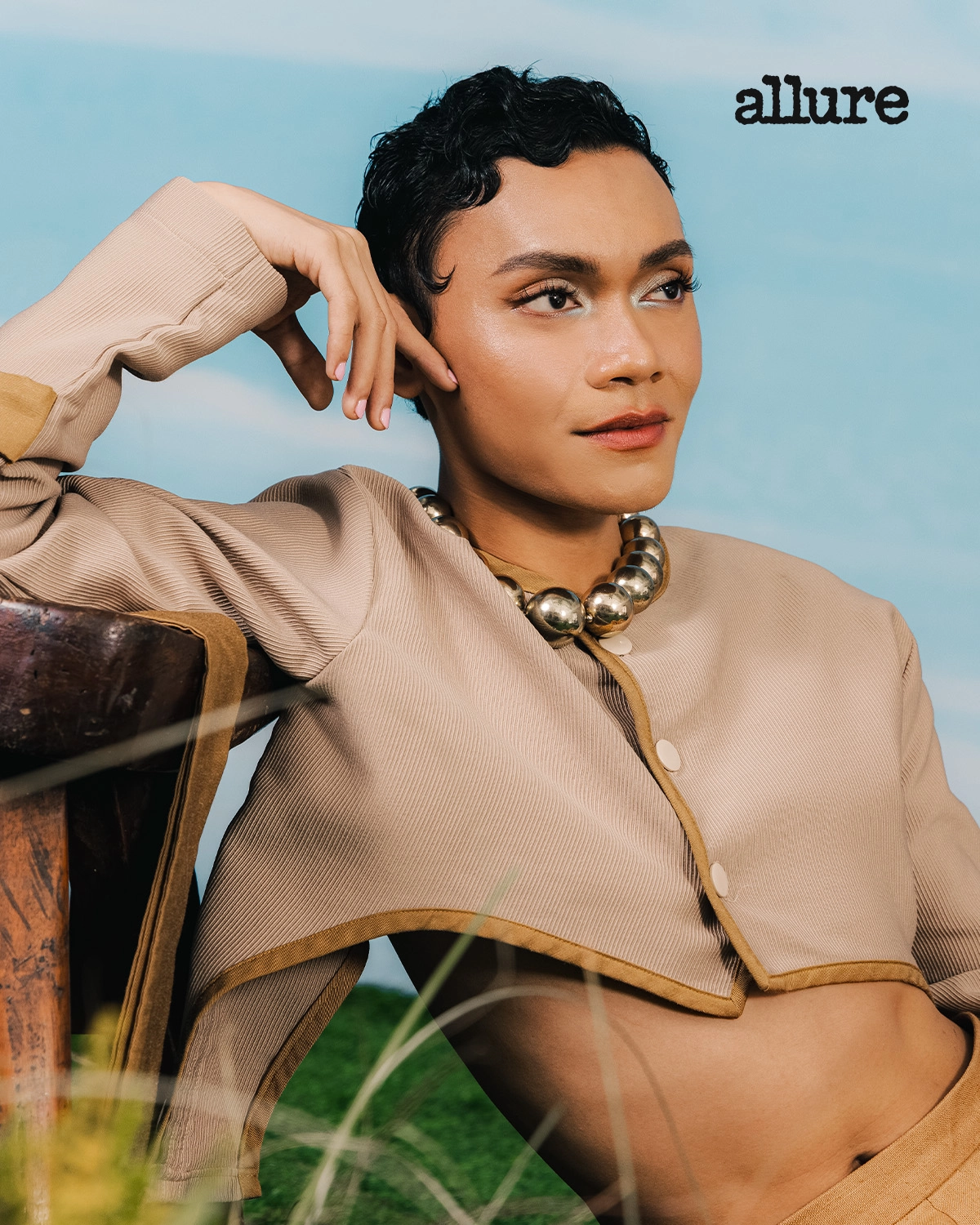
Borgy Angeles
“Walang mali sa pagiging bakla,” he says with conviction. And to those who feel the same way he once did, he has a message: “Sana hindi sila mapressure na patunayan ‘yung sarili nila.”
And if they still are? Then they’ll have Ranollo as proof. That choosing authenticity, even when it stings, is always worth it. Maybe he’s saying it for others. Maybe he’s saying it for the kid he once was. Either way, he’s being heard.
Production design: Justine Arcega-Bumanlag
Photographer’s assistants: Rojan Maguyon and Pao Mendoza
Makeup: Jake Galvez
Hair: Bryan Eusebio
Styling: Joy Bernardo and Jolo Bayoneta of StyLIZed Studio, assisted by Jethro Barrietta, Ayi Custodio , Ashley Jamlang, Beatrize Lagco, and Stephanie Satorre
Art direction: Nicole Almero
Beauty direction: Trina Epilepsia Boutain
Writers: Leira Aquino and Lia Cruz
Special thanks to Pinoy Big Brother: Celebrity Collab Edition and Star Magic