What Is a Chypre? Everything You Need to Know About This Mysterious Fragrance Family
This enigmatic fragrance category has a storied history and a hard-to-pronounce name—and it may just be your new favorite scent.


I like to think I know a bit about fragrance. My first job out of college was at a well-known fragrance brand in New York City, where perfumes were being developed five feet from my desk as I was eating my lunch. Since then, I’ve interviewed perfumers from Grasse to Greenpoint, Brooklyn. And as a beauty editor, I smell and review new perfume launches for a living. Yet, if you asked me to define a chypre fragrance, I couldn’t have told you the answer. I had seen the word—in press releases, in books like Fragrances of the World (which my first boss made essential reading for all employees)—but that was the extent of my knowledge. I don’t think I’m the only one, either. Search any other fragrance category on TikTok and you’re treated to hours of content; people sharing their favorite scents, explaining their favorite layering combinations, waxing lyrical about the hottest new launch. I watched every TikTok video on chypres in less than 10 minutes.
Chypres, however, seem to be creeping back into our consciousnesses. In fall 2024 alone, three major companies launched chypre fragrances, piquing the public’s interest in this mysterious olfactive family. My journey to discover the story behind it took me through what felt like a semester of high school—lessons in earth science, geography, French, history, chemistry—and that’s before even touching on what a chypre smells like.
A chypre is a fragrance of contrasts. It’s both fresh and woody, light and dark, strong and sensual, chic and assertive. Over centuries, the scent made by monks in the Middle Ages became one of the most popular fine fragrance categories at various periods throughout the 20th century. It’s a French creation named after the island of Cyprus, the third biggest island in the Mediterranean located south of Turkey and west of Lebanon. It’s old in terms of the fragrance world but new to the next generation of perfume lovers who are just discovering it. And it’s a category that has produced some of the most iconic perfumes of the past three decades, whether you knew it or not. Ahead, some of the fragrance industry’s top perfumers and experts help explain.
Meet the experts:
Dora Baghriche is a principal perfumer at Firmenich.
Christine Hassan is a principal perfumer at Givaudan.
Michael Edwards is a British fragrance expert, taxonomist, historian, and author of the Fragrances of the World series, as well as Perfume Legends.
Jérôme Epinette is a senior perfumer at Robertet.
Maya Njie is a London-based perfumer and founder of Maya Njie fragrances.
Karen Gilbert is a British perfumery educator and host of The Perfume Making Podcast, as well as a former fragrance evaluator at International Flavors & Fragrances (IFF).
First off, how do you pronounce chypre?
The French word for the island of Cyprus, chypre is correctly pronounced SHI-pruh, with the “r” sound coming from the back of the throat and the “uh” practically whispered. For French speakers, it rolls off the tongue. The rest of us? Not so much.
What is a chypre fragrance?
Chypre is a historical fragrance family that’s based on ingredients found on the island of Cyprus. Unlike the other olfactive categories (floral, fruity, gourmand, etc), the chypre family doesn’t describe a kind of note but rather a specific combination of notes, what’s known as an “archetype of chypre,” or chypre accord, explains Firmenich principal perfumer Dora Baghriche.
The classic chypre has a structure of bergamot at the top, rose (sometimes rose and jasmine) at the heart, and patchouli and oakmoss at the base, the latter of which the island is known for. That relationship between the bright citrus on top and the deep mossy, earthy base is what makes a chypre a chypre. “It’s a family that not only plays with ingredients such as florals and woods, but it also plays on texture and on the clair obscur—the contrast between light and dark in English,” says Baghriche. “The freshness of the citrus and the mossiness of the woods is what makes the chypre category very unique and mysterious, the most mysterious of all the fragrance families, in my opinion.”
A classic chypre is also a very strong and assertive scent. “They have that freshness because of the citrus but they’re big and bold,” says Givaudan principal perfumer Christine Hassan. It’s a fragrance people have always worn when they want to make a statement.
What is the history of the chypre category?
Part of chypre’s intrigue isn’t just what it is but how it came to be (especially for history and beauty nuts like me). Arguably the most storied of the perfume categories, we know that chypre goes back to the Middle Ages, when the island of Cyprus was at the center of the perfume trade from the east and the origin of many raw materials. One of those raw materials is oakmoss, which is integral to the chypre fragrance structure and is now banned in perfumery. According to Michael Edwards, renowned perfume taxonomist and author of the book Perfume Legends, Cyprus was also known for its production of leather gloves, which would be powdered with oakmoss to give them a distinct scent.
In the 19th century, many fragrance houses produced chypre-inspired perfumes. Guerlain, the brand that many credit as the first to commercialize chypre fragrances, had at least half a dozen in its offering, although they probably smelled nothing like what we call a chypre today. What really put the category on the map though was when François Coty debuted chypre de Coty in 1917. “The early chypres would have been very heavy to us today—dank, overwhelming, and not very pretty because the reality is that oakmoss is a very dominant ingredient,” says Edwards. “The genius of François Coty was that he found a way to tone it down without losing its character.” Coty introduced an overdose of bergamot and added jasmine and labdanum (a resiny, leathery note) at the heart. The latter addition, which was key to the original chypre composition, made the scent smoother, more sensual, and more appealing to women. And while we don’t agree that fragrance should be restricted to specific genders, the reality is that chypre was predominantly worn by men before Coty’s launch in 1917. “Chypre de Coty became such an influential scent that it gave its name to an entire category,” says Edwards. Two years later came Caron’s Tabac Blonde and Guerlain’s Mitsouko, which along with Chypre de Coty became the trifecta that defined the category.
Chypre became hugely fashionable again in the mid-1940s after the end of the Second World War. With men at the front, women entered the workforce in a major way, often filling roles historically held by men. They wanted a strong, unapologetic fragrance to match their new roles and brands responded with a bevy of chypres: Femme de Rochas, Antilope by Weil, Ma Griffe by Carven, and the original Miss Dior all launched between 1944 and 1947, reinvigorating the category.
In the 1980s, chypre became stylish once again. It was the era of power suits and Dolly Parton’s “9 to 5”, and “the first time that the glass ceiling was really being cracked, so it’s logical that you would have fragrances such as Ysatis from Givenchy or Paloma Picasso launching at that time—both chypre fragrances,” says Edwards. As we entered the era of CK One and ‘90s minimalism, the chypre category was seen as over-wrought and old-fashioned.
What is a modern chypre fragrance?
Many perfumers and fragrance experts distinguish between “classic chypres” and “modern chypres” because over the past 30 years, we’ve seen the traditional chypre structure adapt as fragrance tastes shifted. In the early 2000s, chypres like Coco Mademoiselle (2001) and Narciso Rodriguez For Her (2003) revolutionized the category. Maintaining that clair-obscur with the bergamot top note and woody base, the perfumers really dialed up the patchouli and softened the overall scent with lots of creamy musks and soft florals. “The chypre aspect was very quiet in these scents, making them clean, soft, and easy-going fragrances,” says Baghriche.
Nowadays, perfumers push the chypre category even further and take greater liberties with the classical composition, swapping ingredients or leaving some out entirely. “Modern chypres still maintain the mossy, floral, woody qualities of the classic, but have evolved to introduce more freshness, and have a more rounded sensuality to make it even more wearable and compelling,” says Robertet senior perfumer Jerome Epinette. What’s important is that the structure still maintains the clair-obscur—that contrast between freshness and lightness at the top and woodiness and darkness at the bottom.
Perfumers also began incorporating non-traditional chypre notes like amber or gourmand, blending them with the classic construction to give them a “modern twist,” says Epinette. Great examples include Yves Saint Laurent Mon Paris, which launched in 2016 and includes a burst of red fruit at the top, or Armani Sí, which features a blackcurrant accord, or Epinette’s Chypre Sublime for Floral Street, which adds ambery benzoin to the base.
As perfumers play with the chypre structure and emphasize different aspects of the accord, you can now have many different types of chypres that trickle into the other fragrance categories. “A chypre is one of the most versatile families because it’s like a light you put on the fragrance, which then can take many different shapes,” says Baghriche. It goes with any other olfactive family: You can have a floral chypre, a citrus chypre, a woody chypre, a leathery chypre, an amber chypre, a musky chypre, a gourmand chypre.
So how do you know if a fragrance is a chypre?
If this new generation of chypre fragrances doesn’t always follow the classic structure, and chypre can be combined with many different categories, then how do you know if a fragrance is even a chypre?
Some brands make it easy. Take Hermès’ new perfume Barénia, for example, or Aristo Chypre and Or de Moi from Infiniment Coty: All three perfumes are marketed explicitly as chypres. Some brands or retailers will call their scent a “mossy wood,” relying on Michael Edwards’ Fragrance of the World classification system, which groups fragrances by family, note and sub-note and acts as a resource for fragrance designers and evaluators, marketing and training executives, and retailers.
Created primarily for the English-speaking markets, Edwards changed “chypre” to “mossy woods” since he found many customers associated the word “chypre” with wooly farm animals instead of a complex and sophisticated fragrance category from France. If you see this description, you’re almost guaranteed to be looking at a chypre.
Many of the younger, newer fragrance brands, however, choose to forgo the classic classifications altogether in favor of creative freedom. “Sometimes it’s nice to be able to use these terms as descriptors because it could give someone an idea of how a perfume performs,” says London-based perfumer Maya Njie. “But especially these days, when a lot of perfumers are self-taught and the niche industry is bigger than it’s ever been, people are pushing the boundaries and don’t seem to care as much about these categorizations.”
The difficulty in categorization isn’t limited to the chypre family. “The way fragrances are formulated now, it could be said that a lot of scents go beyond the classical categorizations because they don’t fit anywhere neatly,” says Karen Gilbert, a perfumer educator and host of The Perfume Making Podcast.
Chypre is especially tricky, however, because of the ban on oakmoss, and sometimes even the experts disagree on whether a fragrance can be called a chypre. In 2017, the European Commission banned two molecules found in oakmoss—atranol and chloroatranol—based on concerns they could cause skin rashes in 1-3 percent of consumers. In 2020, the International Fragrance Association (IFRA), the industry’s self-regulatory body, followed suit and updated their standards, stipulating that levels of atranol and chloratranol should each be below 100 parts per million (ppm).
“Since the oakmoss restrictions, the [chypre] structure might not be 100 percent respected so when we’re categorizing new market products, it might be up for debate,” Hassan explains. “It’s a family you can really play with and modernize, so it’s true that it can depend on the desire of the brand to call it a chypre or not,” adds Baghriche. “There is definitely space for interpretation.”
Well then, what does a chypre fragrance smell like?
This is the hardest question to answer because, as you’ve seen, there are many different types of chypres to choose from. When it comes to a classic chypre, like a Guerlain Mitsouko or Clinique Aromatics Elixir, “I always think of them as walking through an autumnal forest and when you’ve got that sort of mulchy, sort of earthiness underfoot,” says Gilbert, adding that when natural oakmoss dries down, it often has a powdery note to it that comes across in the fragrances.
Modern chypres, however, may not be as green or mossy or earthy as in the past (however, I would attest that many, like Narciso for Her and Infiniment Coty Aristo Chypre, feature a powdery dry down). Because of this, many perfumers describe the scent in more abstract terms. “As the darkest, most seductive of olfactive families, it offers beautiful textured layers making them distinct in their depth, complexity, boldness, warmth, and longevity,” says Epinette. Perhaps not super helpful for us non-perfumers, but Baghriche equates it to listening to a piece of music: “When you have reached that right level of contrast between the fresh and woody notes, the lightness and the darkness, there is a sensation [you experience]—that is the sensation of a Chypre.”
Whether woody or fresh, leathery or floral, after speaking to a handful of perfumers and smelling dozens myself, it’s true that chypres are all about creating a mood: sophisticated, seductive, assertive, and powerful are all words our experts used to describe this enigmatic category full of intrigue and mystery.
Are we experiencing a chypre revival?
Perhaps. In 2023, Edwards and his Fragrances of the World team, who each year categorize every new fragrance launch on the market, only saw a small percent increase in the number of chypres (up 0.3 percent since 2020). But in 2024, with new launches from Hermès and Coty, an uncertain political climate—when chypres historically have come into fashion—and an increased interest in perfume (hello, #PerfumeTok), the historic category has piqued people’s interest.
Baghriche sees the return of the bold, bombastic chypre, where the main chypre accord is spotlighted and not overly softened by florals or musks. “Some might find it a bit classic but I see it as a return of sensuality in fragrance, which we initially saw with all of the buzz around sandalwood.” Gilbert, on the other hand, hypothesizes that perhaps the increased interest might be down to a desire to stand out from the crowd—a bit like how the category took off in the first place. “Niche scents have become quite mainstream these days, so I think there’s something to be said for people who are real fragrance aficionados looking for a perfume that nobody else is wearing. And if everyone is wearing the latest niche scene, maybe chypre is that micro-trend that will set people apart.”
The category might be old and complex, but it’s also incredibly diverse. If you are wondering where to start, “Look for a chypre that falls into a style of fragrances you already like, whether it be floral, fruity or citrusy,” Hassan suggests. “That’s a way to just dabble in it and see how you like it, and then you can visit the more pure chypre scents if you choose.” And because recommendations are always helpful, we curated an expert-approved list of chypre scents, from the subtlest to the most classic and every enigmatic scent in between.
Hermès Barénia Eau de Parfum
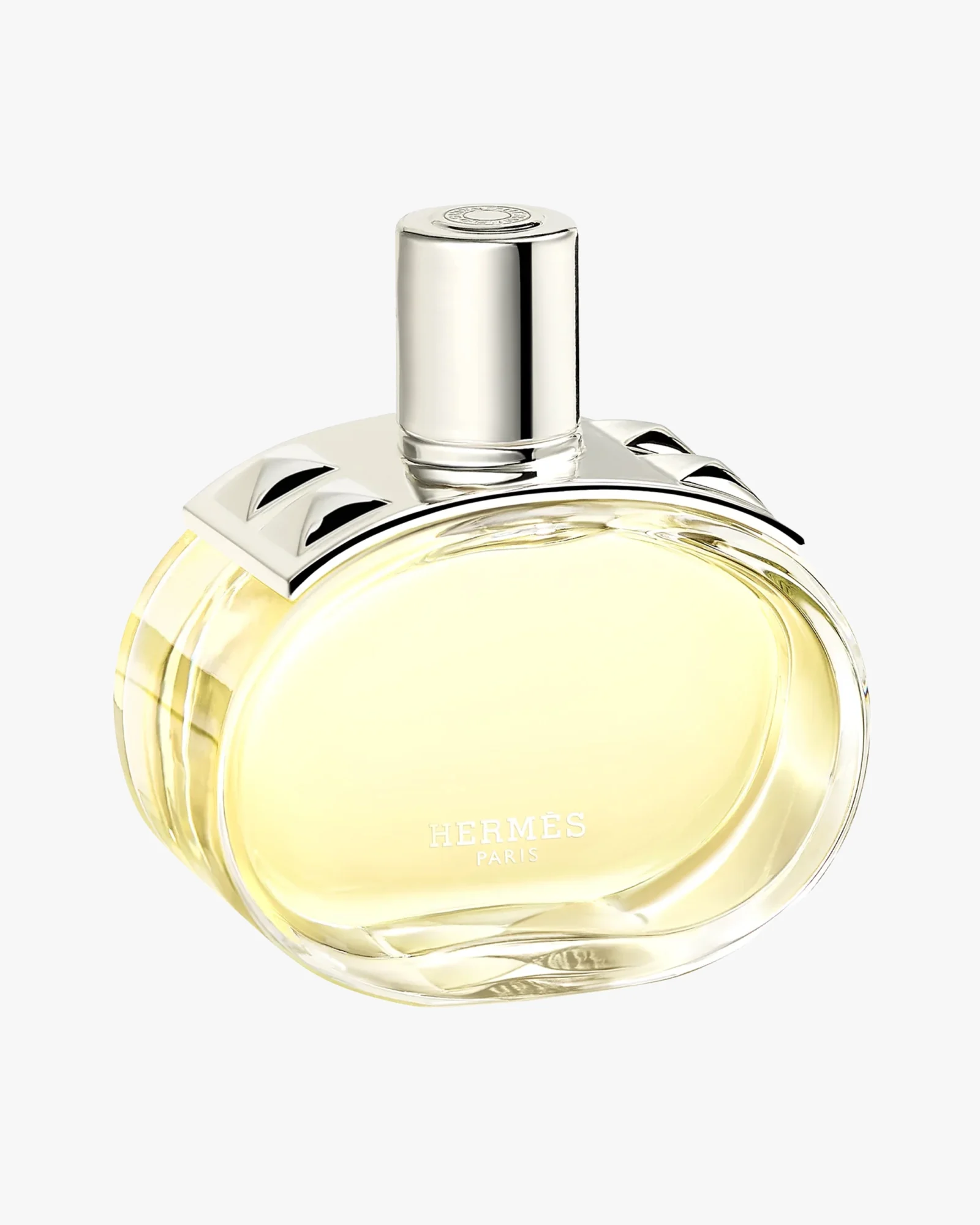
A fragrance 10 years in the making, Barénia is the fashion house’s first chypre scent. A passion project for in-house perfumer Christine Nagel, she aimed to create a chypre that maintained the classic note structure but pushed it to another level. The bergamot on top is a green bergamot, picked before it was able to ripen. The floral heart is a delicate butterfly lily native to Madagascar instead of rose or jasmine, while two different types of patchouli and a roasted oak wood round—which smells more like rum than like humid earth—round out the base. The pièce de résistance to this scent, however, is a tart-yet-sweet wild berry added to the top notes that makes this scent as rare, sensual, and special as the calf leather the fragrance is named after.
Narciso Rodriguez for Her
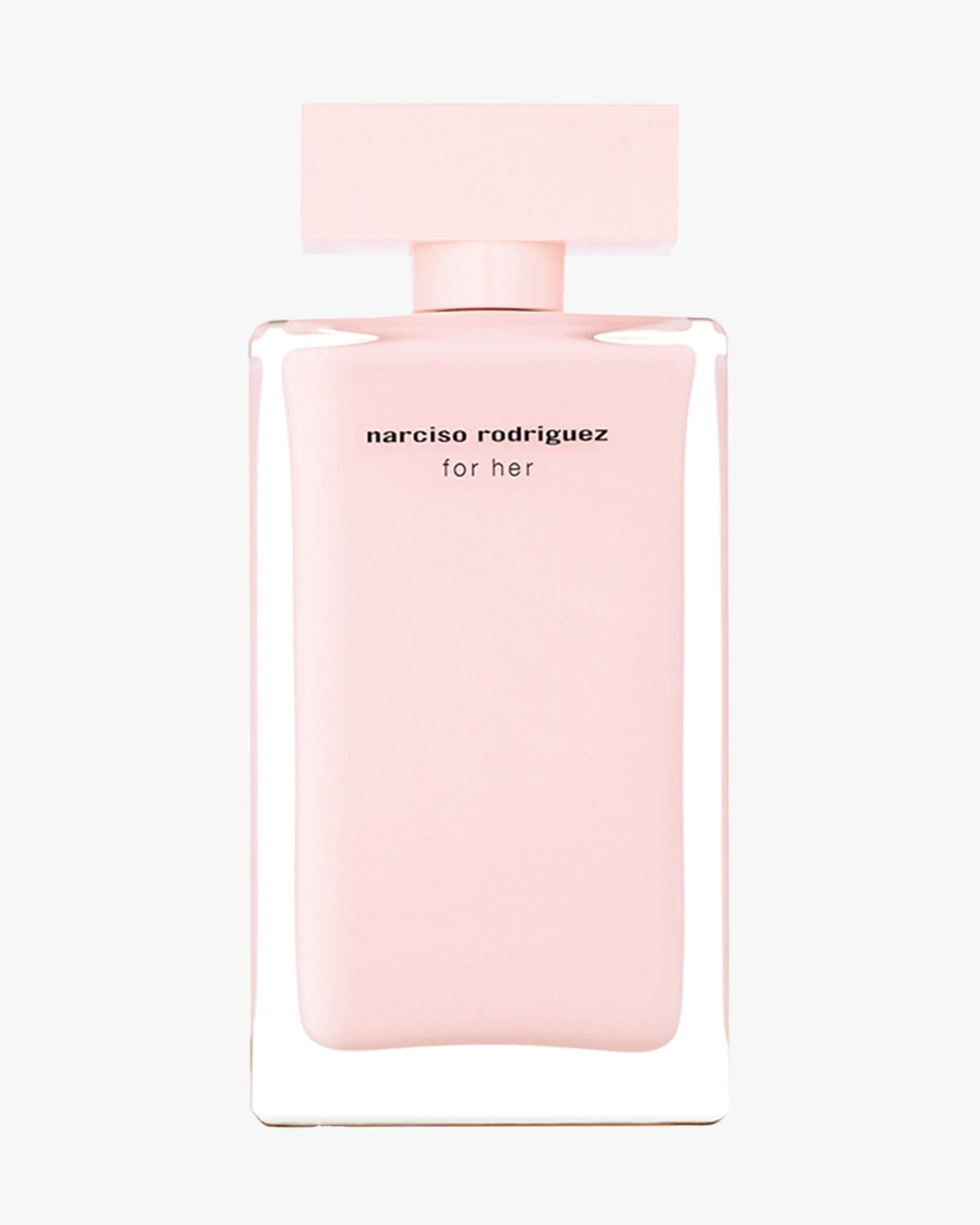
An iconic scent regardless of what fragrance family it falls under, Narciso Rodridgeuez for Her flips the chypre category on its head. “It brought a lot of modernity to the category,” says Baghriche. Using notes of peach, rose, amber, musk, patchouli, and sandalwood, you still get that tension between light and dark, fresh and woody, that characterizes a chypre. It’s just wrapped up in this beautiful creaminess that makes it so wearable, and so enduring decades after its initial launch.
Chanel Coco Mademoiselle
You won’t find any mention of “chypre” on Chanel’s website, but with bergamot, rose, jasmine, and a whole lot of patchouli, all of the experts we spoke to consider Coco Mademoiselle a chypre—and a key one at that. “When it launched [in 2008] it was so innovative,” says Hassan. “It’s probably our first true fruity chypre because it had a lot of fruit notes and a little bit of gourmand.” Vibrant, clean, and charming at first spritz, the warm, ambery base gives this fragrance a dark and elegant sophistication typical of a chypre.
Yves Saint Laurent Mon Paris
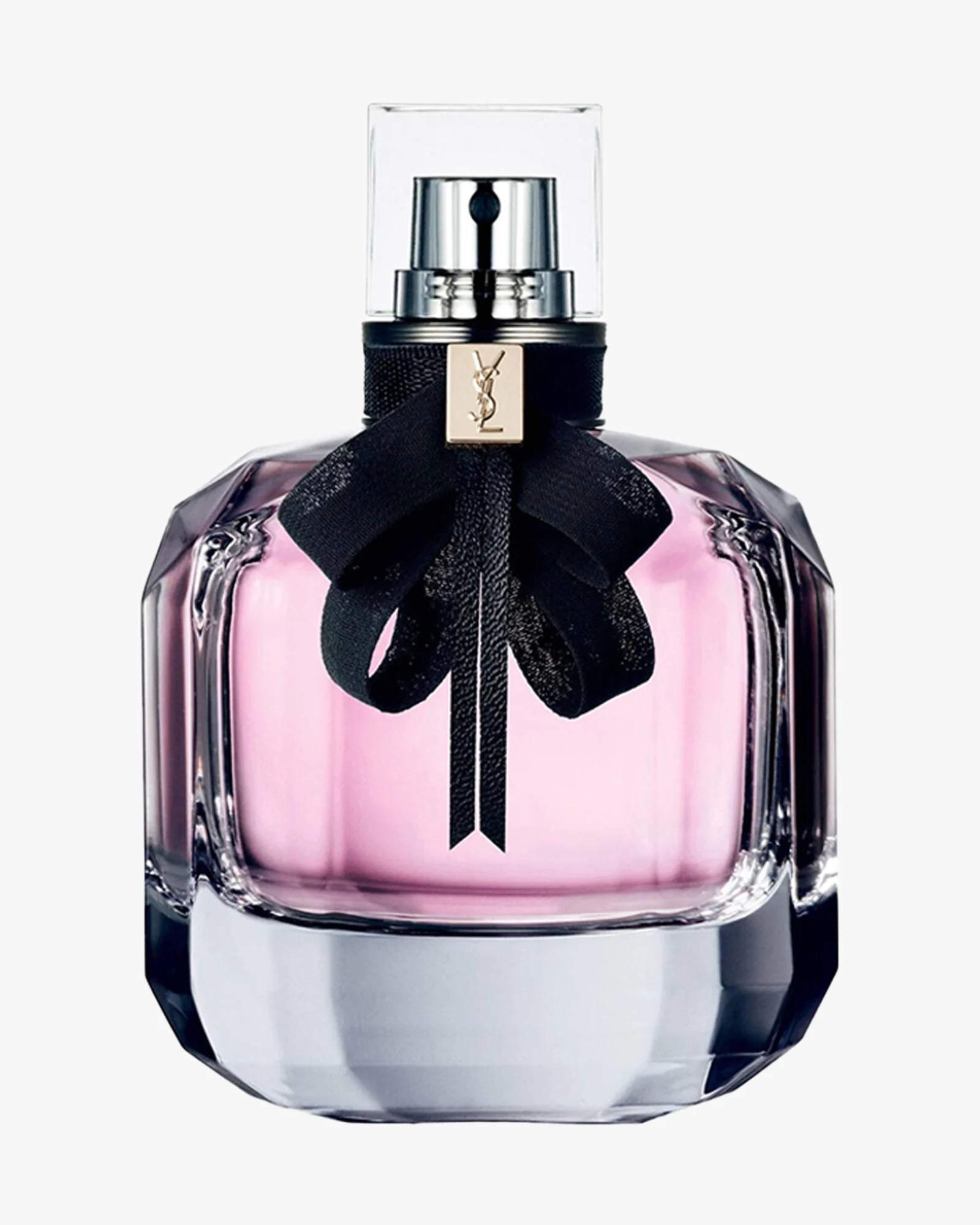
Baghriche was one of three perfumers who worked on this fruity-floral chypre, which combines the bergamot top and mossy-patchouli base of a chypre with a burst of sweet red berries, juicy pear, and soft white florals. Mon Paris perfectly represents the dual nature of a chypre, starting out bold, bright, and tart but with a dark, intoxicating dry down that lasts long after misting it on.
Etat Libre d’Orange Afternoon of a Faun
This spicy, leathery scent may have launched in 2012, but “it has a real, classic chypre structure,” says Gilbert. It includes all the necessary notes of oakmoss, bergamot, rose, jasmine, and benzoin, but adds a leather accord (quite common for chypres) and a heavy sprinkling of spices like cinnamon, frankincense, and myrrh (not so common in this category).
Chloé Nomade
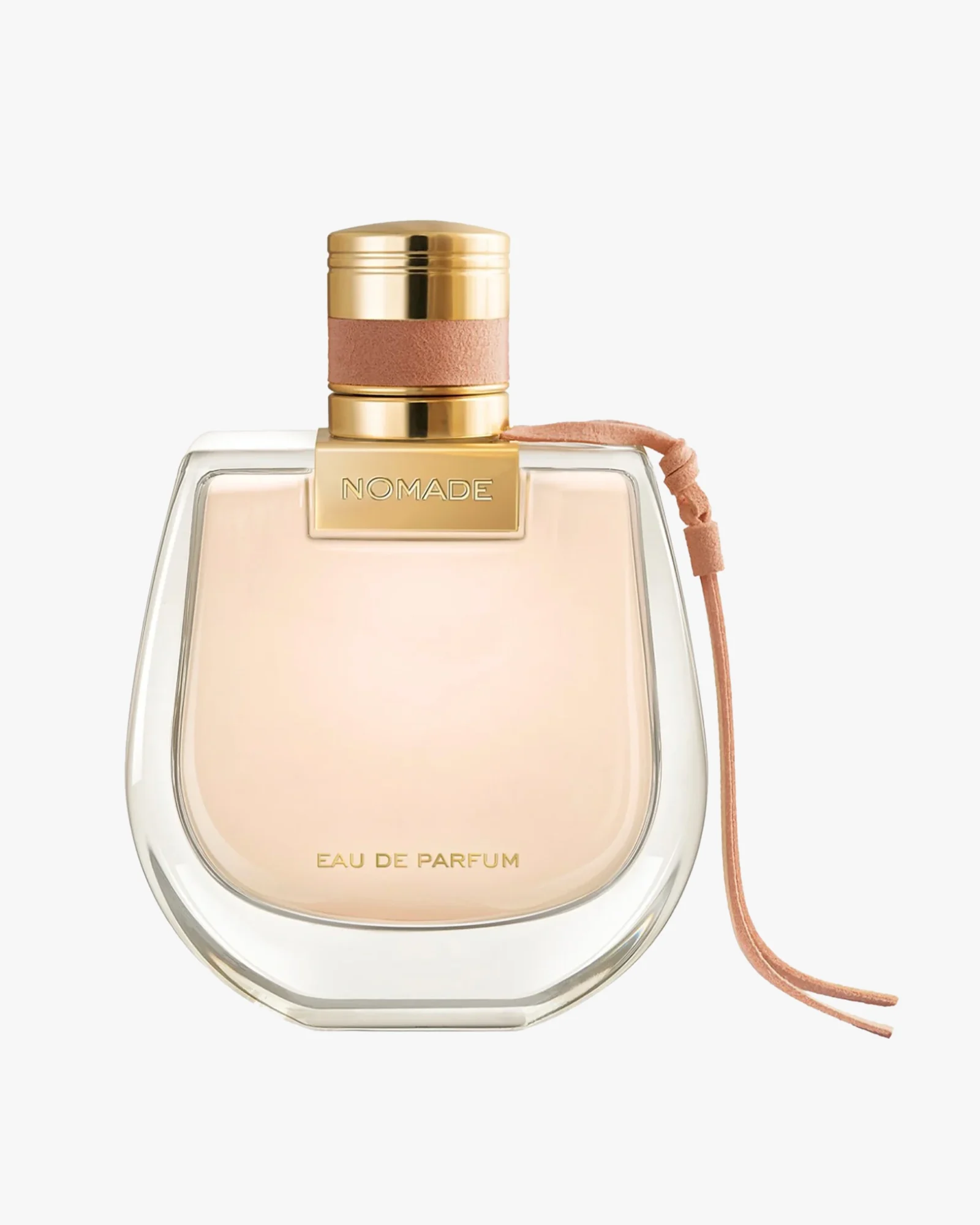
Nomade is Chloé’s take on a chypre that uses all of the classic ingredients but then amping up the citrus, throwing in some fruits (peach and plum), and bringing in some white flowers and musk. The result is a scent that manages to be not only pretty and floral but also earthy and inky at the same time.
Armani Sí
An example of a gourmand chypre, Armani Sí incorporates mouth-watering notes like mandarin, blackcurrant, and vanilla into the classic chypre accord. A former Allure Best of Beauty Winner, Sí has inspired many an entire range of perfumes, but it’s the original juicy chypre that continues to gain fans and garner five-star reviews nearly a decade since its debut.