Expert-Approved Dark Hair Colors That Elevate, Not Overhaul
From monochrome brunettes to peekaboo tones, these low-maintenance shades prove that subtle changes can make the strongest statement.


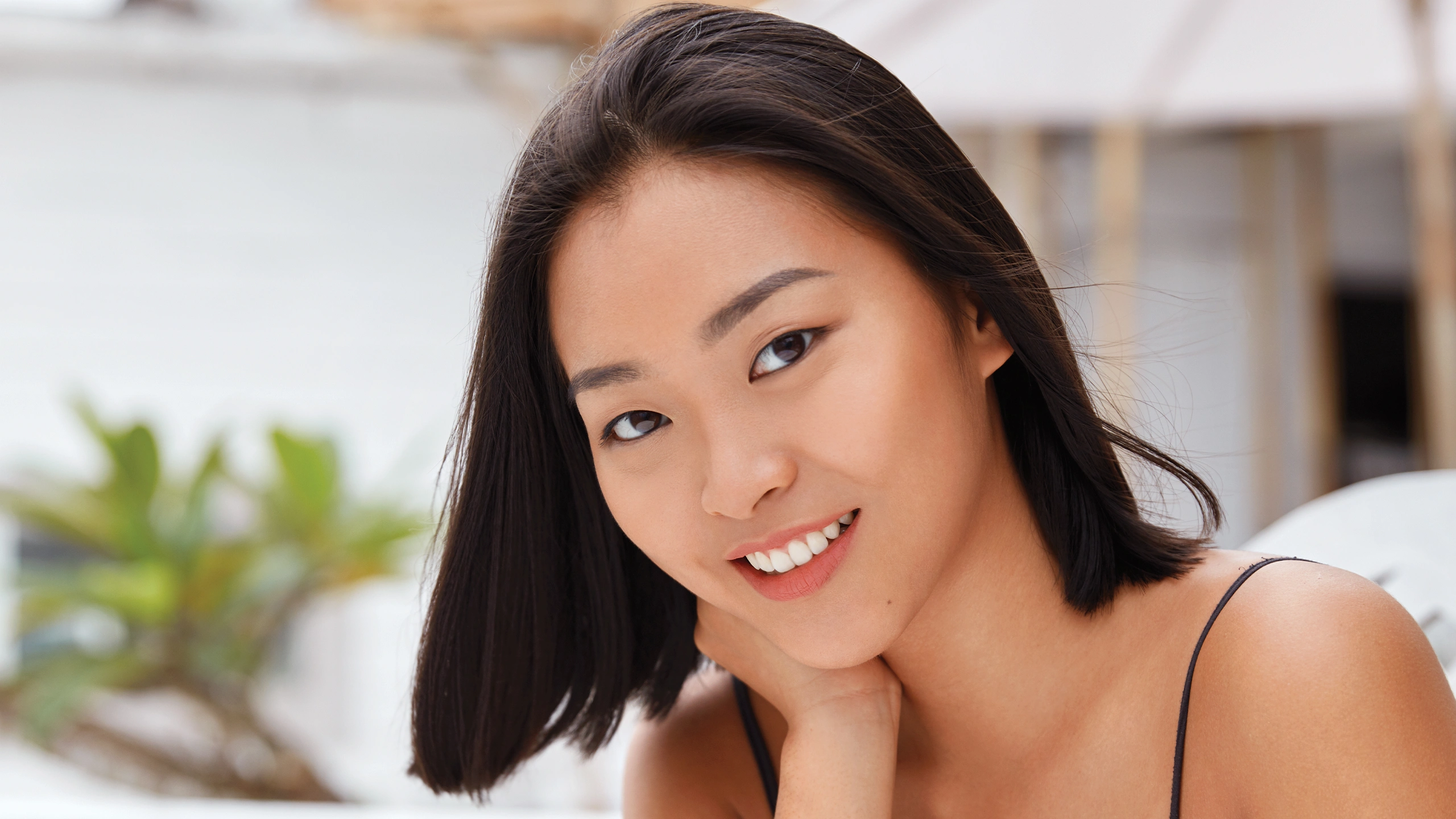
If you’re ready for a change in your look that’s not a complete 180, hair color is often the first thing we turn to when we’re in the mood for a refresh. But not all of us are ready to bleach our strands or commit to bold hues that require salon visits every three weeks. Sometimes, we’re just looking for a subtle transformation, the kind that makes people ask, “Did you do something different?” without you having to explain the whole story.
That’s where styling dark hair colors come in. They’re versatile and more importantly, low-maintenance for dark-haired Filipinas—especially when you have naturally dark virgin hair, or if you’re looking to cover gray areas.
Color melt, cellophane, or a no-bleach highlight can instantly elevate your style without pushing you too far outside your comfort zone. Plus, they’re more forgiving on regrowth, which means less stress and fewer touch-ups in your calendar.
Alex Carbonell, creative director at Bench Fix and Studio Fix by Alex Carbonell says, “There are still clients who prefer to color their hair naturally. Some like it subtle and less obvious. Some even request ‘natural [dyes]’ that really mean organic or plant-based.”
If you’re looking to switch things up without making a dramatic change, or if you’re planning to color your hair for the first time, here are some dark hair coloring techniques to try, according to Carbonell:
1. Monochrome
There’s something undeniably chic about getting your hair colored seamlessly, without seeing where one color ends and the other begins. “Monochrome [are] shades within one color scheme. If we choose brown, we can add three intensities—from dark to medium to light. Best for those who want a natural look,” Carbonell says.
Think of it as a polished yet classic look. If you have naturally dark hair, this technique blends seamlessly, making it easy to maintain.
2. No-bleach highlights
If your dark hair sometimes feels a little flat, a no-bleach highlight is the perfect way to add warmth and dimension. “We lift natural brown hair with high lift shades or specialized blondes to achieve up to about five levels,” he explains, “Highlights are woven finely for a very natural look.”
It’s a go-to if you want a “natural, but noticeable” shift, and Carbonell says that it’s one of his clients’ favorite introduction to hair coloring.
3. Peek-a-boo
Peek-a-boo is the sweet spot between light and dark. It basically combines two colors in one. It adds depth, and color in your hair, if you feel like you prefer a more dramatic look, but can still be hidden on some days. Carbonell says, “We add fewer lighter streaks underneath; the majority of the shafts remain tonal.” This shade is especially gorgeous if you want something that feels different without being loud.
4. Color melt
Black hair has a reputation for being dramatic, but black with brown tones make the look far more beginner-friendly. With a muted undertone that softens the intensity, it gives you the sleekness and elegance of black hair but with a more natural, everyday vibe from the brown tone.
5. Warm tones
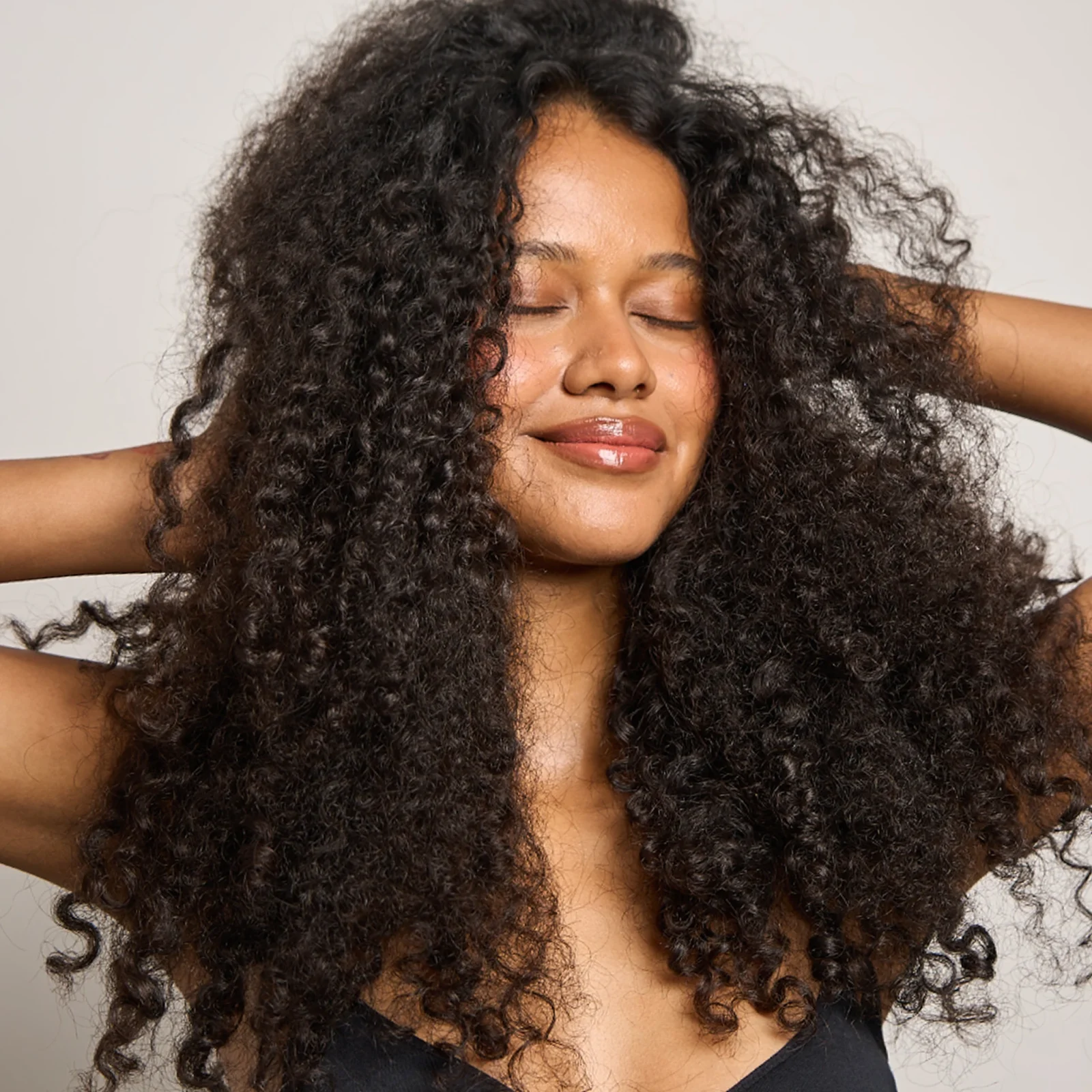
If you’ve been craving a splash of color without going too bold, adding warm tones to your hair is the perfect balance. With hints of gold and chocolate, it adds a subtle but striking dimension to your look. It’s the kind of shade that turns heads when the light hits, but it’s still grounded in the dark, wearable spectrum. It also looks stunning in curls or waves, where the undertones can really shine through. “These can add a true glow, especially in golden browns or chocolate tones,” he says.
Why dark shades are the best starting point
One of the best things about dark hair colors is how forgiving they are for many Filipinas who have naturally dark hair. Unlike lighter shades, darker tones grow out more seamlessly, especially if you’re someone who hates when roots start peeking through. They’re also less damaging to your strands since you won’t need heavy bleaching to achieve them. Beyond maintenance, there’s also the versatility factor. They can be dialed up or down depending on how you style them.
Understanding what’s in your hair color, as a first-timer
A skin test is a must, according to Carbonell.
When it comes to choosing a hair dye (especially for first-timers or those wanting a gentler approach), one of the most important factors to consider is whether the formula contains ammonia. It is commonly used in permanent hair dyes because it helps open up the hair cuticle, allowing color pigments to deeply penetrate the strands. This results in longer-lasting, more vibrant color. However, while effective, ammonia can sometimes cause irritation for sensitive scalps and has a strong chemical odor that some clients want to avoid.
Fortunately, today’s hair color technology offers ammonia-free options that are less harsh on the scalp. These alternatives use oil-based or plant-based delivery systems to deposit color without causing excessive damage or dryness. They’re ideal for clients with sensitive skin, those concerned about hair health, or anyone looking for a more natural-feeling coloring experience.
“Choices of hair color mainly revolve around ammonia: Almost all permanent color contain ammonia that swells the cuticle to allow color penetration,” Carbonell says, “There are options without ammonia, such as INOA by L’Oréal (oil delivery system, ammonia-free) and Zero Amm by Schwarzkopf (vegan plant-based, permanent color without ammonia).”
He also recommends doing a one-on-one talk with your stylist first to manage the expectations, and discuss the whole process.
What you should know before and after coloring your hair
Caring for your hair post-color is just as important as the coloring process itself. One of the best ways to keep your hair healthy after undergoing a haircolor appointment is through bond-repair treatments and aftercare products. They can either be done at home or during the process.
“An innovative way to protect hair during coloring is to add pre-treatment during and after the color service: We use products such as Olaplex, Absolut Repair Molecular by L’Oréal, Premiere by Kerastase, and Taoyaka by Goldwell,” he says.
Weekly hair and scalp treatments, nourishing masks, and stylist-prescribed home products all work together to protect and strengthen your strands are encouraged by hairstylists like Carbonell.
That said, changing your hair color doesn’t have to mean a full reinvention. Dark shades offer a subtle but stylish look. Whether you choose the warmth and richness of dark hair colors, or the vibrance and brightness of blonde it doesn’t really matter as long as you’re having fun with your beauty decisions. But if you’re looking to elevate your look without stepping too far from your comfort zone, dark hair colors are your best bet. You’ll get that refreshing change you’ve been craving—just enough to feel brand new, without losing the essence of you.