Is Overbrushing Your Hair Making It Weaker?
Dermatologists explain why too many strokes can do more harm than good—and how much brushing your hair really needs.


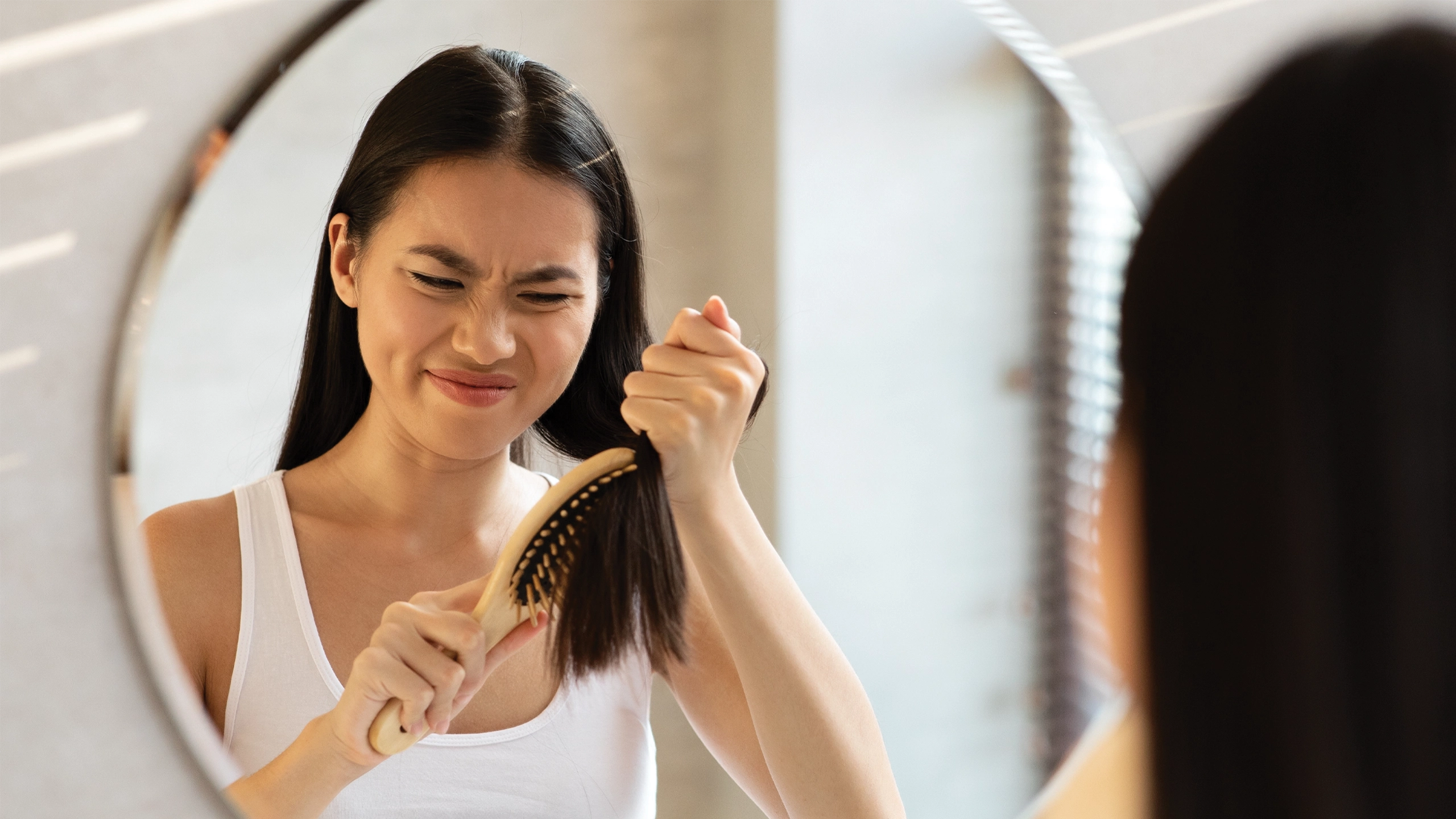
We’ve all probably watched or pictured this scenario in movies or in books before: a princess seated in front of her vanity mirror, brushing her hair before bedtime. It’s not unfamiliar, is it? After all, that image (or hair brushing in general) has long been tied to the idea of self-care. But it wasn’t just a symbol or a simple storybook detail. In the Victorian era, women were actually taught to brush their hair a hundred times every night because they believed it made their hair shiny.
But is this really necessary? Allure Philippines talked to three Filipino dermatologists and they all say your hair doesn’t need that much brushing. You might think, what harm could it do? But the truth is, like most things in life, too much of it can cause more damage than good.
What does hair brushing really do?
Brushing isn’t pointless. It plays a role in keeping your hair manageable. “Brushing is useful because it helps detangle, distributes scalp oils along the shaft, and removes shed hairs so they do not tangle,” says board-certified dermatologist Claudine Yap Silva, MD, associate professor at the UP College of Medicine and Head of the Hair Unit of Department of Dermatology at St. Luke’s Medical Center Bonifacio Global City.
It’s also more than just about detangling. “Brushing the hair helps in distributing your scalp’s natural oils through the hair,” says board-certified dermatologist Francesca Sy-Alvarado, fellow of the Philippine Dermatological Society, with a decade of experience in dermatology. She adds that these oils “provide [moisture to] the length of the hair shaft, making them more resilient.”
Beyond that, it increases blood circulation to the scalp and hair follicles, which supports hair growth, Dr. Sy-Alvarado explains. It even “exfoliates the scalp, removing dead skin cells, product residue, and flakes from dandruff.”
How often should you brush your hair?
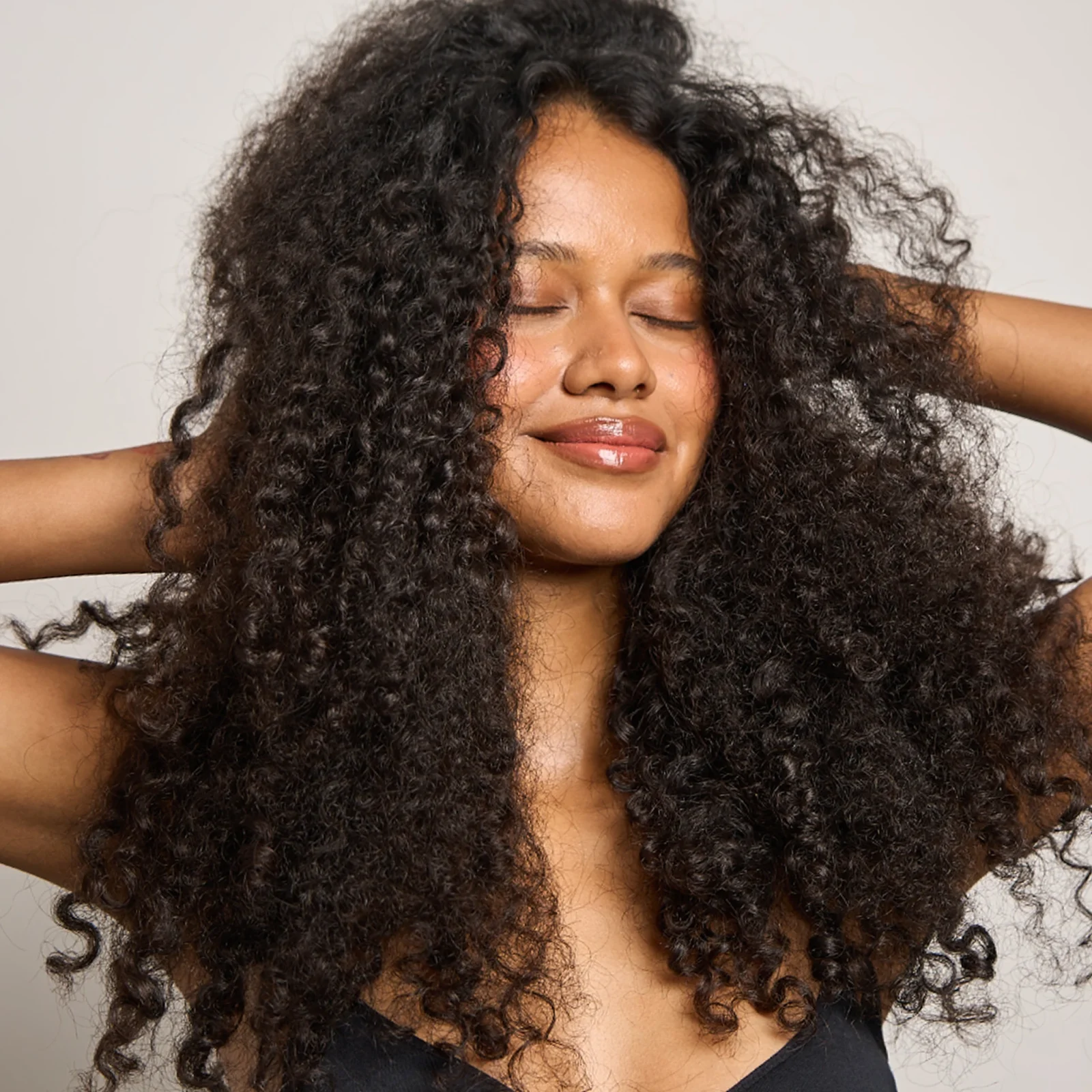
The right frequency depends largely on your hair type. Dr. Silva notes that straight or fine strands can handle daily brushing, while wavy hair may only need it a few times per week with the help of fingers or a wide-tooth comb in between. For curly hair, detangling is best left for wash days since curls are more fragile. “Hence less brushing should be done to prevent breakage,” she says.
Dr. Sy-Alvarado also stresses tailoring brushing habits to your scalp condition. For example, oily scalps may benefit from more frequent brushing to redistribute oils, while drier hair types should cut back to avoid stripping away what little moisture they have.
“The healthy frequency of brushing, in general, is once to twice daily,” she says. “Thick and curly hair could be brushed every few days as needed since frequent brushing could cause frizz or breakage,” she confirms, agreeing with Dr. Silva.
The risks of overbrushing hair
This is where the “princess treatment” backfires. “My concern with too many brushstrokes is that you might pull out some hair while you’re brushing it vigorously,” says Dr. Jasmin Jamora.
Over time, excessive brushing wears down the cuticle. the outer layer that protects the strand, leading to friction, split ends, and breakage. Dr. Silva warns. The scalp isn’t spared either. With vigorous brushing “scalp can also suffer, resulting in irritation and inflammation,” Dr. Silva adds.
Over time, this wear and tear can affect how your hair looks. “Most of the time, overbrushing can contribute to (mechanical) hair breakage,” says Dr. Silva. “Repeated force bends and cracks the outer cuticle of the hair shaft and may weaken the cortex. Hair strands snap more easily.”
Dr. Sy-Alvarado echoes this concern. “Overbrushing could weaken the cuticle of the hair, causing hair breakage and split ends,” she says.
According to Dr. Sy-Alvarado, overbrushing doesn’t permanently damage follicles, but it can make hair appear thinner by breaking shafts, stressing follicles, and causing micro-injuries on the scalp.
Who’s more vulnerable to damage?
Not all hair reacts the same way to brushing. Chemically treated, bleached, or colored hair already has a compromised cuticle and is more vulnerable to damage. Fine hair, Dr. Silva explains, breaks more easily when brushed with stiff bristles or heavy strokes.
Curls, with their natural bends, are also prone to snapping at stress points, Dr. Sy-Alvarado adds. “People with curly hair have hair shafts that have natural curves, at which the hair is more vulnerable to breakage,” she says.
And if you have scalp conditions like eczema, psoriasis, or seborrheic dermatitis, friction from brushing can make them worse. It can “irritate the scalp and trigger or worsen inflammatory conditions such as seborrheic dermatitis (dandruff) or scalp psoriasis,” Dr. Sy-Alvarado says.
How to make your hair shiny?
Sure, it’s a letdown to learn that the old “100 strokes a night” trick doesn’t deliver the gloss we’ve been promised. The truth is, shine has less to do with endless brushing and more to do with a consistent, healthy hair care routine. Shine isn’t about old-fashioned rules or endless strokes—it’s about knowing your hair, giving it the right care, and letting its natural beauty show.