How to Layer Makeup and Skin Care—and Avoid Product Pilling
Here are some quick and easy tips on how to avoid pilling, plus how to reapply sunscreen over makeup.


There’s nothing worse than product pilling. (Okay, fine, I can think of a few other worse things: missing the train by mere seconds, escargot, and… global warming, but I digress.) It’s messy and ruins what could have been a beautiful work of art (hi, me, my face!)—turning it into a clumpy, melty makeup mess.
Why your makeup looks clumpy
Pilling happens when the serums, moisturizers, and sunscreen (or really, any product) you just applied begin to clump and turn into teeny-tiny balls. It tends to happen when you don’t give your products enough time to dry before moving on to the next, dermatologist Shari Marchbein, MD, previously told Allure US.
The most obvious fix? Be patient.
“For skin preparation (cleansing, toning, and moisturizing), ensure that every product placed should be given time to set,” Mary Twinkle Bernardo, a Manila-based makeup artist who works with beauty pageant contestants, previously told Allure Philippines.
Dr. Marchbein agrees. “Typically, giving a bit of extra time—a minute or so—between layers will prevent [product pilling],” she said. After a few too many pilling incidents in years past, I now wait five to 10 minutes after applying my morning skin-care routine (to ensure everything has enough time to fully absorb) before moving on to my base makeup.
Go easy on the layers
We’ve heard the importance of skin prep (it really is important!), but Manila-based makeup artist and founder of Teviant Beauty Albert Kurniawan warns against overlayering multiple products before makeup, especially when you’re in a hot and humid country like the Philippines, where makeup has a tendency to melt easily. “Too much layering of products and too many chemicals, plus your skin’s natural pH and oil production, [can trigger reactions that actually reduce] your makeup’s longevity,” he explains.
Blot before makeup
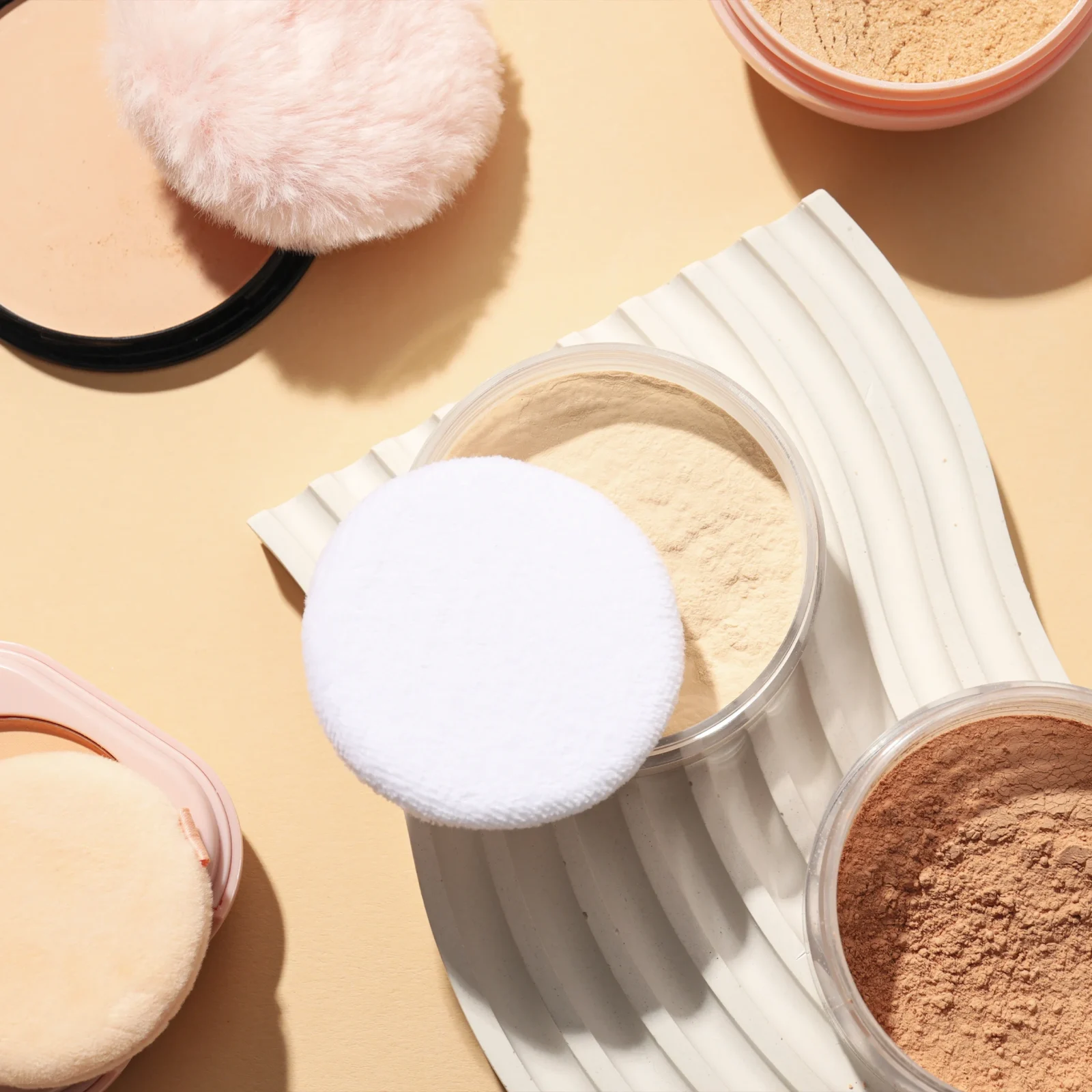
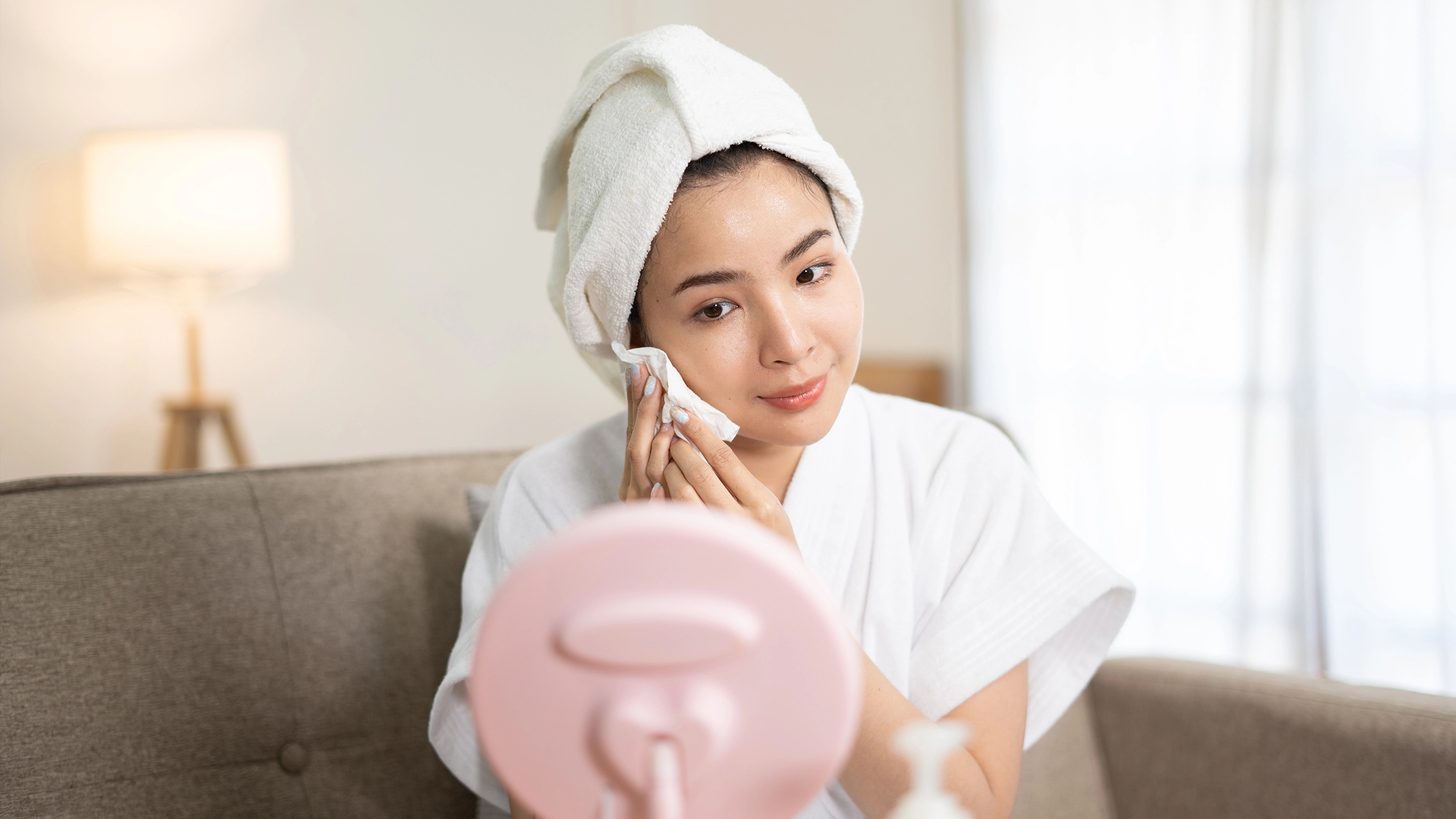
If you’re using moisturizer as a primer, Filipino celebrity makeup artist Jigs Mayuga suggests blotting off any excess before makeup application. How to do this? He recommends using a clean powder puff or tissue to gently press over the skin. This helps absorb leftover product, giving your face a more balanced finish and helping your foundation grip better—especially helpful for oil-prone skin.
What to do if you have a skin condition
I have rosacea, so before I start applying makeup, I usually give my skin time to calm down and lose its flush, which tends to appear in full force while I’m applying any product (even if I smooth it on gently). If you have a similar sensitive skin condition, I would recommend running your makeup collection by your dermatologist to make sure none of the active ingredients will aggravate your skin. You could also consider going the minimal makeup route: dewy skin, brushed brows, and a little color (lips and/or eyes—dealer’s choice).
How to reapply sunscreen without smudging your makeup
While I don’t reapply makeup throughout the day (when it’s gone, it’s gone is my motto), I do try to re-up my sunscreen application when I can. Obviously, I can’t remove a full face of makeup just to reapply it again immediately after (at my office desk, no less), but I can sneak in some extra protection in the form of setting sprays with SPF (more on those below) and mineral powder formulas that feel more like makeup than skin care.
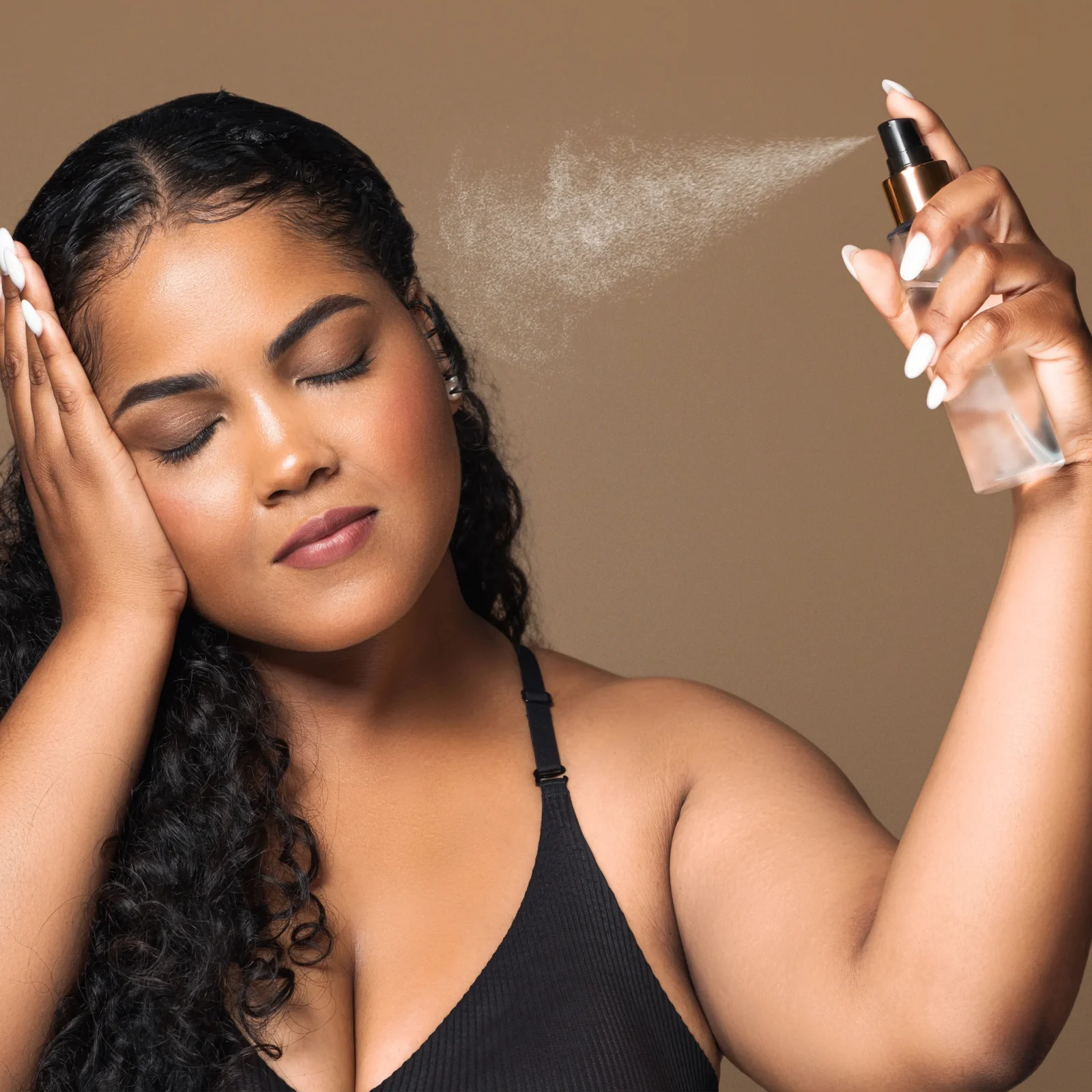
While sprays don’t offer enough sun protection, they do provide some, as long as you tap it into your skin post-mist. So if you want to keep your full beat intact, mist or dust your next round of SPF on and gently tap it in to avoid smudging, smearing, and, most importantly, pilling.
Reader question
First, does makeup, including eyeshadow and lip products, protect the skin even if they don’t contain SPF? Does foundation with SPF (at least 30) need to be reapplied every 80 minutes? If not, how often does a person reapply it? Is there any way to keep my face protected with just touch ups and not having to do almost a full face of makeup multiple times a day?
— asks Allure US reader Samantha Johnson
To answer the first one: no. Even though the makeup is physically covering the skin, it doesn’t necessarily provide protection against UV rays.
As for cosmetic products formulated with SPF, they certainly sound great in theory, but in practice, the concentration of the added sun protection is minimal and is typically overpowered by the actual pigments in the formula.
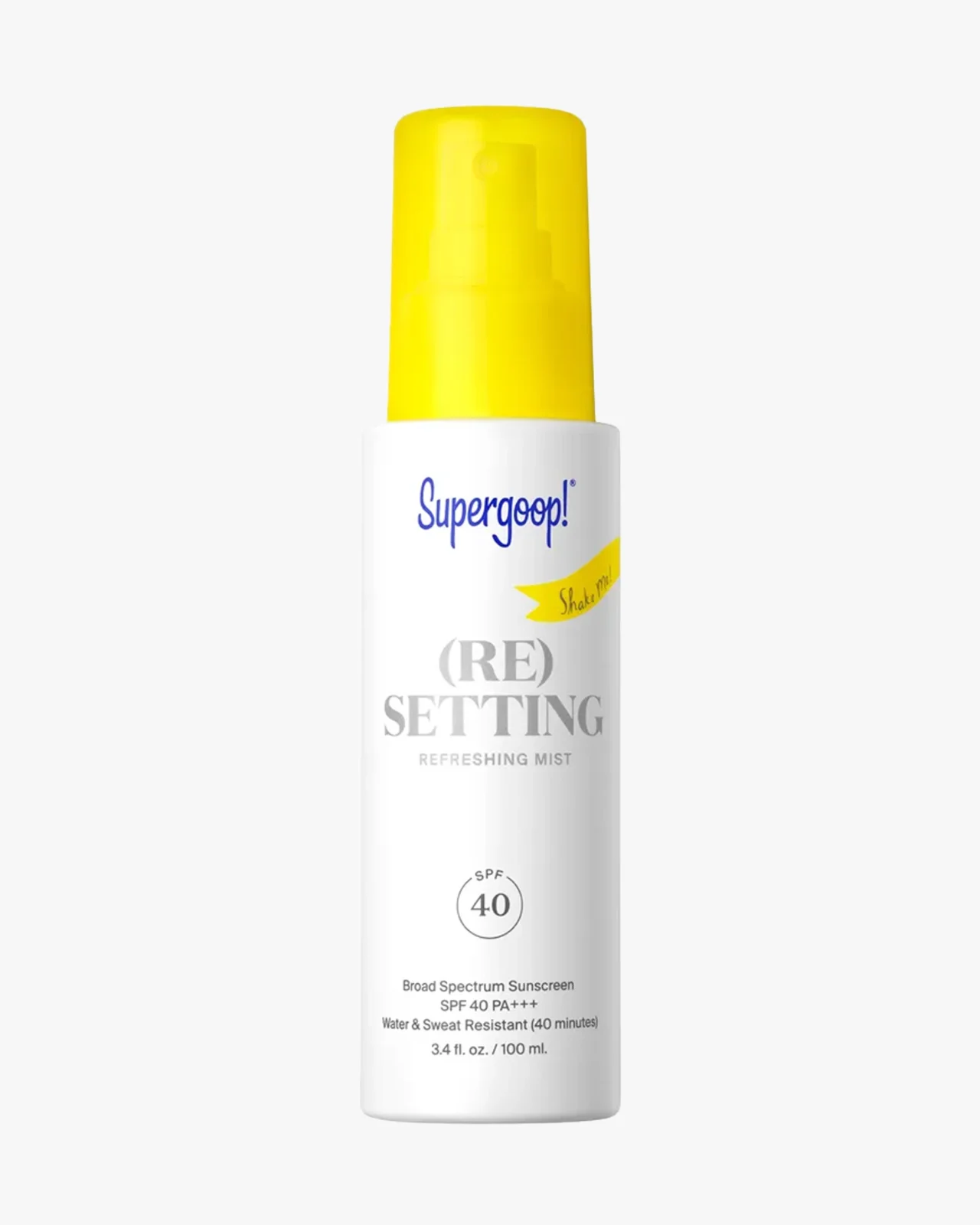
All this to say: Wear your sunscreen separately, wait a minute, then apply your makeup. Then, when it’s time to reapply, use a sunscreen setting spray, like the Supergoop (Re) Setting mists.
Layer smarter, not harder
Great makeup starts with great skin prep. However, layering makeup and skin care is not about slathering on every product in your stash. It’s also about strategy. Know what your skin really needs, give products time to absorb, and always consider your environment, especially in a climate as hot and humid as the Philippines (if you know, you know!).
The key is to keep things light, intentional, and skin-friendly. Because when your skin is happy, your makeup follows suit.