The Beautiful After
It’s not to erase the past, but to rewrite its meaning—this scar-focused project redefines what it means to heal.


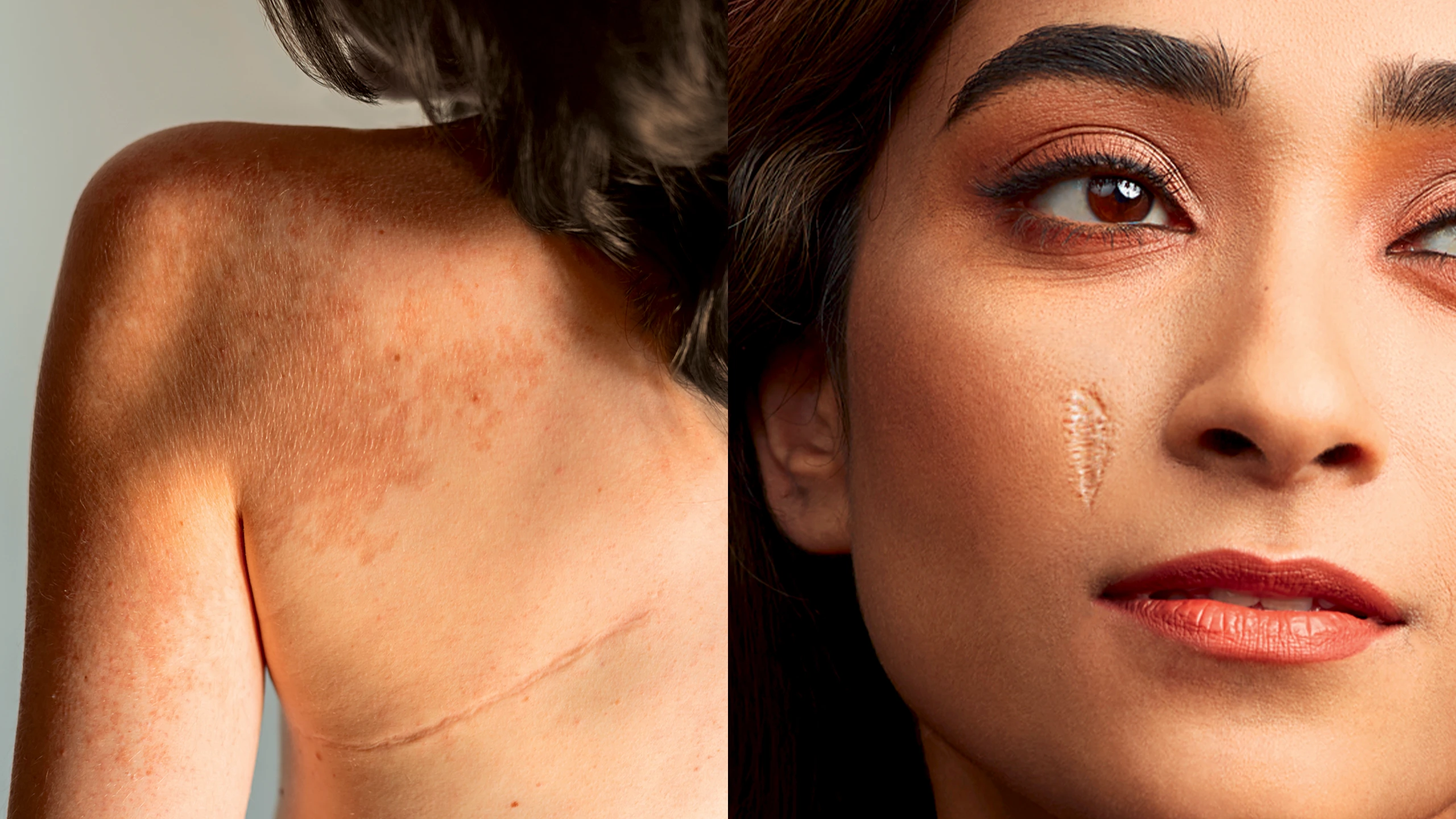
Scars don’t just live on skin—they live in memory. They tell stories of pain, of survival, and of the quiet strength it takes to begin again.
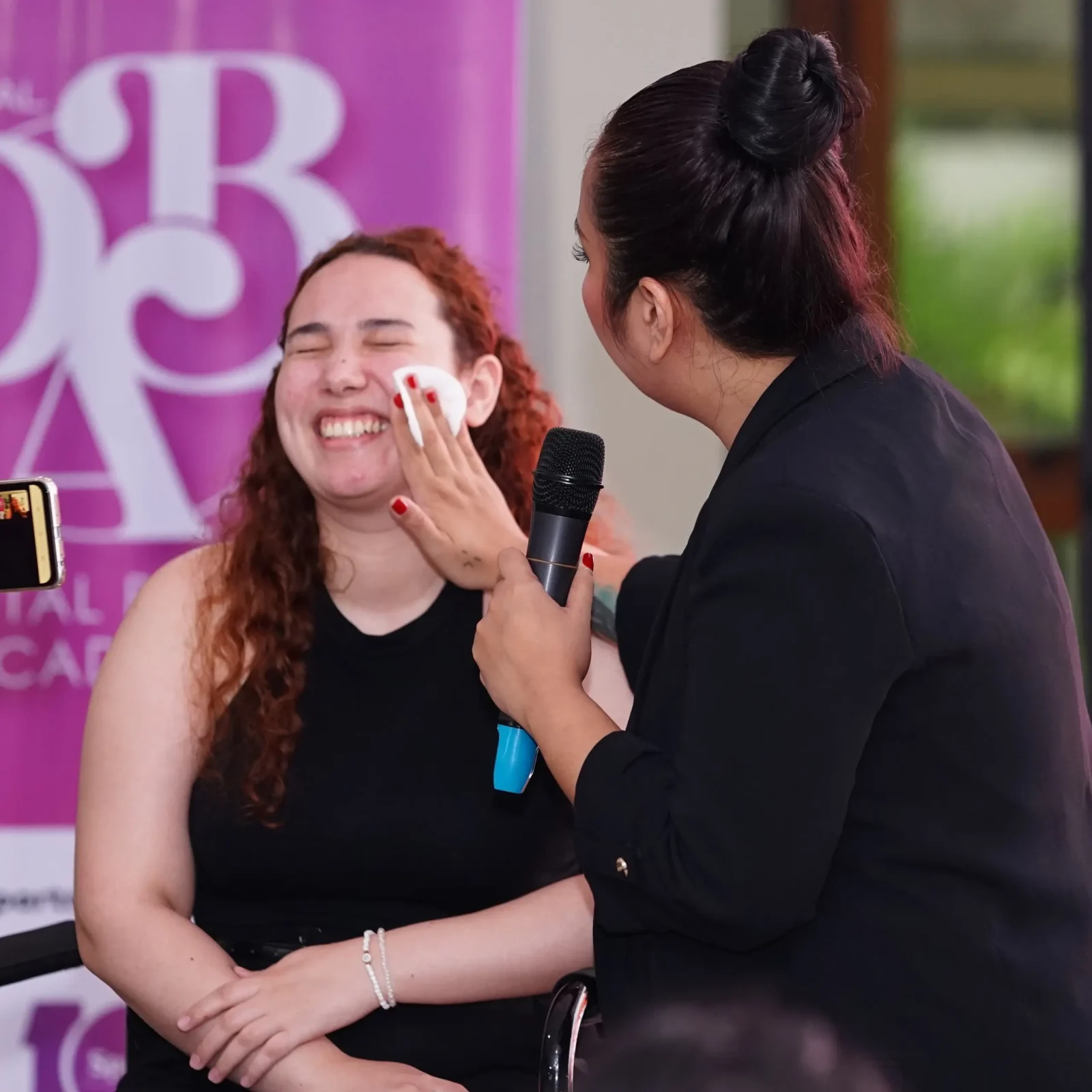
Through the Belo Scar Project, the Belo Medical Group redefines healing as more than recovery—it’s reclamation. What began as a medical initiative has grown into a movement of empathy, bringing together doctors, survivors, and storytellers to prove that beauty can emerge from even the deepest wounds.
Open to all, the Belo Scar Project offers free treatment and therapy for individuals whose scars carry profound stories—whether from trauma, abuse, accidents, or medical challenges. Applications and nominations can be submitted through beloscarproject.com, with priority given to those whose journeys reflect courage and resilience.
More than a medical endeavor, the Belo Scar Project is a bold reminder that beauty isn’t just about transformation—it’s about becoming whole again.
Healing beyond skin
Behind the movement are doctors who see scars not merely as medical conditions but as living symbols of resilience. It’s about restoring confidence, dignity, and the sense of self that trauma can so easily take away.
Allure Philippines sat down with three of the experts in this mission: craniofacial surgeon Dax Carlo Pascasio, MD, FPAPRAS, plastic and reconstructive surgeon Jun Caparas, MD FPCS, FPAPRAS, and facial plastic surgeon Josephine Grace R. Tan, MD, ENT. Each one brings not only skill, but heart, to the journey of helping their patients heal, inside and out.
For Dr. Pascasio, the campaign was born out of a desire to change how people see scars and those who carry them.
“We’re hoping that people see through people and not just for their scars,” he shares, “We want them to hear these stories and understand the emotional trauma that comes with them.”
The ultimate goal is not to erase the past, but to rewrite its meaning.
“Just because [you] have these scars doesn’t mean you have to live with them forever,” adds Dr. Pascasio, “There are things that we can do and people who are willing to help to at least improve the appearance of these scars and rewrite the stories behind them.”
“Because at the end of the day, it is the patient that has to take a look at it every day. And only the patient knows or feels the emotions that that scar triggers,” he says.
Science and sensitivity
Every scar is different. Its texture, depth, and history are unique, and deeply personal. And so must be the approach to treating it. The campaign embraces a holistic approach of care that bridges the physical, emotional, and psychological aspects of recovery.
Dr. Caparas highlights how scars, particularly those tied to emotional trauma, can deeply affect mental health.
“Scars that carry emotional or traumatic weight have a great impact on the mental health of a person,” he says. “The problem of treating a scar secondary to trauma or violence is the psychological component which would need to be [addressed].”
The program, therefore, integrates multidisciplinary care. Treatments vary from non-invasive laser and machine-based procedures to surgical reconstruction when needed. But the process doesn’t stop there. Each patient also receives access to psychological support, ensuring that emotional healing progresses alongside physical recovery.
Dr. Tan elaborates, “The Scar Project offers the best possible treatment varying from non-invasive modality using advanced machines and lasers, and a psychological support to address the emotional aspect that the physical scars brought to the patient.”
“It’s only a good result if a patient is happy, regardless of how perfect you think your work is,” says Dr. Pascasio. “The best measure of success is how quickly patients can erase the negative stigma attached to their scars.”
For many, this dual focus becomes life-changing. What begins as an effort to smooth a scarred surface becomes a deeper journey toward reclaiming confidence, and peace.
Beyond beauty
While the physical transformations are remarkable, what truly sets the Belo Scar Project apart is its philosophy: that healing is an act of empowerment.
For Dr. Tan, compassion is her compass. When asked how she approaches scars rooted in trauma or violence, she says, “As a Belo surgeon, I do my best in everything that I do. But when a scar comes with a deeper back story, I give extra care to make sure the patient will feel safe.”
“No matter how you got the scar,” she says, “it’s your responsibility to address it, to move on from what caused it. We are here to help.”
It’s a reminder that seeking help is not weakness, but a declaration of strength. Through this initiative, Belo Medical Group aims to redefine how society views scars and to encourage open conversations about trauma and healing.
“A common misconception would be that a scar can become 100 percent invisible. With all the treatment modalities available, a scar can become inconspicuous. But a realistic expectation should be set especially for severe and large scars,” Dr. Tan says.
Setting expectations is not a limitation. It’s part of empowerment. It means helping patients understand that healing doesn’t mean erasing the past, but reclaiming it.
Because for the seven individuals who bravely stepped forward, this project is not just a medical experience. It’s a rewriting of their own narratives. Their scars once told stories of pain. Now, through compassion and care, they are transforming into stories of triumph.
Healing, redefined
The program is not just about aesthetics, it’s about humanity. It challenges a culture obsessed with perfection and invites us to see beauty in the journey of recovery, in the courage to heal, and in the quiet resilience of those who choose to face their scars head-on.
Every stitch, every laser pulse, every comforting word from a doctor contributes to a larger mission: to restore not just skin, but selfhood.
“I was just amazed with the strength of these patients,” Dr. Pascasio reflects, “You would expect these patients to be very [shy], but they had a very good disposition. I can just imagine what more if we can fix this? This would be something that’s really amazing.”
Through this movement, Belo Medical Group also aims to inspire a broader social awareness, that beauty is deeply personal, and healing is a collective responsibility. By giving these individuals a platform, the project sheds light on a truth often overlooked: that scars, when met with empathy and care, can become symbols of victory rather than reminders of suffering.
In the end, The Belo Scar Project is not about erasing what once was. It’s about helping people see themselves anew: without judgment, without pain, and without fear.
“Muster the courage to want to rewrite the story behind that scar. Because sometimes there’s a need to change something before it triggers a change in themselves,” Dr. Pascasio says.
Scars will always tell stories, but through the help of these doctors, they tell new ones—stories of grace, of healing, and of the extraordinary human capacity to begin again. Because healing, as they remind us, is not just about making someone look whole. It’s about helping them feel whole.