Is TikTok Inventing Insecurities or Is it Just Exposing Mine?
Apparently, “lipstick on a pig” is the perfect phrase to describe that one insecurity I’ve had for years.


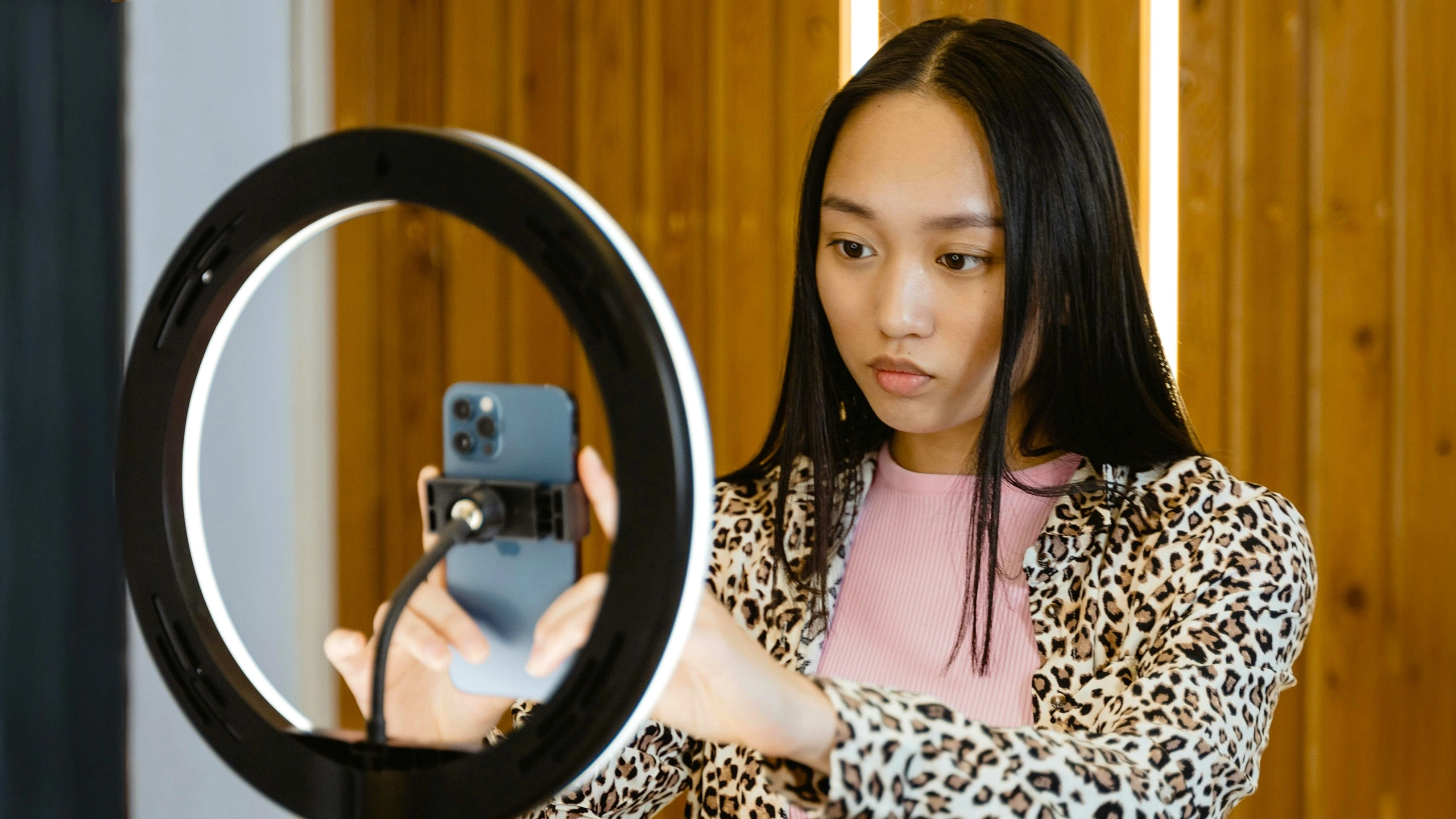
It’s easy to scroll through TikTok and stumble upon something that resonates so deeply it feels like it was crafted for you. That’s exactly what happened to me last week when I came across the phrase “lipstick on a pig.” A few more scrolls and searches later, I was able to fully grasp its meaning. If you’ve been on BeautyTok lately, chances are you’ve encountered this idiom. For those who haven’t, here’s a quick rundown: “lipstick on a pig” is often used to express the frustration of applying makeup only to still feel unattractive. It’s a self-deprecating comment reflecting dissatisfaction despite efforts to enhance one’s appearance.
Interestingly, “lipstick on a pig” didn’t even start as a beauty reference. Its origins trace back to a 1985 Washington Post article, where a radio host criticized plans to renovate Candlestick Park instead of building a new stadium for the San Francisco Giants. He quipped, “That would be like putting lipstick on a pig,” highlighting the futility of dressing up a deeper problem with a surface-level fix.
On TikTok, though, the phrase has taken on a more personal meaning. Did I relate to it? Absolutely. Would I have preferred not to see it? Probably. My initial reaction was to blame the platform. Great! Another new insecurity unlocked, I thought. But then I wondered: Is TikTok actually creating new insecurities, or is it just exposing the beauty standards we’ve been battling all along?
The phrase struck a nerve I wasn’t ready to confront. It unearthed a familiar insecurity. That sinking feeling when I spend half an hour perfecting my makeup, only to catch my reflection and think, That’s it? Or when I finally step out, feeling okay, and then I see a girl who looks effortlessly gorgeous without even trying. It stung because it wasn’t new. TikTok didn’t create this insecurity, it just gave a name to a feeling I’d had for years.
And I’m not alone…
How do I know it’s not just me? Allure Philippines spoke with two makeup-loving Gen Zs who are active in the BeautyTok community. For Kennilene Bondoc, a 25-year-old psychology graduate and HR specialist, encountering the trend felt painfully relatable. The phrase mirrored her feelings when, after nearly an hour perfecting her soft glam look, she’d still see imperfections staring back at her in the mirror. “Makeup makes me feel good and pretty, but sometimes, even after doing my makeup well, I still see scars and uneven skin tone,” she shares.
Bondoc’s love for makeup is undeniable. She has mastered various makeup styles, from Korean beauty to Douyin makeup. “Makeup allows for creativity and helps me express different aspects of my personality,” she says. Yet, her complex relationship with her body is something makeup can’t entirely fix. “I think many girls understand those days when you feel like crap despite wearing makeup,” she confesses. This vulnerability makes her approach to makeup meticulous, almost perfectionist. “If my base isn’t right, everything else falls apart. [With my skin type], I avoid applying makeup in cold places because my base won’t look flawless,” she explains.
Nicole Bucud, a 24-year-old dentistry student who identifies as queer, can relate to that feeling. But in a slightly different way. For him, makeup can be hit or miss. “Some days, it feels like it just doesn’t work on me,” he says. Makeup for him is more about necessity than empowerment. “It’s supposed to boost confidence, but I use it to look at least decent,” he admits. As a queer individual, he uses makeup to appear more feminine but often feels he doesn’t quite fit in. “When I wear makeup, it’s a balancing act. If I wear too much, I feel like a clown. If I wear too little, I feel dull,” he shares. And the self-criticism doesn’t stop there. “I feel like Mrs. Potato Head sometimes,” he laughs.
Is TikTok the problem?
The truth is, the pressure to look perfect isn’t new. TikTok didn’t create these insecurities—it’s just the latest platform amplifying them.
MindNation licensed psychologist and psychometrician Lucille Foja, RPsy, who holds a Master’s degree in psychology with a specialization in counseling from Adventist University of the Philippines, explains that the pressure to conform to unrealistic beauty standards stems from long-standing Eurocentric ideals. “In cultures where natural beauty is valued more or where unrealistic beauty ideals—such as flawless skin or perfect symmetry—are promoted, makeup may feel like a temporary fix rather than a true transformation,” she says.
Social media only makes it worse. Filtered, edited images create a beauty ideal that’s impossible to meet. “This constant comparison can make even well-applied makeup feel like it falls short,” Foja explains.
Bondoc feels this deeply. “A brief 15 to 60 second video can alter one’s perspective,” she reflects. In today’s world, where social media often sets the bar for beauty standards, we’re all so prone to feeling inadequate when we don’t measure up. But maybe the most important validation comes from within. If certain phrases or trends on TikTok trigger insecurities, it’s worth asking: Is this shaping how I see myself? And more importantly: Should it?
Confronting these feelings is not as simple as it seems. Often, insecurities don’t just magically develop overnight, nor are they solely formed by watching one fleeting video. They are, most of the time, the result of a lifetime of accumulated criticisms, whether from others or ourselves, coupled with constant comparisons to an idealized image of beauty. It’s a journey shaped by years of self-doubt, and it’s not always easy to break free from those deep-seated beliefs.
Bondoc admits she still battles these feelings. “I personally believe that I still have a long way to go in overcoming my self-doubt and feelings of inadequacy,” she says. The first step she took, she explains, was to acknowledge her insecurities and seek professional help. “I have now come to the realization that I will never fit the ‘Eurocentric’ beauty standard, and I need to stop comparing myself to individuals who conform to this ideal.”
Bucud echoes that struggle. “It’s hard not to feel insecure, especially when I see other girls looking amazing in makeup,” he shares. However, he finds comfort in “knowing that this phase of self-doubt won’t last forever.“
Redefining beauty on your own terms
Foja suggests that overcoming these feelings isn’t about loving how you look every day—it’s about practicing self-compassion and body neutrality. “Instead of forcing yourself to feel beautiful, try accepting your body as it is,” she says. “You don’t have to love your appearance all the time, but you can still respect and accept your body.”
Perhaps that’s the kindest thing we can do for ourselves: to simply let ourselves be. Wear makeup because it makes you feel good, not because it’s required to meet an ideal. Live beyond the rigid beauty standards. Let yourself exist—let her or him be. After all, makeup is meant to enhance and elevate confidence, not to breed more insecurities.
It’s time to stop the constant self-criticism tied to beauty culture. It can take a toll on mental health more than you can realize, according to Foja. “Negative self-talk and phrases like ‘lipstick on a pig’ can deeply impact self-worth by reinforcing harmful beliefs about oneself,” she explains. Over time, this can lead to low self-esteem, self-doubt, and even depression or anxiety.
I’m not going to lie. Some days, I still feel like a pig putting on lipstick. But now, I stop myself and ask: Who decided pigs weren’t beautiful in the first place? When I catch myself spiraling after seeing a TikTok trend or comparing myself to someone else’s flawless selfie, I remind myself that I have the power to define beauty. Pigs aren’t inherently ugly to begin with. And who decides if pigs are beautiful or not? No one but me.