7 Dermatologist-Approved Ingredients for Acne-Prone Skin
Here’s an expert-led guide to finding the right products for acne-prone skin.


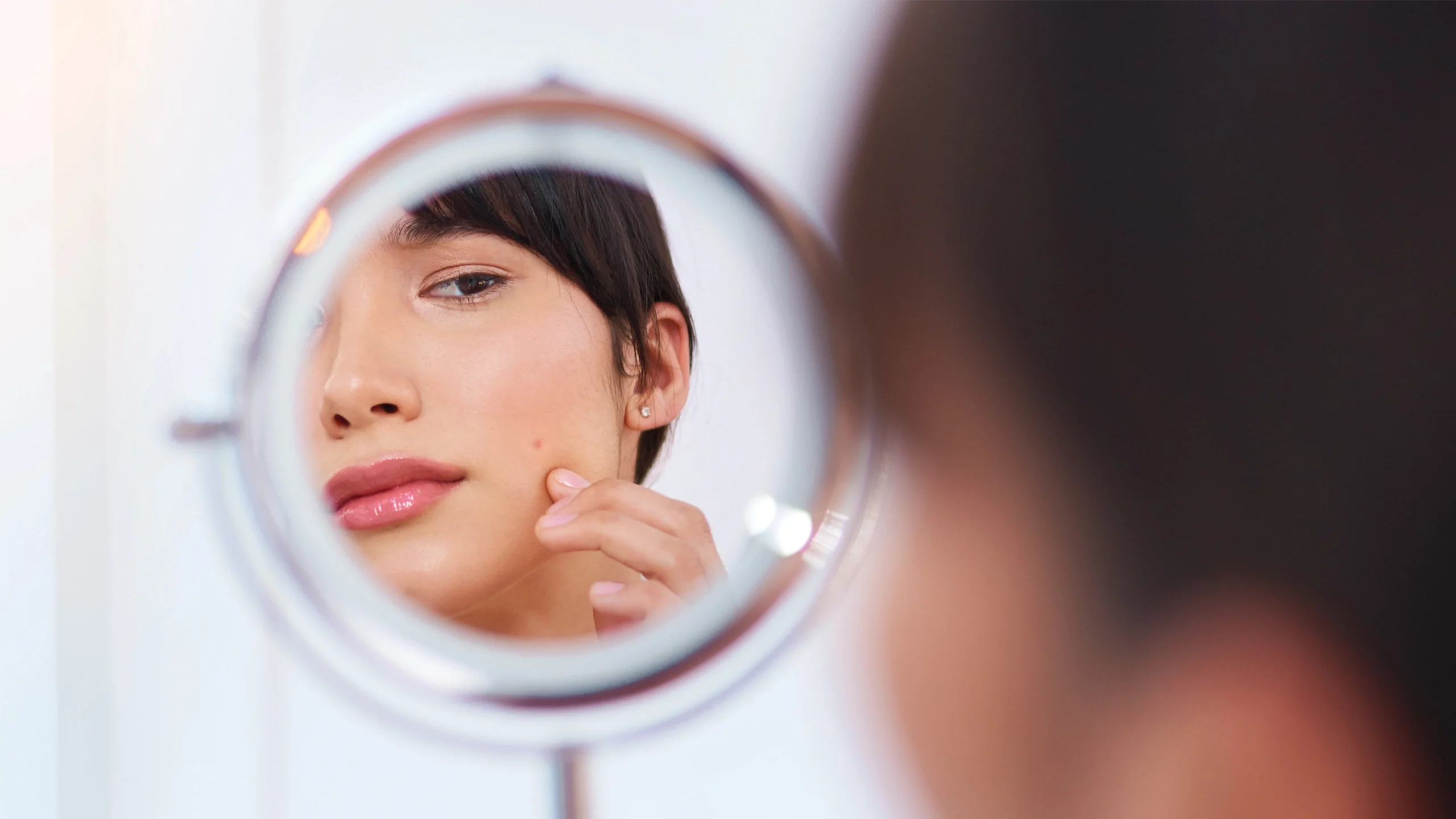
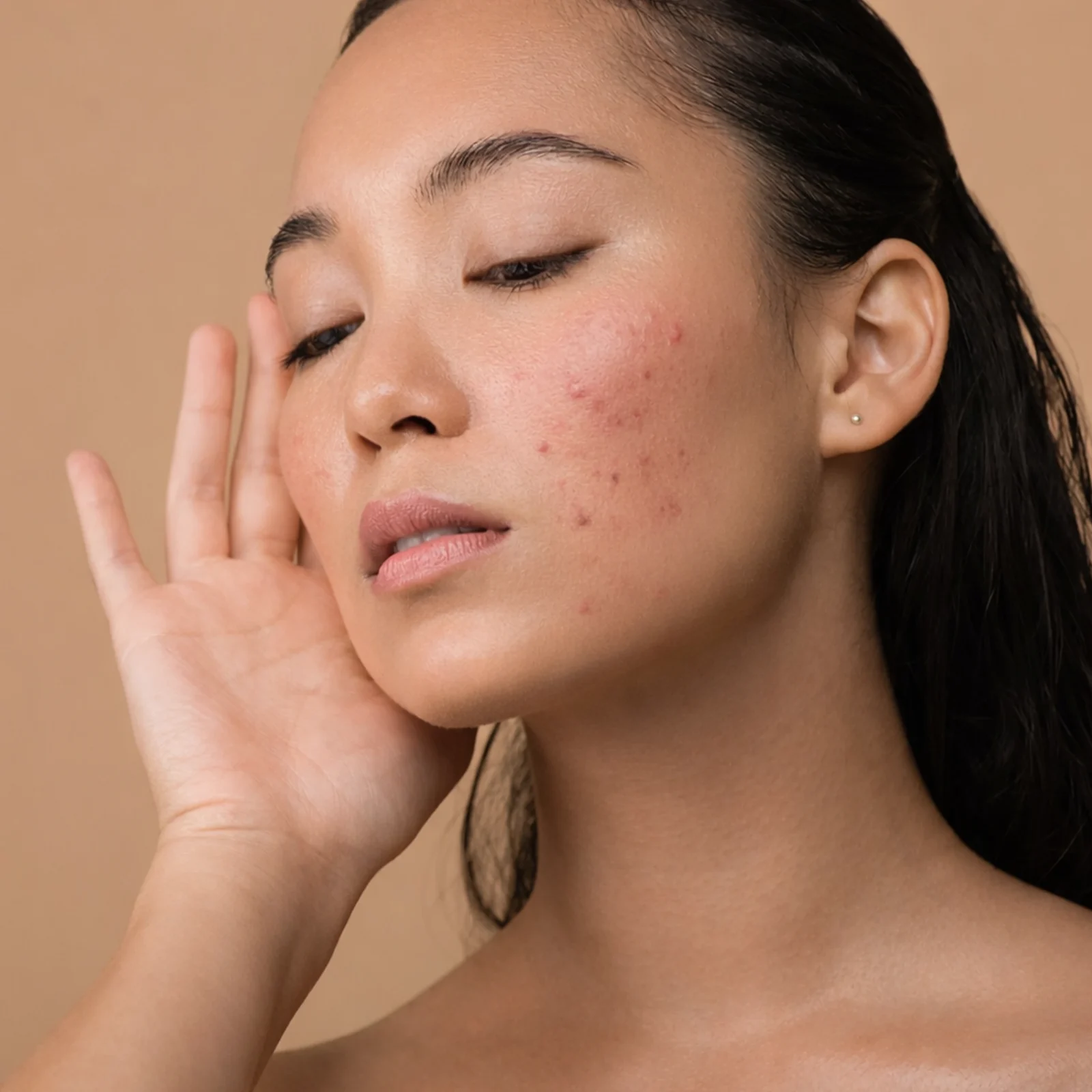
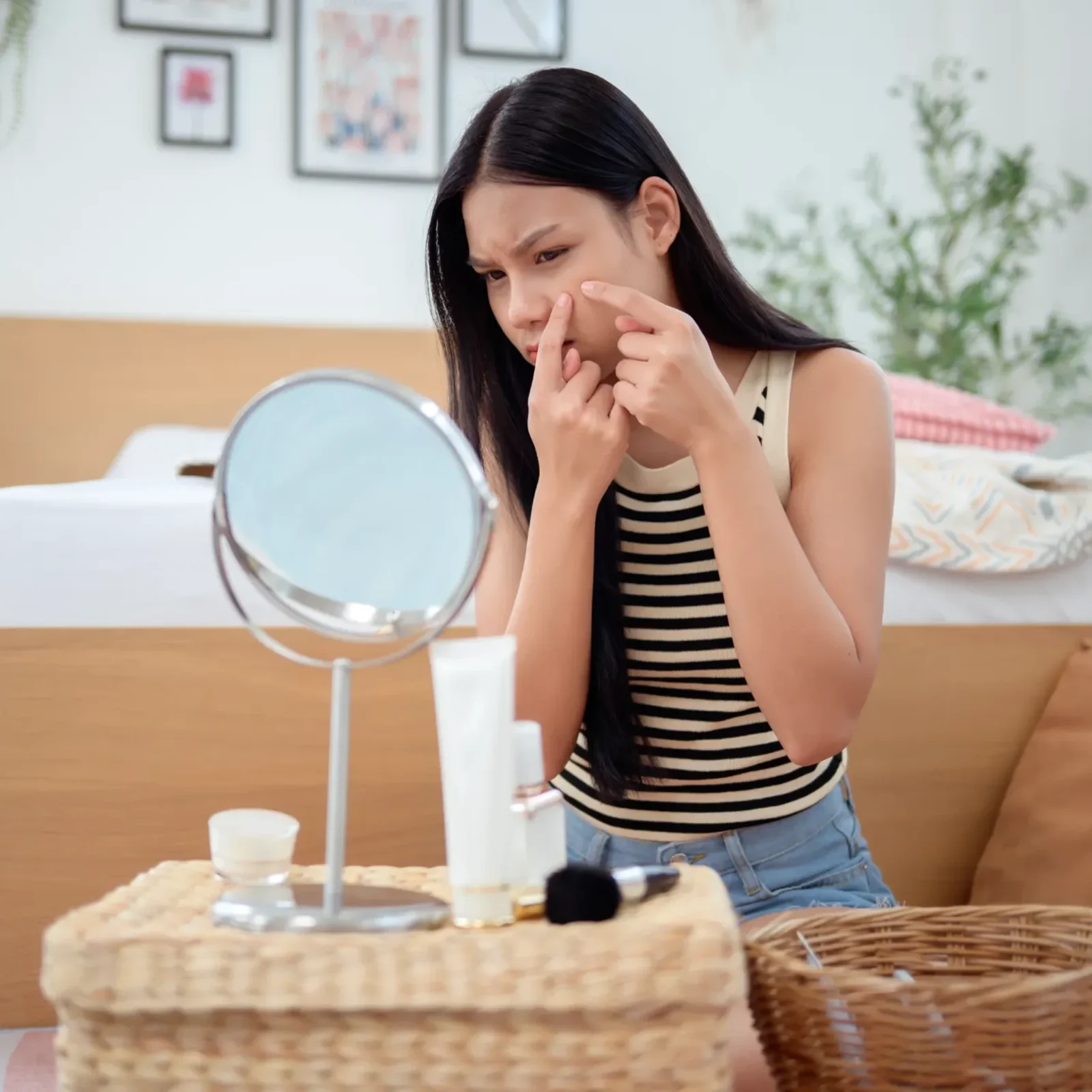
We’ve all had a stare down with an angry, red spot on our face at some point in our lives. Unfortunately, it’s almost always the night before a big event, like they somehow got access to your calendar and thought, “today’s the day.”
Yes, it’s normal, but it can be frustrating at times. Whether it’s a last-minute hormonal ambush or a slow-forming, under-the-skin breakout, dealing with acne is usually accompanied by a whole lot of googling.
Here’s what dermatologists recommend using for acne-prone skin—seven proven ingredients that fight breakouts, calm inflammation, and help your skin heal without waging war on it.
1. Salicylic acid
It slips into your pores, and removes blackheads. It also helps in preventing acne. Board-certified dermatologist Corrine Sison-De Jesus, MD, recommends this in a previous interview with Allure Philippines, saying products with salicylic acid helps in clearing pores without stripping the face of moisture.
2. Niacinamide
It’s a form of vitamin B3 that calms inflammation, brightens dark spots, and controls oil production. If your concern is the spot or pigment that acne leaves behind, board-certified dermatologist Francesca Sy-Alvarado, MD, also recommends using “tyrosinase inhibitors or arbutin, combined with niacinamide and/or glycolic acid.”
3. Benzoyl peroxide
This ingredient kills acne-causing bacteria. It’s fast, effective, and ideal for inflamed pimples. Just go easy on this, as it can be drying, and might bleach your pillowcases if you’re not careful. Spot treat with precision: think less is more.
This is also recommended for hormonal acne, as treatments for this type of acne can be treated with benzoyl peroxide, according to board-certified dermatologist Raissa Francisco-Pasion, MD.
4. Azelaic acid
Underrated, but effective. This ingredient targets acne, redness, and post-breakout marks. It’s gentle enough for sensitive skin but still does the job. It also helps with rosacea and skin texture. Board-certified dermatologist Melanie Chao-Lo, MD, says that this has “oil-regulating actives,” and it’s good for the humid weather, because it’s light on the skin.
5. Retinoids (like Retinol or Adapalene)
Retinoids boost cell turnover and prevent clogged pores, which means fewer breakouts over time. They also help fade acne marks and smooth out texture. But don’t forget to put on some sun protection when using this one.
In a previous interview with Allure Philippines, board-certified dermatologist Katrina Reyes, MD, says that the type of retinoid you should use depends on your skin type. “For oily skin, we usually start with adapalene or trifarotene. For dry to normal skin, we start with retinol or retinal. The stronger the retinoid, the more it has an effect for scars and collagen boosting,” she says.
8. Alpha Hydroxy Acids (AHAs like glycolic acid, lactic acid, etc.)
Did you know that these acids are all plant- and animal-based? These surface-level exfoliators remove dead skin, brighten dullness, and help in reducing post-acne marks. So if your skin feels rough and dull, you might want to look into this. Dr. Chao-Lo also recommends this as one of the more lightweight ingredients that works well in our weather.
7. Zinc
It’s not just a sunscreen ingredient. Zinc gently soothes your skin that regulates oil and calms inflammation. It can also help reduce redness from breakouts. “Products containing zinc gluconate, derived from zinc, which is known for its ability to regulate skin sebum secretion,” says board-certified dermatologist Jasmin Jamora, MD, in a previous interview with Allure Philippines.
How to integrate these ingredients into your routine
As a general rule when introducing new ingredients to your skin, Dr. Chao-Lo recommends “going low and slow” and choosing lightweight, non-comedogenic products, especially in hot and humid weather.
She also reminds us to not be aggressive when it comes to seeing results. We all want a quick fix, and it’s tempting to try and “cure” a pimple overnight. But rushing it often does more harm than good, irritating the skin or making breakouts worse.
That said, breakouts are a part of being human. No one’s immune to this. In fact, it’s so normal that it happens to all of us. But having acne doesn’t mean your skin is “bad” or that you’re doing something wrong. Breakouts can be triggered by a lot of things like hormones, stress, and even climate. Don’t stress yourself out wondering where you went wrong.
The goal is not to remove every bump, texture, or pigmentation on your skin, but to care for it so it heals without extra stress. With the right ingredients and expert guidance, managing acne will get better over time. But remember this: Your skin doesn’t need to be spotless to be considered healthy, and you certainly don’t have to fix every spot. Every breakout is temporary, and not worth losing your mind over. This too shall pass.