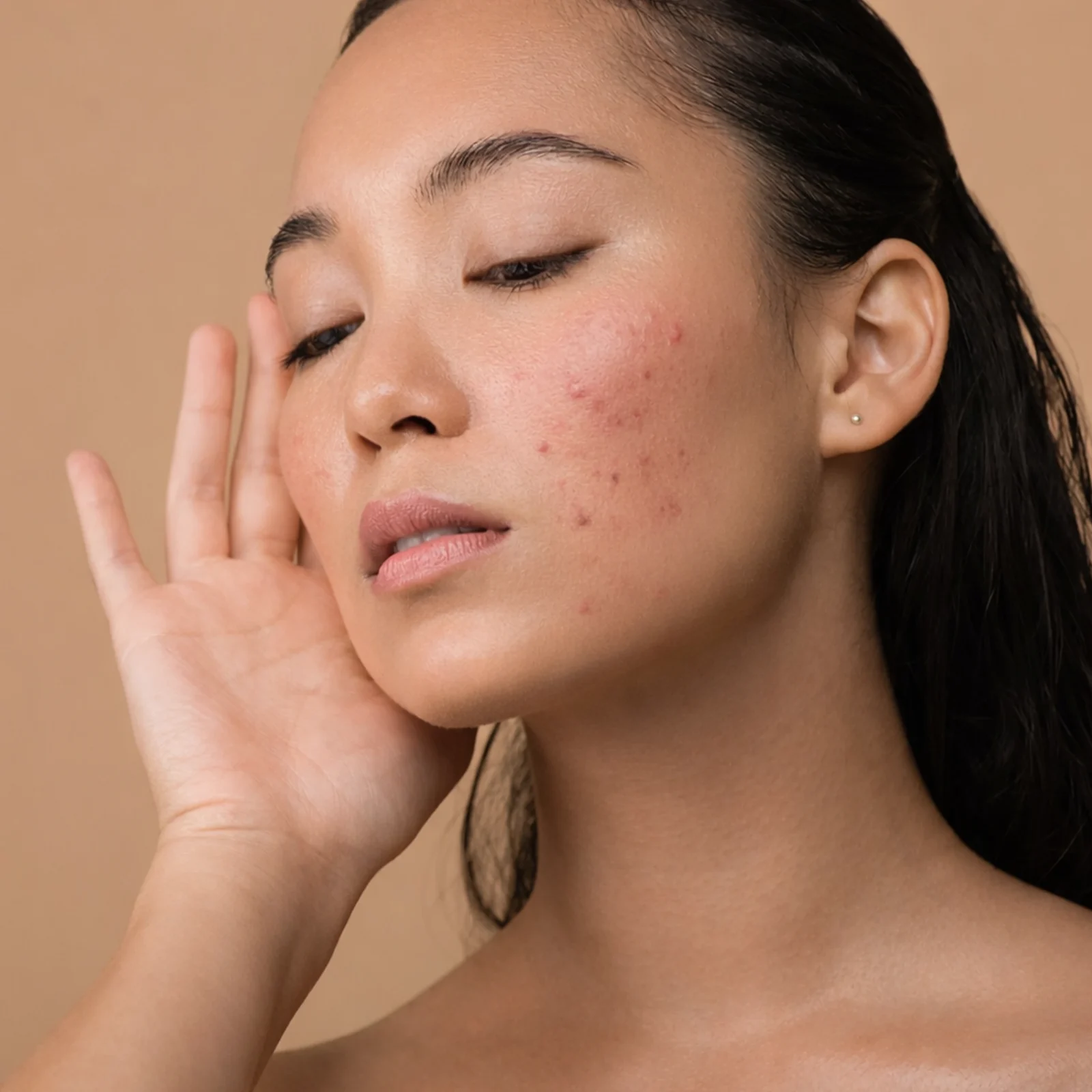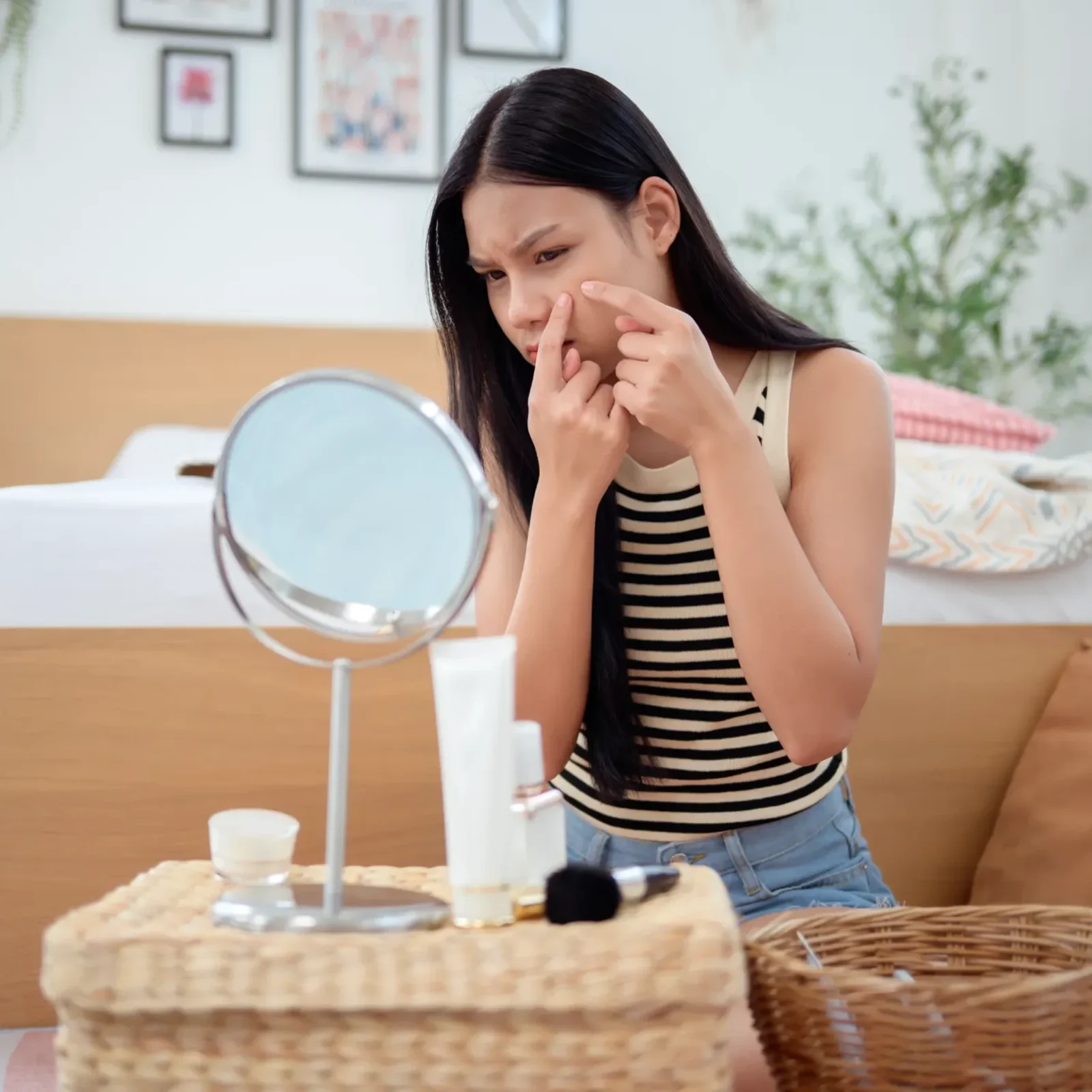


Let’s face it—acne is practically a fact of life. Most, if not all, of us will experience at least one or two episodes of bumps on our skin, so most, if not all, of us will also be familiar with the remedies used to combat them. And there’s probably no other acne-fighting solution that is as popular as benzoyl peroxide.
Benzoyl peroxide, found in a whole range of products from cleansers, to scrubs, to spot treatments, is a potent and reliable acne-fighting ingredient. And because it’s largely available as an over-the-counter treatment (meaning: you don’t need a prescription for most products), it’s so common and easy to use.
But before you reach for that tube of spot treatment, make sure you know these five important things about benzoyl peroxide. Read on.
1. Benzoyl peroxide is both an antimicrobial and an exfoliant.
The way benzoyl peroxide works is through several ways at the same time. According to New York City board-certified dermatologist Jessica Krant, MD, “It is both antimicrobial, killing bacteria and other organisms, and an exfoliant, helping to unclog pores and gently debride the surface layer of skin.” This combination is basically what makes it such a powerful acne-fighting ingredient.
2. It works best on red, inflamed bumps.
Although benzoyl peroxide can work on all types of acne, it’s especially effective on red, inflamed bumps, according to New York City-based board-certified dermatologist Marisa Garshick, MD. However, it’s one-two punch of bacteria-fighting properties and exfoliating prowess also makes it helpful for comedonal acne (blackheads and whiteheads), pustular acne (small red bumps with white tips), and in some cases, even cystic acne, which is the deepest and most painful kind of acne.
3. For over-the-counter products, stick within the 3 to 5 percent range.
Benzoyl peroxide comes in percent ranges of 2.5 to 10, but it’s advisable to stick to a lower percentage if you are using over-the-counter products. Dr. Krant and Dr. Garshick both explain that the higher percentages run the risk of irritating or drying out skin, and the lower percentages are just as effective as the higher ones. Always remember that it’s best to consult a board-certified dermatologist if you have any questions or concerns.
4. It tends to leave its mark—on other things.
While it can help you with your acne, it can also bleach things like dark towels, sheets, and clothing. So use it with care, and know there is a simple fix: make sure you rinse off your benzoyl peroxide cleanser completely, or wait till a leave-on product is completely dry before getting dressed.
5. Avoid it if you’re pregnant.
Kimberly Jerdan, M.D., a board-certified dermatologist in California, explains that benzoyl peroxide has a pregnancy category C safety labeling, which means that “there have been risks when tested on animals, but no studies have been done on humans or pregnant women,” she explains. That means you should avoid it completely if pregnant, or even if you’re planning to get pregnant.
You might also want to use lower concentrations if you have sensitive skin. Be aware as well that benzoyl peroxide allergies exist, so stay vigilant for any adverse reactions, and always consult your doctor if you suspect any.
Since acne is a very common skin problem, benzoyl peroxide is an ingredient that you’ll likely come into contact with. As always, it’s extremely important to know about the ingredients you are putting on your skin, so you can harness the full power of your products by using them correctly.