How to Manage Sensitive Skin: Gentle Tips for a Healthy Glow
Flushed cheeks, random stinging, breakouts that appear out of nowhere—if this sounds familiar, your skin might be sending an SOS. Here’s how to know if you have sensitive skin on the face, plus expert-approved ways to keep it calm, balanced, and glowing.


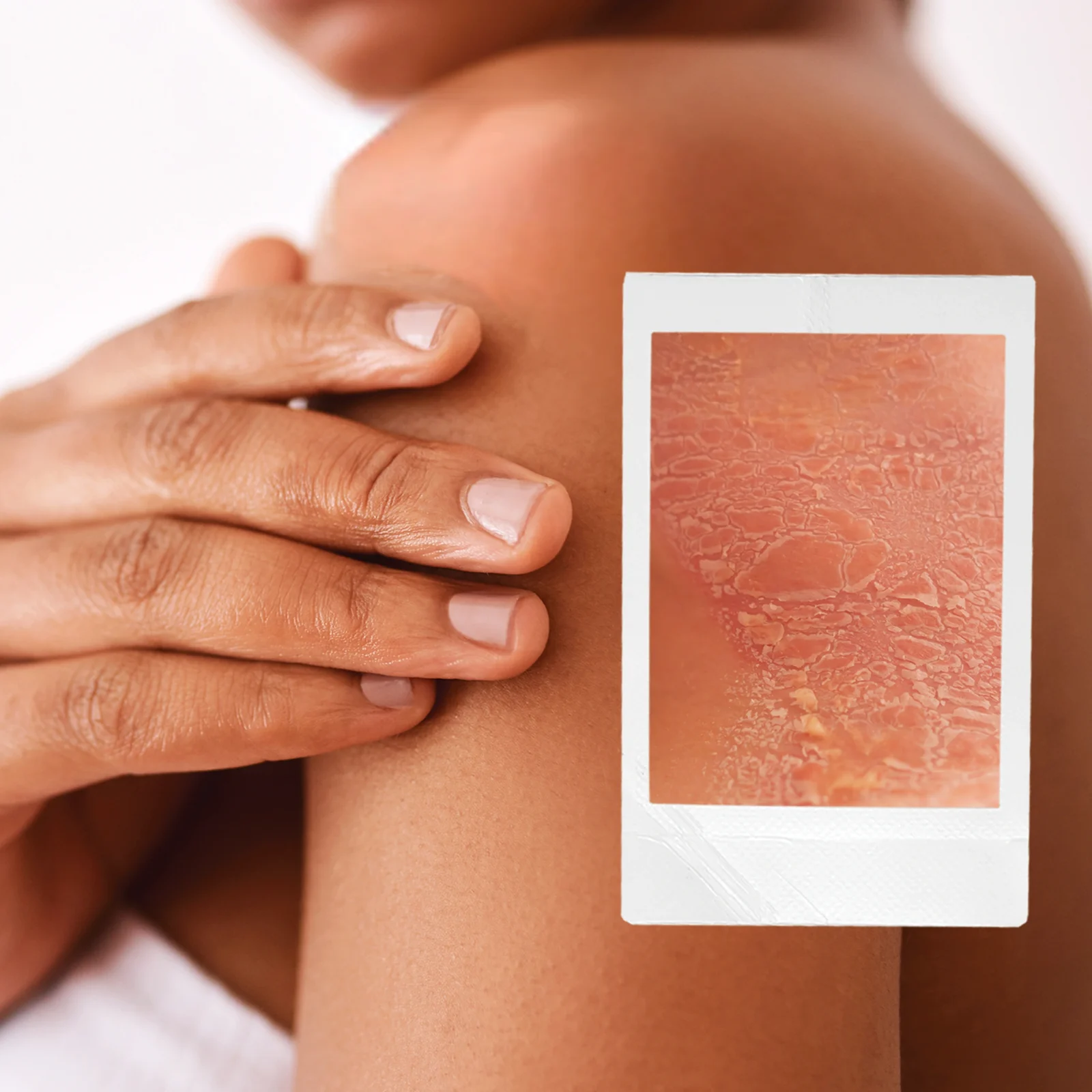
Suppose you’ve been wondering why sensitive skin on the face reacts more than the body. In that case, science has an answer: facial skin is thinner, has more nerve endings, and is constantly exposed to environmental stressors like sun, pollution, and harsh cleansers. That means it’s more likely to sting, itch, or flare up when your skin-care routine is too strong or your barrier is compromised.
This 2023 review notes that sensitive skin is linked to increased nerve reactivity and impaired barrier function—basically, your skin is overreacting to normal triggers. Add stress, weather changes, or over-exfoliation, and you’ve got the perfect recipe for irritation.
How to know if you have sensitive skin on the face
Before you overhaul your routine, make sure what you’re dealing with really is sensitivity and not just a temporary rash or allergy. Here are the most common signs of sensitive skin that face experts look out for:
- Frequent redness after washing or applying products
- Burning or stinging sensation with certain ingredients
- Flaking or rough patches, even when you’re not using acne treatments
- Breakouts after new products (that are not hormonal acne)
If you notice these symptoms regularly, your skin might fall into the “sensitive” category.
Step-by-step routine for sensitive skin
Sensitive skin thrives on simplicity—think fewer products, gentle textures, and soothing ingredients.
1. Cleanse gently without stripping or irritating your skin.
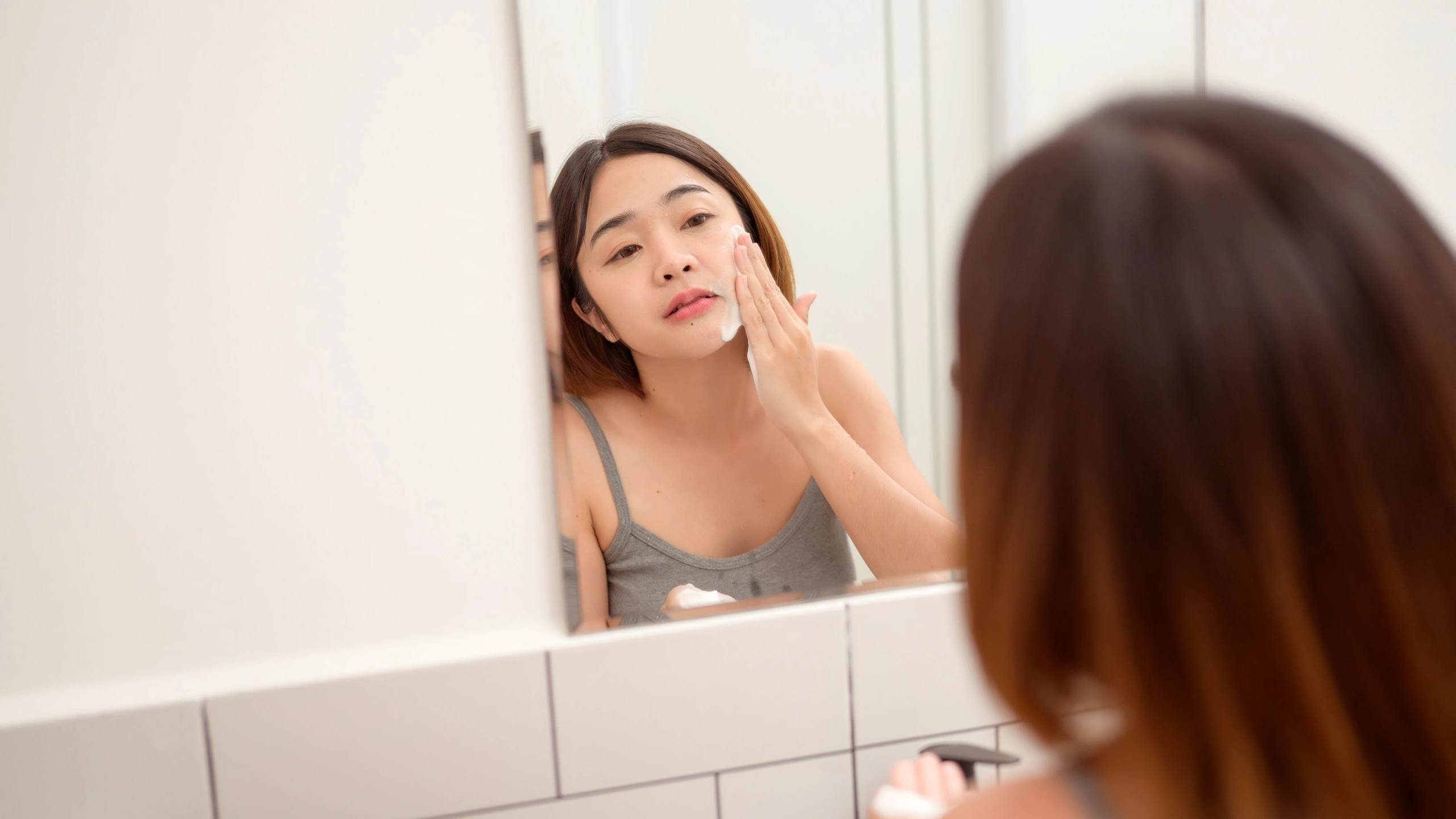
Cleanse gently without stripping or irritating your skin. Start with a fragrance-free, sulfate-free cleanser that won’t disrupt your skin barrier. Cream or gel cleansers are usually less harsh than foaming ones. Always use lukewarm water, not hot, and limit cleansing to once or twice a day to avoid dryness and irritation. This gentle cleansing foundation is important whether you cleanse once or engage in more specialized methods like double cleansing.
Double cleansing isn’t just repeating the act of washing your face. It’s about switching up what you’re washing it with to achieve a deeper clean. “I define double cleansing as using two separate types of cleansers to wash your face,” says board-certified dermatologist Rita V. Linkner, MD.
2. Soothe and strengthen your skin barrier to reduce sensitivity.
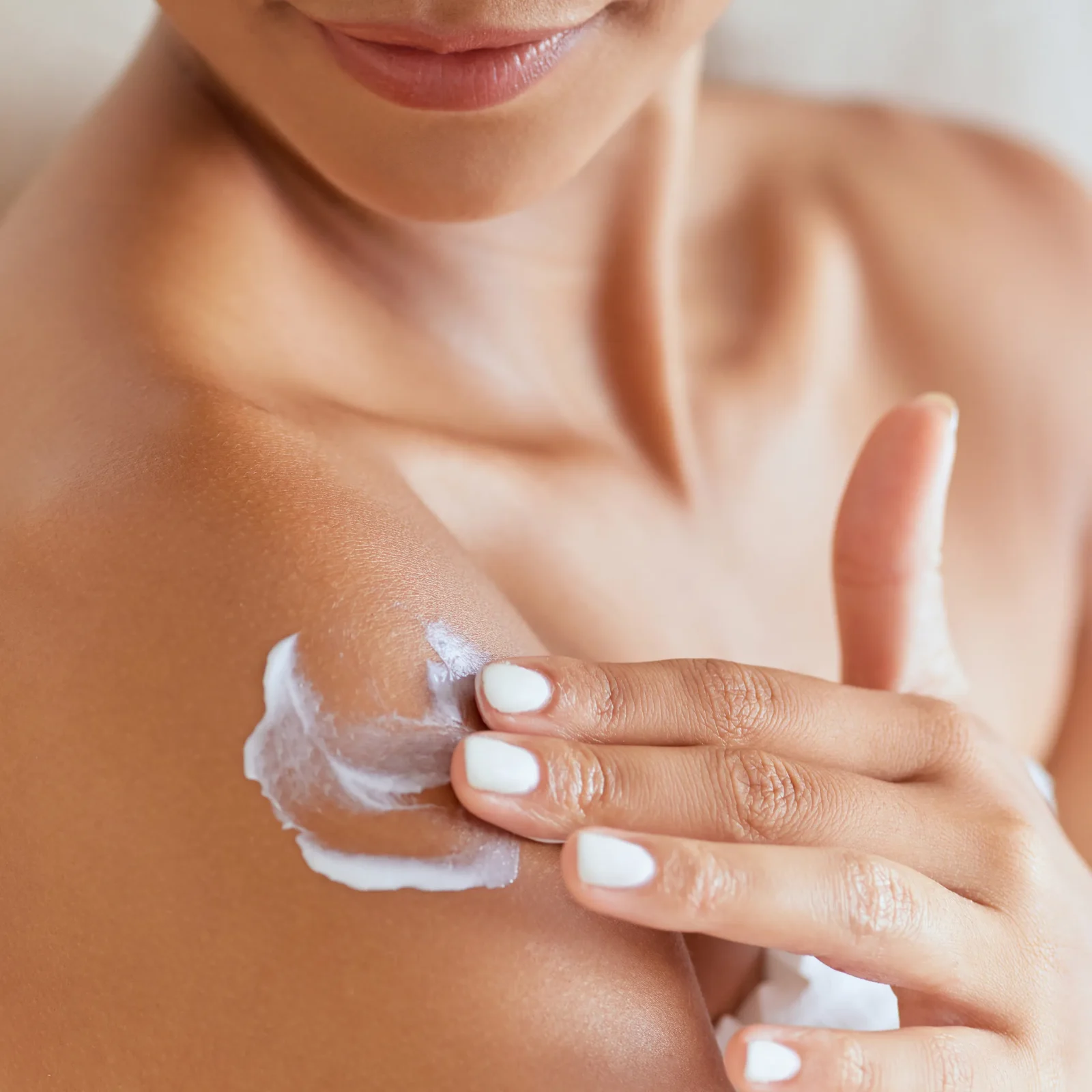
Soothe and strengthen your skin barrier to reduce sensitivity. After cleansing, focus on calming and repairing your skin with barrier-supporting ingredients. “Ceramides are fat molecules found in the top layer of our skin that help protect and keep our skin moisturized. Replenishing these ceramides allows for the rebuilding of the skin’s own protective barrier,” shares Allure Philippines in a previous report. Other calming ingredients like panthenol and centella asiatica also help soothe irritation and support skin health.
According to a study, including 2 percent to 5 percent niacinamide is a smart choice for sensitive skin or oily skin. It “works with the skin’s natural chemistry to strengthen the skin barrier, minimize redness, and improve skin resilience over time.” This anti-inflammatory ingredient helps reduce irritation while boosting the skin’s natural defenses against external aggressors.
3. Hydrate deeply with lightweight layers that won’t clog pores
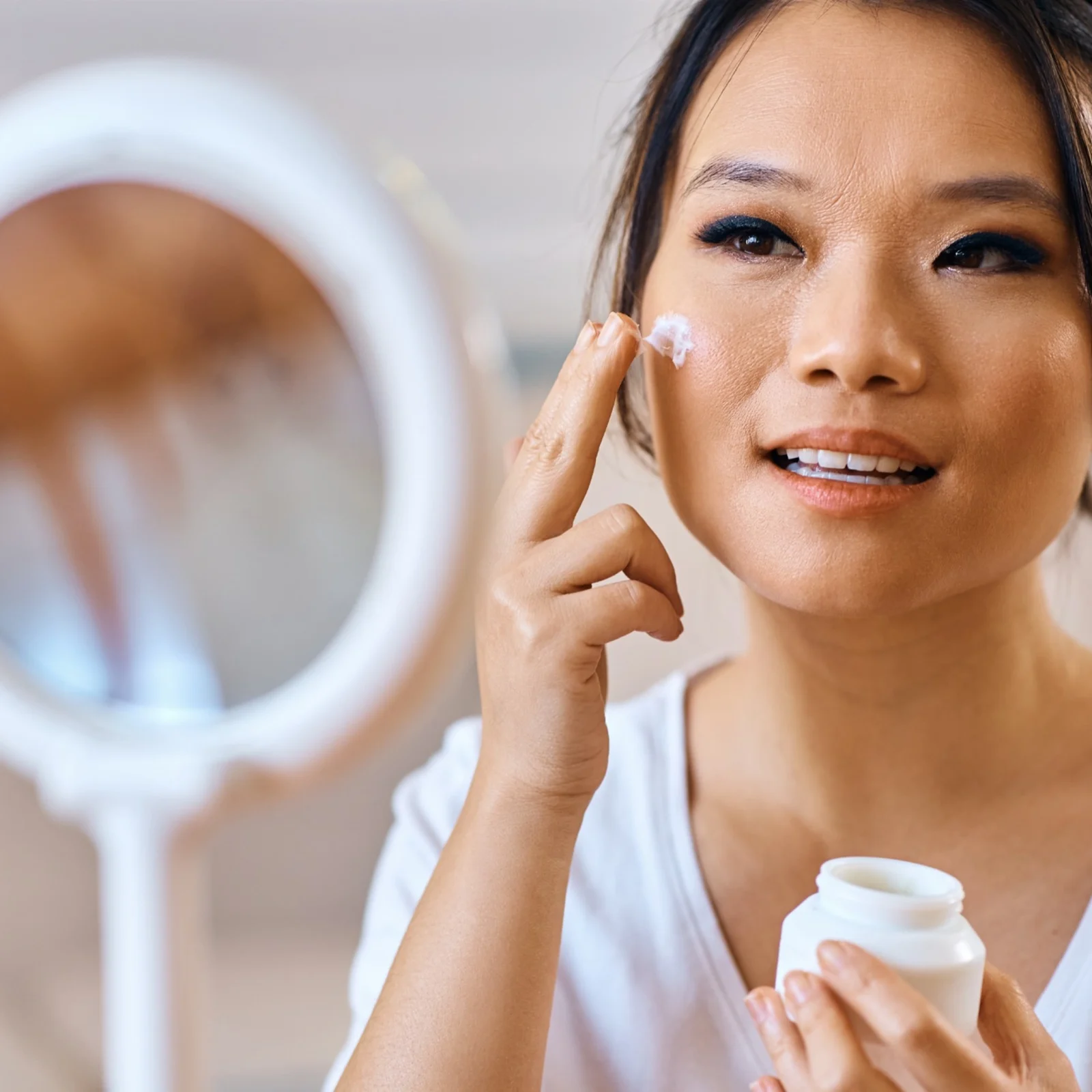
Hydrate deeply using lightweight layers that won’t clog pores. Moisture is key for sensitive skin, so choose a non-comedogenic, fragrance-free moisturizer that absorbs easily without heaviness.
Hyaluronic acid is a top recommended ingredient for hydration because it “binds to water molecules to plump your skin and help achieve a naturally dewy and glowing complexion,” explains Allure Philippines. For extra comfort, layering a hyaluronic acid serum before your moisturizer can enhance skin hydration and reduce dryness without irritation.
4. Protect daily with a gentle sunscreen to prevent further irritation
Protect your skin daily with a gentle sunscreen to prevent further irritation. Never skip sunscreen, as UV exposure worsens sensitivity and redness. Board-certified dermatologist Elizabeth Tanzi, MD, explains, “Mineral sunscreen formulas with zinc and titanium are natural ingredients that better suit sensitive skin by protecting without irritation.” Reapply every two to four hours, especially if sweating or swimming, to maintain protection and keep your skin calm and healthy.
In tropical climates like the Philippines, lightweight gel or fluid mineral sunscreens are ideal for comfortable daily use.
Face scrubs for sensitive skin: Yes or no?
Physical face scrubs can be too harsh for sensitive skin, often causing microtears and irritation. Instead, dermatologists recommend gentle chemical exfoliants like polyhydroxy acids (PHAs), which are milder than alpha hydroxy acids (AHAs) and help smooth skin texture without damaging the skin barrier. Limit their use to once a week and always follow up with a soothing moisturizer.
A 2023 study in the Journal of Cosmetic Dermatology, along with recent dermatology reviews, reports that polyhydroxy acids (PHAs) such as gluconolactone and lactobionic acid provide exfoliating and anti-aging benefits similar to alpha hydroxy acids (AHAs), but with significantly less irritation. PHAs also enhance skin hydration and barrier function while offering antioxidant properties, making them suitable for sensitive skin types, including those with conditions like rosacea and atopic dermatitis.
What to do during a flare-up
Even with the best routine, flare-ups happen. Here’s what to do when your skin feels extra reactive:
- Strip back your routine—cleanser, bland moisturizer, mineral sunscreen.
- Avoid actives (retinol, AHAs, BHAs) until irritation subsides.
- Use barrier creams with ceramides or petrolatum to lock in moisture.
- Cool compresses can reduce burning and swelling.
Beyond the bathroom: Lifestyle habits that matter
How you treat your skin outside the mirror is just as important as your products.
- Sleep well: Skin repairs itself at night. Aim for 7–8 hours to give your barrier time to recover.
- Manage stress: Cortisol spikes increase inflammation and sensitivity. Try short breathing exercises or gentle movement.
- Watch your environment: Air conditioning, pollution, and even prolonged screen time can worsen dryness—use a humidifier if you live in a dry climate.
- Be gentle with towels and pillowcases: Switch to soft, clean fabrics and avoid harsh detergents.
The bottom line
Learning how to treat sensitive skin on the face is about listening to what your skin needs, not fighting it. Build a routine that keeps things gentle, consistent, and protective—and always patch-test new products before using them all over.
Your skin care for sensitive skin should leave you feeling comfortable, not anxious about what might flare up next. By strengthening your barrier, protecting from daily stressors, and keeping your routine simple, you can get back to glowing skin that behaves.
FAQs
What are the common signs of sensitive facial skin?
Redness after cleansing or applying products, burning or stinging sensations, flaking patches, and breakouts after new products are key signs of facial skin sensitivity.
What is the best skin care routine for sensitive facial skin?
Keep it simple: use a fragrance-free, sulfate-free cleanser, apply calming ingredients like ceramides and niacinamide, hydrate with lightweight moisturizers, and protect daily with a mineral sunscreen.
Can people with sensitive skin use face scrubs?
Harsh scrubs are best avoided. Gentle chemical exfoliants like polyhydroxy acids (PHAs) are safer alternatives that smooth skin without damaging the barrier.
What should I do during a sensitive skin flare-up?
Scale back to basics: a mild cleanser, bland moisturizer, and mineral sunscreen. Skip actives until skin calms, and use barrier creams or cool compresses for comfort.
Which lifestyle habits can help reduce sensitive skin flare-ups?
Prioritize 7–8 hours of sleep, manage stress, use a humidifier if needed, and stick to soft pillowcases, towels, and gentle detergents to protect your skin.