
What You Need to Know About Water-Resistant Sunscreens
The science behind the sunscreen formulas that stick—literally.


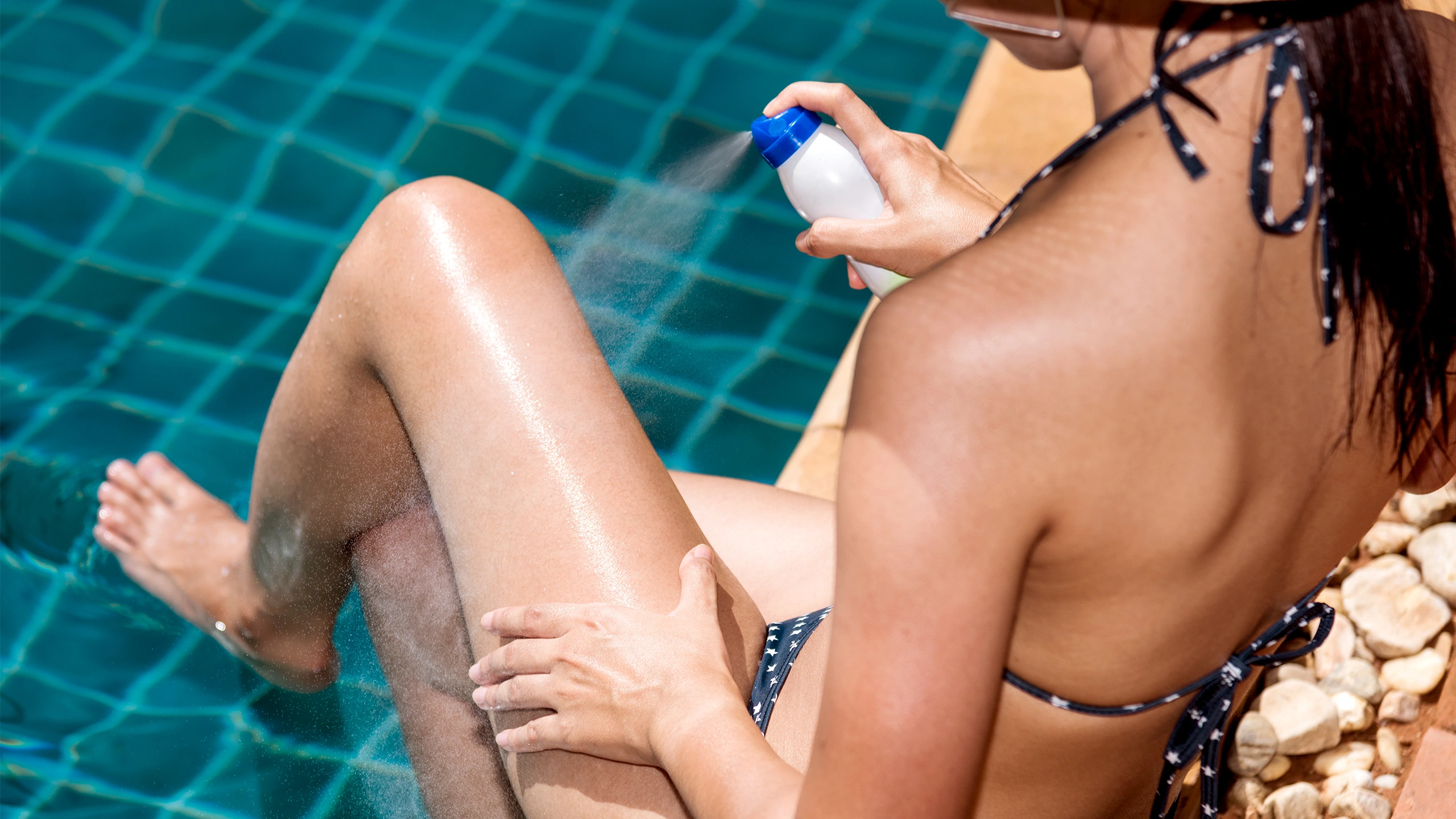
Where we are, it can feel like summer all year round. With access to neighborhood pools and one-roadtrip-away beaches, there’s one skin care essential you should never overlook: water-resistant sunscreen.
Gone are the days where the only sunscreens in the market had thick, chalky formulas. Today’s sunscreens come in a variety of forms to suit every skin type, tone, and lifestyle: gel creams, mists, tinted versions, sticks, and even makeup hybrids.
And in a country like ours, where heat, humidity, and intense sun exposure are everyday realities, knowing what water-resistant truly means can be the difference between healthy skin and lasting sun damage.
Does water-resistant mean waterproof? How often should you reapply when you’re sweating or swimming? And is one sunscreen enough for both daily commutes and weekend getaways?
To help answer these questions, we spoke with Joyce de Lemos, a Filipino cosmetic scientist and biochemist behind Dieux Skin, and Katrina Reyes, MD a board-certified dermatologist and fellow of the Philippine Dermatological Society.
Together, they break down the truth about water-resistant sunscreens, debunk common myths, and share how to pick the best formula for your skin, your routine, and our climate.
What does “water-resistant” really mean?
When a sunscreen is labeled as water-resistant, it means the product can maintain its SPF protection for a specified period even after water exposure.
“Water-resistant sunscreens contain ingredients like polymers and silicone derivatives that act like glue, forming a flexible film that helps the product adhere strongly to the skin,” Dr. Reyes explains.
Water-resistant sunscreens are typically tested for either 40 or 80 minutes. “A product that has been tested for 80-minute water resistance in theory has better lasting power than one that has been tested for only 40 minutes,” de Lemos explains.
However, this claim is tested in controlled conditions, where sunscreen is applied to a volunteer’s skin and then exposed to water immersion before UV testing.
“If I’m going to [the] beach with a friend, and we both used the same 80-minute water-resistant sunscreen and she’s going snorkeling, while I’m staying under an umbrella on the sand, that 80 minutes might be more true for me than her,” the cosmetic scientist clarifies.
The sunscreen does not also remain effective indefinitely. Once you reach the time limit, or if you wipe your skin with a towel, most of the product will come off and protection drops significantly.
“Towel drying removes 85 percent of your sunscreen!” Dr. Reyes shares. Reapplication is essential if you want continuous coverage.
How are water-resistant sunscreens made?
Formulators create water resistance in two main ways. First, by using film-forming agents—ingredients that create a hydrophobic, or water-repellent, barrier on the skin.
“Think about applying a nice coat of wax to your car. The wax is the film former,” de Lemos explains. “Film formers give formulas the long-lasting, water-resistant effect and [they] can be found in sunscreens, mascaras, and foundations, just to name a few.”
According to Dr. Reyes, these ingredients include polymers and silicones that work like a flexible “glue,” adhering the product to your skin even under wet or sweaty conditions.
The second and natural way to make a water-resistant sun product is when they increase the oil content in the formulation to make it more resistant to being rinsed off. The result is a product that doesn’t dissolve or slip off easily with water contact, though not all water-resistant formulas are created equal.
“If you’ve ever applied Nivea Crème, and then tried to wash it off your hands, I’m sure you saw how difficult it was to remove with water,” de Lemos gives an example. “This is because it’s abundant in oils, and so [it] is very water resistant.”
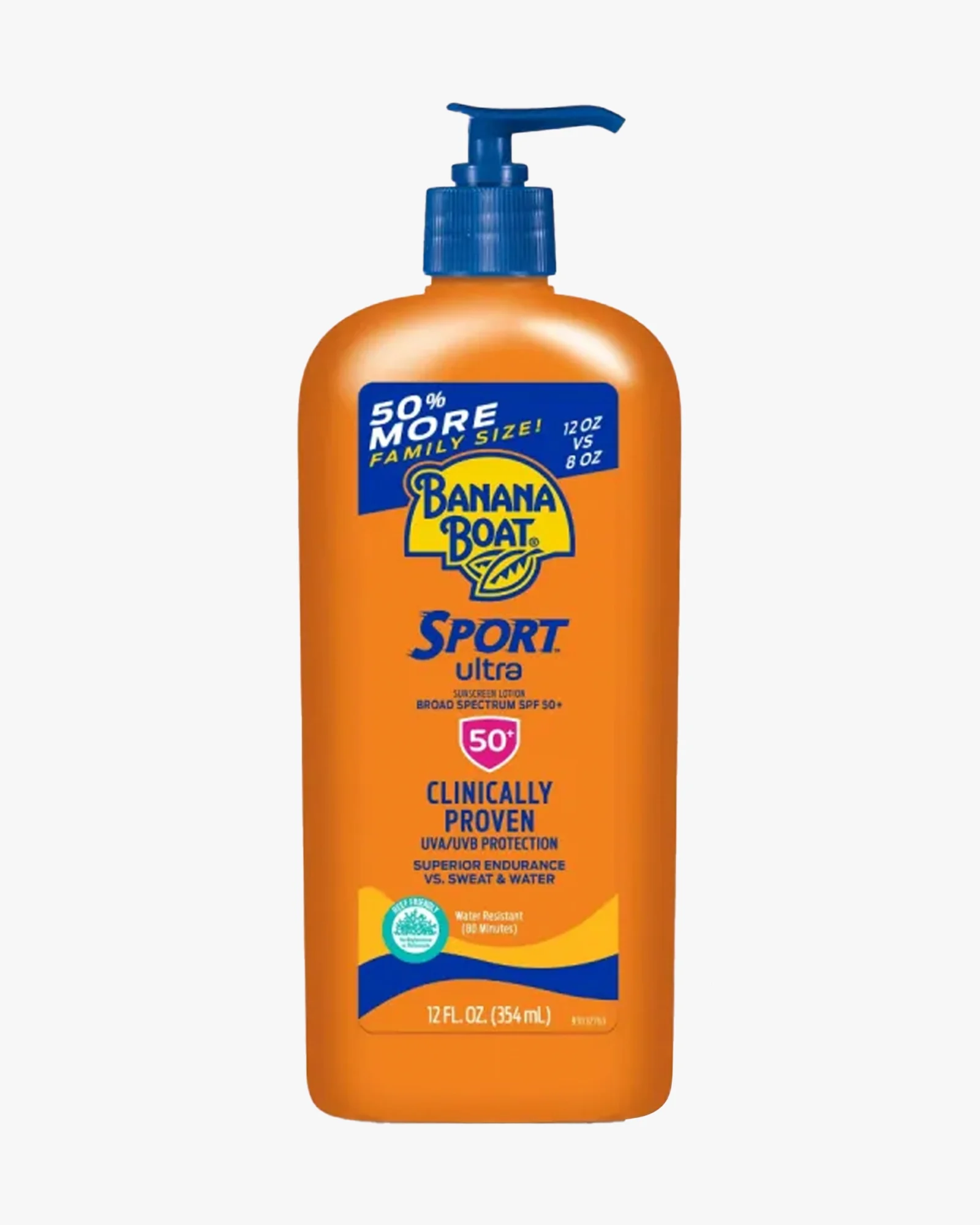
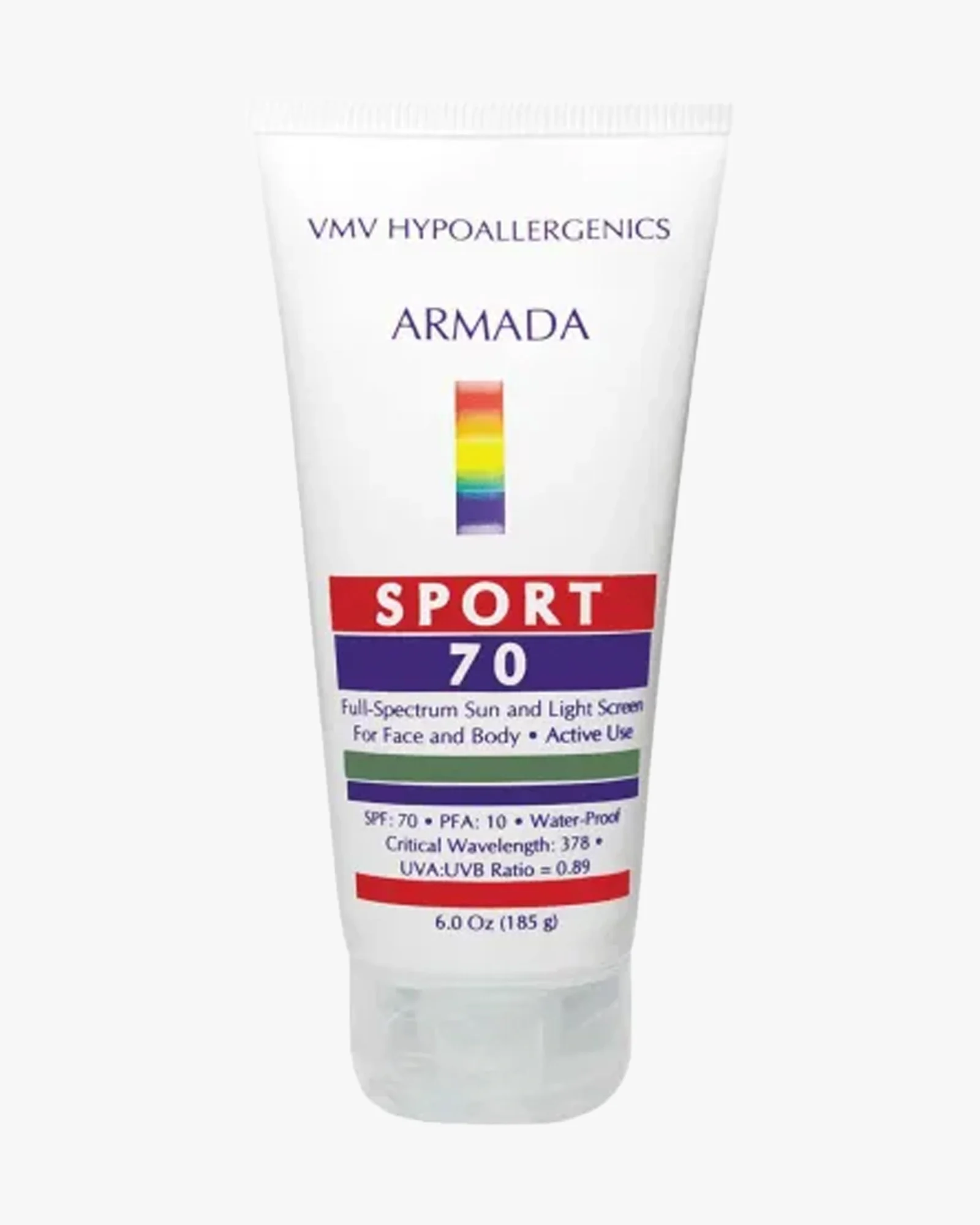
Water-resistant sunscreens
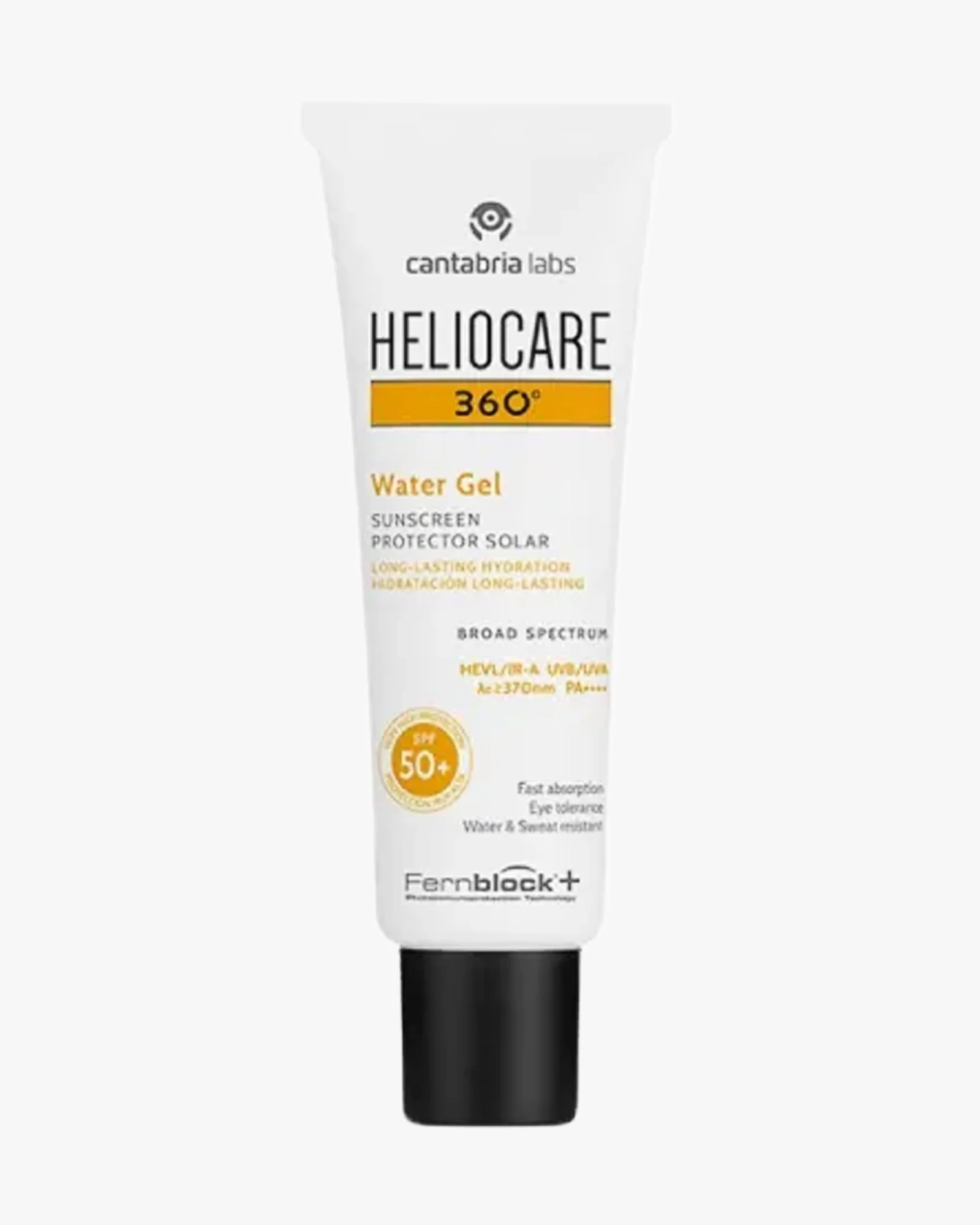
Banana Boat Sport Ultra Sunscreen Lotion Broad Spectrum 50+
Mineral vs. chemical sunscreens: Which one stays on better?
Mineral and chemical sunscreens can both be formulated to be water-resistant, but they interact differently with the skin and with moisture.
“Mineral sunscreens are made from physical filters like zinc oxide or titanium dioxide particles, which do not dissolve in solution and need to be evenly dispersed to effectively cover the skin and protect you from the UV damage,” de Lemos explains. These sunscreens tend to be more oil-based since the active particles are best dispersed in oil. “A great example of this type of formula is the La Roche Posay Anthelios Ultra-Light Mineral Sunscreen SPF 50,” she adds.
Chemical sunscreens, on the other hand, contain filters like avobenzone and oxybenzone. Many chemical filters degrade faster when exposed to water, chlorine, or sweat unless stabilized properly. “Chemical sunscreens are made from chemical filters, which typically exist as oils or are dissolved in oils,” de Lemos says.
The good news is that many modern chemical sunscreens include advanced film-formers and make them just as water-resistant (if not more so) than their mineral counterparts. “There are a lot of chemical sunscreens that have effective film-formers which make them just as water resistant as an oil-based mineral sunscreen,” de Lemos adds.
Choosing the right sunscreen for outdoor activities
The ideal sunscreen for a day at the beach or a sweaty outdoor workout needs to do more than just offer sun protection. It should also withstand movement, heat, and repeated exposure to moisture.
A formula with at least SPF 30 with PA +++ or higher, broad-spectrum protection, and tested water resistance for 80 minutes is typically more suited for active days under the sun. “While SPF is king for UVB protection, PA is helpful for understanding the level of protection against UVA rays,” de Lemos says.
The base of the product plays a big role here too. Oil-forward formulas, which are naturally more hydrophobic, help keep the product on your skin even during intense sweating. Water-based chemical sunscreens, if paired with the right film-formers, can also stay put for long stretches.
Texture and comfort matter, especially in the hot and humid Philippine climate. Heavy creams can feel sticky and suffocating. For de Lemos, it’s better to stay away from mineral sunscreens.
“I find that when I sweat or if it’s humid outside, an all-mineral sunscreen will often start to melt and pool into the crack and folds of my skin,” she says.
Instead, she prefers more water-based, gel-cream chemical, or hybrid sunscreen formulations. These are especially helpful during city commutes or while running errands outdoors.
Use sunscreen the right way
Bottom line? Water-resistant doesn’t mean invincible. Even the most advanced formulas have limits—and how well they work depends on how well you use them.
So whether you’re heading to the beach, powering through a workout, or simply navigating another humid day in the city, the goal isn’t just to wear sunscreen—it’s to reapply it, choose the right formula for the moment, and understand how it actually works on your skin.
Because when it comes to sun protection, science isn’t just something you read on a label. It’s what helps you make smarter, skin-saving choices—day after sweaty day.