When Skin Is Life: How Integrative Dermatology Takes a Look at All Aspects Of You
With integrative dermatology, doctors don’t just assess your skin, but take a look at the bigger picture of your health, life, and habits.


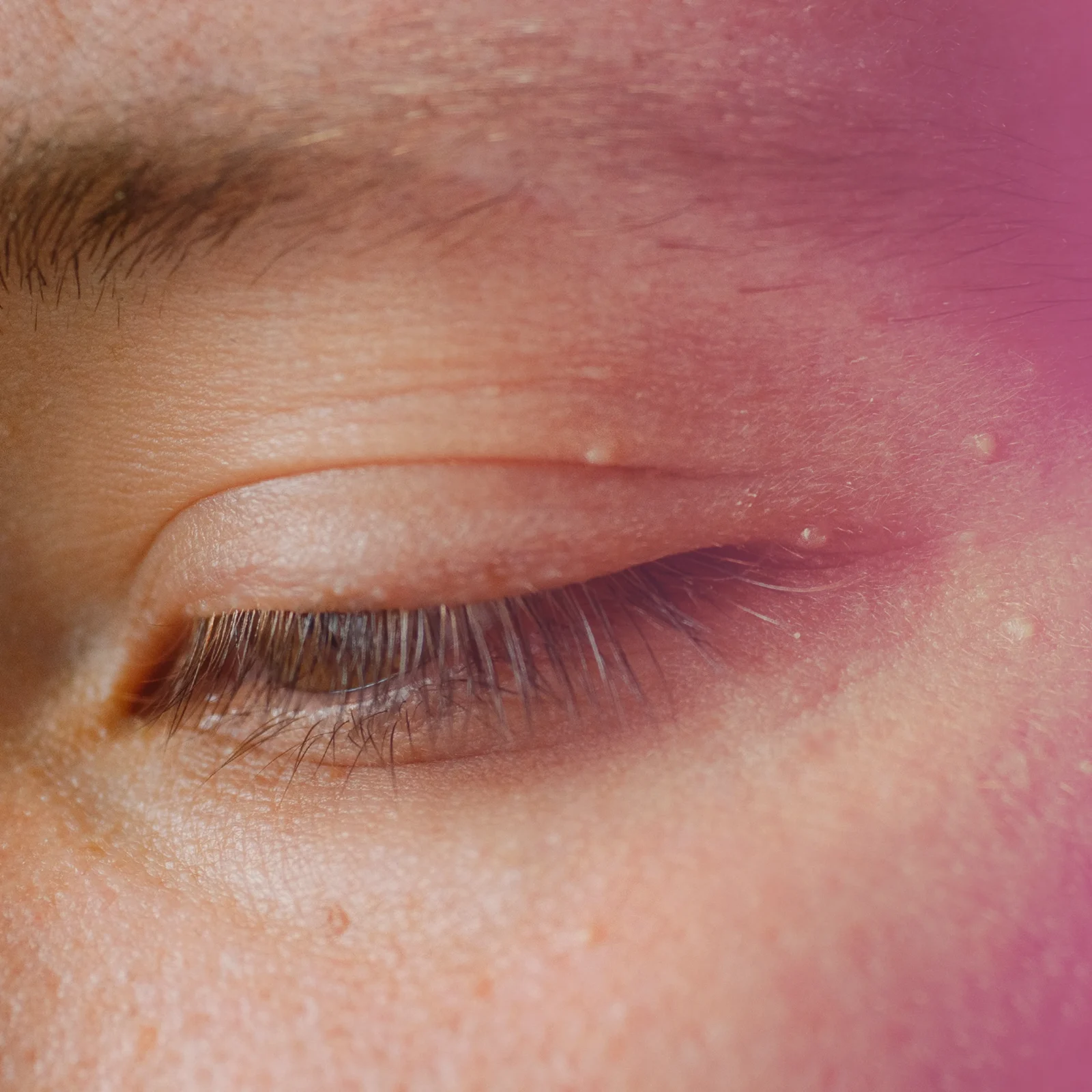
I have had atopic dermatitis or eczema all my life, and I can pretty much predict when it’s going to flare up and make my days (and nights, when it’s really itchy) miserable. If the weather ping-pongs between two kinds (especially the transitions from Habagat to Amihan, and vice versa), if my respiratory asthma is acting up, or, in some cases, if my diet has been bad and full of my triggers (such as shrimps that are less-than-super-fresh, or too much dairy), then I can be sure I’ll be seeing big, red, angry patches of flakes and raw skin that will, literally, make my life a pain.
I’ve long been aware of the interconnectedness of my lifestyle—including my diet, sleep quality, and stress levels—with the frequency of my eczema flare ups, and the general health of my skin. That’s why when I heard about the topic of integrative dermatology while conversing with a board-certified dermatologist for another article, it set off a cacophony of bells in my head.
I know that integrative dermatology takes into account the many factors of a patient’s life and lifestyle, before prescribing a treatment plan for any skin ailment—or perhaps even a push to get even more testing done, since skin concerns are, sometimes, manifestations of other diseases. I knew that. But do others? Especially for those who deal with chronic, long-term, even life-long, conditions like my eczema, approaching skin health and skin care the integrative way can be life-changing.
To shed more light on this approach, and hopefully, nudge those who might benefit from it in its direction, Allure Philippines spoke with four board-certified dermatologists, each of whom has a great interest in integrative dermatology and functional medicine.
Meet the experts
Vermen Verallo-Rowell, MD, FPDS, FDPS-PDS, FAAD, FASDP, HIM-ADA, is a board-certified dermatologist, dermatopathologist, photodermatologist, and a leading researcher. She is also an research professor at the University of the Philippines National Institutes of Health (UP-NIH), an author, the co-founder and current chair of the Skin and Cancer Foundation and the Academic Skin Disease Research Foundation, and an active consultant, advisory council member and past chair of the dermatology department of Makati Medical Center.
Jasmin Jamora, MD, FPDS, is a board-certified dermatologist, the president of the Philippine Dermatological Society, and is certified in Integrative Dermatology by LearnSkin U.S.A.
Cristina Sioson-Magat, MD, MHA, FPDS, is a board-certified dermatologist, who is also certified in Integrative Dermatology and Herbal Medicine by LearnSkin U.S.A., and is a medical acupuncturist certified by DOH-PITAHC. She currently chairs the Functional and Integrative Dermatology Core Group of the Philippine Dermatological Society.
Mariel Arambulo-Cordero, MD, FPDS, IFMCP is a board-certified dermatologist at Arambulo Dermatology Center, is certified in Functional Medicine from the Institute of Functional Medicine, and is a licensed acupuncturist from La Consolacion College.
What is integrative dermatology?
From the name itself, integrative dermatology, basically, “integrates.” It integrates the different aspects of your life, your medical and family history, your habits and your patterns—everything that makes you, you.
“Integrative dermatology is where we integrate the things that make a person whole,” Dr. Vermen Verallo-Rowell explains. “it’s a holistic approach to a person,” shares Dr. Jasmin Jamora. “You’re not just taking into account their physical body, but also their mental health, their spiritual health. You’re also looking at their environment, their home life, their spirituality, even taking into account cultural things like traditional medicine or practices, herbal medications.”
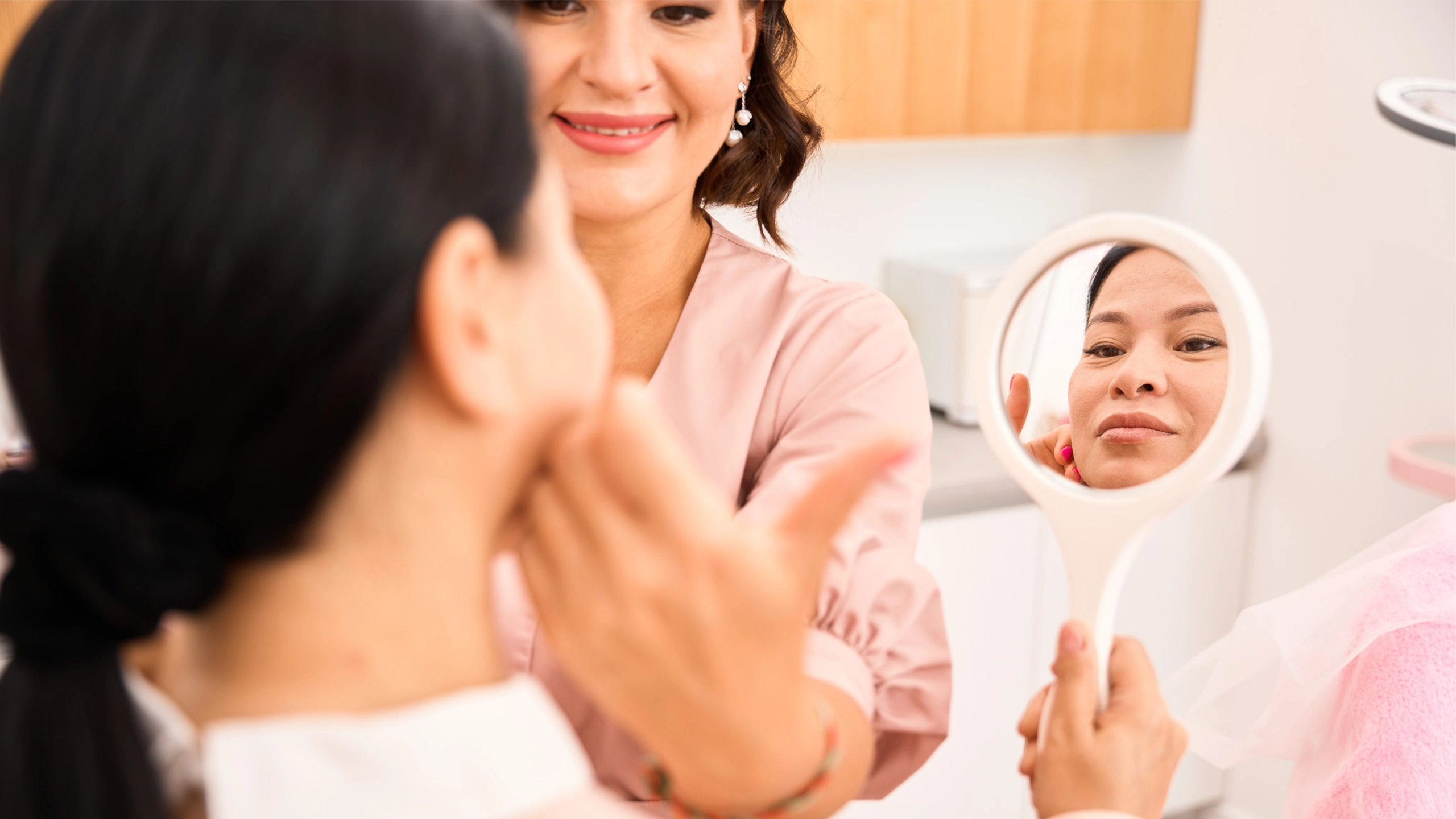
Dr. Cristina Sioson-Magat, in explaining the concept of integrative dermatology, emphasizes the relationship between doctor and patient. “Patient and practitioner are partners in the healing process,” she clarifies. “So basically, it’s not the doctor telling the patient what to do. The patient has a say, or has to do something for his or her health and well-being.”
She adds that, in integrative dermatology, both conventional (the medicines and procedures we’re already used to receiving) and alternative (more traditional, Eastern-oriented) methods are used, but always with an evidence-based approach. “It’s just not anything goes,” she clarifies. ”There should be evidence, studies that can back it up.” She cites an example where meditation is used as a tool for psoriasis management: “For psoriasis, the conventional treatment is phototherapy. However, there are studies where half of a group of patients did five to ten minutes of meditation prior to going to the phototherapy booth, and the other half, nothing. They found out that the outcome of those who did meditation was better.”
If you take the definition of integrative dermatology down to the studs, you could probably describe the approach as a “root cause approach,” which is how Dr. Mariel Arambulo-Cordero describes it. “Instead of just treating the symptoms, we treat the cause of the skin disease that is causing those symptoms,” she explains.
How different is it from the conventional dermatology we are used to?
Dr. Arambulo-Cordero goes on to explain that in dermatology, or in medicine in general, there’s an algorithm of treatment after a diagnosis. “In dermatology, we’re used to just giving steroids. Yun lang, parang pang takip lang, band-aid treatment. For example, we diagnose skin asthma, or atopic dermatitis, and then the treatment of choice is usually steroids. But with integrative or functional dermatology, we ask, ‘Why are we giving the steroids? What is causing the itch? What is causing the rashes?’”
Integrative dermatology is different in the sense that it doesn’t immediately follow a predetermined path to treating a patient, but first takes into account different factors or aspects of a patient’s life, physicality, and even heritage, before arriving at a possible solution or pathway to healing.
Why is this the line of thinking? Dr. Verallo-Rowell explains: “I always tell people is that unless the triggers for their diseases are addressed, they will keep coming back, no matter how good the medication is. As an example, a psoriasis patient who comes to see me says, ‘Why is it still coming back even though I’m already being given this new, novel drug?’ I tell them, ‘Well, let’s take a look at your triggers.’”
The gut is an important piece of the puzzle in integrative dermatology. “There’s a school of thought which says that if you as a young child take a lot of antibiotics, there’s a high rate of obesity. And the reason is because the gut bacteria which has been wiped out by strong antibiotics changes the flora completely,” shares Dr. Jamora. “For me, I will consciously give probiotics. I will encourage patients to take more fiber, more vegetables to increase their prebiotics, knowing full well that I’m going to wipe out their gut bacteria with that course of antibiotics [if prescribed].”
Dr. Magat mentions a “toolkit” used by integrative dermatology practitioners. “We do the conventional medicine, [and also] we discuss nutrition, diet. We can give supplements, botanicals, probiotics, herbs, and we suggest mind-body connection exercises such as yoga, meditation, hypnosis. We discuss the microbiome, the gut particularly. Then we can do traditional Chinese medicine or Ayurveda. And then we still do the devices such as lasers.”
In taking an integrative approach to dermatology, what are the different factors that the dermatologists consider in diagnosing a patient?
“I go into the possible triggers,” says Dr. Verallo-Rowell, launching into a detailed explanation of what she assesses in a patient. “Sleep,” she enumerates. “How many hours of sleep do you have every night? And what kind of sleep is it? Do you go to sleep at 10 and wake up at six? Or do you go to sleep at 1 o’clock and wake up at 10 A.M. and still get seven to eight hours, but it’s not right?”
Dr. Verallo-Rowell also takes a look at diet, which she says is very important because many of the things that we eat can be inflammatory, exercise, and any existing infections, because the presence of an infection would only encourage inflammation.
“Food has everything to do with it, because food is medicine. That’s the functional medicine, integrative medicine approach. A lot of our health is really based on what we put into our bodies,” says Dr. Jamora, citing diet as one of the factors she takes a look at in her patients, aside from sleep.
“I also talk to our patients a lot about sleep, because there’s a certain cycle of hormones. Before you sleep, your growth hormones will trigger. So, if you don’t sleep before, say, 11 P.M., you’re not going to get that spurt of growth hormone.”
Other things that Dr. Jamora checks out are stress levels, because “a lot of stress can trigger leaky gut syndrome,” which is when toxins and bacteria seep through the gut lining and head into the bloodstream, triggering inflammation and chronic conditions. Dr. Magat, in fact, mentions an emerging field in dermatology called psychodermatology, which has to do with effects of stress on the skin. “Because of our psyche, if you’re stressed, it will manifest on your skin,” she explains.. “And [conversely], skin conditions can also cause stress on the body.”
Does the integrative approach to dermatology take longer, or do we see results quicker?
It depends.
For Dr. Arambulo-Cordero, results generally take longer to show. “Yes, it takes longer, especially when you repair the gut,” she says. “I always advise patients that it’s not magic. It will take time.”
However, for Dr. Magat, in certain cases, she has seen faster results. “If not faster, then more lasting results,” she shares. “There are times that if you incorporate integrative dermatology approaches, like meditation [to combat stress that can cause skin condition flare-ups], healing is faster. I think the general mindset is that it takes longer to go the integrative route, but that’s not necessarily true. But it does take more effort for the patient.”
When does it make sense to use this approach?
For patients with chronic conditions, the integrative dermatology approach can be very effective. Dr. Magat names “the chronic ones, like atopic dermatitis, psoriasis, even acne” as conditions that would benefit from integrative dermatology. Dr. Arambulo-Cordero also mentions “autoimmune diseases like psoriasis, and skin asthma or atopic dermatitis, because it usually comes with food allergies and allergic rhinitis.”
Why is it important to consider this approach to caring for our skin?
For Dr. Magat, taking an integrative approach to dermatology makes for longer-lasting results—across all aspects of health. “We address not only the skin issues,” she says. “We address also the root cause of what is possibly causing the skin disease, which can [itself] manifest later on.”
In that same sense, Dr. Arambulo-Cordero shares that, for her, prevention is the key to everything, for overall health. “[Integrative dermatology] helps with prevention. We’re used to just taking a painkiller when we have a headache or taking antihistamine for itch, but these practices can help decrease the flares of skin diseases and also decrease the frequencies.”
For her part, Dr. Jamora emphasizes the connectedness of everything within our bodies. “There’s such a big connection between the gut, the skin, immunity, and nerves. When you’re nervous, when you’re stressed out, it’ll just show up on your skin. And because the vagus nerve runs from the gut to the brain, it just shows up on your skin,” she says. “When we’re talking to patients, we’re talking about their gut health, skin health, their immunity, as well as their nerves, which is their mental health. All of that kind of comes together in this integrative dermatology space.”