Martika Escobar Is Redefining Beauty in Philippine Cinema
The award-winning filmmaker challenges long-standing beauty standards in Filipino cinema, rewriting the script with inclusive storytelling and a lens that celebrates diverse and authentic beauty.


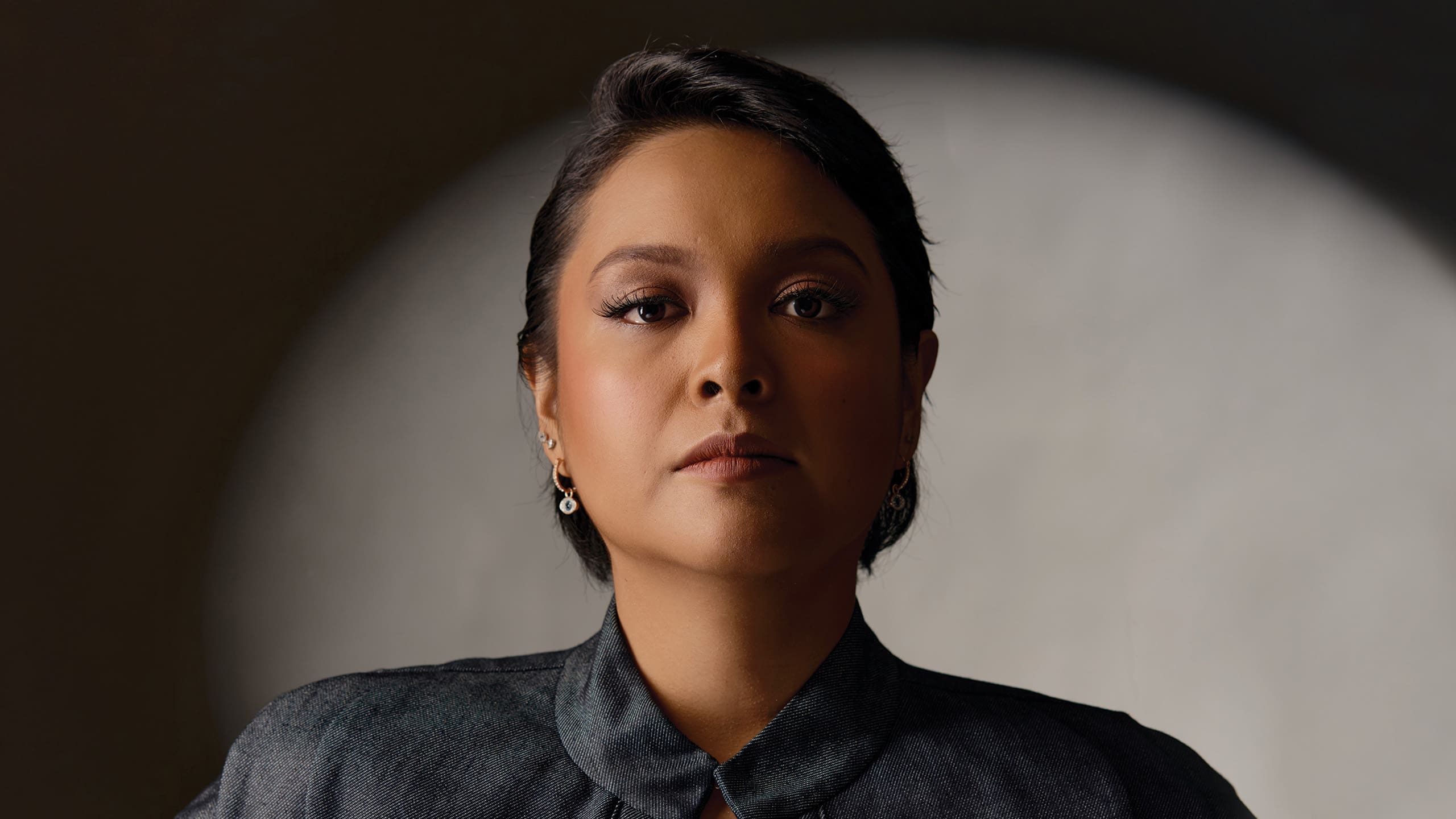
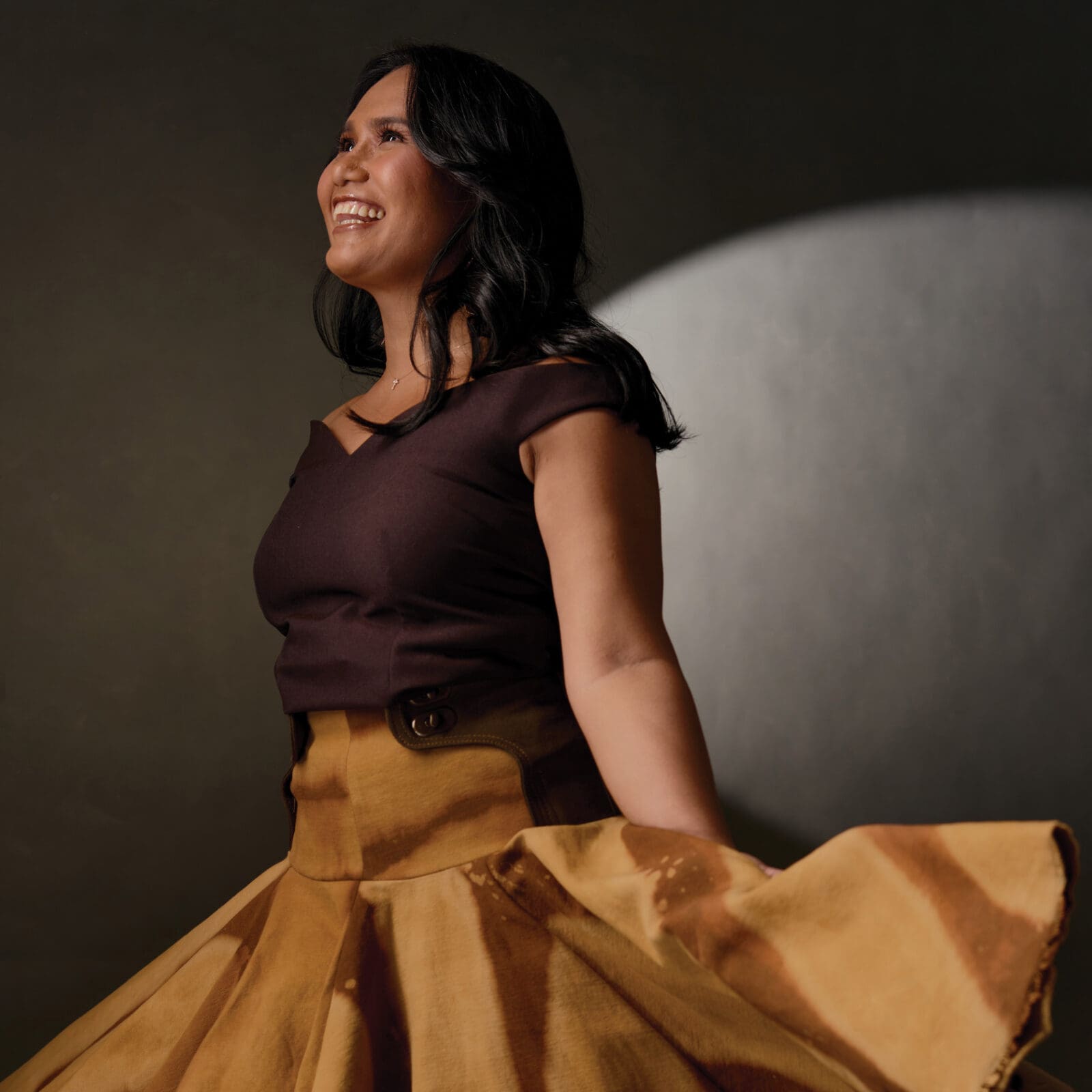
Filmmaker Martika Escobar seems immune to the ever-persistent grip of Filipino beauty standards, despite being surrounded by them as a mastermind behind a camera. Born in 1992, this millennial graduated with honors from the University of the Philippines, with Pusong Bato, the short film she completed for her thesis, competing at the 19th Busan International Film Festival. She eventually took home Best Film at Cinemalaya Philippine Independent Film Festival.
But, like most millennials, this filmmaker grew up in a world flooded with soap ads promising to make you “seven shades lighter,” she could have easily bought into the idea that whiter is better. But instead, Escobar—fortified by her family’s unwavering support—always knew that beauty wasn’t something you could bottle or bleach away. In an industry where colorism still casts its long shadow, she’s one of the few who refuses to let her worth be measured in shades. It’s a quiet rebellion, but a rebellion nonetheless: She’s not just breaking down barriers in film, she’s rewriting the script of how beauty is defined on the silver screen.
“Being morena has not directly made an impact on me,” Escobar says, noting the evolving beauty standards around her. “But I’ve noticed that with the way things are changing, we’re being more open to different definitions of beauty. Actors nowadays aren’t just mestiza.” There’s a sense of freedom in her words—a recognition that, while the industry has long favored one narrow idea of beauty, it’s slowly moving towards more inclusivity.
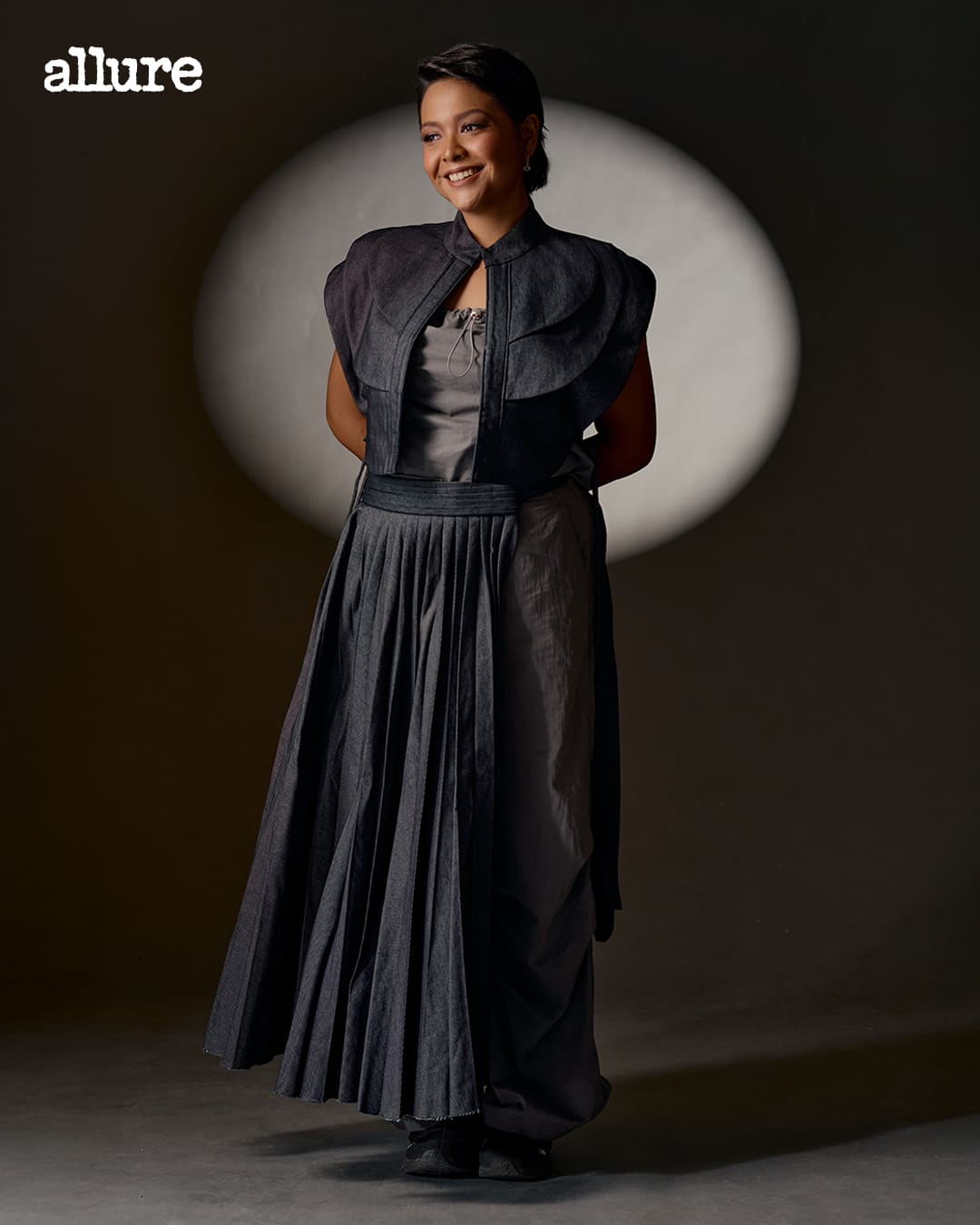
Artu Nepomuceno
“With the way things are changing, we’re being more open to different definitions of beauty. Actors nowadays aren’t just mestiza.”
For Escobar, this shift has allowed her to work without the typical pressures of colorism or conventional beauty standards. “I’m very lucky the industry has embraced me for who I am,” she adds. “I’ve been able to make films creatively without that barrier of being judged by my color.” For her, beauty is something that can be captured through a lens, but it’s not about fitting a mold. It’s about seeing the richness in all characters and personas, something Escobar, behind the camera, gets to do every day.
This mindset extends beyond the camera, too. When asked about the best beauty tip she’s ever received, the Leonor Will Never Die (2022) director boils it down to something refreshingly simple. “I guess the best beauty tip is to just be yourself,” the filmmaker says. “It’s to appreciate who you are, how you look, and how you are. It’s very basic—that beauty isn’t just on the outside but also inside. What’s important is to find beauty within and to reflect that to the world.” It’s a philosophy that mirrors her approach to filmmaking, where the value of a person, or a character, isn’t confined to surface-level features. Instead, it’s about recognizing and amplifying the richness of all experiences, no matter how they might defy traditional standards.
Photographer: Artu Nepomuceno. Makeup: Don de Jesus. Hair: Eddie Mar Cabiltes. Stylist: Steven Coralde of Qurator, assisted by Jia Torrato, Charlotte Sombillo, Niña Cuyana, and Jermainne Lagura.
- How Filipino Journalist Biena Magbitang Uses Storytelling to Raise Climate Change Awareness
- Filipina Climate Justice Activist Mitzi Jonelle Tan Champions a World Without Borders
- How Filipina Scientist Dr. Pia Bagamasbad Is Empowering Morena Women in STEM
- Meet Brooke Castillo, the First Filipina Commercial Jet Captain and Airbus Instructor