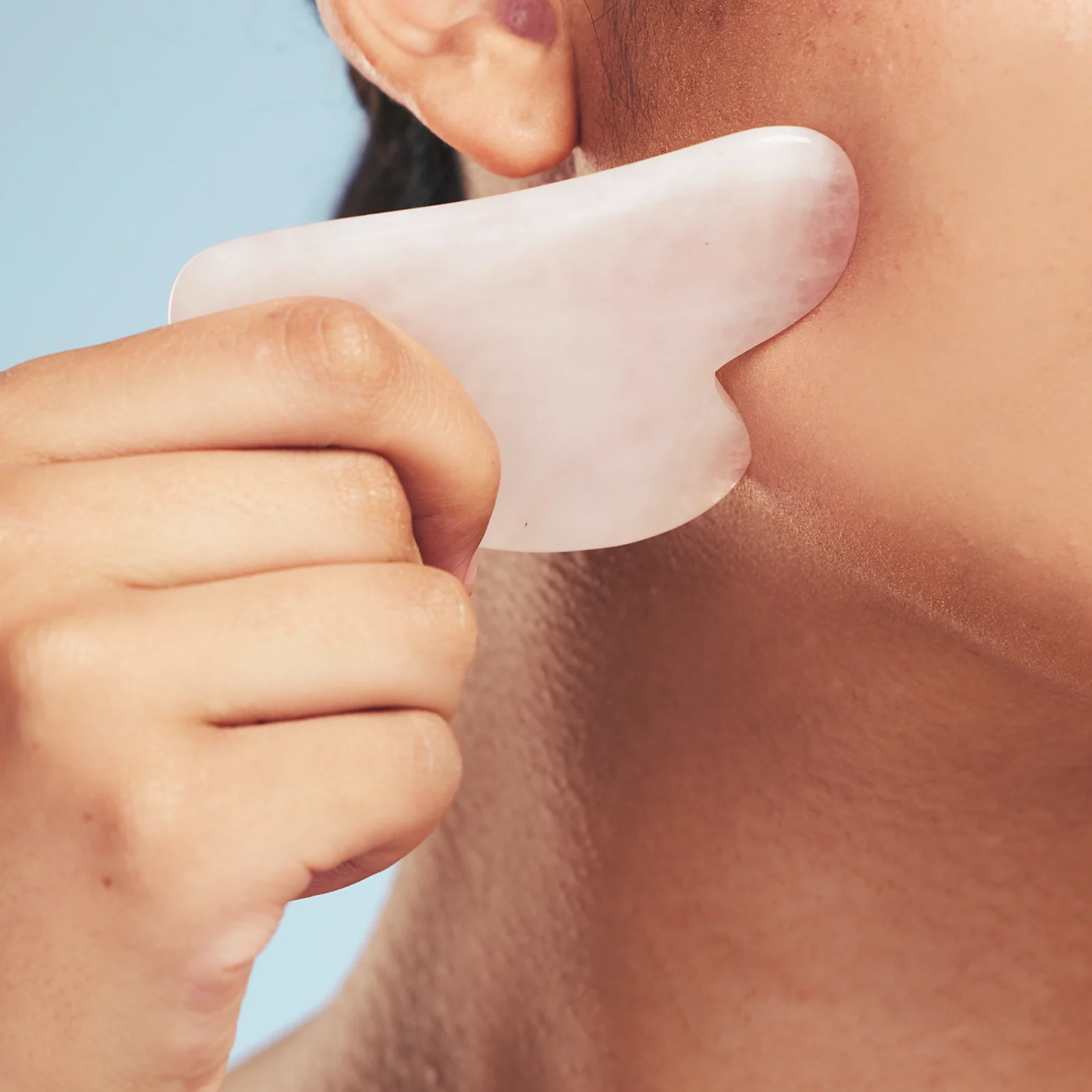
10 Amazing Wellness Habits That Actually Work
No gimmicks. Just simple, science-backed health and wellness tips for feeling better, thinking clearer, and living with more intention.


In a world that glorifies hustle culture, prioritizing wellness can feel like a luxury reserved for rare off-duty hours. But here’s a reality check: you don’t need a 10-step smoothie ritual or a yoga retreat in Bali to feel good.
Wellness health tips aren’t about chasing perfection—they’re about building habits that actually work in real life. Small, intentional changes add up to a big difference over time.
These 10 expert-approved wellness health tips are realistic, flexible, and rooted in what truly works—no fluff, just function.
1. Protect your peace—boundaries are your baseline.
One of the most underrated wellness moves? Saying no. Setting boundaries isn’t about being rigid—it’s about honoring your capacity. A study shows that personal boundaries are linked to lower levels of anxiety and higher emotional resilience.
Start with a digital cutoff time in the evening or create a “no multitasking” lunch break. When your nervous system gets space to exhale, everything else follows.
2. Hydrate like it’s your skin care routine.
Drinking enough water isn’t groundbreaking advice, but it’s still one of the most overlooked wellness basics. Hydration supports everything from skin health to digestion and cognitive clarity.
Struggle to remember? Pair it with an existing habit, like drinking a glass of water every time you check your phone.
3. Romanticize your daily routine (yes, really).
Whether it’s lighting a candle while you journal or playing your favorite playlist during skin care, adding sensory joy to everyday habits improves consistency and mood. It’s not about aesthetics. It’s about presence.
Research published in the Personality and Social Psychology Bulletin found that savoring small moments helps reduce burnout and increase life satisfaction. Making your routines feel special is more effective than forcing discipline alone.
4. Move your body—but make it make sense for you.
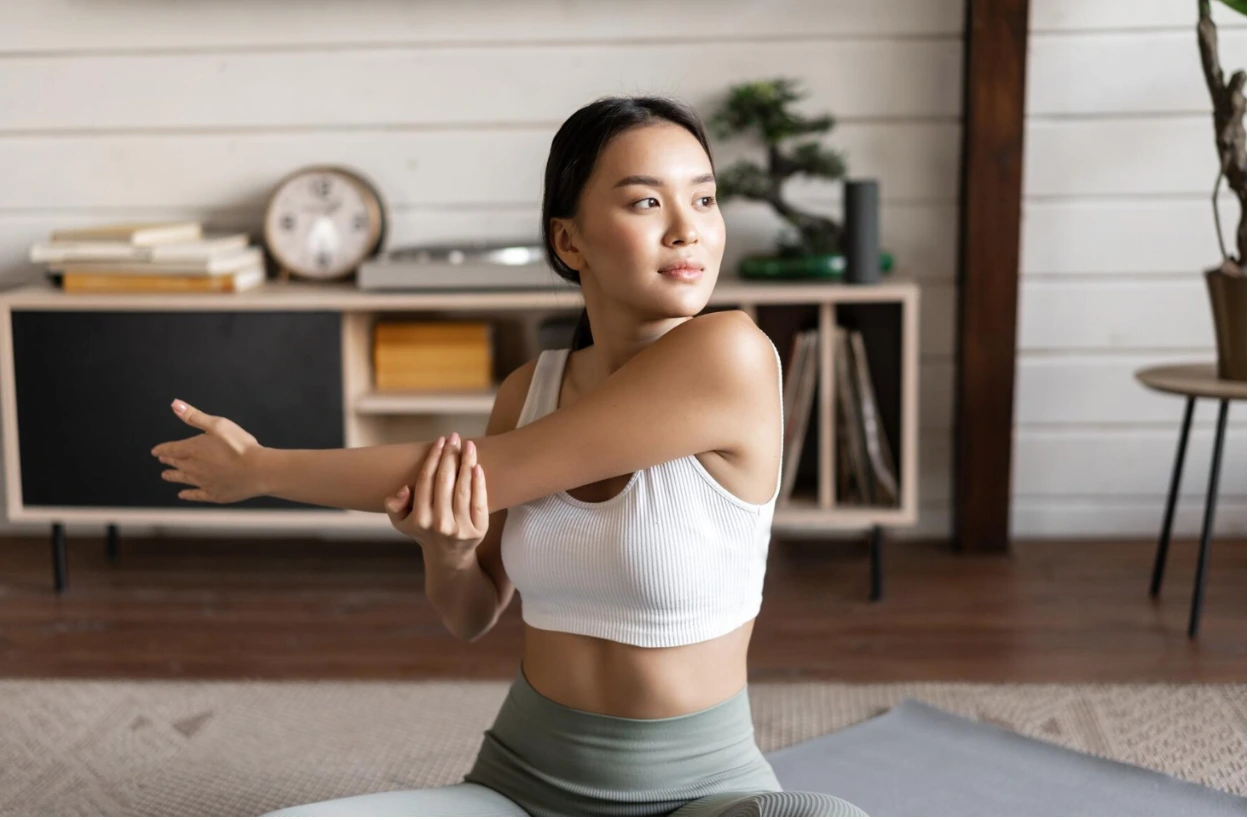
Forget the “no pain, no gain” narrative. Regular movement improves everything from insulin sensitivity to mental clarity—even if it’s a 10-minute walk after lunch.
The best exercise is the one you enjoy enough to repeat. Try stretching while watching Netflix, dancing in your room, or following a no-equipment routine from YouTube.
5. Eat to nourish, not punish.
Nutrition doesn’t have to be restrictive to be effective. A colorful, diverse plate (think whole grains, lean protein, healthy fats, and plants) is associated with improved gut health, energy levels, and even mood.
Allure Philippines previously reported that to support both gut and skin health, gastroenterology specialist Kathy Lei Mercado, MD, recommends “focusing on whole foods like fiber-rich vegetables, lean protein, and healthy fats.”
You don’t have to cut out your favorite comfort foods—just crowd in more nutrients.
6. Log off to tune in.
We spend upwards of seven hours a day on screens. Taking regular tech breaks isn’t just a nice-to-have — it’s a mental reset. Reduced screen time has been associated with better sleep quality, less anxiety, and improved attention span.
As licensed psychologist Eiza Fusingan-Lapay explains in a previous interview with Allure Philippines, “It’s important to create symbolic boundaries, like changing your clothes after work hours or designating a corner for rest… Don’t work in bed, because that will confuse your mind when you try to sleep,” helping to protect mental wellness in this digital age.
Start with a 30-minute digital detox after dinner. Replace scrolling with reading, stretching, or, yes, just staring at the ceiling. Stillness counts.
7. Prioritize rest like you prioritize productivity.
Sleep is not a luxury—it’s a foundational pillar of physical and mental health. Poor sleep is linked to increased inflammation, hormonal imbalance, and lowered immunity.
Optimize your environment. Block out blue light an hour before bed, keep your room cool and dark, and stick to a wind-down ritual (even if it’s just cleansing and chamomile).
8. Surround yourself with energy that feels good.
The people in your life should uplift you, not deplete you. Positive social connections are linked to lower cortisol levels, improved immune response, and even a longer lifespan.
As Fusingan-Lapay explains, Filipino culture’s emphasis on bayanihan and kapwa reflects the importance of community and relational support: “In difficult times, we often seek comfort, strength, and healing through our connections with our family, friends, and community.” Nurture relationships that make you feel seen. It could be a group chat, a weekly coffee catch-up, or simply unfollowing the accounts that drain you.
9. Schedule “me time”—and protect it like an appointment.
Whether it’s a 20-minute face mask session or a solo coffee run, carving out personal time helps reset your emotional baseline. A study shows that choosing to spend time alone can enhance creativity and self-awareness by promoting relaxation, emotional regulation, and deeper self-reflection.
10. Practice gratitude—it actually rewires your brain.
Gratitude practices—even writing down three things daily—are associated with reduced symptoms of depression, improved sleep, and more optimism. It’s not toxic positivity. It’s training your brain to recognize safety and joy in the present.
Keep a mini notebook or add a gratitude column to your planner. Low effort, high reward.
The takeaway
You don’t need a wellness “aesthetic” to be well. The most effective health and wellness tips are the ones that work for you—quietly, consistently, and sustainably. Think of these habits as tools, not rules.
Start with one that speaks to you. Then build from there. The version of you who feels grounded, rested, and supported? She’s already in motion.