Gearing Up for Your Best Year Yet in 2026? Don’t Skip These Regular Check-Ups
We’ve compiled a list of doctor’s appointments everyone should be scheduling.


We’ve turned over a new leaf. We’ve flipped the page. We’ve moved to the next chapter. We’ve been handed a blank slate. Whichever euphemism for a new year you decide best suits you and your 2026, the fact remains: We, in a sense, have been handed a chance to start over—and it’s a chance that every single one of us should not take for granted.
On the health and wellness front, this is especially significant. With the dawn of a new year comes the avalanche of resolutions, more than half of which are easily related to health and fitness. But in between the promises to eat healthy and the enthusiastic dives into brand-new workout routines, we shouldn’t overlook the importance of regular check-ins with our doctors and medical professionals, to not only make sure that everything is in tip-top condition, but also to detect—and remedy—any issues we catch early on.
These issues can be as commonplace as a dental cavity that’s gone undetected for a year, or as serious as an early-stage cancer. Either way, it’s not just a responsible idea to schedule those regular check-ups with your doctors—it could turn out to be something that saves your life.
From our countless conversations with health and wellness experts, Allure Philippines has listed down the routine physical exams and check-ups that you should be getting this year—and every year afterwards, or however often you’re supposed to.
A physical examination
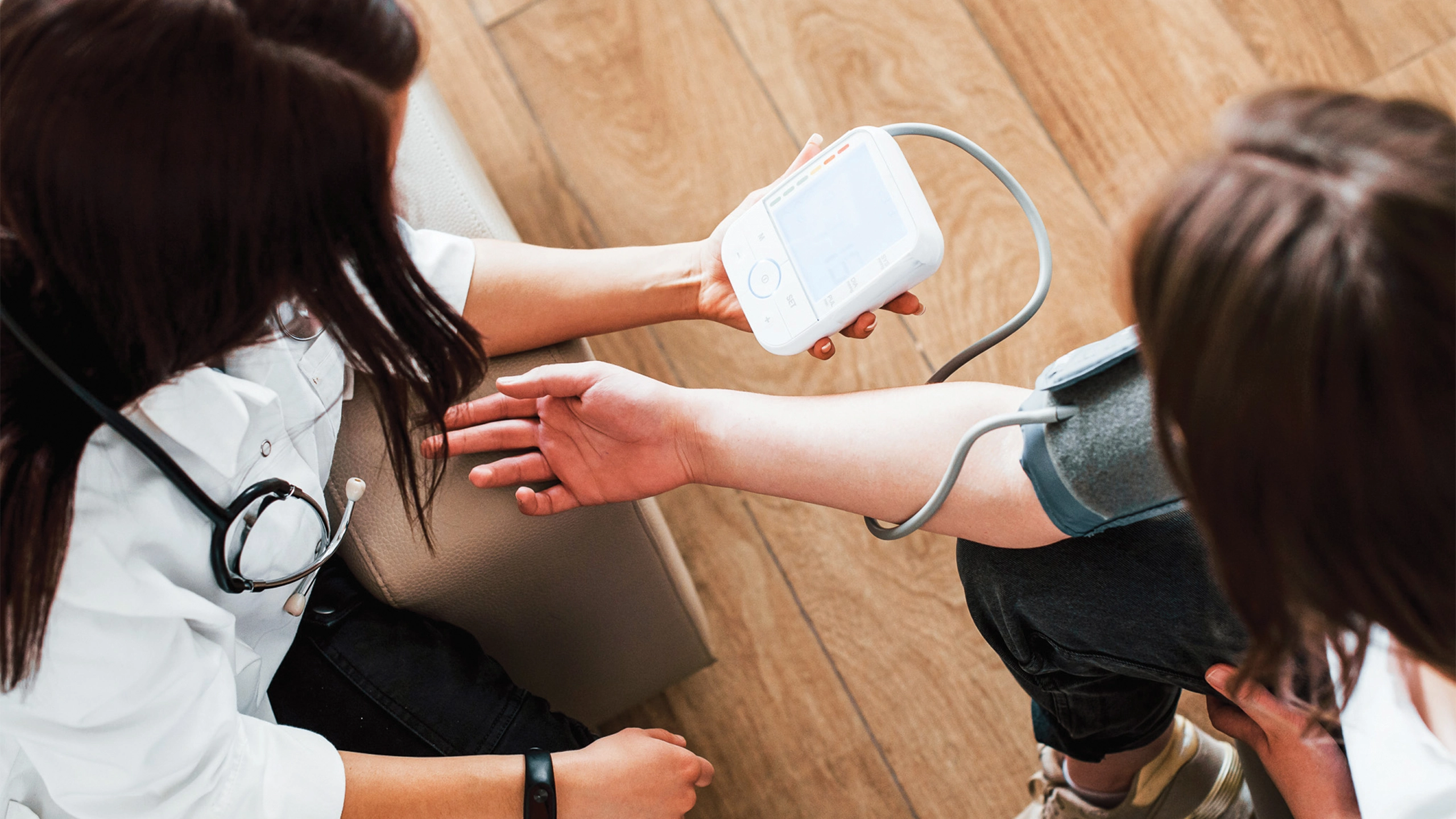
A routine physical examination involves checking your height, weight, and vital signs, including blood pressure. It may also include a review of your medical history. This needs to be done in-person, by your general practitioner or family physician. Health clinics usually offer packages for a full physical exam, and your health insurance should also include a physical examination, usually offered annually.
Most physical examination packages will also include laboratory blood tests, a urinalysis and/or fecalysis, a chest x-ray, an electrocardiogram or ECG, and possibly, a pap smear, all of which are listed below.
Blood tests
A laboratory technician will draw blood to determine your complete blood count, lipid panel to check your cholesterol, and blood sugar to screen for diabetes, among other things. Depending on what your physician will require, or what you will elect to have tested, this may require fasting beforehand.
Urinalysis and/or fecalysis
A urinalysis screens your urine, while a fecalysis screens your fecal matter, or, to put it simply, your poop, for diseases or irregularities.
Chest X-ray
A chest X-ray checks for any infections or issues that may or may not have symptoms, as well any abnormalities in your lungs or fluid build-up. This also ensures that you have no tuberculosis, which is contagious.
Electrocardiogram or ECG
An ECG records the electrical signals your heart sends, checking your heart beat and detecting any irregularities, and potentially, any heart attacks.
Pap smear
An OB-gynecologist will tell you to get a pap smear annually, which involves them collecting cells from your cervix to check for diseases and pre-cancerous cells. Victoria Poblete, MD, of the Philippine Obstetrical and Gynecological Society, urges regular check-ups with your OB-GYN even though nothing seems wrong. “You can seek consultation if you are interested in getting pregnant, if you want to get screened for disease like HPV (human papillomavirus), or if you want to confirm that ‘your normal’ is actually normal, or just to get a basic check,” she says.
Mammogram
For women over 40, an annual mammogram should be included in your list of health to-dos. Medical oncologist Marvin Mendoza, MD, MCMMO, FPSMO, FPCP, of the St. Luke’s Medical Center and National Kidney and Transplant Institute, explains the test as “sort of a simple low-dose X-ray test that allows the doctors or physicians to look for possible early signs of breast cancer.”
Dr. Mendoza also adds if you have a family history of cancer, start these screenings much earlier. “For women with a family history of cancer, start as early as 30 years old.” He also adds that if your mother had breast cancer, then you should begin screening “10 years before the age that she was diagnosed. So, for example, she was diagnosed at age 38, then you should start regularly screening at age 28.”
Eye exam
It’s not just for those who wear glasses. A visit to your ophthalmologist for a routine check-up will determine if your vision is still at 20/20; or if you wear specs, if your grade has gone up or down, apart from checking for other irregularities. In physical exam packages, an eye exam is usually included.
Dental check-up
A dental check-up should be done twice yearly, mainly to check for developing cavities, zero in on any problems early, and also to refine cleaning techniques, such as flossing.
Skin exam
Beyond working through acne, or delivering treatments aimed at giving you a glow, schedule a visit with your board-certified dermatologist to do a thorough screening of your skin, to check for any abnormalities.
Board-certified dermatologists have tools they use to check for early signs of serious diseases, such as skin cancer, which are treatable if you catch them while they are in the early stages. “When Filipinos consult about something that turns out to be melanoma, it’s usually at a later stage, because they were not aware of it, as it’s not too common for us,” board-certified dermatologist Ada Atilano-Bautista, MD, FPDS, head dermatologist at Profero Ageless Aesthetics in Quezon City adds. “But that’s what makes it deadly, when it’s not detected early.”
Mental health check-in
Although the stigma around mental health support still exists in the Philippines, it might pay off to add regular mental health check-ins to your checklist. Licensed psychologist Eiza Fusingan-Lapay, RPsy, chief well-being officer of MindNation shares that Filipinos usually juggle multiple roles. “We’re not just the worker, but we’re also the caregiver, and we’re also the breadwinner,” she says. If you’re having trouble balancing all these roles, it might be helpful to find support with a licensed psychologist.