Interested in Eastern Healing Practices? Here’s a Quick Guide to Traditional Chinese Medicine.
Find out about the tenets of traditional Chinese medicine, just in time to ring in the Lunar New Year.


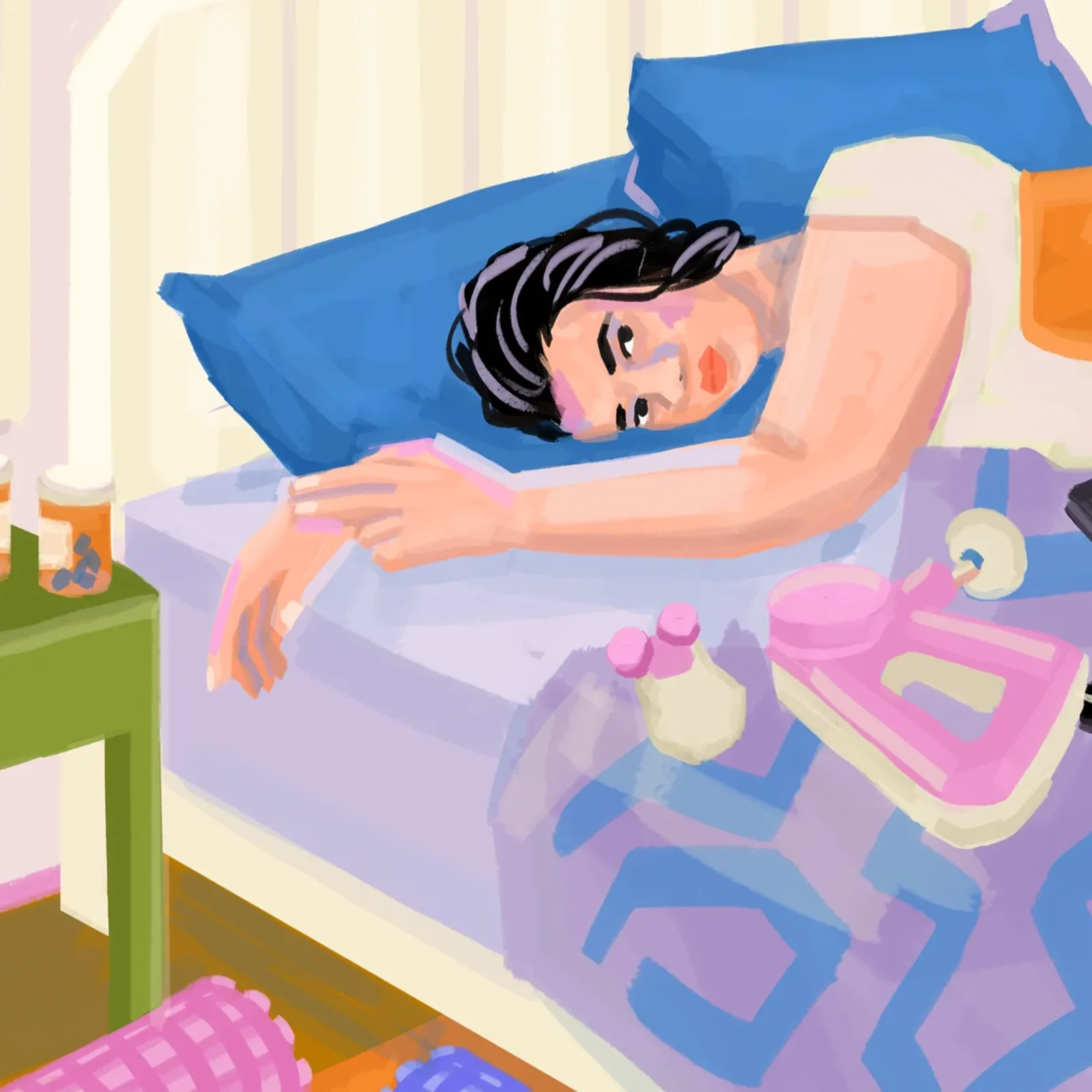
When we get sick, there’s a pretty standard way of going about things: See a doctor–perhaps a specialist—and then proceed with taking the prescribed medication. We think of it as customary and fool-proof, and as a guaranteed way to heal from whatever ails us.
But in other parts of the world—particularly the eastern portions—there’s a different methodology for healing, and for us in the Philippines, it may not be unfamiliar at all. Herbal remedies, massage therapy, and acupuncture—sound familiar? Despite how westernized we are here in the Philippines, eastern traditions and customs are just as deeply ingrained in our culture.
If you’ve ever leaned more towards eastern healing—think natural and herbal cures, or a deep belief in the interconnectedness of the entire body—then traditional Chinese medicine, or TCM, might have already piqued your interest. As we approach the Lunar New Year, making the shift from the Year of the Snake to the Year of the Horse, Allure Philippines asked traditional Chinese medicine practitioner, manual therapist, and movement teacher Filb Tan, who has earned certifications from the Ateneo Traditional Chinese Medicine program, and has been trained in Ba Duan Jin Qigong & Five Animal Qigong in FangYuan Taichi in China, and Taoist Wellness Qigong & Wudang Taijiquan in Wudangshan, China, as well as in Visceral Manipulation by the Barral Institute.
What is traditional Chinese medicine?
According to Tan, traditional Chinese medicine, or TCM, is “an ancient system of health care that originated in China. It is a way of viewing the body as energy and matter, looking at the balances and imbalances that can bring pain, injury, and disease to our body.”
In TCM, Tan explains, the body is viewed as a whole—not as parts of a machine, and with each part needing a separate specialist, which is a view that Western medicine oftentimes takes. He likens TCM’s perspective to that of a garden: “In TCM,” he says, “we look at the body as a garden where you tend to the lifestyle, the environment, and the nourishment of that garden, instead of looking at it from a mechanical perspective.”
How are illnesses diagnosed in TCM?
While the Western approach to medicine usually involves taking a closer look at specific organs or systems, the TCM approach to a diagnosis involves zooming out and assessing the entire body. Tan shares that everything is evaluated—”from the way somebody speaks, to their facial complexion, the hair on their head, their posture, their meridians. These can all be signs of what’s going on in the body. We look at everything from how they feel, where they feel cold or hot, what they experience.”
Tan also brings up what he calls “more clinical applications or diagnostic tools that we use in TCM”—a pulse diagnosis, and a tongue diagnosis, both of which involve zeroing in and gauging the pulse and tongue, respectively. These, Tan clarifies, “tell us the internal landscape of the body.”
What is Qi?
If there’s one term you’ll be hearing over and over again in TCM, it’s qi, what is known as the life force, and in TCM, is practically the barometer of health. Tan breaks down the concept to us: “Qi is the living force that’s in everything,” he says. “We talk about Qi as vital energy in the body. Having good Qi means your health is upright and you have a strong immune system, and everything flows well. Having deficient Qi or a lack of Qi means the body will have a lot of disease, pain, and eventually, disorders.” In TCM, Tan clarifies, the quest for health is tied up with making sure your Qi is balanced.
The Four Pillars
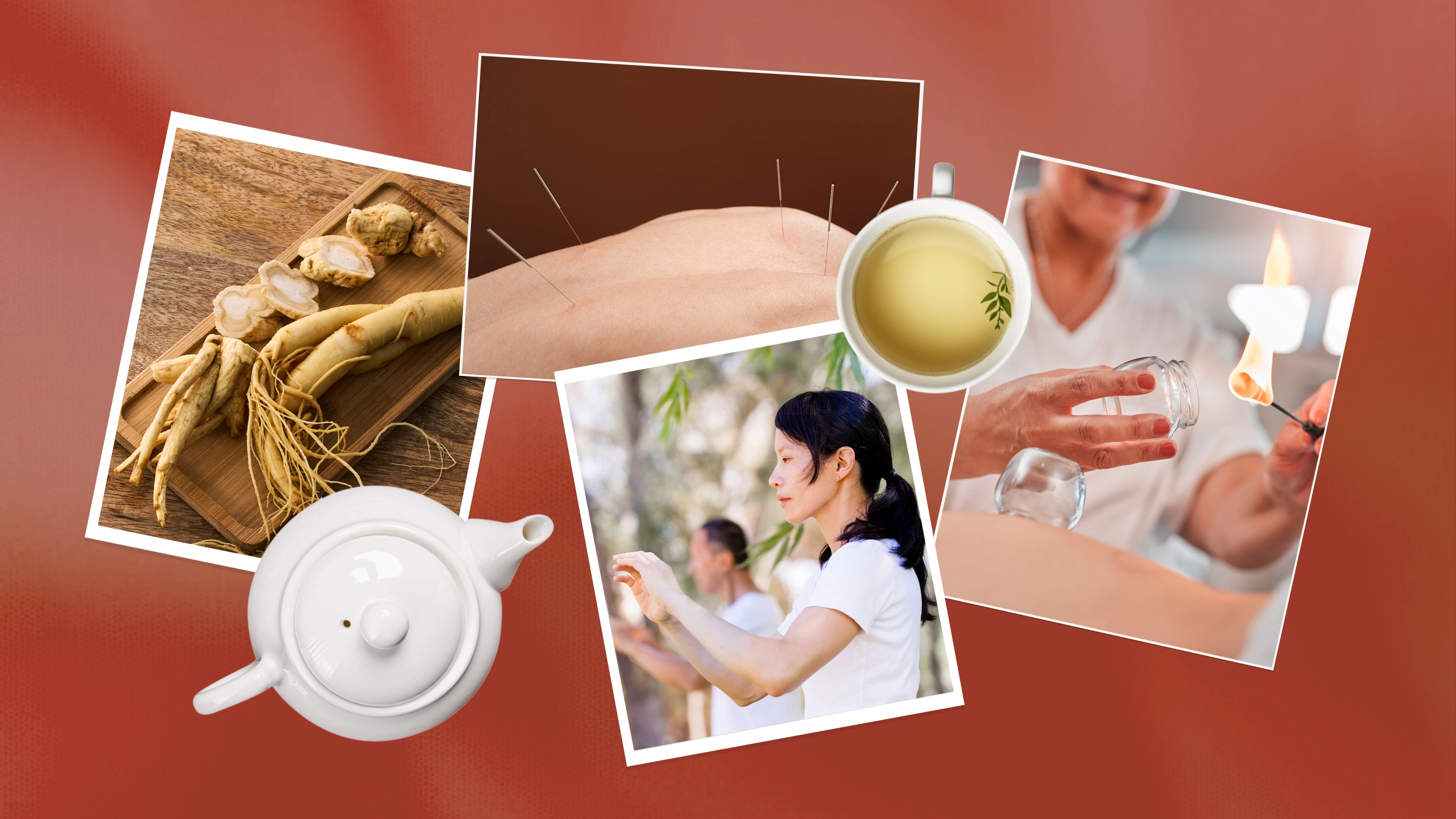
To regulate Qi, TCM, Tan shares, turns to its four pillars, which are as follows:
Acupuncture
A practice not entirely unfamiliar to Filipinos. Tan describes it as “intervention using fine needles to regulate your Qi.”
Herbal remedies
This, Tan explains, involves “using a lot of herbs and even Chinese dietetics.” He calls it “diet or nutritional therapy,” using “food as medicine to balance your Qi.”
Massage therapies
Massages or manual therapies are crucial to TCM. “These come in different forms,” Tan says, “and can unblock and clear a lot of passages of Qi in the body or your pathways.”
Qi Gong
Circling back to the concept of Qi, Qi Gong, Tan explains, “is the ancient medical practice of trying to self-cultivate or heal your own Qi or bring your body back to balance.”
A matter of balance
It’s important to note that eastern medicine doesn’t have to be at odds with western methods. While TCM promotes a more holistic approach to health—as opposed to, as Tan calls it, a mechanical view of the body as parts and not as a whole—it doesn’t mean that you have to subscribe to one method or the other exclusively. In today’s world, where everything, information included, is within reach, finding a path or your own personal method that works for you seems the best way to go—whether it’s herbal remedies taken together with western medicine, or a more holistic approach to total health in modern life today. Just as TCM advocates keeping your Qi or life force at ideal levels, balance truly seems to be the key to navigating today’s landscape, especially where your health and well-being is concerned.