What the Experts Really Think About Your High Heels
Find out what happens to your body on high heels and what you can do make it more comfortable.


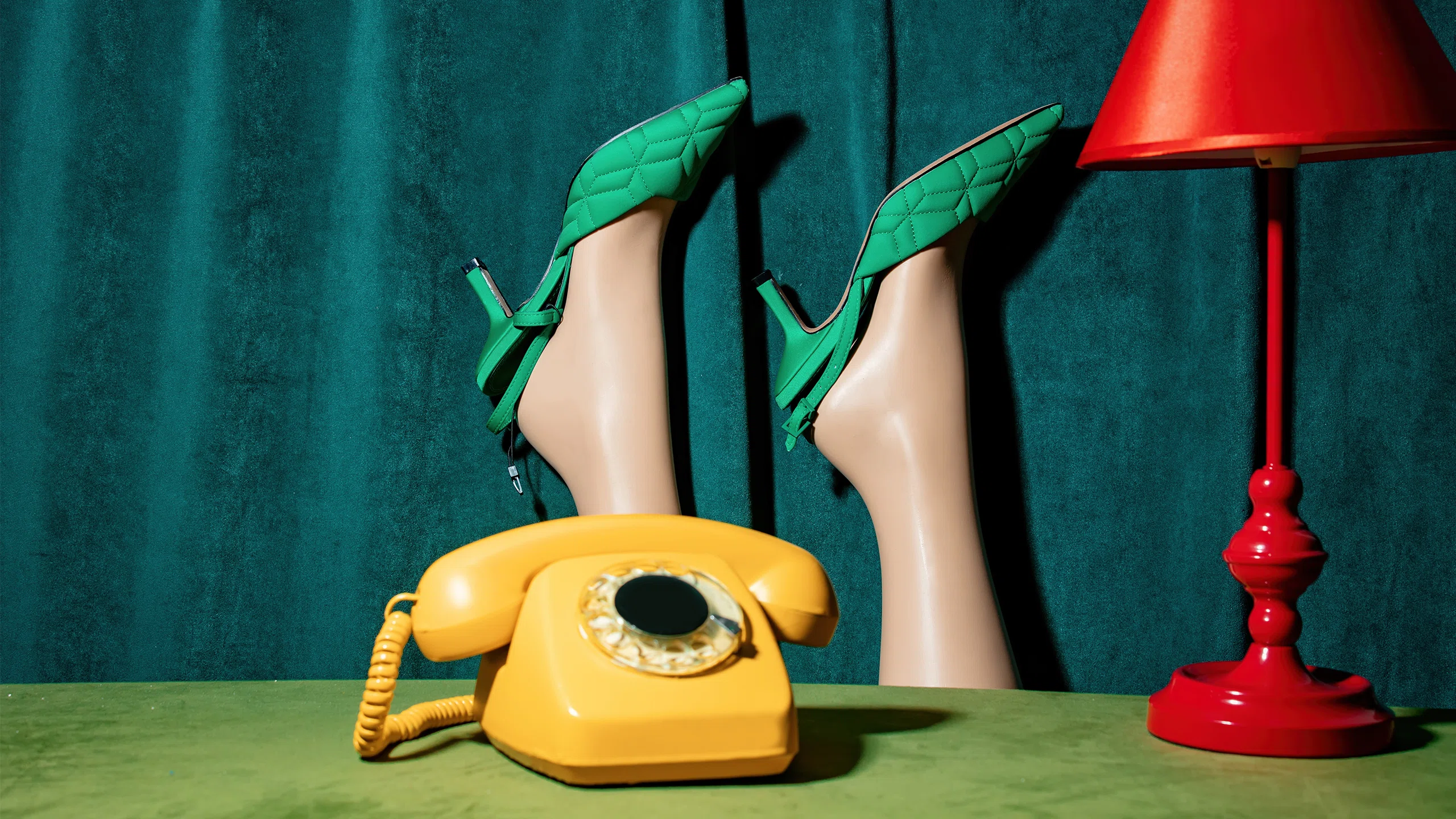
Kicking off one’s high heels, especially after a long day, elicits the same sweet relief as taking off one’s bra upon getting home. Let’s be real: As much as we love stomping about in our heels with the montage of Lucy Liu and Heart’s “Barracuda” playing in our brain, after a while it gets, well, a little uncomfortable.
You’ve probably experienced this yourself after a night of dancing or a day of stalking boardrooms in stilettos: sore feet, aching hips, tight calves, and probably a raw toe somewhere.
An epsom salt soak can only do so much, so we turned to the experts to share with us what exactly happens to the body when wearing heels, and their tips on making wearing high heels more comfortable and healthier for the people who still love to wear them.
“Ever feel like your calves are like lead? Wearing heels shortens and tightens the calf muscles because your heels are elevated, reducing ankle mobility and can lead to muscle fatigue or cramps.”Dr. Rich Pasion, orthopedic surgeon
What happens to your body when you wear heels?
Essentially, when you slip into a pair of high-heeled shoes, your body weight is pushed forward onto the balls of the feet and toes, compressing them and often causing discomfort or nerve irritation.
Rich Pasion, MD, FPOA, FACS, an orthopedic surgeon, adds that pressure on the balls and toes are just the beginning.
Ever feel like your calves are like lead? “Wearing heels shortens and tightens the calf muscles because your heels are elevated, reducing ankle mobility and can lead to muscle fatigue or cramps,” says Dr. Pasion.
Hips can be misaligned. Ah, yes, we love to catwalk-strut in our Louboutins, but “to have balance while wearing heels, your pelvis tilts forward, engaging hip flexors and lumbar spine muscles in unnatural ways. This can lead to lower back and hip pain.”
Lastly, your gait and posture are altered. When you wear high heels, regardless of the heel height, you alter the way you walk, stand, and even balance. “The higher the heeled shoe, the more vertical load falls on your forefoot (toes) when standing, and even a greater load the moment you begin to walk,” explains, Anton Cancio, DC, CCSP, a chiropractic specialist with over 20 years experience in the Philippines and United States, board member of the Association of Professional Chiropractors of the Philippines, and the founder of Cancio Chiropractic.
“Because of this it will demand more energy from your muscles to keep you balanced, overall more work on the muscular system. These additional forces translate all the way up from your feet, ankles, knees, hips, and spine; it’s our kinetic chain of motion. Ultimately, it’s this adaptation that can lead to body and joint pains over time.”
The physical effects of wearing heels
Whether vertiginous heels are a way of life (see Carrie Bradshaw and every single beauty pageant queen) or something you wear only on special occasions, Dr. Cancio shares some of the common complaints and possible injuries resulting from it:
- Short term: lower back, hip, and knee pains, ankle sprains, foot injuries like metatarsalgia (pain or inflammation in your forefoot from too much pressure on the long bones of the feet)
- Long Term: plantar fascitis (a stabbing pain caused by an inflammation of the tissue at the bottom of the foot), achilles tendinitis (pain at the back of the leg caused by injury to the achilles tendon), feet deformities or arthritis like hallux valgus (also known as a bunion), hammer toes
- In more severe cases: nerve injuries, like Morton’s Neuroma (stinging or burning pain, or a numbness in ball of the foot caused by thickening of the tissue surrounding a nerve connected to the toes)
“The higher the heeled shoe, the more vertical load falls on your forefoot (toes) when standing, and even a greater load the moment you begin to walk.”Dr. Anton Cancio, chiropractic specialist
How to avoid high heel injuries
It may be tempting to simply accept the pain and bandaged heels, but there are a number of ways to alleviate or even avoid them. For starters, you can opt to wear shorter heels. Kitten heels, which are one to two inches in height, put less strain.
Dr. Cancio also recommends platform heels, wedges, or thicker heels, such as block heels, as stiletto alternatives as they offer more stability. Remember that scene in “The Devil Wears Prada” where Runway staff are seen exchanging their flats for sleek heels?
Dr. Cancio also recommends packing an extra pair. “Limiting wear time by taking frequent breaks or switching out of them when possible will help prevent prolonged foot pain.”
“But length of wear really depends on the person’s overall health. Some are able to wear them and are perfectly okay, and some just cannot tolerate them too long,” he says. “Choose the right fit that feels most comfortable for you, especially when you plan to wear them for a long duration.”
However, for those suffering from preexisting back pain, Dr. Cancio advises to wear them minimally, sharing that he has some patients who will wear sneakers to events and slip on the heels right before the event—or even just for photo ops.
Dr. Pasion shares additional preventive measures. “Stretch and warm up your calves, ankles, and feet; use cushioned inserts (gel pads, ball-of-feet cushions); choose heels with a platform to reduce the angle of your foot; apply blister prevention like moleskin or silicone pads.” He even suggests wearing a new pair of heels at home to break them in.
Here are other tips for wearing high-heeled shoes:
Stretch
Particularly the calves, hamstrings, glutes/hips, and lower back before and after wearing them. Dr. Pasion suggests yoga’s downward dog and even a towel stretch as being particularly helpful.
Elevate
Literally, put your feet up like a boss, as this reduces swelling.
Soak
Epsom salts do help rescue soreness, but even just warm water can help.
Massages
It aids in the recovery of tired feet, legs and back, restoring proper circulation into muscles.
Drink water
The more hydrated our muscles, the faster they recover.
Get active
A regular fitness routine with emphasis on core activation and stability for balance, maintaining a healthy weight, are essential to prevention of joint pains and muscle aches.
Buy at the right time
Shopping for a new heel? Get them during mid-day, when one’s feet is most swollen. You may also want to add shoe inserts, gel type pads for added cushioning to your cart.
The sole of the matter
While high heels have been criticized (and rightfully so) for its mostly negative physical effect on women’s bodies, its presence as a style option for those who want to wear them is necessary.
Even as recent years have seen dress codes relax, with more people working from home, and the trend for flat shoe styles rise, high heels retain their air of glamour and confidence-boosting sensibilities. When it comes to footwear, making the right–and properly informed–choice is the best foot forward.