Which Workout Works for You? The Truth Behind Trendy Workouts
What social media doesn’t tell you about fitness fads, and how to find what actually works for your body, rather than jumping from one trend to the next.



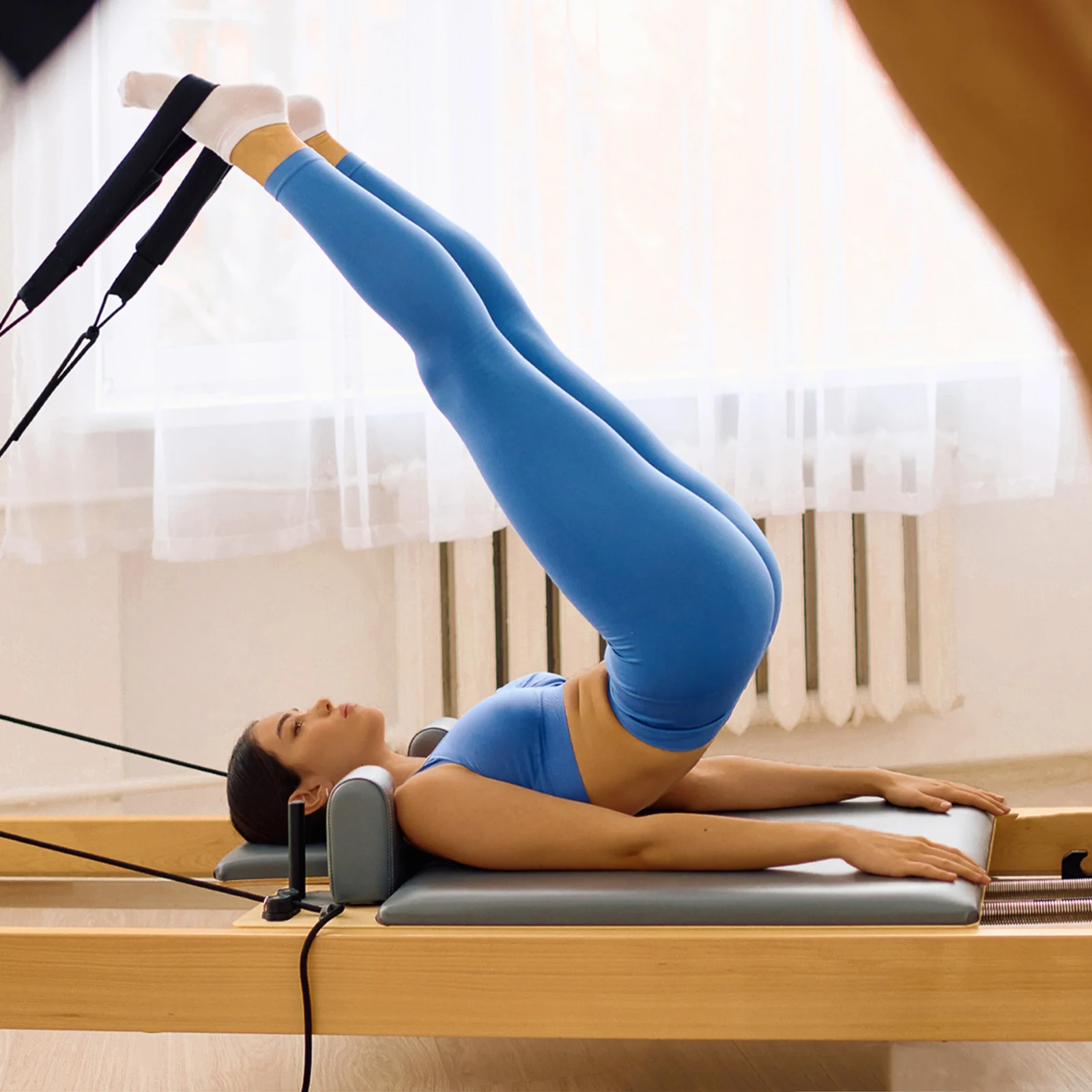
Lagree, reformer Pilates, hot girl walks, Barry’s, bootcamp, barre, spin, run clubs—the list of trendy workouts today reads like a menu of identity. On Instagram, it’s not uncommon to see a fitness routine paired with aesthetics: coconut water girls on mat reformers, corporate bros at Anytime Fitness, runners in Hokas, Pilates girlies in ribbed Alo sets.
But underneath the aesthetics is a deeper question. One that Armand Mendoza, PTRP, a certified fitness trainer and licensed physical therapist, thinks too few people are asking: Is this even right for my body?
“Enticed by social media, the truth is, not a single form of workout will work for everyone,” Mendoza says. “Everybody has different needs physically, socially, spiritually and mentally. The best thing a person could do is consult their doctor and a qualified coach to help assess your health and fitness needs before embarking [on] any activity.”
That process starts with honesty. Not to your feed, but to your life.
A trend doesn’t equal a fit
Social media loves intensity. It rewards sweat. But Mendoza sees that glorification of exhaustion as the fastest road to burnout and injury.
“Know when to rest and integrate recovery in your workout schedule,” he says. “The ‘more, the merrier’ mentality usually leads to burnout and/or injury. Better yet, work with a coach.”
The danger isn’t just physical. It’s emotional, too. When a popular workout doesn’t work for someone, Mendoza says they often internalize it as failure.
“If they think it’s the only way to get fit and strong while disregarding all the other alternatives, then they are really setting themselves up for failure,” he says. “This is especially true if they don’t consult a professional to design a fitness program tailored to them.”
The peer pressure of a workout plan
On TikTok, everything is “life-changing”. Even exercise. No, scratch that—especially exercise. Run clubs are rebranded as therapy. Group workouts double as social calendars. It’s easy to feel like not participating means being left behind.
“Certainly, groups you can relate to often help spark interest in certain activities more than Facebook ads,” Mendoza says. But peer pressure isn’t guidance, and FOMO isn’t a health plan.
So what is the right way to choose a workout? Mendoza suggests evaluating a few foundational questions:
- Availability and access: “Is the workout affordable? Is it near my workplace? Does it fit my busy schedule? If I do it at home, will I have the tools needed for the workout?“
- History: “What worked or didn’t work in the past? Did you have any negative experience with any sport or physical activity?“
- Medical concerns: “[You] might need a doctor to clear you for intense activity.“
- Your social battery: “Do you like working out alone or with a group?“
- Ask for help in your journey: “Get a coach to assist in evaluation.“
And most importantly: ask for help. “You don’t have to do it alone,” Mendoza reminds us.
A smarter way to move
Fitness trends may come and go, but your body will outlast them. The real goal, Mendoza believes, is not to chase whatever’s hot, but to tune in to what actually feels right.
Because ultimately, the best workout isn’t the one that looks best in an Instagram story. It’s the one that keeps you moving—safely, joyfully, and sustainably—for years to come.
- 5 Indoor Workouts You Can Do Daily—Even in a Cramped Condo
- The Rise of Micro Workouts: Why Showing Up Is the Real Flex
- How to Recover Like An Athlete (Even If You Aren’t One)
- What Is the 75 Hard Challenge? Bretman Rock on Why He Tried It—and Why He Let It Go
- I Stopped Chasing ‘That Girl’ Wellness and Found My Own