

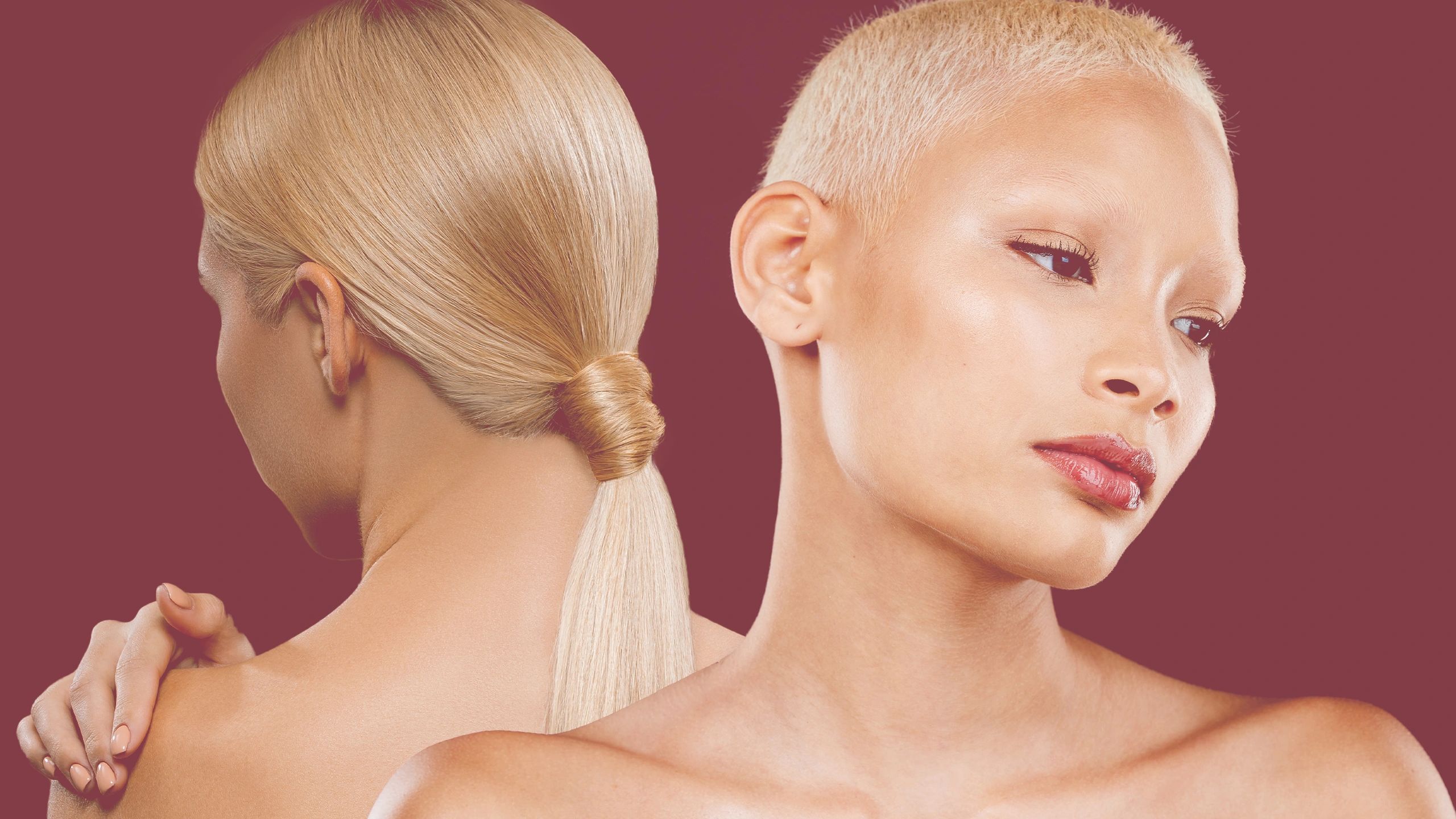
Here’s what you should know before going blonde: It’s not just a color change, it’s a commitment.
I’ve been dyeing my hair since I was sixteen years old, long before I understood what a tonerTonerA liquid step used after cleansing to rebalance, hydrate, or prep skin for the products that follow. Modern toners often focus on hydration or gentle exfoliation rather than stripping alcohol,Go to Toner Glossary was or why my mom kept warning me about “dry ends.” Back then, hair color felt like self-expression on a budget: a box dye, a stained shirt you’d never use again, and the kind of thrill that only comes from changing your looks overnight. But for me, it’s a different story. That’s the “I’m ready for something new” shade.
The urge to go blonde usually hits when you’re craving change. We’ve all been there. A breakup, a new job, or just the need to feel different. There’s something empowering about seeing your reflection shift from dark to light, like shedding an old version of yourself. But behind every Pinterest-inspired photo of “buttery blonde” hair, here are some of the things you should expect before going to your salon appointment.
The reality of bleaching (or lightening)
Bleaching is about chemistry. It strips pigment from your strands while opening the cuticle, making hair more porous and more vulnerable. The lighter you go, the weaker your hair becomes.
Alex Carbonell, creative director at Bench Fix and Studio Fix by Alex Carbonell, says that lightening hair should always be treated as a delicate process.
“I avoid the word ‘bleach’; I prefer ‘lifting’ or ‘lightening,’” he says, “About 50 percent of my clients have experienced lightening services. It’s part of the color process, but pre-treatment and post-treatment are essential.”
He also explains that the key to a healthy lift is preparation.
“We prepare the hair by achieving a pH level of 5.5 to 7 before lifting. We add a bond multiplier to the mixture to keep it gentle, and follow strict rules during the service.”
So, if you’re thinking of going blonde, leave the box dyes on the shelf. Doing it at home may sound tempting, but unless you enjoy fried ends and uneven brass, trust a professional.
“Choose an expert,” Carbonell emphasizes. “Be selective with the brand. Brighter results are more achievable when the canvas is clearer.”
The hidden cost of blonde
As many of us know already, blonde hair is high maintenance. Beyond the initial transformation, you’ll need regular toning, purple shampoos to cancel brassiness, and deep-conditioning treatments to keep your strands alive.
A study shows that bleach lightens hair by breaking down the color pigments (called chromophores) inside the melanin, which is what gives your hair its natural color. This happens through a chemical reaction that can’t be undone, making your hair permanently lighter.
However, lightening your hair begins the moment you plan on it, not when you step inside the salon, according to experts.
Suyen Salazar, founder of Studio Suyen, shares in a previous interview with Allure Philippines, “You should make sure that you’re using the proper products all the time so that when it is time to color, your hair will be less compromised.”
“There are a lot of bond builder shampoos and treatments you can use that help build up strength for your hair. This preps and strengthens your color,” she says.
So, once you go blonde, you’ll never go back (not naturally, at least). You’d have to grow your hair out or dye it back if you want a darker shade again.
It’s a financial commitment too. Depending on your salon, a full blonde transformation can cost anywhere between PHP 8,000 and PHP 20,000, and that’s before toning sessions and home care products. In total, that’s easily PHP 50,000 a year just to keep your blonde looking intentional.
The blonde survival kit
Once you go blonde, your hair becomes high-maintenance by default. Here are a few of according to Carbonell’s expert-approved commandments:
• Bond-building treatments to repair internal structure.
• Leave-in conditioners to keep strands hydrated.
• Hair serums to add shine and seal moisture.
• Heat protectant because heat styling and blonde don’t mix well.
Carbonell also swears by a strict after-care routine. “Post-care products are essential,” he says. “I recommend the L’Oréal Absolut Repair range and nourishing treatments. Use intense hair serums or leave-in treatments to reduce fading.”
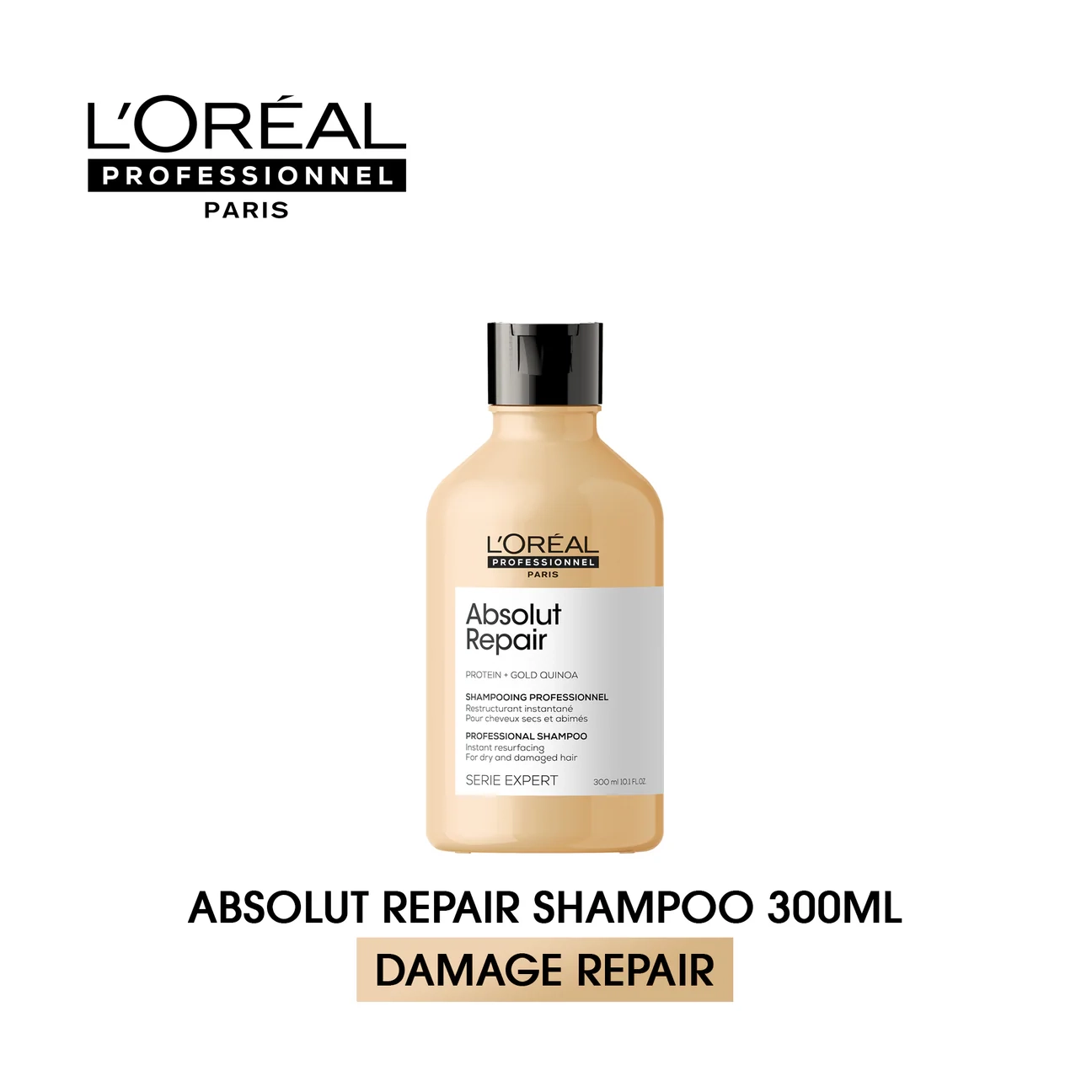
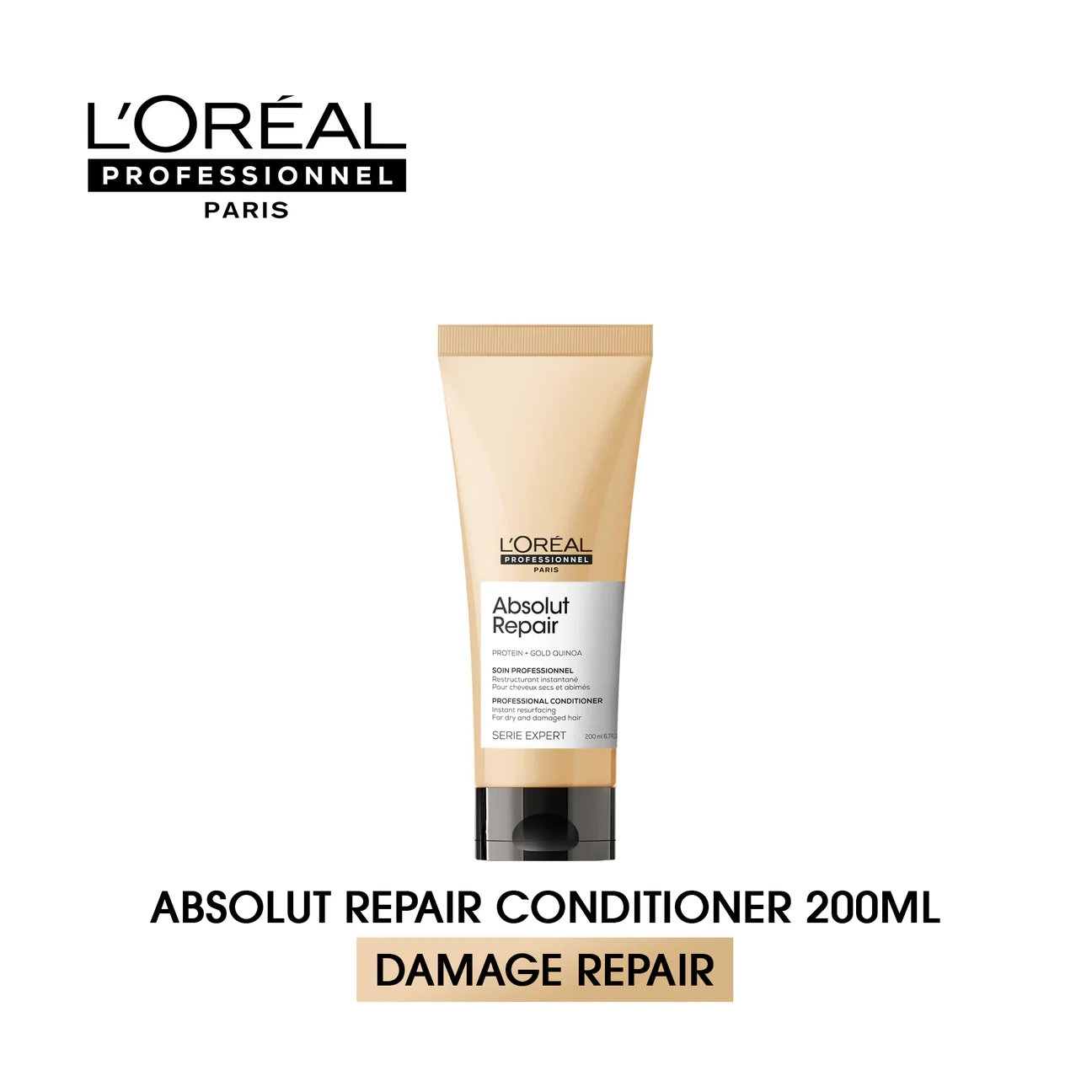
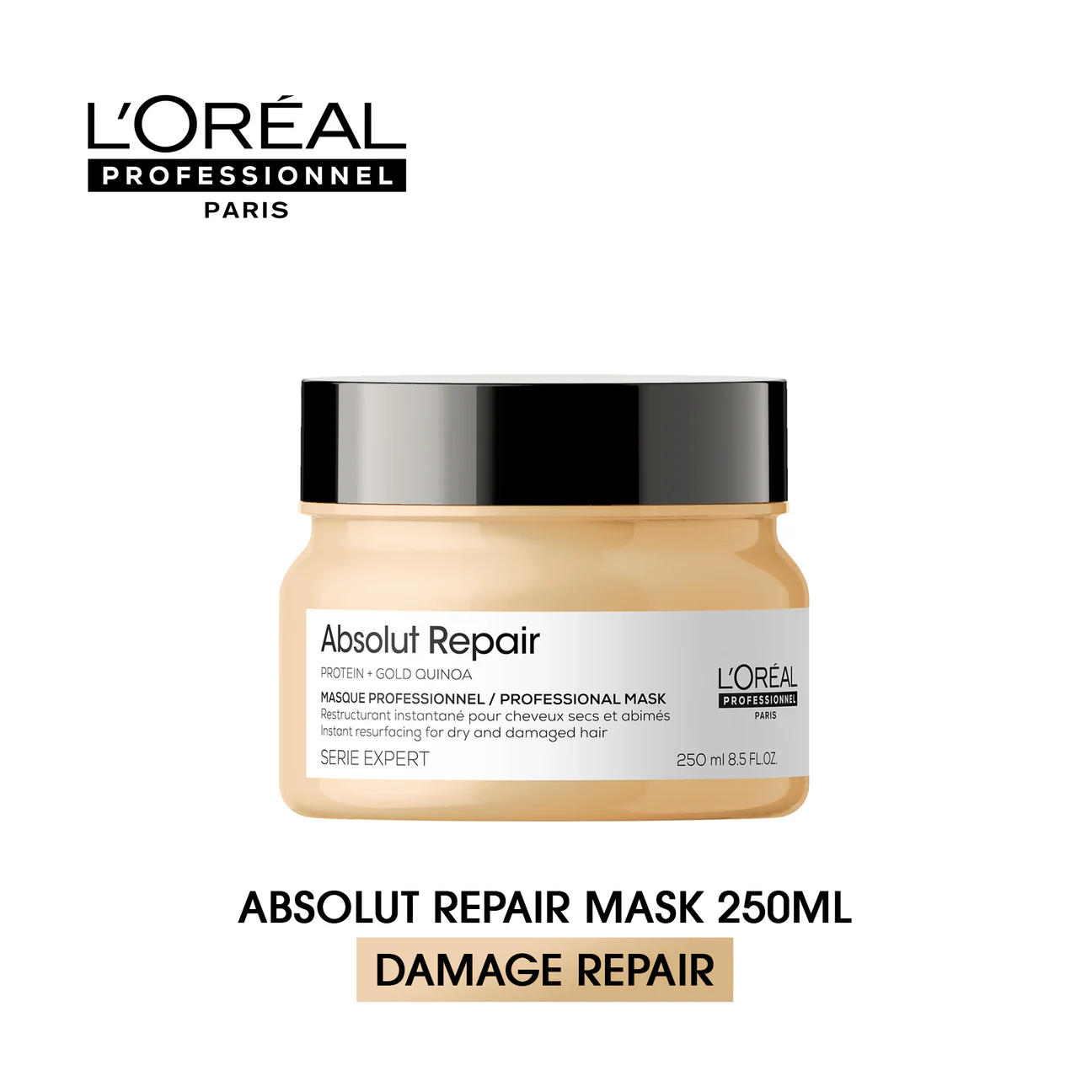
In other words: tone, treat, and trim religiously.
The commitment behind the color
Ultimately, going blonde takes time. It’s a whole journey about care and chemistry, and it’s definitely not instant.
“We lift or lighten because it’s necessary,” Carbonell says, “Brighter results are more achievable when the canvas is clearer.”
So, before you book that appointment, remember: this isn’t a quick glow-up. It’s a relationship. One that demands care, consistency, and commitment. But when done right—it’s worth every rinse, root retouch, and purple shampoo day.
At the end of the day, it’s not really about the shade of your hair, it’s about how you feel wearing it. Whether you go platinum, brunette, red, or stay your natural tone, the goal is to feel your best in the color you choose.
Frequently Asked Questions
Hair lightening and bleaching refer to the same chemical process — opening the cuticle and stripping pigment from the melanin inside the strand. Many salon professionals prefer the term “lifting” because it emphasizes technique and control, though the underlying chemistry is identical regardless of terminology.
A full blonde transformation at a Philippine salon typically ranges from PHP 8,000 to PHP 20,000 for the initial service. When ongoing toning sessions, bond-building treatments, and purple shampoos are factored in, annual maintenance costs can reach PHP 50,000.
At-home box bleaching significantly increases the risk of uneven results, excessive brassiness, and structural damage. Professional salon lightening uses pH-adjusted preparation, bond multipliers in the lifting mixture, and controlled timing — conditions that are difficult to replicate without training.
Post-lightening hair requires bond-building treatments to repair internal strand structure, leave-in conditioners for hydration, serums to seal moisture and add shine, and a heat protectant before any thermal styling. Toning shampoos (typically purple or blue) are used to neutralize brassiness between salon visits.
Yes. The chemical reaction that strips pigment from the melanin inside each strand is irreversible. Lightened hair cannot be returned to its natural color through further chemical treatment — returning to a darker shade requires either dyeing over the lightened strands or growing out the natural root.You said: why is it costs?