
Burning And Sensitive Eyes? The Best Makeup That Actually Works
Tired of watering eyes and smudged mascara? Here’s your complete guide to irritation-free eye makeup—from expert-approved products to step-by-step techniques that actually work.
By Mia Torres


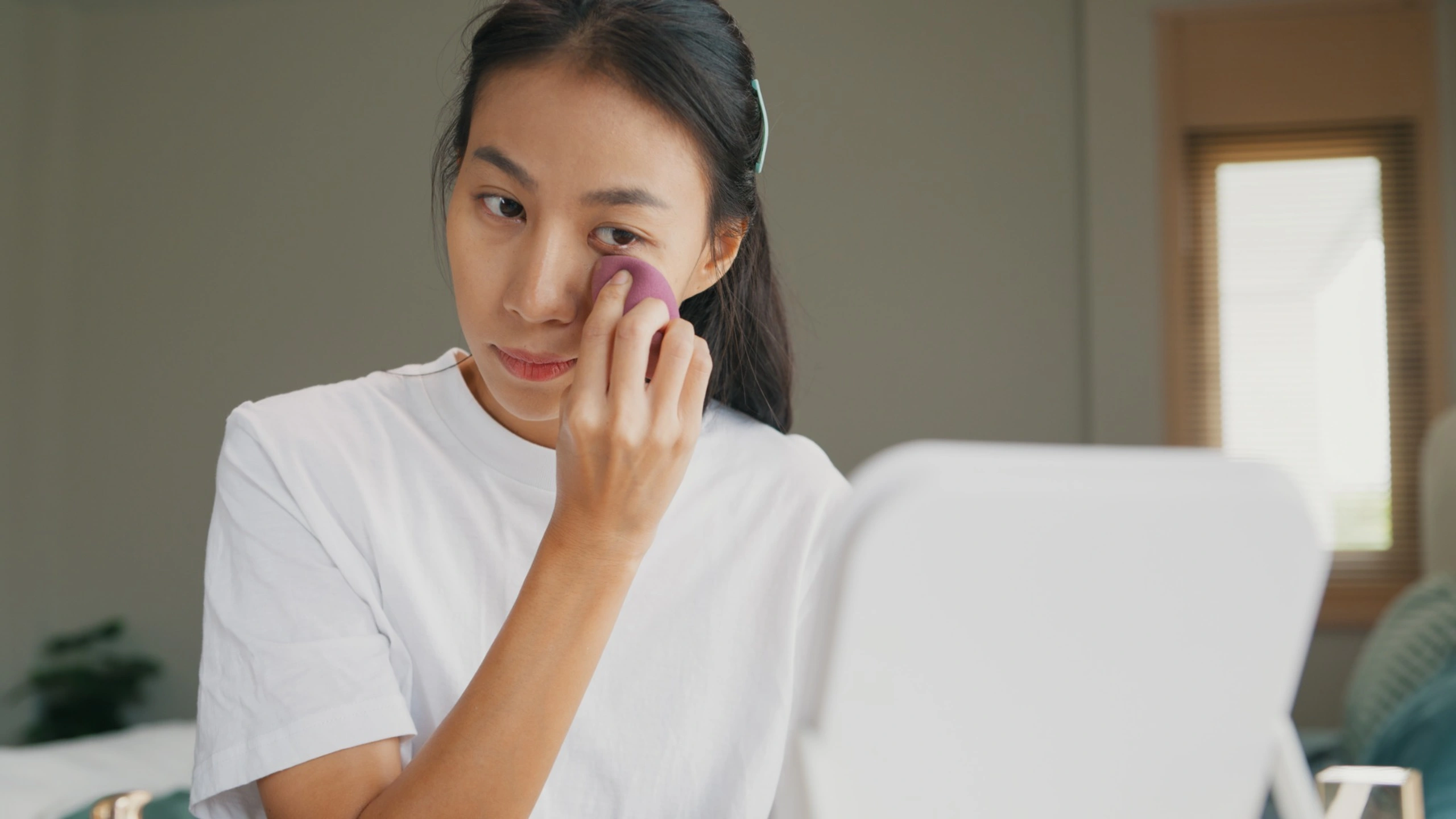
Finding the best makeup for sensitive eyes can be frustrating when everything seems to make your lids itchy or watery. Whether you’re learning how to enhance eye makeup for a big event, experimenting with under-eye makeup for extra brightness, or looking for a beginner step-by-step natural eye makeup routine, the solution is not giving up makeup—it’s choosing gentler products and applying them strategically.
Step 1: What makeup is best for sensitive eyes
Before trying new products, check what is already in your kit. Expired or harsh formulas often cause red, itchy eyes. According to board-certified dermatologist Bradley Glodny, MD, “the skin around our eyes is already some of the thinnest skin on our bodies, which is why it’s so prone to showing underlying blood vessels and musculature,” so gentle, ophthalmologist-tested products are recommended. Waterproof mascaras that require heavy scrubbing may worsen irritation, and switching to tubing or easy-to-remove formulas can help.
Start with a quick makeup bag audit to prevent irritation:
- Toss anything older than six months. Old mascara and eyeliner can harbor bacteria.
- Choose hypoallergenic and ophthalmologist-tested products, especially for under-eye makeup, where skin is most delicate.
- Skip waterproof mascara if it takes a lot of scrubbing to remove — friction can trigger irritation.
Step 2: How to enhance eye makeup without tears
Fragrance-free, ophthalmologist-tested eye products are generally safe and well-tolerated, causing minimal irritation. Choosing gentle formulas and applying makeup carefully helps protect the sensitive eye area, lowering the risk of dryness and inflammation.
Here’s a simple how-to guide that works for most types of eyes and makeup looks:
- Prime lightly: Use a fragrance-free primer or concealer to smooth your base.
- Shadow first: Pick one neutral cream shade. Creams cling better and reduce fallout.
- Skip tightlining: Ophthalmologists warn that lining the waterline blocks oil glands, worsening dryness.
- Mascara last: Go for tubing mascara, which coats lashes without flaking, perfect for makeup for big eyes.
- Hands off: Carry preservative-free lubricating drops instead of rubbing when irritation strikes.
Step 3: Protect your eye health beyond makeup
Even the best makeup routine cannot save you if your eyes are already irritated. Healthy, comfortable eyes start with what you do outside the mirror. Small daily habits matter. How you look at your screen, how often you clean your brushes, and even how you sleep can affect how your eyes feel.:
- Follow the 20-20-20 rule: Every 20 minutes of screen time, look 20 feet away for 20 seconds to reduce digital eye strain.
- Hydrate and sleep well: Dehydration and fatigue can make eyes more prone to redness and irritation.
- Clean your tools weekly: Brushes and sponges can collect bacteria that transfer to your eyelids and cause flare-ups.
- Remove makeup gently: Use micellar water or cleansing balm and avoid tugging, which can break down the skin barrier and worsen sensitivity.
Step 4: Beginner step-by-step natural eye makeup (5-minute look)
If you’re easing into eye makeup or just want a clean, irritation-free routine, this five-step look gives you soft definition in minutes. It’s fresh, polished, and perfect for everyday wear.
- Prime your lids. Start by smoothing on a light, fragrance-free primer or a dab of concealer to even out texture. Good skin prep helps color grip better and keeps your lids from creasing, especially when the weather turns humid.
- Apply one neutral shadow. A single swipe of creamy nude or taupe shadow instantly wakes up your eyes without looking “done.” Use your fingertips to blend—it warms up the product for a soft, diffused finish that flatters any skin tone.
- Curl your lashes gently. Press once at the base of your lashes for a natural lift. For extra definition, angle the curler slightly outward to mimic the lifted shape makeup artists use to elongate the eyes—almost like a beginner-friendly take on the cat eye.
- Use tubing mascara. Coat your lashes lightly for clump-free definition that lasts through heat and humidity. The formula’s smooth wrap keeps lashes lifted and separated—an easy trick pros swear by for natural volume without the crunch.
- Brighten under the eyes. Tap concealer with your ring finger from the inner corner outward, then softly blend toward the temples. This not only conceals dark circles but also brings light back to the face, creating that fresh, wide-awake look makeup artists love.
With these simple steps, your eyes look naturally defined—no heavy blending or harsh lines required.
When to see a doctor
If you notice ongoing redness, swelling, or pain around your eyes, it is a sign to pause your routine and get checked. Makeup should never be uncomfortable. Schedule a visit with a dermatologist or eye doctor to rule out allergies or underlying conditions before going back to your usual products.
Bottom line
The best eye makeup routine for sensitive eyes is not about skipping your favorite products. It is about making smarter choices and building healthy habits. Using hypoallergenic, ophthalmologist-tested formulas and following gentle application techniques will let you enhance eye makeup beautifully and safely.
As celebrity makeup artist Mickey See shares in a previous interview with Allure Philippines about modern Y2K makeup, “No matter what the trend is, your base needs to be natural. It needs to be skin-like, undetectable, and seamless.” The same rule applies to eye makeup—your goal is to look fresh and feel comfortable, not irritate your eyes.
Frequently Asked Questions
Stick to ophthalmologist-tested, hypoallergenic, and fragrance-free formulas to minimize irritation. Tubing mascaras, cream shadows, and soft eyeliners are gentle options that stay put and remove easily. A minimal, high-quality kit helps reduce flare-ups.
Always start with clean hands and brushes, then use a lightweight primer to prevent smudging. Avoid tightlining the waterline and choose cream shadows to minimize fallout. Remove makeup gently with micellar water or balm to prevent tugging.
Skip products with fragrance, harsh preservatives, or glitter that can flake into the eyes. Some pigments, especially bright reds or blues, may cause irritation, so patch-test new items first. Look for “ophthalmologist-tested” on the label.
Yes — tubing mascaras and gel or liquid eyeliners labeled hypoallergenic are best for sensitive eyes. Replace mascara every three months and eyeliner every six to avoid bacteria buildup and irritation.
Wash your brushes weekly and toss expired products to avoid bacteria. Stay hydrated, follow the 20-20-20 rule for screen breaks, and remove makeup gently without rubbing.
Latest Stories


You might also like

To provide a customized ad experience, we need to know if you are of legal age in your region.
By making a selection, you agree to our Terms & Conditions.