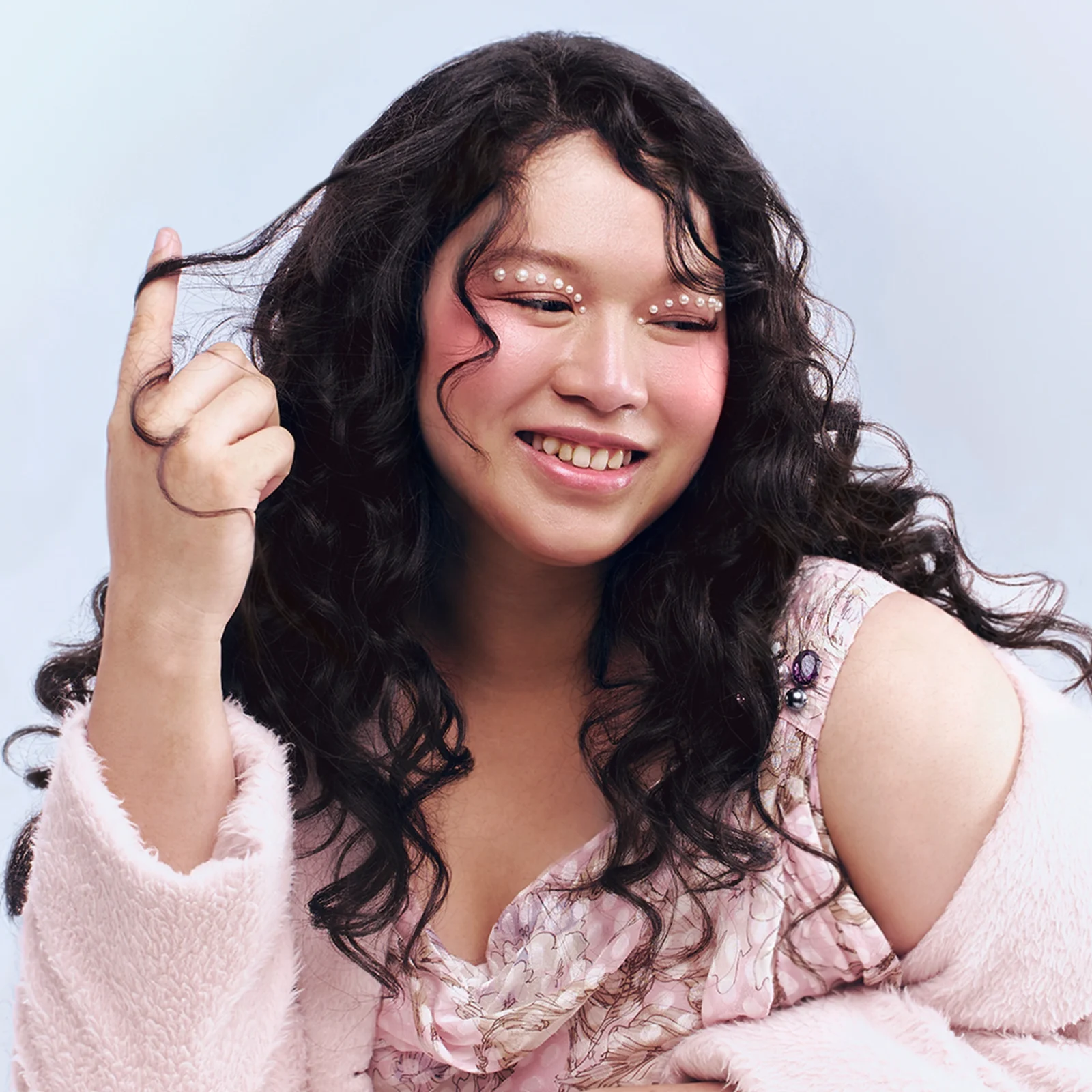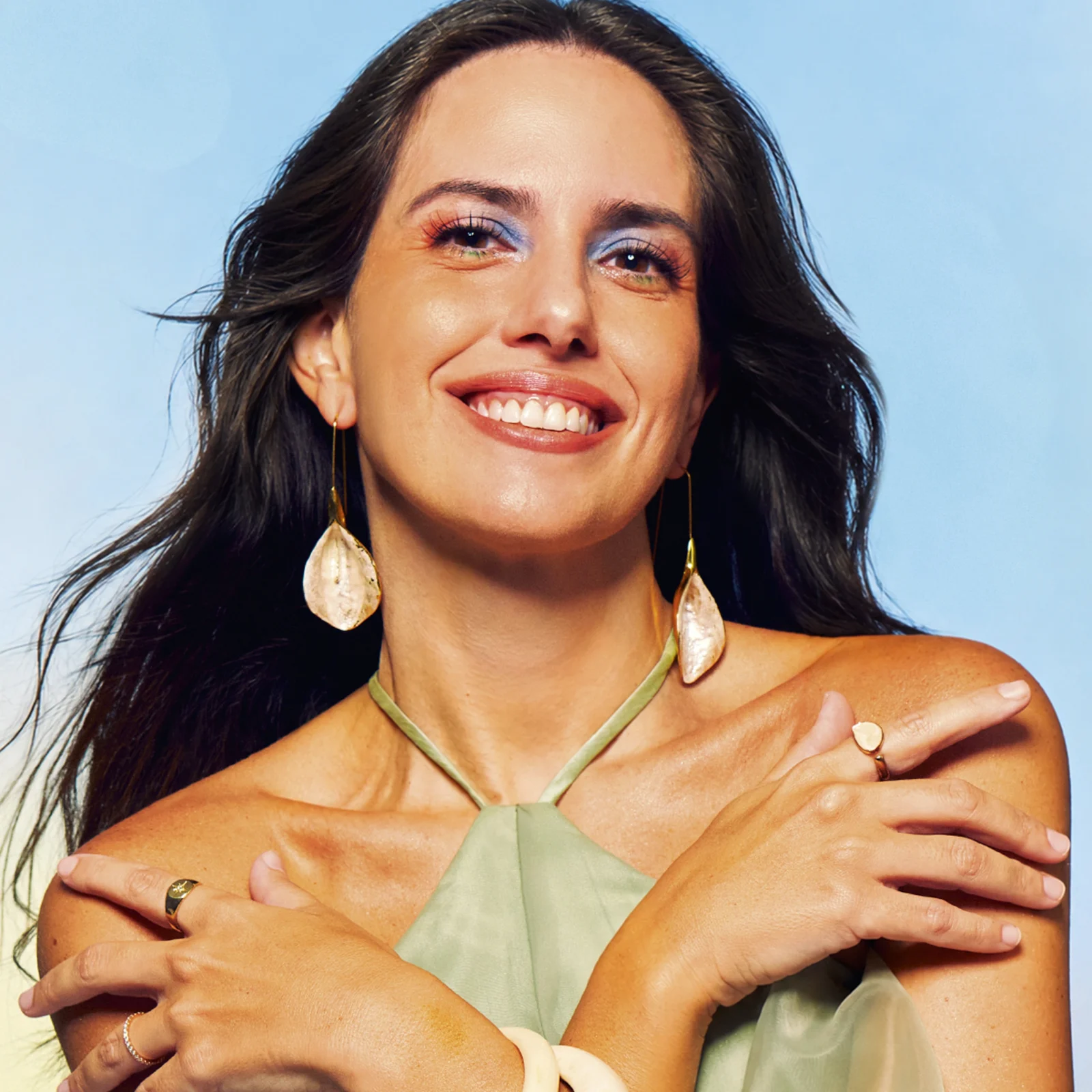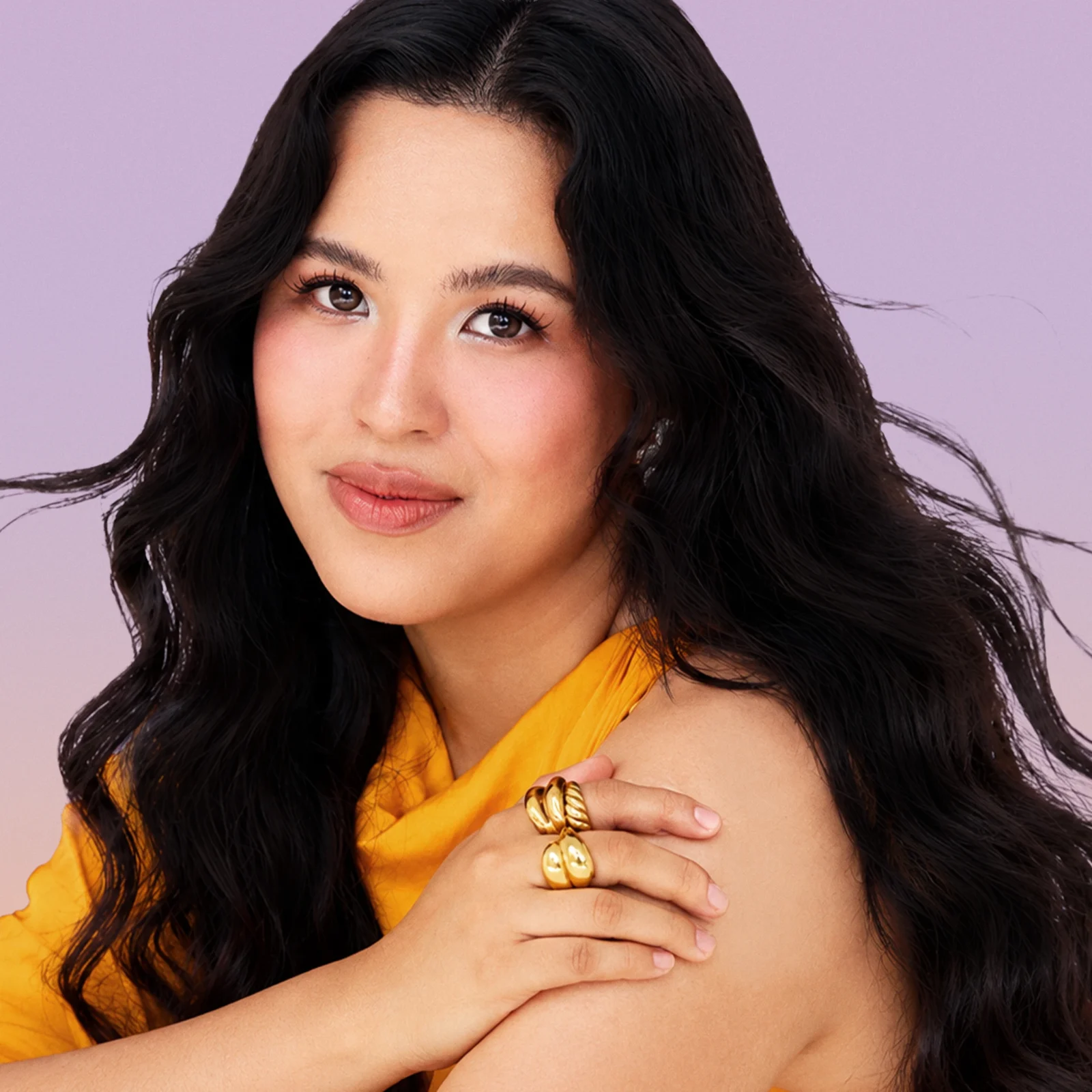


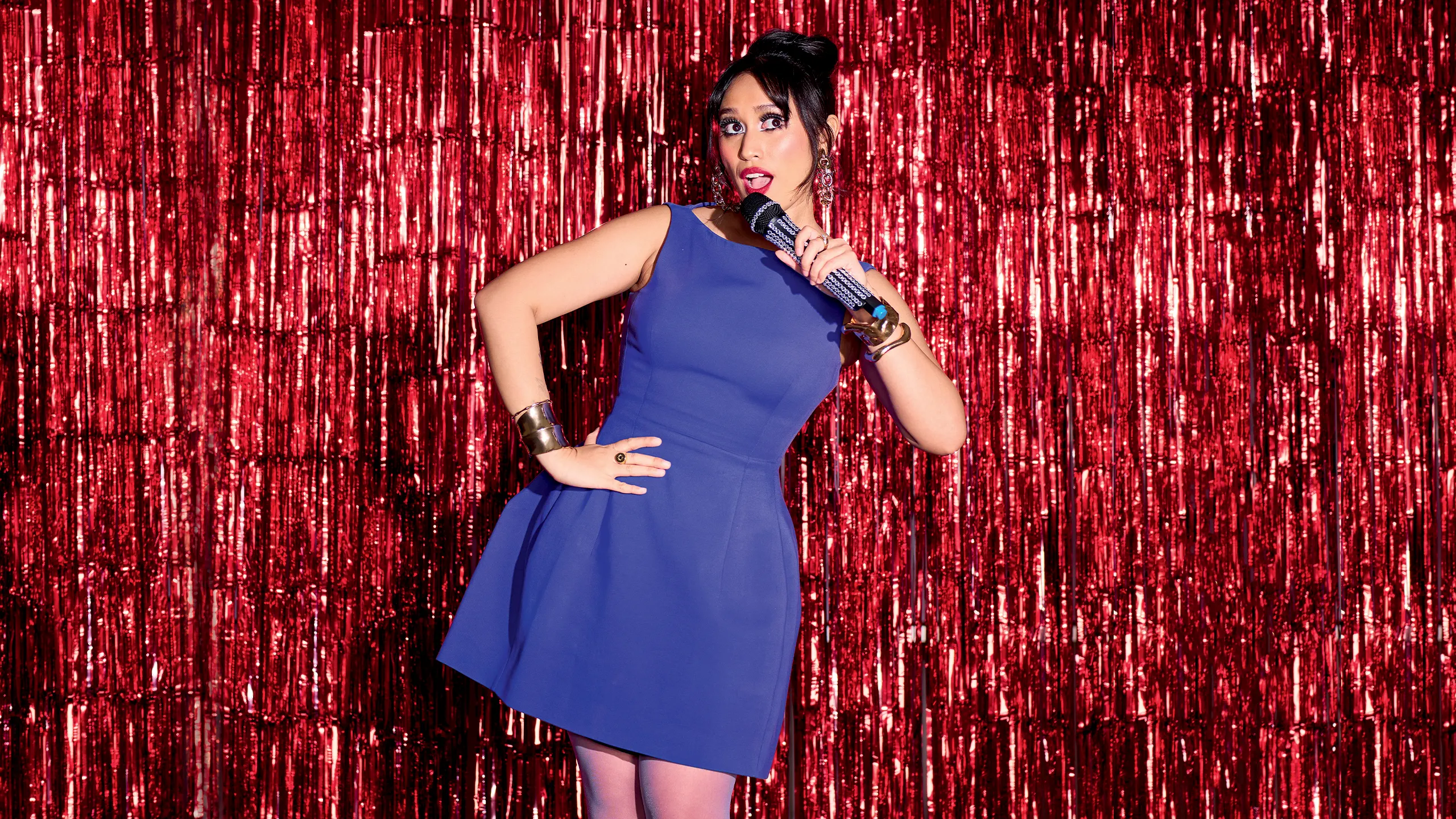
Issa Villaverde has gotten used to being introduced as “the only female in the lineup.”
In the world of stand-up comedy, which Villaverde describes as primarily a “sausage fest,” the female comedians are few and far between. But when Villaverde, a former advertising copywriter, decided to plunge into its deep waters, she was lucky enough to book her first show as one that was billed “Ladies’ Night,” because, she says, “For the first time in Comedy Manila history, there were enough female comics to form a lineup—anim or pito kami, tapos two gays.”
The way Villaverde tells it, she really had to figure out how to navigate a world run, more or less, by men. Armed with her background as a writer, she was already used to creating her own material. It was “just all the same bro-dude jokes in a different font.” Given that, it was easy for her to find her own comedic voice.
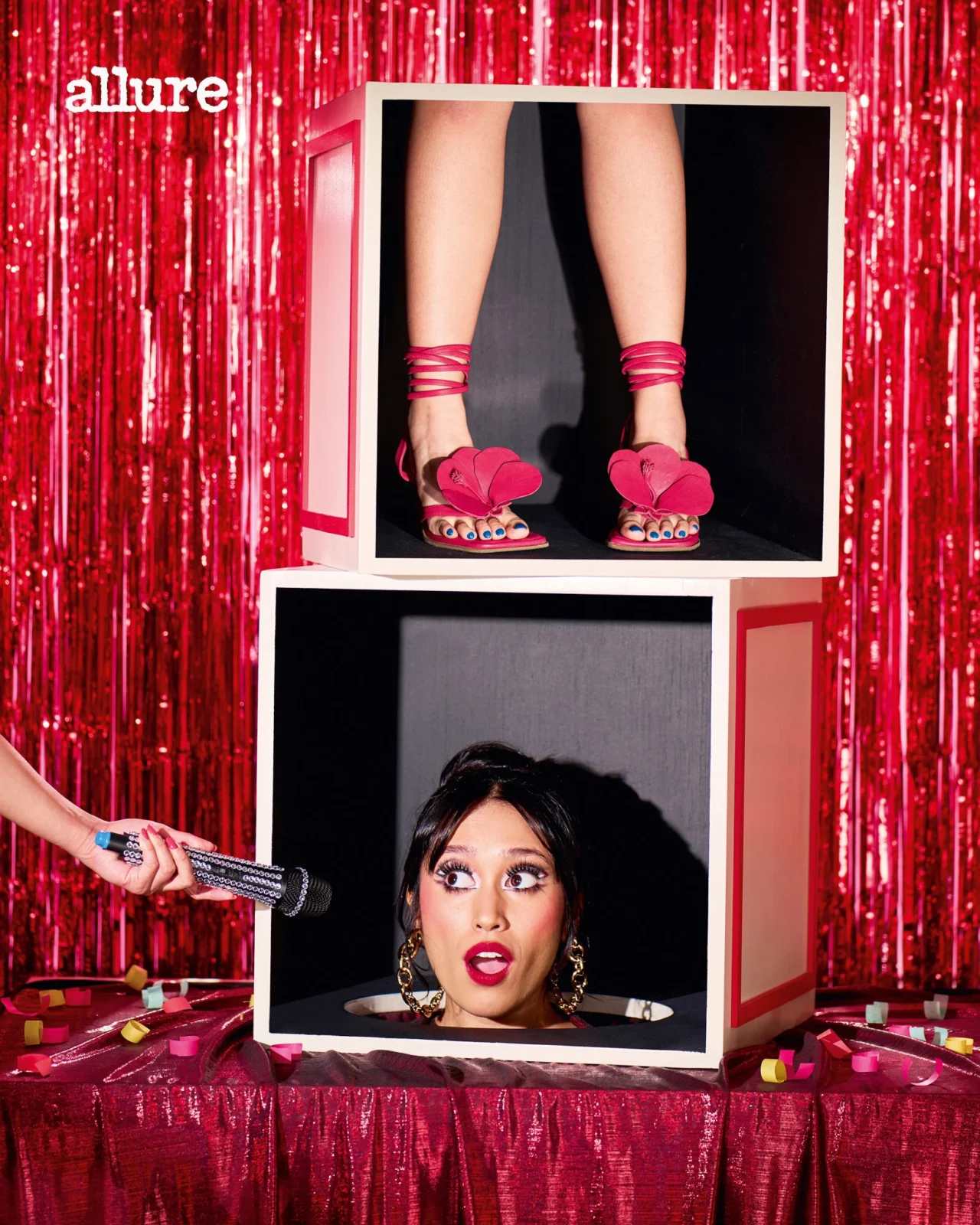
Writing came easy, but learning how to be comfortable on stage was a different story. “Even the audience in stand up, it’s mainly men,” she explains. But although the “frat-boy culture,” as Villaverde calls it, isn’t as prevalent as it was, it took her a while to feel safe enough on stage to even dress like herself. “When I was starting, I didn’t want to dress so feminine, kasi they’d notice, ‘Oh she’s in a skirt, she’s in a dress.’ May ganoon. May natural safety alarms tayo for ourselves,” she shares. “But eventually, I just wanted to be myself, na ‘If I want to wear pink, I will wear pink!’”
If you catch a set by Villaverde, or even if you just watch snippets of her performances that she uploads on social media, you’ll notice that they feel easy and natural. You’re not on edge, waiting for the punchline, rather, it feels like you’re just listening to a friend tell a really, really funny story.
Jharwin Castañeda
“My friends think na ako ‘yung funny one in the group,” she shares. She was told to get into TikTok or YouTube, “But wala akong natural inclination for it. ‘Yun pala, it was stand-up that was for me, which combines all the things I love doing—telling stories, writing.” But at the core of Villaverde’s career shift—which came after burnout at work, and a breakup in her romantic life (“My first instinct was to write a set about what I was going through, and perform it to an imaginary audience. Tapos, natatawa ako sa sarili ko, tapos, umiiyak.”)—is that she just basically loves making people laugh. “I love getting the laughs for real. Para siyang religious experience, pag naka-experience ka ng live laughs on stage.”
Spreading laughter and joy, if it isn’t already apparent, is what Villaverde has set out to do—she entered advertising, because she wanted to make people laugh on a large scale. When asked what joy means to her, she deadpans, “It’s a dishwashing liquid,” before answering, “I think you can find joy in being grateful. That’s why we joke a lot about things we go through. Kasi, we’re grateful we’re still alive.”
Art direction by Nicole Almero. Beauty direction by Larissa Joson, Sacha Mancera, and Mikiyo Ricamora. Production design by Riza Rosal. Makeup by Celine Cabildo. Hair by JA Feliciano. Styling: Geno Espidol of Qurator.
Frequently Asked Questions
Issa Villaverde is a Filipino stand-up comedian and former advertising copywriter who transitioned into comedy after experiencing burnout at work and a personal breakup. Her instinct to write about what she was going through — and perform it to an imaginary audience — revealed that stand-up was the natural outlet for her love of storytelling, writing, and making people laugh.
Villaverde describes Philippine stand-up as a male-dominated space where female comics remain rare. Early in her career, she felt pressure to avoid dressing femininely on stage to avoid drawing attention to her gender. Over time she reclaimed her personal style, but notes that the industry’s historically “frat-boy culture” required conscious navigation before she felt safe enough to fully be herself on stage.
Her copywriting background gave Villaverde a head start in writing her own material — a skill many comics take time to develop. She describes the transition as applying the same craft to a different format, noting that the bro-centric jokes dominant in stand-up were simply “all the same material in a different font,” making it straightforward to carve out a distinct comedic voice.
Villaverde entered advertising specifically because she wanted to make people laugh at scale — a goal that eventually led her to stand-up as a more direct and personal form of the same pursuit. The pivot was catalyzed by burnout and a breakup, both of which she processed by writing comedy material — an experience that confirmed stand-up as the right medium for her.
Villaverde connects joy directly to gratitude — the ability to find humor in difficult circumstances as an expression of being thankful to still be alive. She describes the laughter she earns on stage as almost a spiritual experience, and frames comedy itself as a vehicle for spreading the kind of joy that comes not from avoiding pain but from finding lightness within it.