The Real Cost of Beauty
Behind every routine and ritual lie the hidden taxes women pay to feel “enough.”


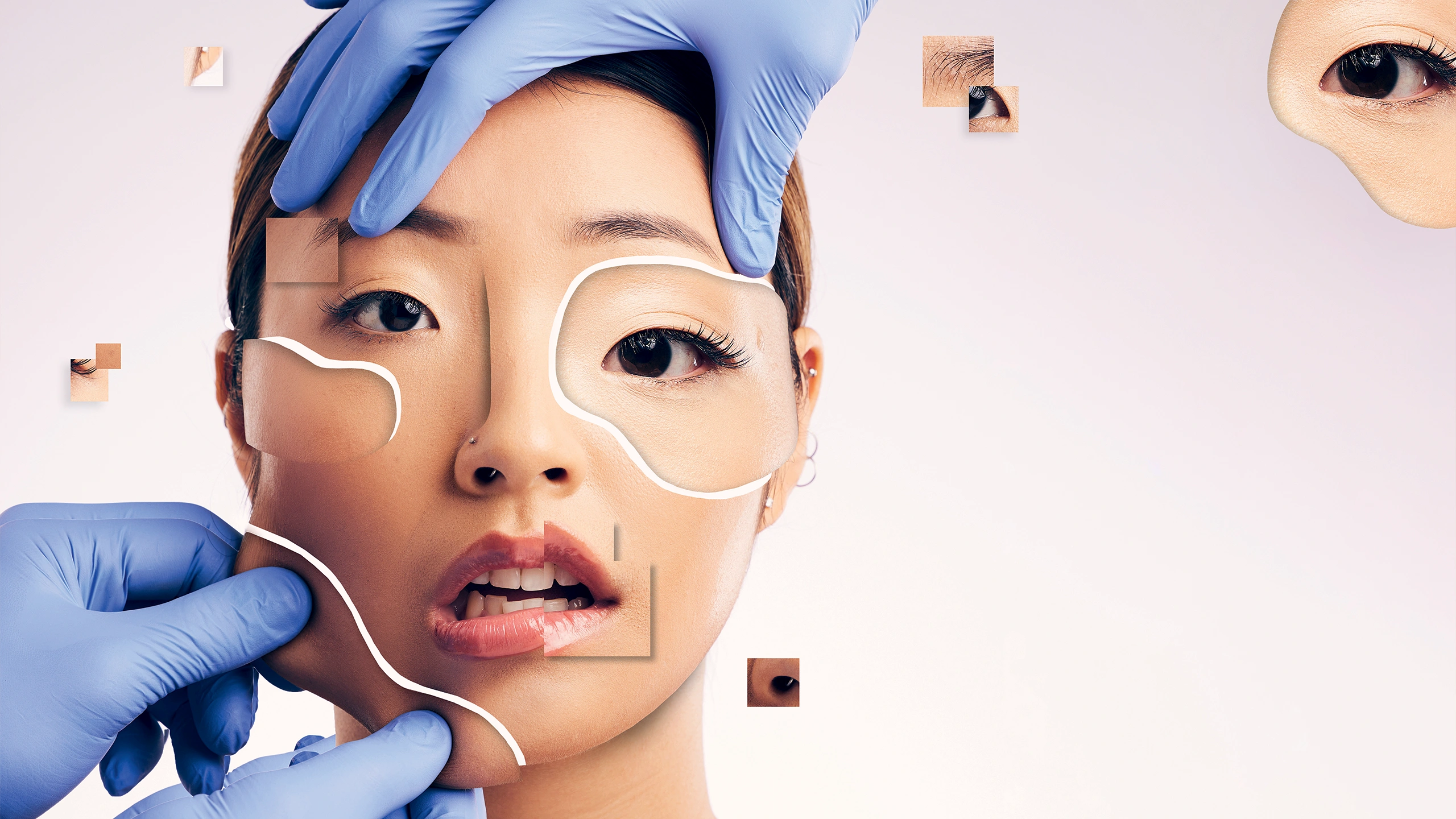
We’ve all been there—sneaking a bottle of foundation from our mother’s vanity, mimicking the way she blended it on her skin. The first time someone said, “You look like you—but better,” it felt like magic. Innocent. Transformative, even.
But decades later, we realize it wasn’t just makeup we were learning to apply—it was a lifelong lesson in what it costs to be considered “enough.”
The more access we gain to beauty, the more it demands of us—in time, money, and emotional bandwidth. After countless lipsticks, facials, and “maintenance” routines, we’ve come to understand that beauty doesn’t just cost money. It costs time, energy, and sometimes, peace of mind.
What once felt like choice now feels like expectation. And what once felt like self-expression has become a kind of self-surveillance.
The truth is, the beauty tax isn’t written on a receipt. It’s paid in how much of ourselves we trade to feel enough.
Beauty as capital
According to The Prosumer Report on Beauty (Havas Ortega, 2025), 67 percent of Filipino prosumers believe physical attractiveness is key to social and professional success. Beauty has become a form of soft power—a currency that shapes opportunity. In the Philippines, where colonial history and social hierarchies linger, this belief runs deep.
Romina Nañagas, a 40-year-old PR consultant and co-founder of skin-care brand Habitude shares how working in PR can make one feel “less than” in terms of physical appearance, fashion and beauty-wise. “The industry can feel so exclusive in that aspect,” she says. She had to “step back, remember what mattered to me, who I was and be okay with my looks and my own style.”
The pressure doesn’t spare younger women either. “There’s always the pressure to ‘look the part,’” says Samantha, 24, a businesswoman who leads her own team. “When you’re the boss, your team looks up to you—not just in how you work, but in how you present yourself.”
Beauty is the new baseline
The same Havas study found that 78 percent of Filipino prosumers believe beauty is no longer innate but attainable—if you’re willing to work, and spend, for it. With technological advances and more access to treatments, the bar keeps rising.
Dermatologist Jasmin Jamora, MD, FPDS, president of the Philippine Dermatological Society, notes how normalized these discussions have become. “The conversations are different now. Beauty treatments take up half the conversation, even across age groups,” she says.
According to the same report, 93 percent of Filipino prosumers believe society is obsessed with physical perfection—a sentiment echoed by both millennials and Gen Z.
“When you’re constantly bombarded with beauty products and recommendations online, you’re more likely to buy them,” says Samantha. “I used to be the type who would purchase something just because a certain influencer or celebrity said it was good.”
For 28-year-old model Joanna, beauty media and trends may influence her, but she tries to filter them based on what actually suits her. “For me, beauty isn’t just about appearance—it’s part of my job, but also a form of self-care that helps me feel confident and professional.”
What began as empowerment—the freedom to choose how we look—has quietly evolved into expectation. Beauty isn’t a luxury anymore. It’s the new baseline.
The rising beauty tax
In 2023, the Philippines wellness economy—which includes beauty and personal care, physical activity, mental health, nutrition—was worth USD 43.3 billion, up by 21 percent from 2019.
The market contributed about 9.9 percent to the country’s GDP in 2023, ranking it 12th worldwide. No doubt the market is growing, fueled by many factors. On an individual level for this article, the annual spending for beauty products and treatment varies per person.
Samantha estimates she spends PHP 200,000 a year on products and treatments; Joanna, nearly PHP 30,000; Nañagas, between PHP 15,000 to 20,000. Yet the true cost goes beyond pesos. “The pressure can be a bit high, especially if you’re active on social media,” says Dr. Jamora. “There’s a lot of demand and desire triggered by social pressure and friends.”
When beauty becomes obligation—when self-care turns into self-surveillance—the cost isn’t just financial. It’s emotional.
“Are they more willing to take risks? [T]he answer is, yes,” says Dr. Jamora of many of her patients. “I think the pressure can be a bit high, especially if you’re active on social media or [being] a salesperson.”
While she clarifies that there are many reasons that drive the demand for beauty, it’s not always just beauty or aspirational. However, Dr. Jamora concedes that “there’s a lot of demand and desire that is triggered by social media and also pressure from friends.”
Even in the midst of the growing commodification of beauty and wellness, beauty rituals are still often seen as something personal and uplifting, not related at all to a price tag. When it becomes an obligation and a need that is separate from our own sense of selves, the price becomes questionable.
The price of being seen
But the true cost of beauty goes beyond economics. It’s also emotional and psychological.
Psychologist Joanne Herrera, PsyD, RPsy and co-founder of We Thrive Consultancy, says that while expressing oneself through appearance can be empowering, it can also feel like pressure. “Being presentable means I’m meeting certain standards of what people think presentable is, and I think that’s detached from who we are,” she says.
Modern Filipinas walk a tightrope between self-care and societal expectation. Platforms like social media have amplified this. While they have democratized beauty, they’ve also reinforced unrealistic ideals and the pressure of “pretty privilege.”
Sociologist Joanne Rondilla, PhD, points out that while there is progress in how beauty is discussed, especially among younger people, that change is selective—and commercial. “Power structures provide the illusion of change as long as it’s profitable,” she says. “But it’s not sustainable or progressive in the way we’d like.”
What once felt like self-love can easily become an obligation. The endless pursuit of looking “effortlessly beautiful” becomes another form of labor—one that’s unpaid, unseen, and expected. For many women, especially those who grew up equating beauty with value, untangling self-worth from appearance is difficult.
Even within performance-driven spaces, authenticity can exist. Content creator Ayn Bernos, an advocate for morena beauty, says, “Authenticity means showing up as yourself truthfully—online or offline. It’s representing your values, beliefs, and identity with honesty.”
She adds, “It doesn’t mean giving people full access to your life. It includes setting boundaries.”
Still, the work of healing isn’t ours to do alone. Dermatologists like Dr. Jamora are often the first point of contact. “They’ll come to us for beauty… We get the opportunity to counsel them, to really listen to what their concerns are, to listen to their stresses, whatever is bothering them.”
And this connection between stress and aesthetics isn’t just societal—it’s biological. Dr. Jamora notes that the skin and brain come from the same embryonic layer and are connected through the vagus nerve. “Stress almost always shows up on the skin.”
Holding up a kinder mirror
Healer, energy coach, and former fashion photographer Sara Black puts it simply: “Beauty can be liberated. It doesn’t have to be enslaved with all these preconditioned notions that are existing within.”
“It really starts with the intent,” she adds. “Do you want to experience beauty in your life, or do you want to stay stuck in how you were conditioned?”
Dr. Herrera also advocates holding up a mirror of compassion, not criticism, judgement, or shame. “It’s what we can hold up for each other,” she says, offering three guide questions:
When I care for my body, am I expressing love for my body or trying to earn it?
How can I enjoy beauty or my physical self as a creative expression of my true self without letting others define myself?
What would it mean in this season of my life to feel at home in our bodies without the need to perfect anything?
Maybe the real rebellion isn’t about rejecting beauty, but reclaiming it. To remember that beauty was never meant to be a currency, or a checklist, or proof of our worth.
The truth about beauty—the part no one sells you—is that it’s not something to earn, but something you already have. It’s in the softness of showing up as yourself, the courage to be seen without apology, and the grace to let your reflection change without feeling like you’ve lost anything.
Because the highest form of beauty isn’t about perfection. It’s about permission—the freedom to decide what being enough truly means for you.
Frequently Asked Questions
The beauty tax refers to the cumulative financial, emotional, and time costs Filipino women incur to meet societal beauty standards. Beyond product and treatment spending — which can range from PHP 15,000 to PHP 200,000 annually — the cost includes emotional labor, self-surveillance, and psychological pressure tied to appearance.
Annual beauty spending varies widely. Based on personal accounts gathered for this report, Filipino women spend anywhere from PHP 15,000 to PHP 200,000 per year on beauty products and treatments, depending on profession, lifestyle, and social media exposure.
The 2025 Havas Prosumer Report on Beauty found that 67 percent of Filipino prosumers believe physical attractiveness is key to social and professional success, and 93 percent believe society is obsessed with physical perfection — reflecting how deeply beauty has been tied to opportunity and worth in the Philippines.
Psychologists note that for many Filipinas, beauty has shifted from self-expression to obligation — a form of self-surveillance rather than self-care. When appearance becomes tied to professional credibility and social acceptance, it can erode self-worth and increase anxiety, particularly among women active on social media.
According to Dr. Jasmin Jamora of the Philippine Dermatological Society, the skin and brain originate from the same embryonic layer and are connected through the vagus nerve. This biological link means stress almost always manifests on the skin — making mental and emotional health directly relevant to skincare and dermatological concerns.
Rissa Mananquil Trillo
Rissa Mananquil Trillo is the Editor-in-Chief of Allure Philippines and one of the country's leading beauty authorities.
With over two decades of experience spanning beauty journalism, product development, and editorial leadership, she specializes in skincare, makeup, cosmetic science, wellness, beauty trends, and the business of beauty.
Before leading Allure Philippines, she was a longtime beauty columnist for The Philippine Star and co-founded Happy Skin. During her tenure, the brand grew to 100 retail counters, earned multiple beauty and retail awards, and contributed to her being named Woman Entrepreneur of the Year by Ernst & Young Philippines in 2017. She exited the company in 2021.
She is the author of the bestselling book Read My Lips: What It Takes to Build a World-Class Homegrown Brand, a UN Women Philippines Champion, and a frequent speaker on beauty, entrepreneurship, and women's leadership.
Latest Stories


You might also like
To provide a customized ad experience, we need to know if you are of legal age in your region.
By making a selection, you agree to our Terms & Conditions.