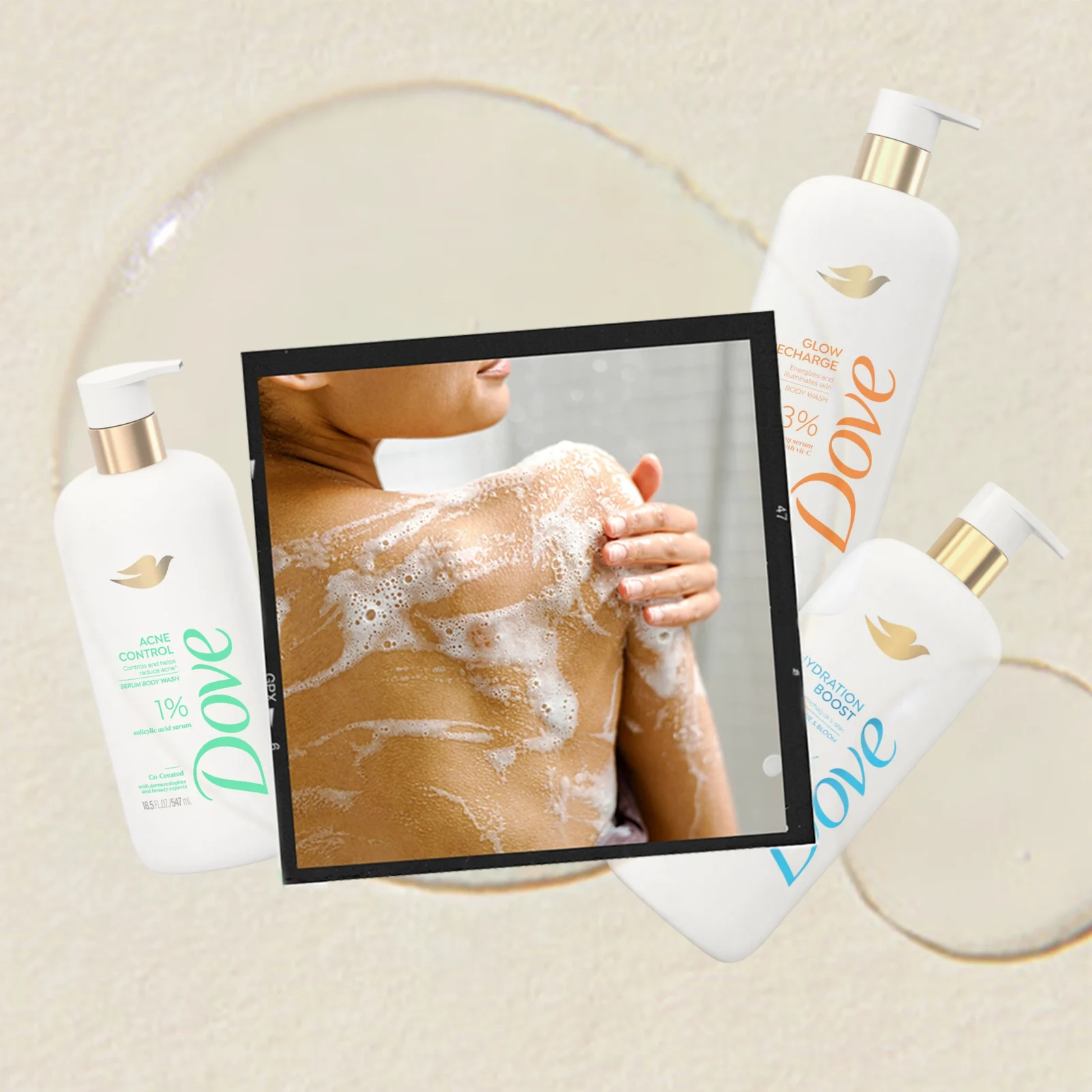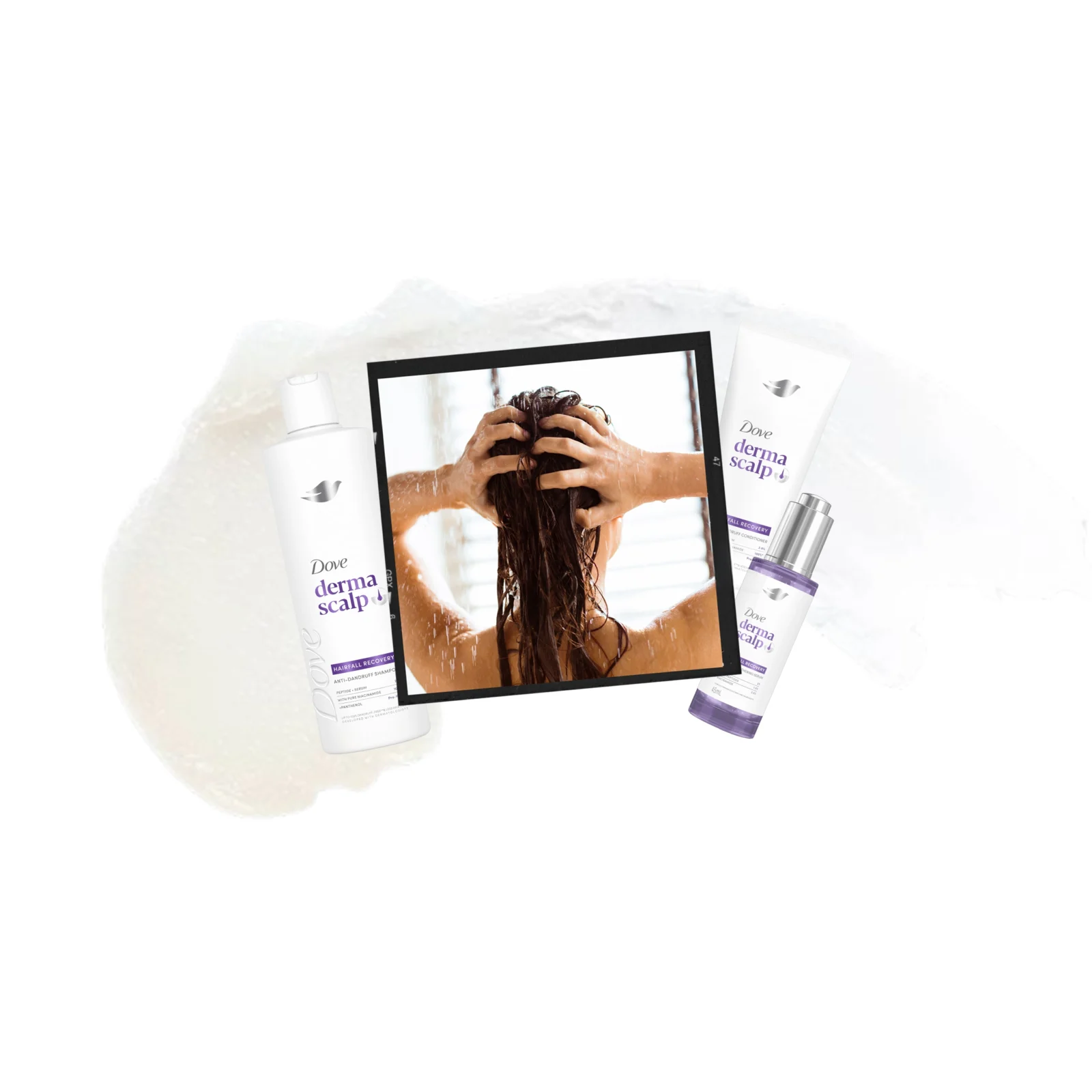


We’ve all heard about what hyaluronic acid (HA) can do for the skin’s top layer. In skin care, hyaluronic acid works like a magnet for moisture. It sits in (and on) the upper layers to help skin look more hydrated, bouncier, and in some cases, plumper, because it holds on to water.
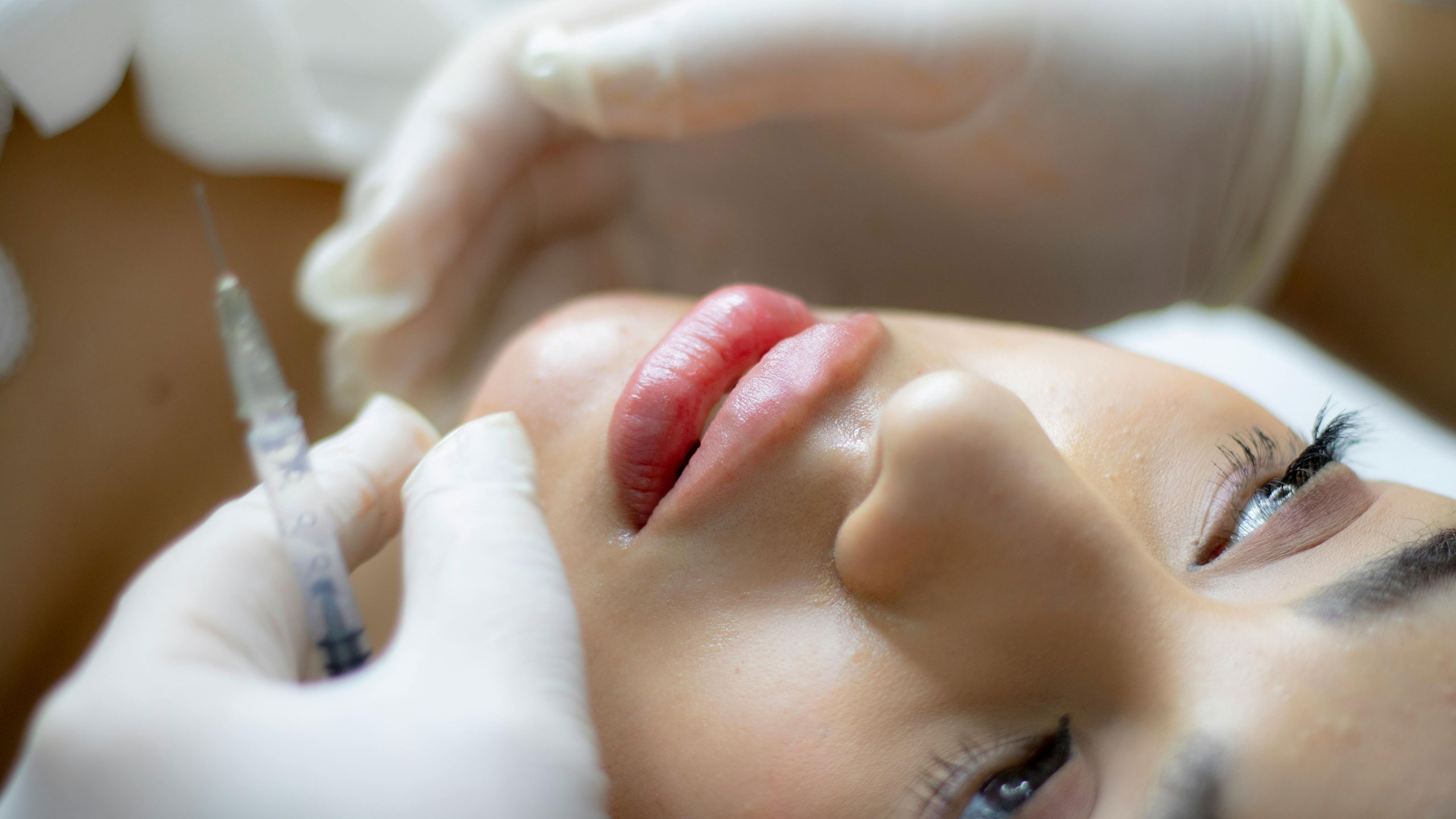
Injectable hyaluronic acid has a different job description. It contains the same type of molecule—HA is naturally found in our bodies—but for clinical procedures, it’s formulated into gels designed to behave in specific ways once placed beneath the skin. Think softer, more flexible options meant to move naturally (especially in expressive areas), firmer gels built for support and precision, or skin-quality injectables geared toward hydration.
If I already use a hyaluronic acid serum, how is injectable HA different?
Topical HAgives a quick, temporary effect on the surface, all thanks to its ability to hold water. According to Baldo Scassellati Sforzolini, M.D., PH.D., Global Head of R&D, of Galderma, injectable HA, on the other hand, is engineered as a gel designed to be placed beneath the skin, where natural collagen and supporting structures exist.
“HA injectables are formulated to stay in place and provide lift, volume and deep hydration from within, helping to improve the skin’s deeper structure. Topical HA can hydrate the surface, but it can’t reach or achieve those deeper effects” explains Sforzolini.
In simpler terms, topical HA helps the skin look hydrated, while injectable hyaluronic acid is designed to hold and move in the tissue. That’s why one “filler” isn’t automatically interchangeable with another since different areas of the face have different demands.
How are HA injectables designed for the skin and what are their chemical properties?
Different gels are formulated to respond differently underneath the skin. This is also the thinking behind Restylane®, Galderma’s HA injectables portfolio. Sforzolini shares that during product design and development of Restylane®, factors like firmness and flexibility influence where a product can be placed and how it performs in real life.
“The Restylane® portfolio is the only HA range offering four distinct technologies, from soft and flexible gels that move with the expressions in the dynamic areas of the face such as the lips; via formulations that enhance the skin quality for a more youthful and hydrated look, to firmer gels that provide contouring, projection and structural support,” says Maria Ejehorn, from Galderma’s Global R&D team.
“During product design and development, rheology is a powerful tool to determine the firmness (measured as G’) and the flexibility of the gels (measured as xStrain), that defines the ability of a gel to expand like a rubber band and relax in its initial position and state. All gels are designed with different gel properties with the purpose to achieve natural results concludes Maria Ejehorn.”
In practice, the science matters because different areas of the face need different “behavior” from a gel, some should flex with expression, while others need firmer support to hold shape. Sforzolini notes that Restylane® uses four different technologies depending on the goal: NASHA HD™ is the firmest gel on the market producing structure and a bone mimicking effect. NASHA™ is a collection of firm gels that are used to provide projection and lift, achieving precise and targeted results; OBT™ technology, gels that are soft and flexible and designed to move with natural facial expressions, and SB-NASHA™ technology for skin quality enhancement.
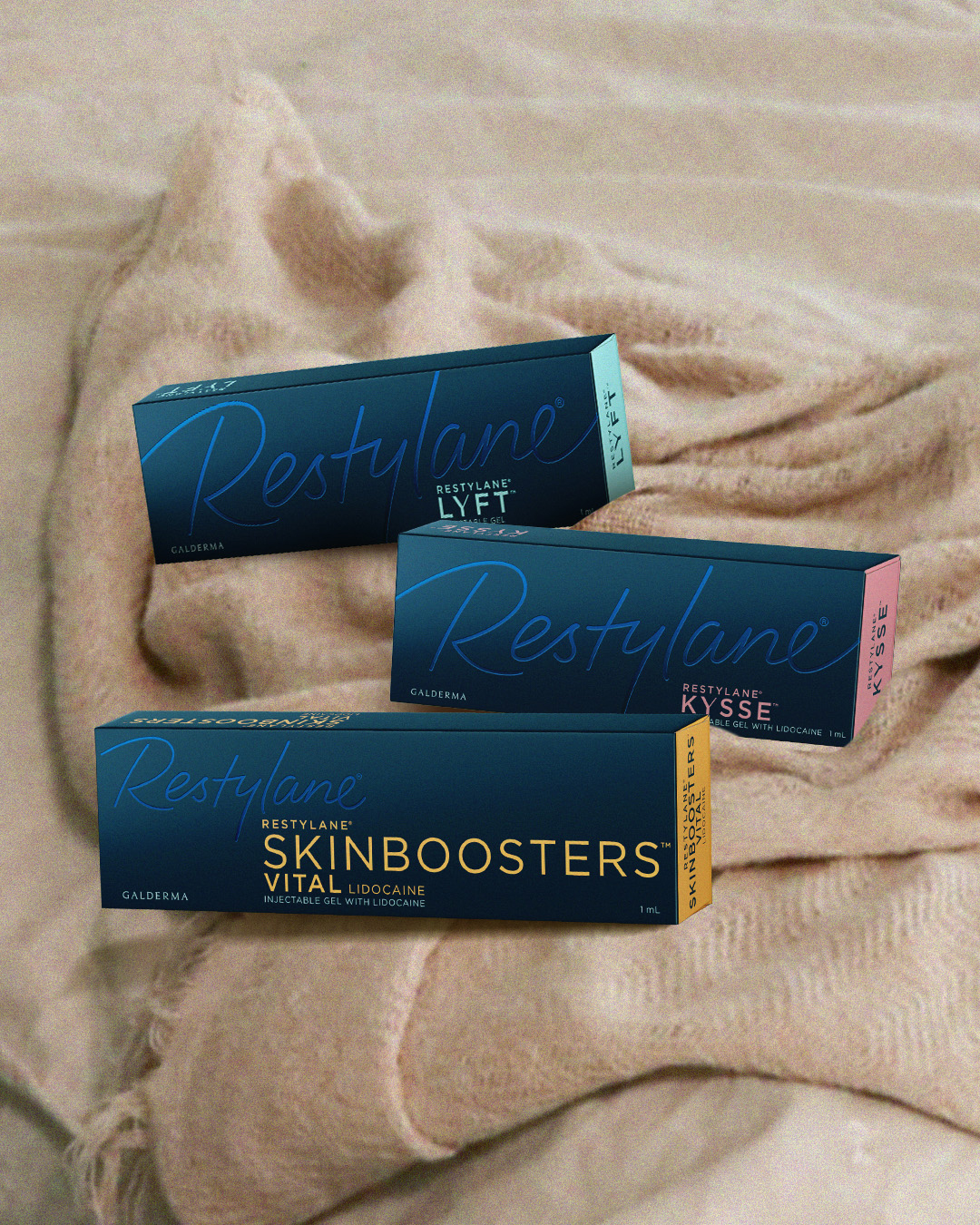
If you’re more focused on skin texture and hydration than shaping, Sforzolini points to Restylane® Skinboosters™ as a skin-quality option designed to improve areas like deep hydration, smoothness, tone evenness, fine lines, and even scarring, without the emphasis on adding volume.
What concerns are HA injectables actually best for, and what treatments are better treated another way?
Karen Grace Gavino-Dionisio, MD, a board-certified dermatologist, frames HA injectables as most useful for structure and proportion when used responsibly. It addresses structural and volume-related issues such as deep folds and volume loss.

Courtesy of Galderma Philippines
“During a consultation, it is essential to determine whether the patient’s concern relates to shape, structural support, or skin quality.” She adds that each concern requires a distinct treatment approach and careful evaluation to ensure that you get the most appropriate and effective solution.
“It is important to recognize that fillers are not a universal solution for every skin concern,” says Dr. Gavino-Dionisio. “Conditions such as uneven skin tone, acne, pigmentation, fine surface lines, enlarged pores, or general skin dullness are typically better managed with topical skincare products, Skinboosters™, or collagen-stimulating procedures.”
For patients who want hydration and radiance without adding volume, she notes, “Skinboosters™ are especially suitable for individuals seeking a more radiant glow, smoother skin texture, and a healthier complexion without the risk of adding unwanted volume or altering the natural shape of the face.”
What should I realistically expect after treatment and what is a red flag?
After getting your first treatment, some swelling, bruising, tenderness, or firmness can be expected early on, and results typically settle over the next one or two weeks. “Realistic expectations are essential,” says Dr. Gavino-Dionisio. “The primary outcome of filler treatment is a subtle enhancement of facial features, resulting in better facial balance and refreshed contours. The aim is not dramatic change but rather an improved, naturally rejuvenated appearance.”
She cautions that symptoms that are not normal may need urgent medical attention. This includes severe or worsening pain, skin discoloration (especially blanching or dusky tones), visual changes, and increasing swelling or blistering. “These can signal rare but serious complications and require immediate evaluation by an experienced injector,” she says.
Inside the Restylane Sensorium
At WhiteSpace Manila, Galderma celebrated Restylane’s 30th anniversary and its diverse portfolio of hyaluronic acid dermal fillers with an event that balanced sensory storytelling and clinical depth through the campaign, “Don’t Get Ready, Wake Up Ready.”
The Restylane Restage is a series of immersive zones designed to translate aesthetic outcomes into physical sensations. The Aura Zone, in yellow panels with mirrors and simulated sunlight, highlighted skin boosters and the idea of hydrated radiance. The Plush Zone, designed with lip-shaped pillows and fur-like wall panels, focused on Restylane® Kysse™, exploring softness and expressiveness. Meanwhile, the Sculpt Zone showcased Restlane® Lyft™ and Restylane® Defyne™, emphasizing lift, structure, and definition.
After the Sensorium, the focus shifted from feeling to formulation. At the Restylane Lab, Maria Ejehorn shared the different properties of HA and the science behind the brand’s gel technologies. The lab offered a closer look at its lineup: Restylane® Skinboosters™, Kysse™, Defyne™, Lyft™, Classyc, Volyme™, and Refyne™.
Courtesy of Galderma Philippines
The demo and immersive lab with Ejehorn highlighted how “wake up ready” isn’t just a mood, it’s a materials question: how a gel holds, hydrates, flexes, and stays where it’s placed is what makes results look effortless and natural-looking.
Clinical application was also one of the highlights of the anniversary, with a live demonstration by facial plastic surgeon and ENT, head and neck surgeon Henry John Claravall, MD, who spoke about balance and harmony using Galderma’s AART (Assessment, Anatomy, Range, and Treatment) framework. Through a half-face assessment of the midface and jawline, he demonstrated Restylane® Lyft™, Defyne™, and Kysse™, allowing the audience to see real-time results as the HA injectables took effect.
While results developed, cosmetic surgeon and aesthetic physician Ma. Owen Aguilar-Joven, MD, gave insights into the current aesthetic trends, particularly with medication-driven weight loss (MDWL) through a talk called “Game-Changing Effects on Weight Loss Medications on Injectable Aesthetics,” and board-certified dermatologist Karen Grace Gavino-Dionisio, MD, shared results of what treatments millennials are seeking called “pre-rejuvenation.” A panel discussion followed, moderated by facial plastic surgeon Jaime Anthony Arzadon, MD, tying together science, practice, and patient-centered care.
For more information, visit Galderma’s official website. Follow them on Instagram.
Frequently Asked Questions
Topical hyaluronic acid works at the skin’s surface by attracting and holding water, producing temporary hydration and a plumper appearance. Injectable HA is formulated as a gel engineered to be placed beneath the skin — where natural collagen and structural tissue exist — to provide lift, volume, and deep hydration from within. According to Galderma’s Global Head of R&D, topical HA cannot reach or replicate the deeper structural effects that injectable formulations are designed to achieve.
Restylane by Galderma uses four distinct gel technologies, each designed for specific facial areas and outcomes. NASHA HD™ is the firmest, producing bone-mimicking structural support. NASHA™ gels provide projection and lift for precise contouring. OBT™ gels are soft and flexible, designed to move with natural facial expressions in dynamic areas such as the lips. SB-NASHA™ technology targets skin quality enhancement — hydration, smoothness, and texture — without adding volume.
HA injectables are most effective for structural and volume-related concerns such as deep folds, volume loss, and facial contour refinement. Board-certified dermatologist Karen Grace Gavino-Dionisio, MD, notes that fillers are not a universal solution — conditions such as uneven skin tone, acne, pigmentation, fine surface lines, enlarged pores, and general skin dullness are typically better managed with topical skincare, Skinboosters™, or collagen-stimulating procedures rather than volume-adding fillers.
Normal post-treatment effects include swelling, bruising, tenderness, and temporary firmness, with results typically settling over one to two weeks. Dr. Gavino-Dionisio emphasizes that the expected outcome is subtle enhancement and improved facial balance — not dramatic change. Warning signs that require urgent medical evaluation include severe or worsening pain, skin blanching or dusky discoloration, visual disturbances, and increasing swelling or blistering, which can signal rare but serious vascular complications.
Restylane Skinboosters™ uses SB-NASHA™ technology to improve skin quality — specifically deep hydration, smoothness, tone evenness, fine lines, and scarring — without the emphasis on adding volume or altering facial shape. It is positioned as suitable for patients who want improved radiance and skin texture rather than structural contouring. According to Dr. Gavino-Dionisio, it is especially appropriate for those seeking a more radiant complexion without the risk of unwanted volume changes.