
The Risks That Come With Going Straight From One Gel Set to Another
Gel manicures are fun, but dermatologists explain why your nails sometimes need time off to recover.
By Leira Aquino


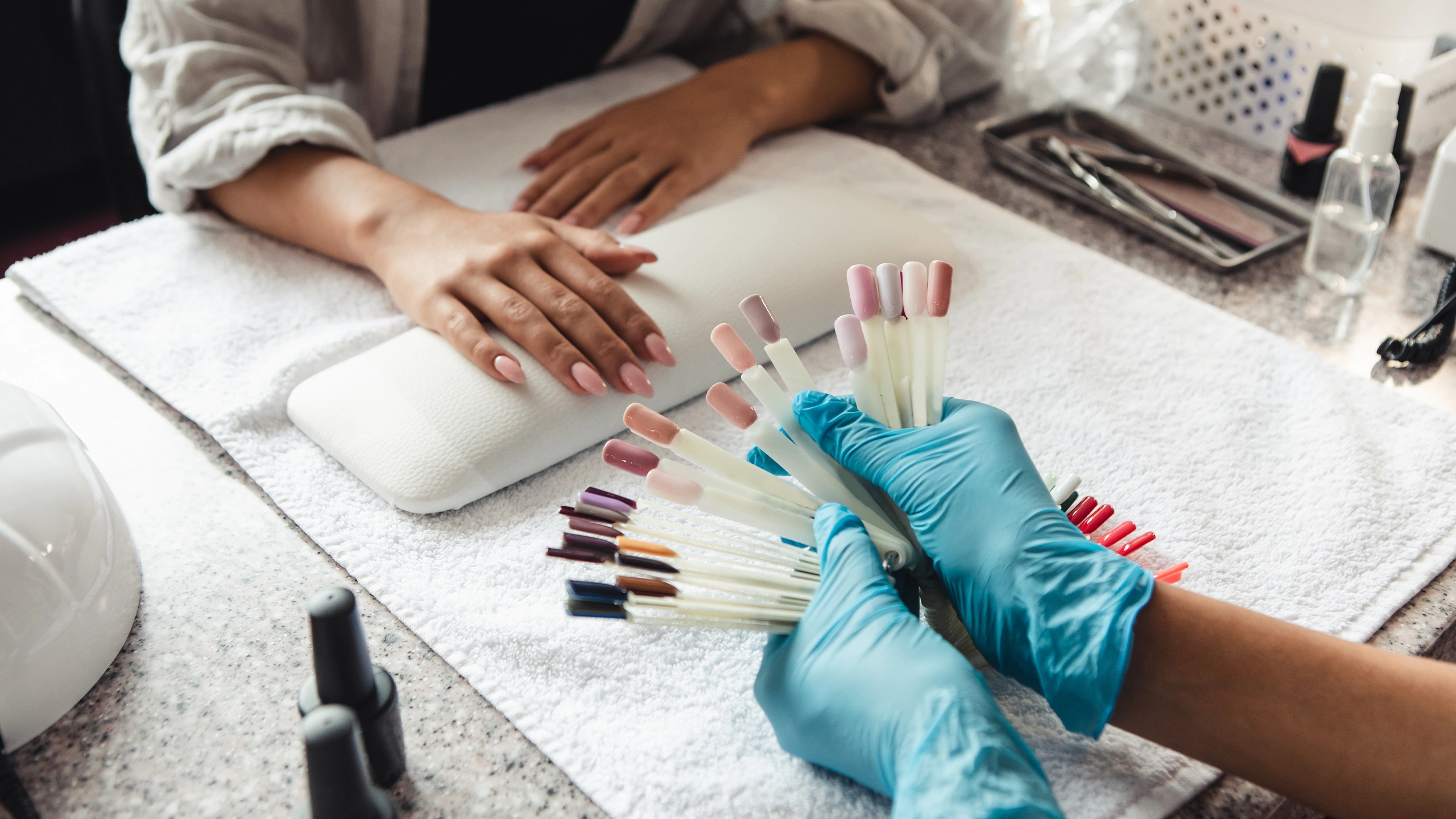
Giving my nails a break every now and then was part of my New Year’s resolution.
Now that we’re well into the third month of 2026, I can proudly say I’ve stuck to it (so far). I haven’t had a nail appointment since early December of last year. And for someone who practically lived with gel extensions in the previous years, that’s saying something.
Don’t get me wrong. There’s nothing wrong with getting a gel manicureGel ManicureA long-wear nail service that uses gel polish cured under a UV or LED lamp, giving a glossy, chip-free finish that lasts about two to three weeks. Proper removal matters,Go to Gel Manicure Glossary. In fact, I love a good set of nails as much as the next beauty girl. But looking back, I realized that I barely saw my natural nails all year. They were either freshly sculpted with gel extensions or struggling underneath–thin, peeling, and occasionally damaged from lifting extensions (ouch, I know).
So I decided it might be time to show my nails a little kindness and let them breathe.
But is taking a break actually necessary or just a beauty myth? According to dermatologists, there’s a very real reason our nails sometimes need a reset.
Your nails are actually skin.
Before we talk about damage, it helps to understand what nails really are.
“I would like to let the readers know that our nails are actually a specialized part of the skin,” explains board-certified dermatologist Ada Atilano-Bautista, MD, head dermatologist at PROFERO Ageless Aesthetics with more than 17 years of experience in both aesthetic and pathologic dermatology. “They’re made of hard keratin and grow from the nail matrix, which lies under the skin at the base of the nail.”
The nail plate–the hard surface we paint, file, and extend–sits on top of the nail bed, while the cuticle forms a protective seal, Dr. Atilano-Bautista expounds.
“So nails aren’t separate from our skin, they’re a modified skin structure designed to protect fingertips, enhance fine touch, and support daily tasks,” she says.
In other words, the same way we protect our skin barrier with good skincare habits, our nails deserve the same level of care.
What really happens when you constantly get extensions
From gel extensions to builder gels to acrylics, modern nail systems all follow a similar process: the natural nail is filed, layered with product, then cured or hardened.
While the results can look flawless, the process isn’t always gentle on the nail plate. “The filing and chemicals found in gel polishes, acrylics, nail extensions can thin and weaken the nail plate, making it prone to splitting or lifting,” says Dr. Atilano-Bautista. “They can also trigger allergic reactions and gaps under the artificial nail may trap moisture leading to fungal infections.”
Board-certified dermatologist Claudine Yap Silva, MD, associate professor at the UP College of Medicine and chair of the Philippine Dermatological Society’s Hair and Nail Subspecialty Core Group, adds that repeated nail services can also affect the surrounding skin.
“Nail extensions adhere to the nail and are either cured or hardened using chemicals,” she explains. “Since these [are attached] to the nail, nails (nail plate) can become brittle, thinner and prone to chipping and breaking.”
The nail folds (the skin around the nail) are also exposed to chemicals that can irritate the skin. “The surrounding skin can also be exposed to compounds such as methacrylates and acrylates which commonly cause allergic contact dermatitis,” Dr. Yap Silva says.
The nail problems dermatologists see most often
If you regularly get gel or acrylic manicures, some nail changes are more common than you might think. According to both dermatologists, aggressive filing and repeated exposure to chemicals can cause:
Peeling or rough nail plates
Brittle or thinning nails
Cracks or splits from trauma
Subungual hemorrhage (bruising under the nail)
And sometimes, the issues go deeper than cosmetic damage, including:
Allergic reactions
“The most common condition I see in my clinics is an allergic reaction to the acrylates leading to allergic contact dermatitis,” says Dr. Atilano-Bautista. Many modern gel products contain methacrylates, which are dermal sensitizers that can trigger allergies.
“Of the methacrylates, 2-hydroxyethyl methacrylate (HEMA) is the most common allergen,” she says, noting that reactions can still occur even in products labeled HEMA-free.
Green nail discoloration and fungal infections
Dr. Yap Silva adds that lifting nail products can also create the perfect environment for bacteria. “Small gaps or lifting that trap moisture can lead to ‘green nail’ discoloration from Pseudomonas aeruginosa bacteria,” she says.
Fungal infections and inflamed nail folds are also possible, particularly if salon tools aren’t properly disinfected, she continues.
The UV lamp question
Another question that often comes up: are nail lamps dangerous? Both dermatologists emphasize that the risk appears low with normal use, but it’s still worth being cautious.
“A direct causal link between UV nail lamps and cancer development has not been conclusively established,” says Dr. Atilano-Bautista.
However, some laboratory studies suggest that UV lamps may cause DNA damage in skin cells. Dr. Yap Silva also notes that repeated UVA exposure may contribute to photoaging on the backs of the hands over time.
Why nails sometimes need a break
If you’re someone who goes straight from one set of extensions to the next, dermatologists say hitting pause occasionally can help.
“Yes, giving your nails a break is important,” says Dr. Atilano-Bautista. “Prolonged use of gels or extensions doesn’t allow the natural nail to recover, which can lead to nail thinning and brittleness. You have to allow the nail plate to rehydrate and repair.”
Dr. Yap Silva agrees. “A break is often helpful as nails benefit from time without solvents, filing, and leverage stress,” she says. “I usually tell my patients to give their nails a break for as long as they can tolerate not using nail cosmetics or nail gels.”
For frequent manicure lovers, even a short break can make a difference. Dr. Atilano-Bautista recommends at least two weeks off every couple of manicure cycles.
How to keep nails healthy (even if you love manis)
The good news is you don’t have to swear off nail extensions forever.
Our dermatologists say the key is practicing safer nail habits. Start with the salon itself. Dr. Atilano-Bautista advises choosing salons carefully. Look for places that sterilize tools, use single-use files and buffers, and maintain proper hygiene.
Other nail-saving tips include:
- choosing shorter nail lengths to reduce trauma
- insisting on minimal filing of the natural nail
- never peeling off gel polish yourself
- moisturizing hands and cuticles daily
- wearing gloves when doing chores
- applying SPF to hands before UV curing.
And one big rule we cannot emphasize enough: don’t let anyone cut your cuticles. That thin strip of skin is actually a protective barrier that helps keep bacteria out.
Give your nails some time off.
For nail art lovers (myself included), extensions and gel sets can feel like a form of self-expression. They’re creative, confidence-boosting, and honestly just fun.
But just like our skin, hair, and even our makeup routines, our nails benefit from balance. Which means sometimes, the best manicure is no manicure at all. Just a little time for your natural nails to recover, grow, and breathe.
And if you’re anything like me, seeing them healthy again might just make the next set look even better.
Frequently Asked Questions
Repeated filing and chemical exposure from gel polishes, builder gels, and acrylics can thin and weaken the nail plate over time, making it prone to splitting, lifting, and chipping. The nail folds — the skin surrounding the nail — are also exposed to compounds such as methacrylates and acrylates, which are known dermal sensitizers that can trigger allergic contact dermatitis with repeated exposure.
HEMA (2-hydroxyethyl methacrylate) is the most commonly identified allergen in gel nail products, according to Philippine dermatologists. It belongs to the methacrylate family of chemicals used in gel and acrylic nail systems. Allergic reactions can occur even in products labeled HEMA-free, as other methacrylates present in the formula can trigger sensitization in susceptible individuals.
Yes. Small gaps or lifting between the artificial nail and the natural nail plate can trap moisture, creating conditions favorable for bacterial and fungal growth. Dermatologists specifically cite Pseudomonas aeruginosa as a cause of green nail discoloration from lifting products, and note that fungal infections and inflamed nail folds are also possible — particularly when salon tools are not properly sterilized between clients.
Dermatologists confirm that periodic breaks from gel extensions are beneficial. Prolonged continuous use prevents the natural nail from rehydrating and repairing, compounding thinning and brittleness over time. Philippine dermatologist Dr. Ada Atilano-Bautista recommends a minimum of two weeks off every few manicure cycles, while Dr. Claudine Yap Silva advises patients to extend the break for as long as they can comfortably manage without nail cosmetics.
A direct causal link between UV nail lamps and skin cancer has not been conclusively established in clinical literature. However, some laboratory studies suggest UV nail lamp exposure may cause DNA damage in skin cells, and repeated UVA exposure over time may contribute to photoaging on the backs of the hands. Dermatologists recommend applying broad-spectrum SPF to the hands before UV curing as a precautionary measure during regular nail appointments.
Latest Stories


You might also like
To provide a customized ad experience, we need to know if you are of legal age in your region.
By making a selection, you agree to our Terms & Conditions.