Is 2026 the New 2016 in Beauty, Too?
As throwback glam floods our feeds, we decode what 2016 beauty really was, and why it’s suddenly calling to us again.
By Leira Aquino


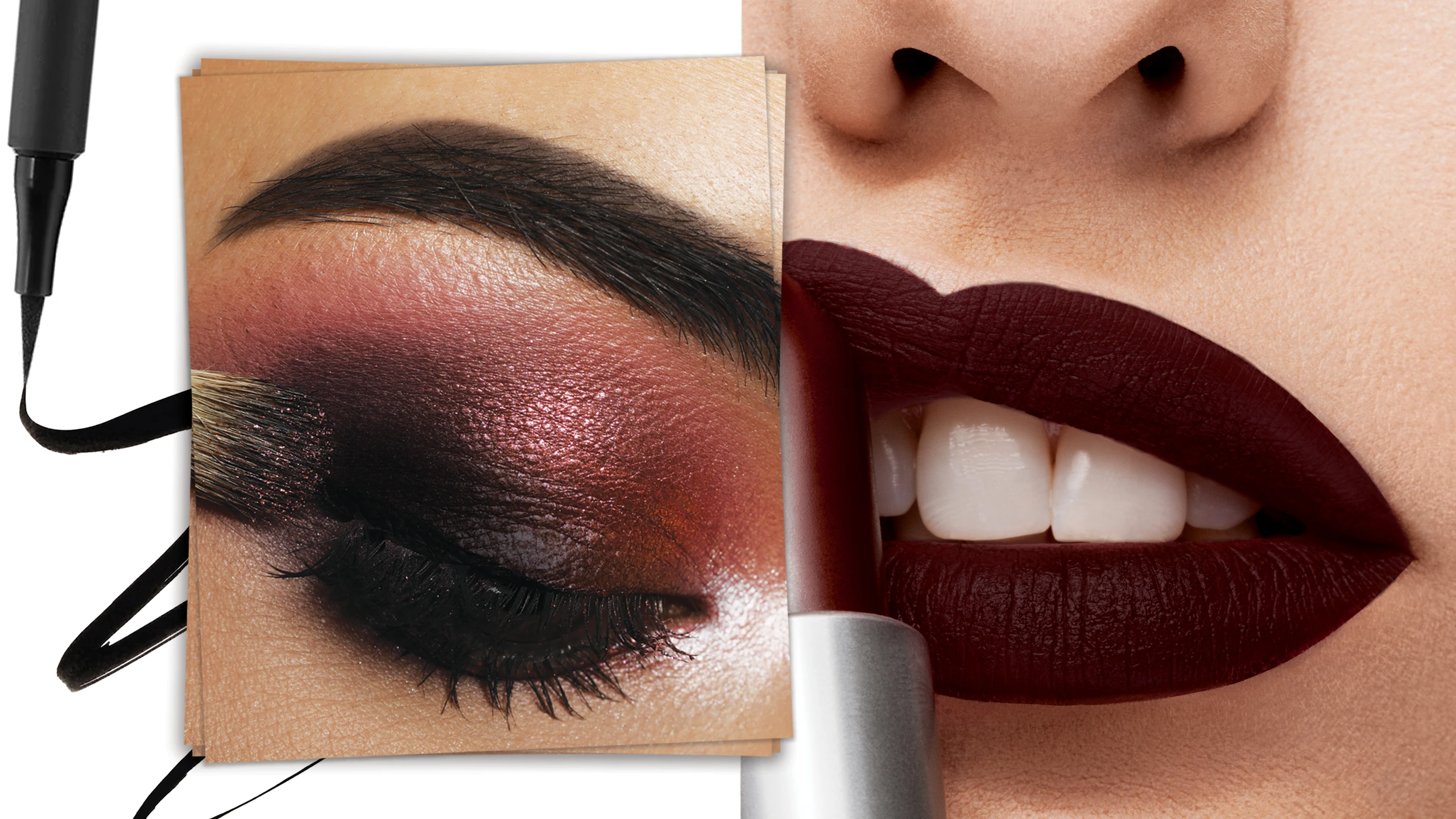
It’s 2026, but the internet has decided we’re emotionally parked somewhere around 2016. TikTok and Instagram are flooded with throwback photos and videos, Facebook albums are being unearthed like digital time capsules, and suddenly everyone swears their best makeup era involved matte lips, cut creases, and brows that could slice glass.
“2026 is the new 2016,” they say, half-joking, half-dead serious, as if rewinding a decade might help us make sense of the now.
But when it comes to beauty, was 2016 really that era? Or are we collectively misremembering it, remixing aesthetics from nearby years, and calling it nostalgia?
First, let’s get 2016 beauty right.
Before we romanticize it, let’s dissect it. Because some of what’s currently being labeled “2016 beauty” actually belongs to 2014 or 2015: the height of Tumblr soft grunge, pastel hair chalk, galaxy leggings, and chaotic color play. That was the era of messy eyeliner, burgundy lips worn like armor, and DIY everything.
2016, by contrast, was more structured. This was beauty growing up alongside early influencer culture. Instagram had fully taken over, tutorials were sharper, lighting was blinding, and makeup was all about glam and precision.
This was the reign of King Kylie and the Kardashian-Jenner industrial complex, when faces were sculpted within an inch of their lives. Think: full beat makeup with heavy contour and blinding highlight, matte liquid lipsticks (or nude gloss layered on top), aggressively overlined lips courtesy of Kylie Cosmetics, and thick, perfectly carved brows. Notably, cut creases were a skill set and glam eye makeup leaned smoky and metallic.
For hair, teal-green dye had its moment. Sleek middle parts coexisted with bombshell waves.
Fashion-wise, it was the time of athleisure, bomber jackets, bodycon dresses, and thigh-high boots. The “baddie” era was born here.
So no, 2016 wasn’t soft nor edgy. It wasn’t chaotic. It was controlled glamour. It was polished, hyper-feminine, and social-media ready.
Why are we suddenly longing for it again?
The urge to bring back the 2016 aesthetic isn’t happening in a vacuum. It’s part of a much bigger pattern. Actually, we’ve seen this happen with Y2K, indie sleaze, 1980s, 1990s, and even mob wife glam in the previous years.
Beauty, much like fashion, has always looked backward to move forward. But the why behind that pull is deeply psychological, according to experts.
It’s a way to comfort us in difficult times. When the present feels overwhelming, people tend to romanticize the past, using memories as an emotional anchor.
Carolyn Mair, PhD, a behavioral psychologist and author of The Psychology of Fashion, explains that the feeling of having little control is one of the biggest stressors people experience. That’s why, in moments of uncertainty, we instinctively gravitate toward things we can control—like memories of the past, and the beauty rituals tied to them.
That hits especially hard in 2026. We’re coming off years of global instability, a global pandemic, digital burnout, and trend cycles that move at an exhausting pace. In moments like these, familiar beauty and fashion aesthetics, ones we associate with simpler versions of ourselves, feel grounding.
Misremembering the past, on purpose
Of course, nostalgia is selective. We forget the flashback-heavy photos, the overly dry matte foundations, the Instagram brows that didn’t translate well offline. What we remember instead is confidence. The feeling of showing up fully made-up in a way that felt powerful at the time.
That’s why the current throwback wave isn’t a carbon copy. No one actually wants 2016 back exactly as it was. What we’re seeing instead is a softened revival. 2016 beauty, but done right.
So, is 2016 the new 2026?
Maybe not literally. But emotionally? Definitely. The return of 2016 beauty speaks less about trends and more about timing. When the “clean girl” aesthetic starts to feel restrictive, when minimalism turns into monotony, people crave drama again. They crave effort. They crave fun.
And beauty nostalgia delivers that, wrapped in familiarity. As history has shown us, nostalgic beauty will always cycle back. Not because we’re out of ideas, but because we’re human. We reach for the past when we need comfort, control, or a reminder of who we were before everything got complicated.
So go ahead, overline your lips just a little. Blend that crease. Throw on a gloss that reminds you of 2016. Allow yourself to be “cringe” again. Not because it’s trending, but because sometimes, looking back helps us move forward.
Frequently Asked Questions
2016 beauty was defined by controlled glamour and social media precision rather than the chaotic or edgy aesthetics often misattributed to it. Key markers included heavy contour and blinding highlight, matte liquid lipsticks, aggressively overlined lips, thick and sharply carved brows, cut crease eye looks, and smoky or metallic glam. It was hyper-feminine, polished, and heavily influenced by Kardashian-Jenner aesthetics and early influencer culture.
Behavioral psychologists explain that nostalgia functions as an emotional anchor during periods of uncertainty and stress. Beauty rituals tied to a specific era can restore a sense of control and familiarity when the present feels overwhelming. In 2026 — following years of global instability, digital burnout, and exhausting micro-trend cycles — the structured glamour of 2016 represents a recognizable, comforting aesthetic that predates current pressures.
No. What is resurging is a softened and edited interpretation rather than a faithful recreation. People are selectively revisiting the elements of 2016 beauty they associate with confidence and fun — cut creases, bold brows, statement lips — while dropping what didn’t translate well, such as overly dry matte foundations and brow shapes that looked extreme outside of Instagram’s filtered environments.
Behavioral psychologists note that nostalgia is inherently selective — we tend to retain the emotional associations of an era (confidence, self-expression, fun) while filtering out its less flattering elements. In the context of beauty, this means the memory of 2016 is often a curated highlight reel of feeling powerful and creative, rather than an accurate recollection of dry matte formulas, heavy product buildup, or brows that didn’t age well.
The chaotic, experimental aesthetic frequently labeled as “2016 beauty” — including pastel hair chalk, messy eyeliner, burgundy lips, and DIY color play — more accurately belongs to 2014 and 2015, the height of Tumblr soft grunge culture. True 2016 beauty was more structured and Instagram-polished: full-beat glam, precision contouring, matte lip formulas, and the heavily groomed brows associated with Kylie Jenner and early influencer makeup tutorials.
Latest Stories


You might also like


To provide a customized ad experience, we need to know if you are of legal age in your region.
By making a selection, you agree to our Terms & Conditions.