

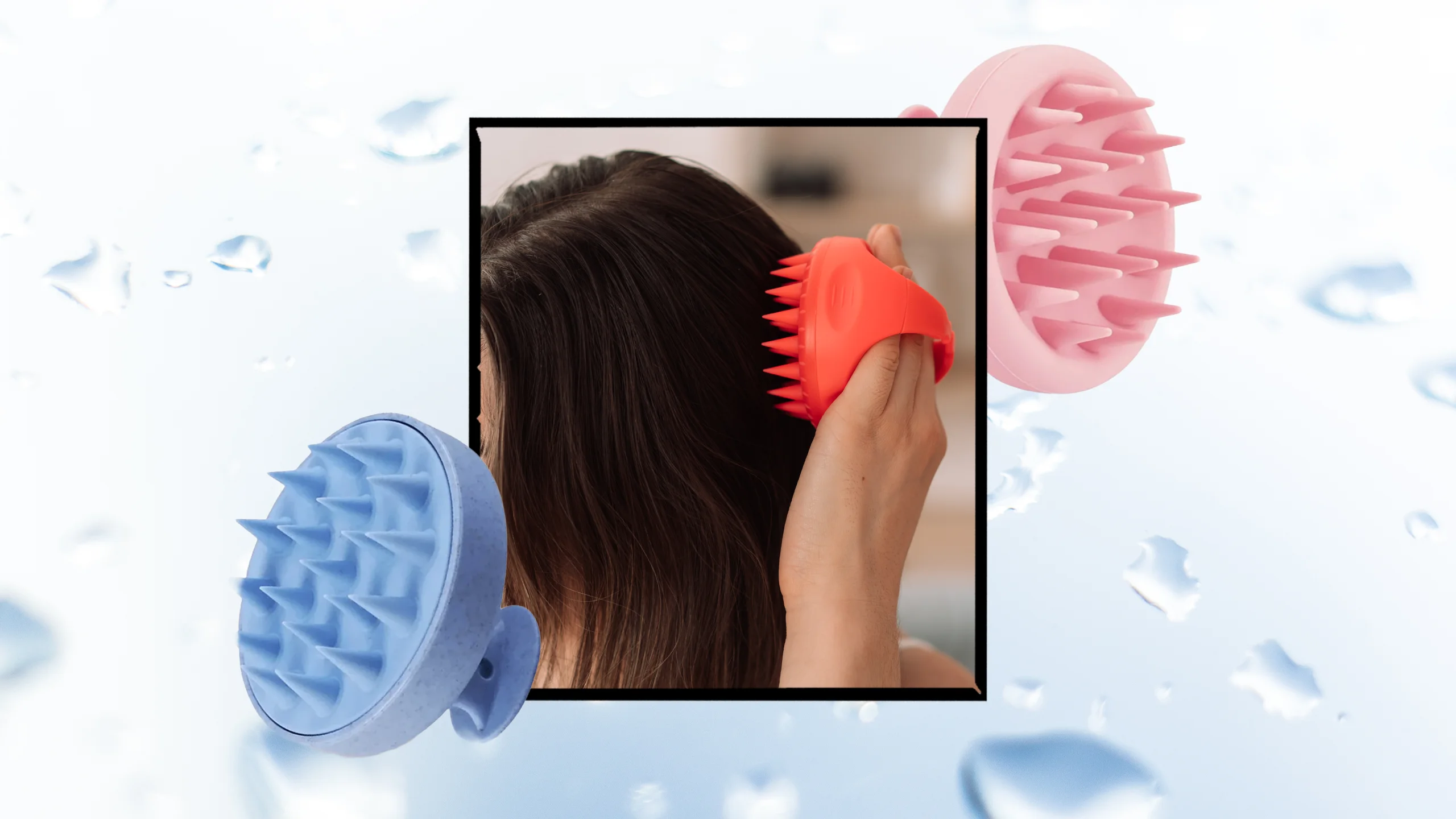
By now, it’s no secret that the ticket to healthy hair starts with the scalp. When your scalp is laden with lingering dead skin cells and product buildup, it makes it much harder for your hair to grow and thrive properly. This is why, in the last year alone, we’ve seen more hair-care brands come out with targeted treatments for the scalp, including exfoliating shampoos, detox sprays, and, most recently, scalp massagers.
Scalp massagers are exactly what they sound like: handheld, brush-like devices that work to both stimulate and exfoliate the scalp. We’ve been seeing them everywhere, which, of course, made us wonder what all the hype is about. Is using a scalp massager actually any better than just using your fingers? Allure tapped two experts to find out. What we didn’t anticipate, however, was receiving mixed reviews. Nonetheless, here’s where the experts stand on the subject.
Los Angeles–based dermatologist Jessica Wu is team scalp massager and would recommend anyone who’s striving for fuller hair try one out. “Studies have shown that scalp massage can increase hair thickness by stretching the living hair follicle cells and stimulating them to produce thicker, individual hairs, so I’d suggest them for anyone who wants to have thicker hair,” she says.
Envato Images
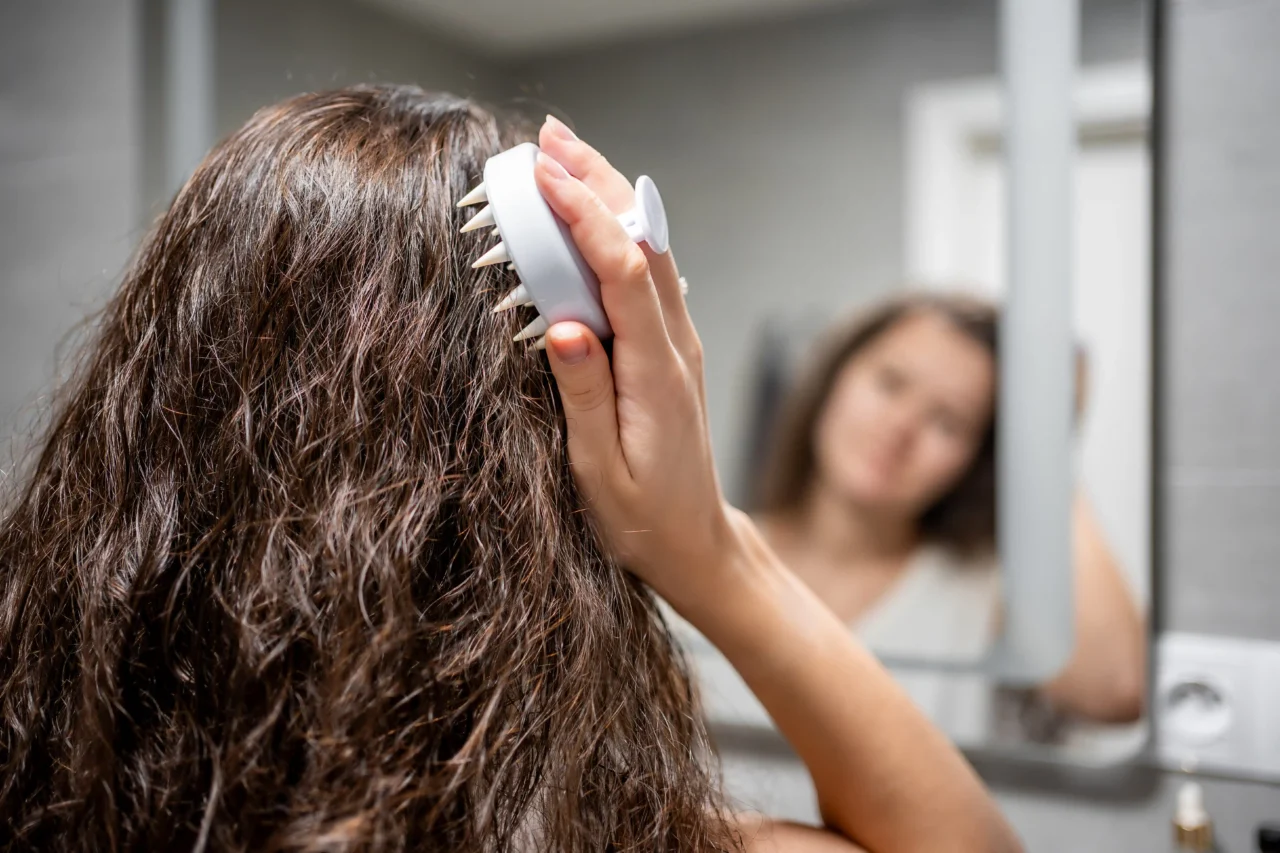
Wu advises using the tool for about five minutes a day on wet or dry hair. “If you have time, use it when you shampoo to deep clean your hair,” she adds, explaining that these massagers can help with dislodging dead skin cells and product that’s accumulated between washes.
On the flip side, you have New York City–based trichologist Penny James, who believes fingers will get the job done just fine. “As a trichologist, I recommend using the pads of your fingertips to massage the scalp in small, circular movements,” she says. “This stimulates the scalp, as you’re massaging the shampoo into the scalp and hair to achieve the best results in keeping the scalp clean and not damaging the hair.”
Additionally, James says you should steer clear of scalp massagers if you struggle with frequent scalp irritation, dandruff, or psoriasis. “Rubbing a brush on the scalp might feel good to get rid of the itch temporarily, but it will ultimately create inflammation and cause more redness and swelling,” she explains. “When you have any kind of hair loss or scalp problems, talk to a trichologist first.”
Whether you’re experiencing hair loss or not, it can never hurt to consult a professional before trying a new tool just to be safe and ensure it won’t harm you in any way. That being said, if you get the go-ahead from your physician, these massagers can be a fun and easy way to deep-clean your scalp and increase circulation for potentially improved hair growth.
Originally published in Allure US.
Frequently Asked Questions
Experts are split. Dermatologist Jessica Wu says studies show scalp massage can increase hair thickness by stretching follicle cells, while trichologist Penny James argues fingertips work just as well, since the benefit comes from stimulation, not the tool itself.
Dermatologist Jessica Wu recommends using a scalp massager for about five minutes a day on wet or dry hair. She suggests using it during a shampoo session to help deep clean the scalp and dislodge product buildup.
Trichologist Penny James advises against scalp massagers for anyone with frequent scalp irritation, dandruff, or psoriasis. Rubbing a brush on an already inflamed scalp can worsen redness and swelling, so those with hair loss should consult a trichologist first.
According to trichologist Penny James, massaging the scalp with fingertips in small, circular movements works the shampoo in effectively and achieves similar results to a device, without the risk of irritation that stiffer massager bristles can cause.
A scalp massage can help increase circulation, deep-clean the scalp, and dislodge dead skin cells and product buildup between washes. Done consistently, it may support fuller-feeling hair, though experts note results and tool preference vary from person to person.