How These Filipina Gen Z Cancer Survivors Reclaimed Their Relationship With Beauty
Three young women in their 20s share how cancer reshaped their relationship with beauty, body image, and the futures they once imagined.


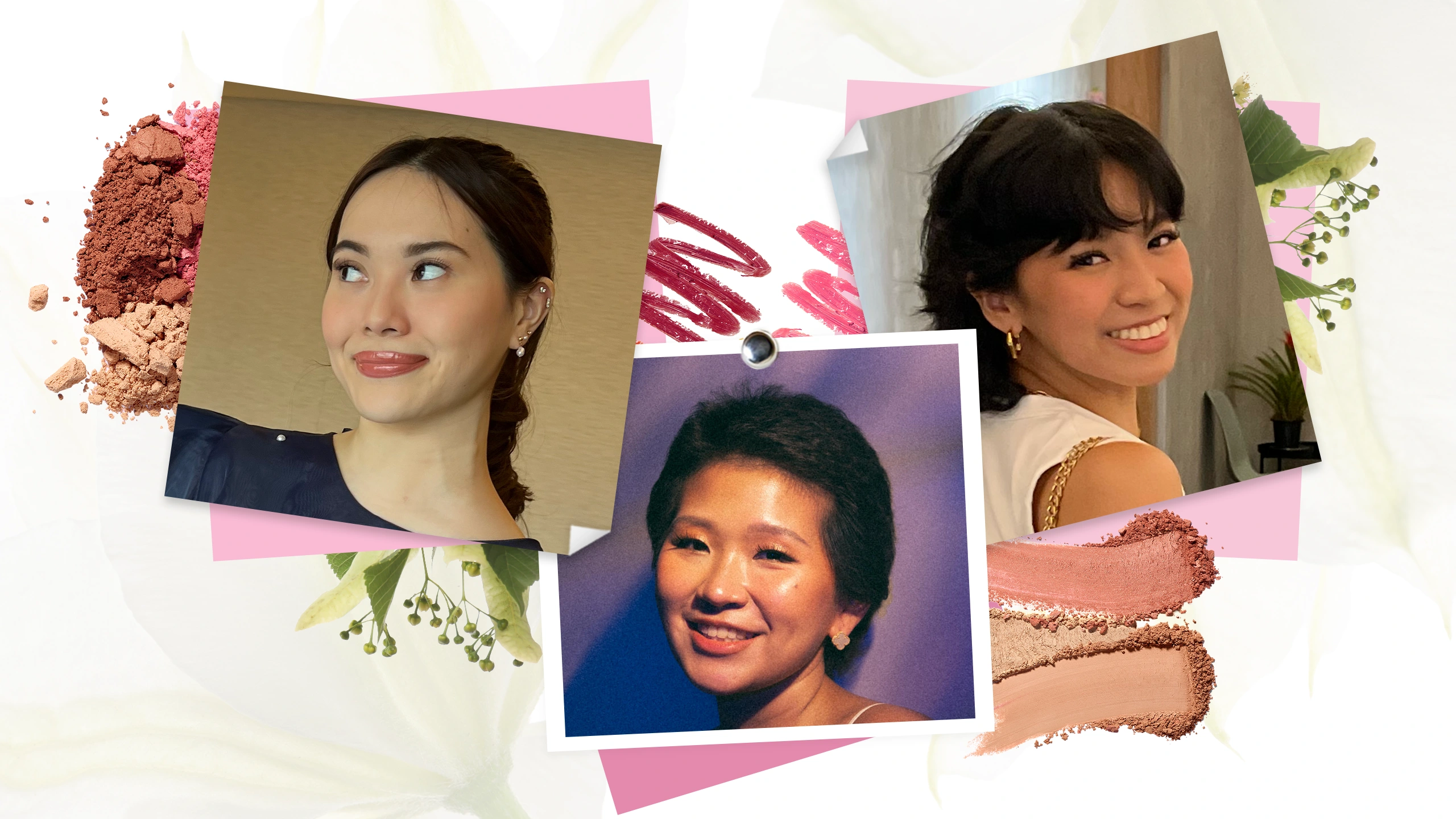
Your twenties are supposed to feel like a promise.
In many coming-of-age films, it’s portrayed as a period of discovering who you are, figuring out your place in the world, building relationships, and learning to feel comfortable in your own skin. But what happens when a cancer diagnosis enters the picture and changes how you see yourself—before you had the chance to figure it all out?
For three Gen Z Filipinas, cancer arrived just when they were making plans for their futures, pursuing their ambitions, and discovering the women they wanted to become. Chemotherapy brought physical and emotional changes that challenged their relationships with their bodies, with hair loss and weight fluctuations leading to the unsettling experience of looking in the mirror and no longer recognizing themselves.
So how do you hold on to your sense of identity when your body begins to change in ways you never expected? How do you find confidence again when life seems to be moving forward for everyone else, while you are learning to navigate a future you can no longer predict? In this special Allure Philippines feature, three Filipina Gen Z cancer survivors open up about how their diagnoses reshaped their relationship with beauty, body image, and identity, and what it means to reclaim a sense of self while learning to live beyond cancer.
Christine Lee
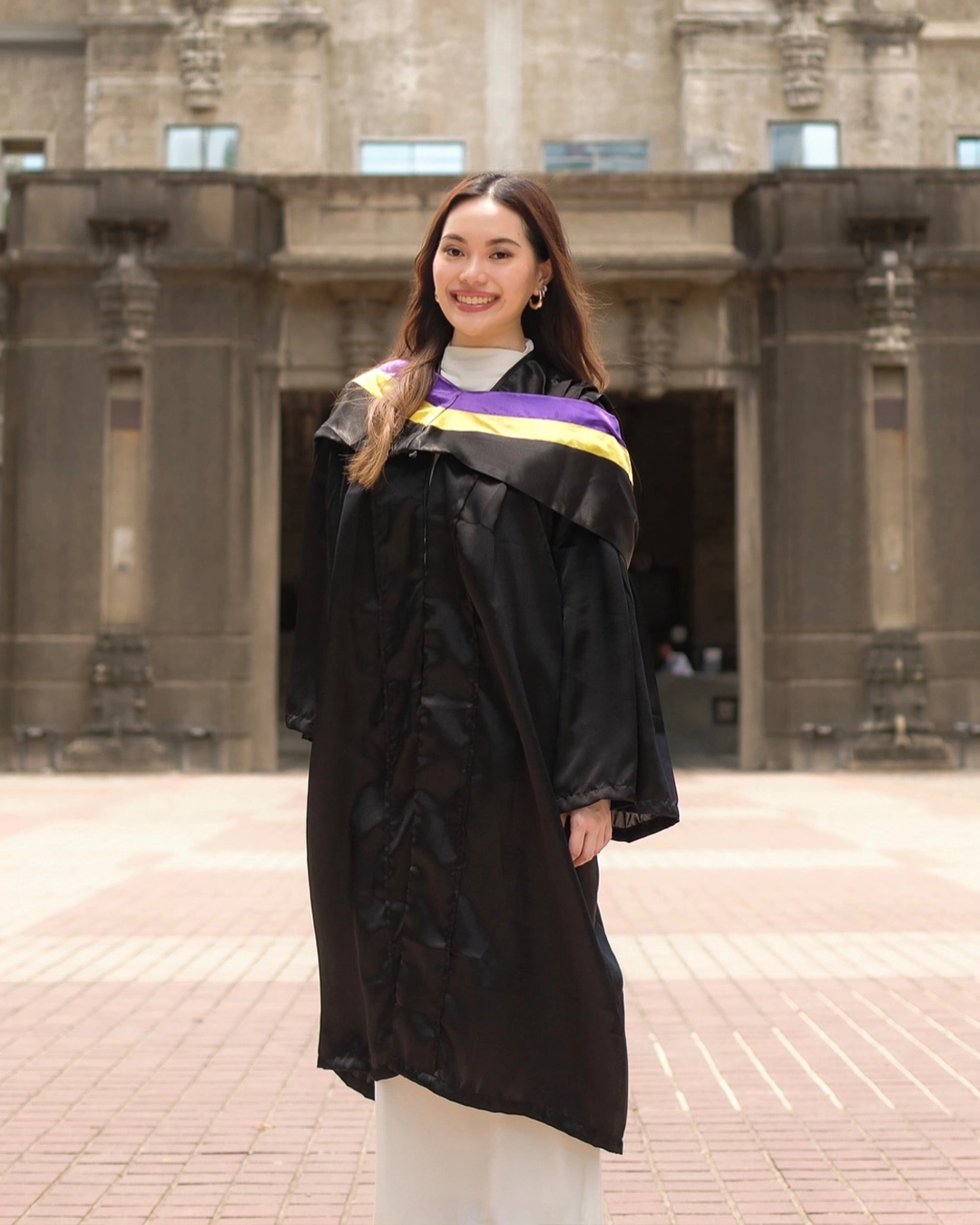
Image courtesy of Christine Lee
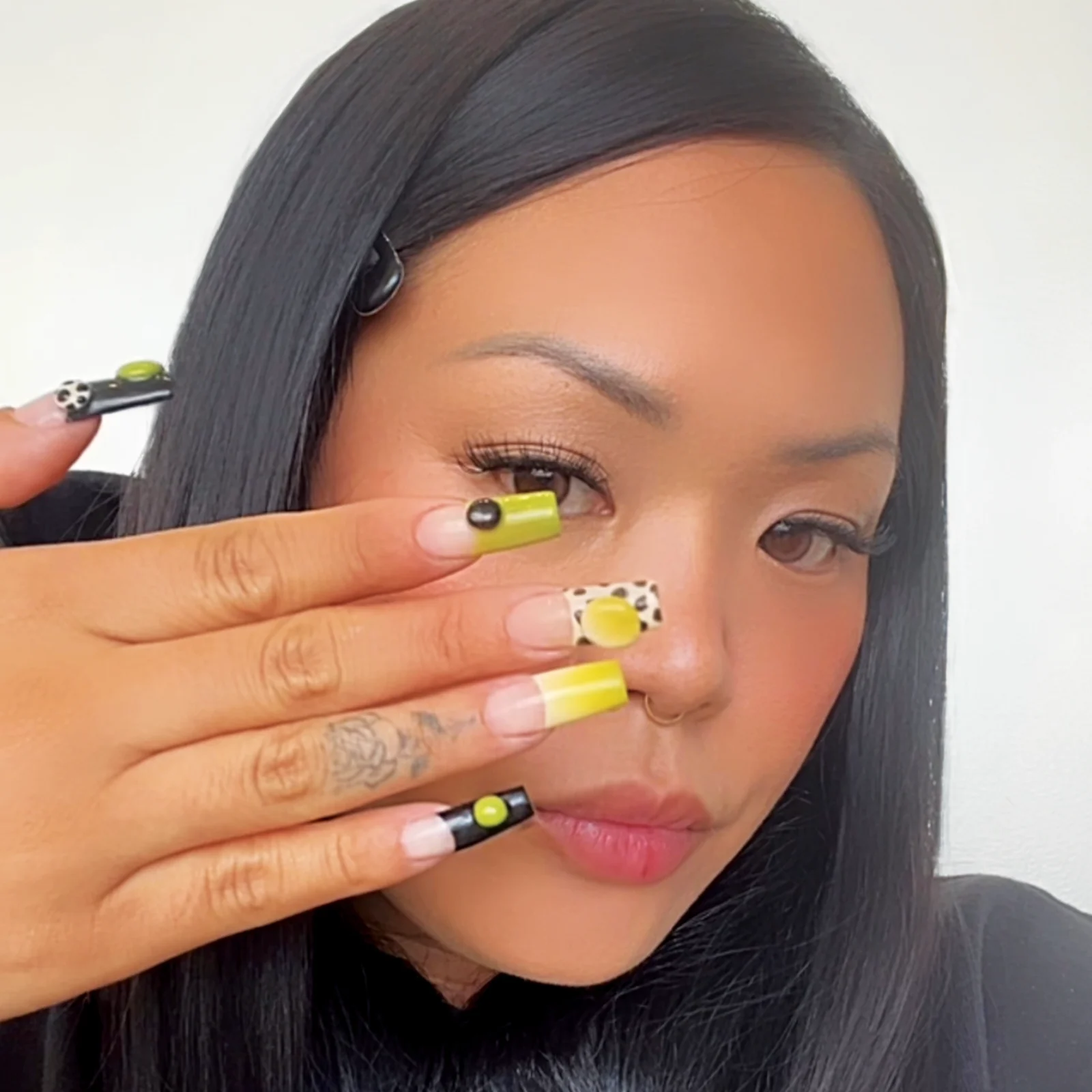
In an effort to remind herself that her diagnosis does not have to stop her dream of becoming a doctor, Christine Lee, 23, pursued medical school while undergoing chemotherapy for her marginal zone lymphoma. A self-confessed kikay at heart, she loves beauty, skin care, makeup, fitness, and creating lifestyle content. She started sharing her cancer journey online to help those who might be going through the same thing feel less alone.
As a Gen Z woman, cancer may have been the last thing you expected to face at this stage of your life. What went through your mind when you first received your diagnosis? How did you process the reality of being a young adult living with cancer?
Cancer was the last thing I expected, especially because I had plans for my future. I was preparing for my board exams and thinking about what would come next, so my diagnosis completely changed my direction.
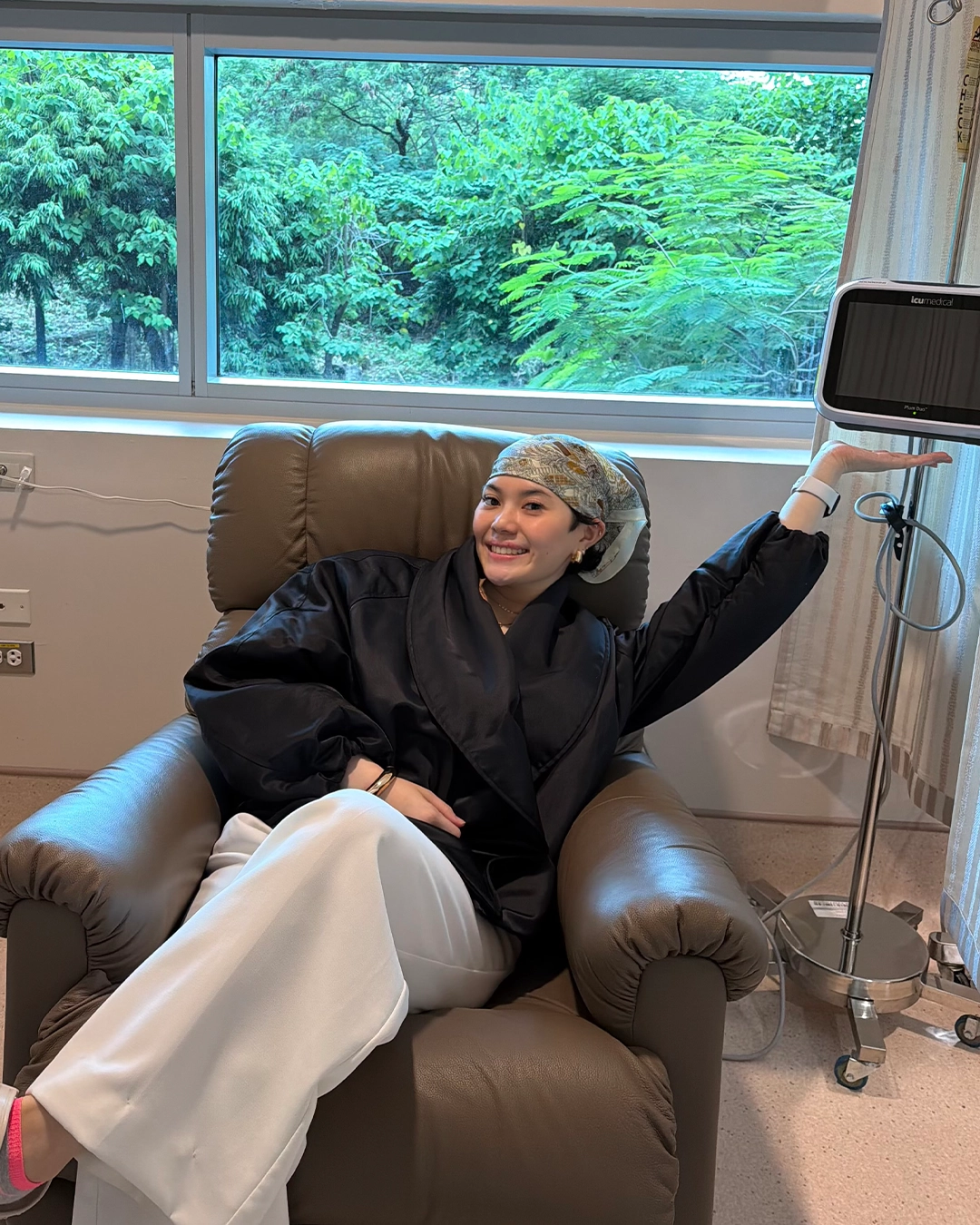
Image courtesy of Christine Lee
There was definitely a lot to process: the treatments, side effects, uncertainty, and reality that I had to focus on getting better and living in the present instead of building the future I had imagined. When I had to face cancer for the second time and eventually undergo a procedure called Hematopoietic Stem Cell Transplant or HSCT, the fear became even more difficult to manage. I learned that acceptance is not immediate. Some days were manageable, while others were not. I didn’t have to pretend I was okay just because I was surviving.
When you’re young, it can feel like everyone around you is moving forward with their lives—finishing school, starting careers, dating, or making plans for the future. Did you ever feel out of sync with your peers because of your cancer experience? How did you navigate that feeling?
It was difficult watching people my age continue with school, friendships, relationships, having a family, and plans while my life revolved around treatment and recovery. Cancer also changed the way I related to my peers. I was dealing with experiences that many people my age had never had to think about, and that sometimes made me feel separated from them. At the same time, I was trying to continue medical school while undergoing chemotherapy, which made my daily life look very different from theirs.
While some people encouraged me to take a leave of absence or take a gap year, I chose to keep going because I didn’t want to give up. It was a risk, and I knew it would be difficult, but part of me kept thinking, “Why not try?” Continuing did not mean that I was ignoring my health. It meant that I wanted to see whether I could keep pursuing my dream while adapting to what my body needed.
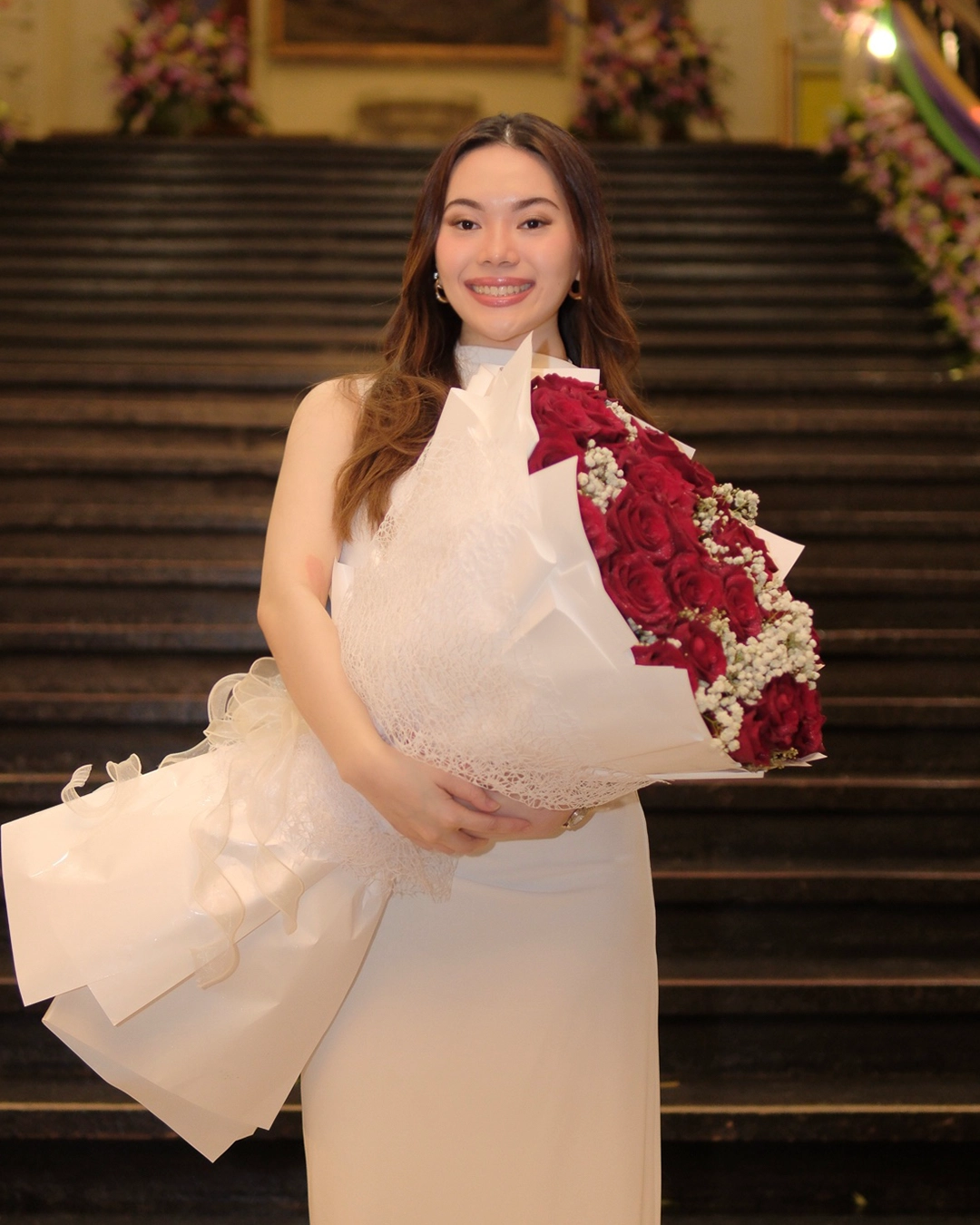
Image courtesy of Christine Lee
I’m learning not to compare my progress with anyone else’s. We can be the same age and be in completely different situations. I still feel left behind sometimes, but I’m learning to give myself patience. I’m also reminding myself that having gone through difficult things does not mean I have to carry everything alone or always act older than I am.
How did cancer treatment affect your relationship with your body, appearance, and identity as a woman? At a stage when many of your peers are exploring their confidence and sense of self, how did you navigate physical changes and their impact on the way you saw yourself?
Cancer treatment changed my body in many ways. The steroids caused changes in my appearance and weight, and the fatigue made me feel physically and emotionally drained. I also lost my hair and became bald twice, which was especially difficult because I’ve always enjoyed beauty, skin care, makeup, and creating content.
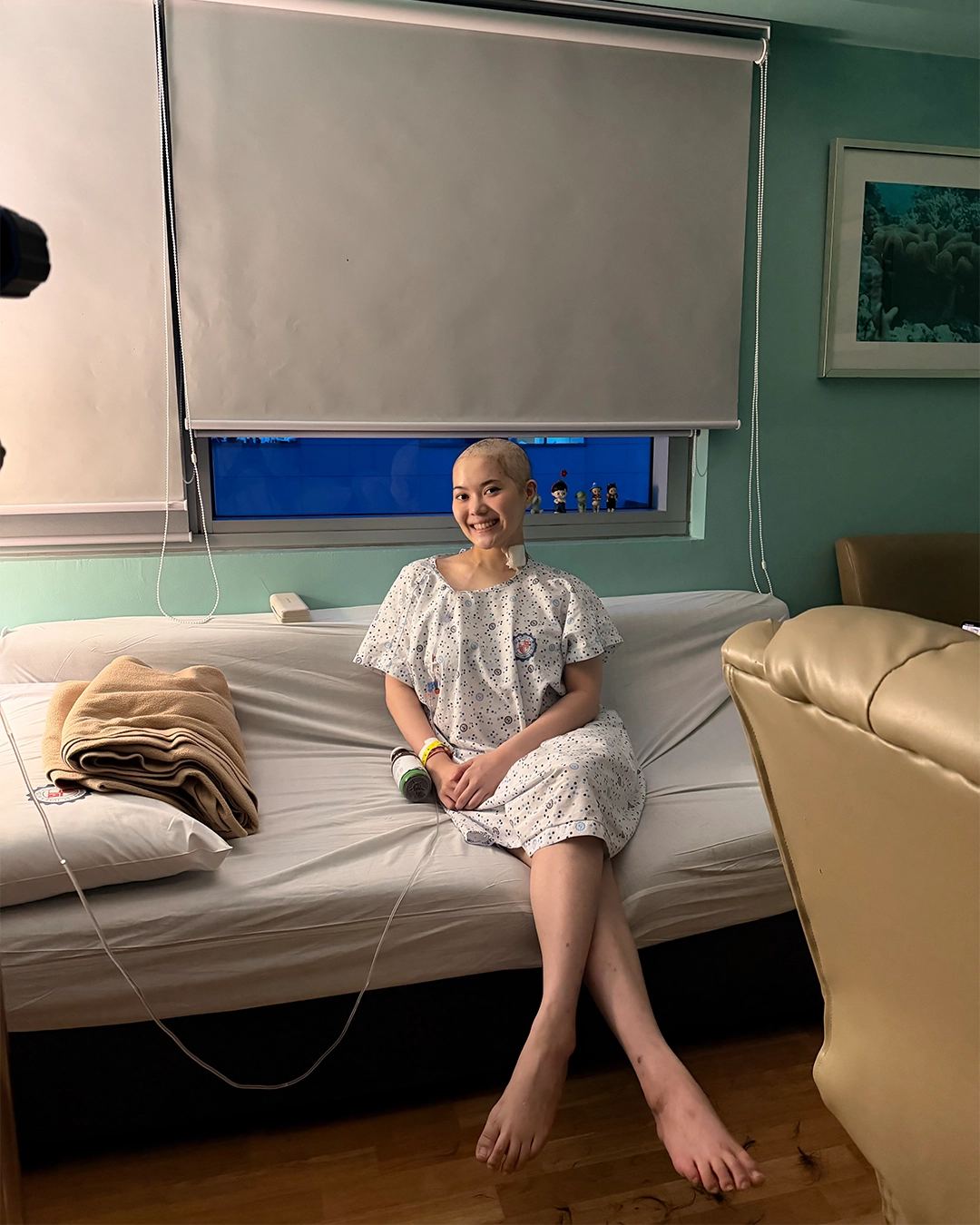
Image courtesy of Christine Lee
At first, I cried a lot and became depressed. It was painful to look in the mirror and feel like I no longer recognized myself. I struggled with the changes because my appearance had always been connected to how I expressed myself and felt confident as a woman.
Over time, I realized that I had to accept that my body was changing because of treatment. Acceptance did not happen immediately, and it did not mean that I suddenly loved every change. It meant reminding myself that having another chance at life was more important than losing my hair or looking different for a while. Hair can grow back, but the opportunity to live and continue pursuing my dreams is something I value more deeply.
How has surviving cancer changed your understanding of beauty and confidence? What would you want other Gen Z individuals facing cancer to know about navigating body image, identity, and the experience of growing up while living with a life-changing illness?
I still love beauty, skincare, and getting dressed up. Cancer did not make those things less important to me. Instead, beauty became a way to express myself and reconnect with parts of my identity.
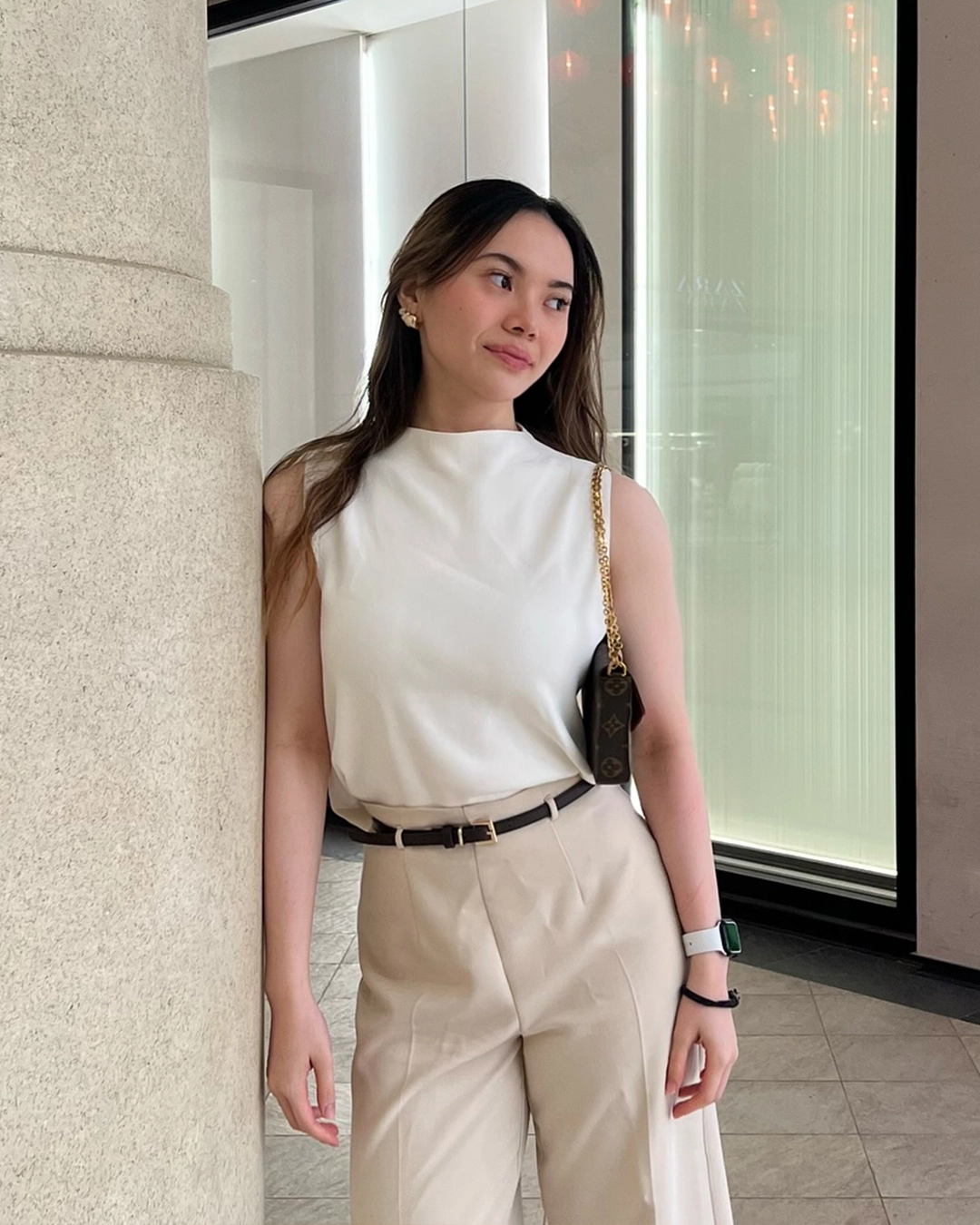
Image courtesy of Christine Lee
I used to think surviving meant returning to who I was before cancer. Now, I see it as discovering who I am after everything I’ve experienced. Cancer is part of my story, but it does not define my entire identity or future. I’m still learning how to balance ambition with self-care, and I’m still finding my way forward, but I know that my diagnosis does not have to be the end of my dreams.
Raphaella Aiyanna Go
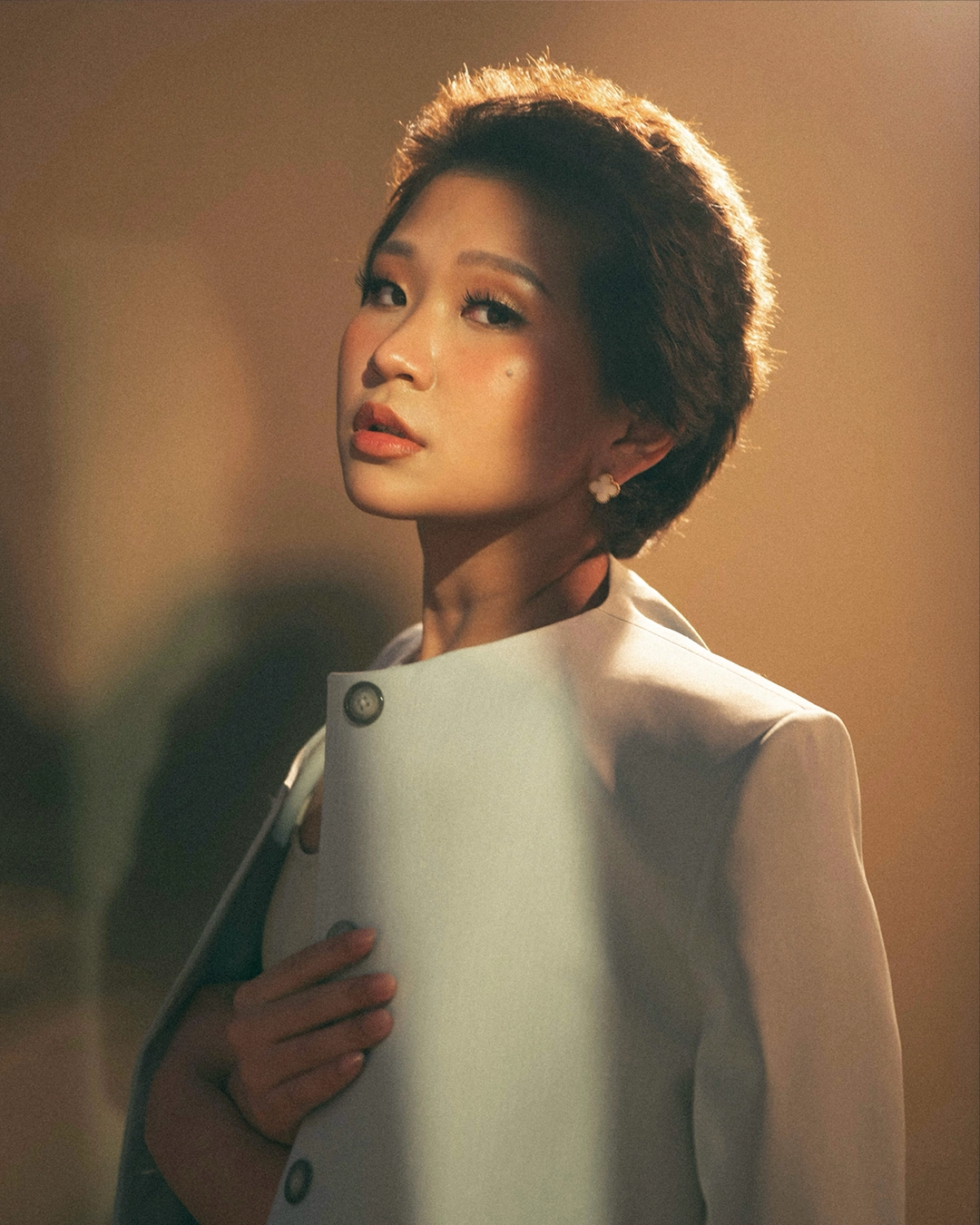
Image courtesy of Raphaella Aiyanna Go
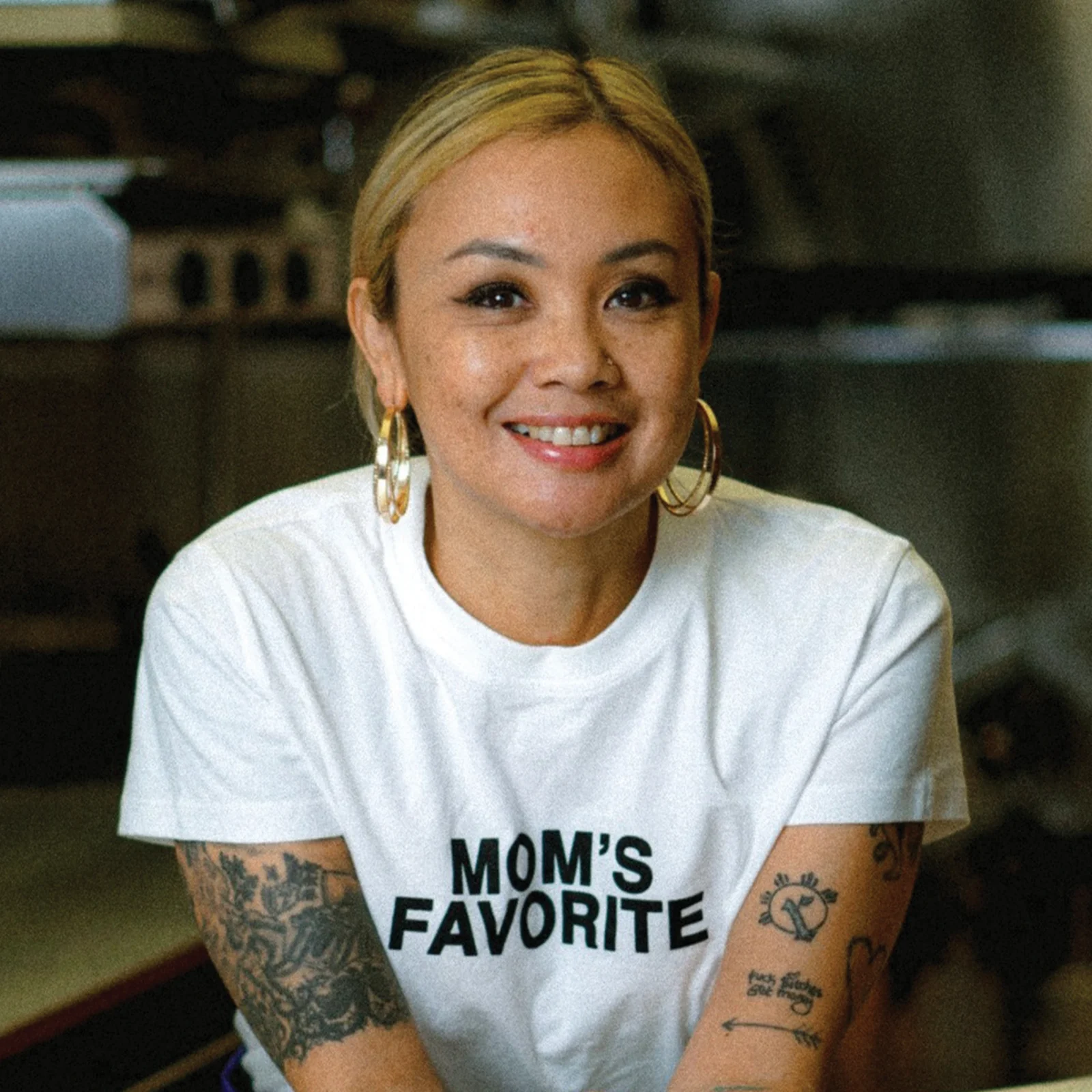
Raphaella Aiyanna Go, 26, an acute myeloid leukemia survivor, is based in Cebu City. She enjoys working out, traveling, exploring cafés, reading, eating, and creating videos. Her cancer journey has taught her to see resilience in a new light, recognizing that it can mean overcoming challenges, navigating life independently, or simply getting through the day. She has also learned to appreciate the moments when she can enjoy life without the constant fear and uncertainty of being sick.
As a Gen Z woman, cancer may have been the last thing you expected to face at this stage of your life. What went through your mind when you first received your diagnosis? How did you process the reality of being a young adult living with cancer?
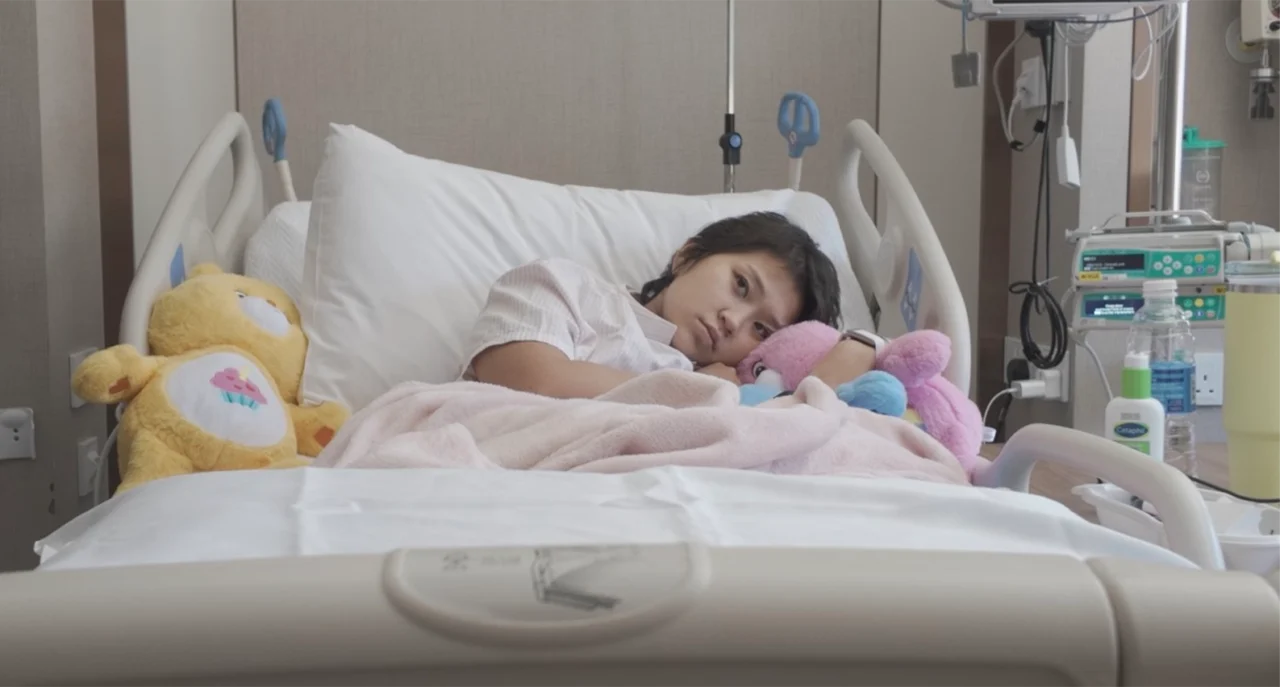
Image courtesy of Raphaella Aiyanna Go
Cancer was the last thing I expected to hear at 23. I was still discovering who I was, what I wanted, and the kind of life I wanted to build. Then suddenly, I found myself in survival mode. At first, I don’t think I fully understood the weight of it because everything moved so quickly. My mind went straight to what treatment I needed, what would happen next, and what I had to do to get through it. The emotional part came later. There were moments when I would think, “How did this become my life?” I thought I would be worrying about work and relationships, but suddenly my days revolved around hospital rooms and treatments. I think the hardest part was realizing how quickly your sense of normal can change, especially when you’re still trying to discover yourself.
When you’re young, it can feel like everyone around you is moving forward with their lives—finishing school, starting careers, dating, or making plans for the future. Did you ever feel out of sync with your peers because of your cancer experience? How did you navigate that feeling?
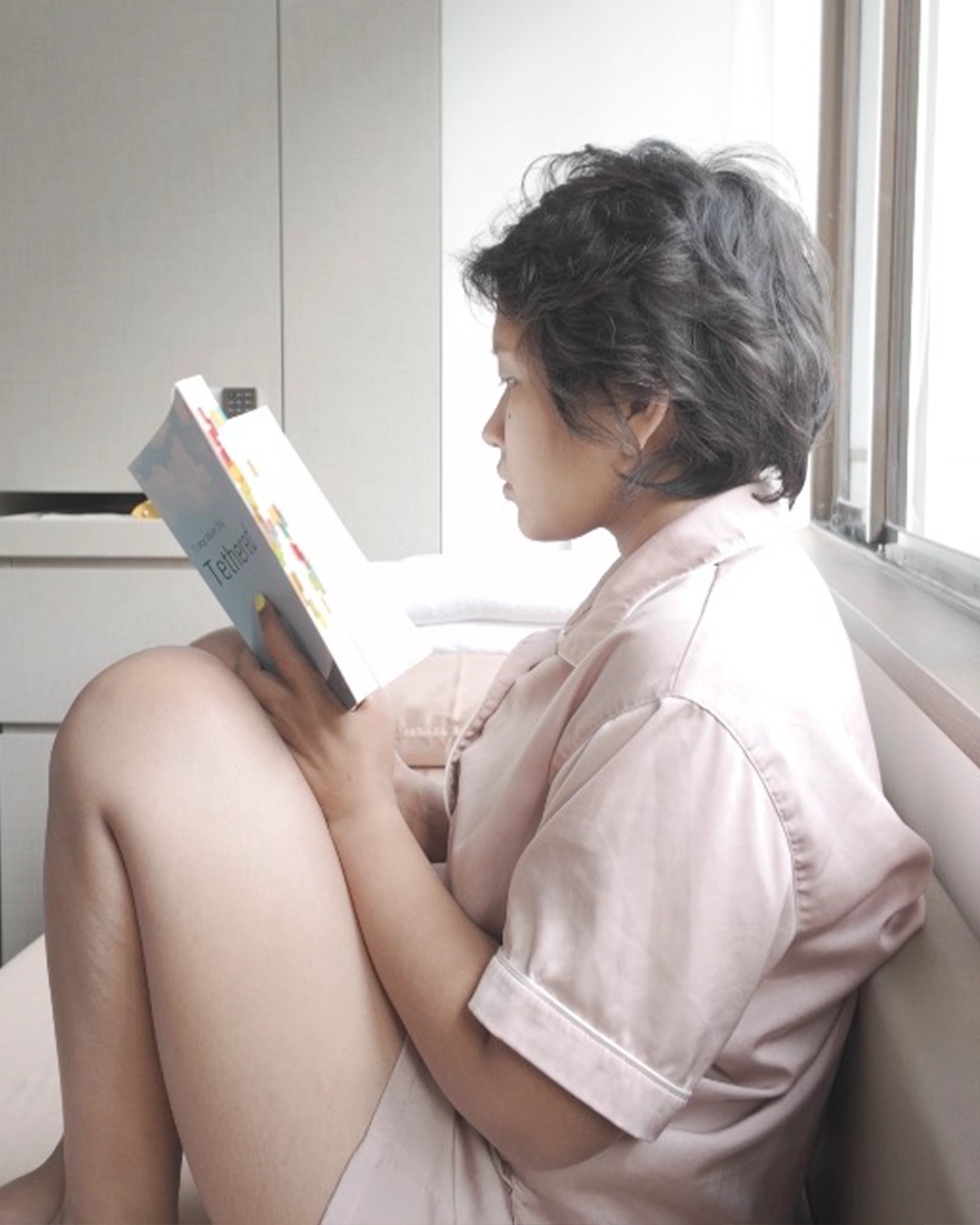
Image courtesy of Raphaella Aiyanna Go
I definitely did. I felt like I had already started building momentum in my life, and then all of a sudden, it was stripped away from me. While people my age were moving forward, I felt stuck. A lot of my time became centered around treatment and recovery while everyone else seemed to be reaching new milestones. I still struggle with comparison sometimes, especially when I think about where I thought I would be by now. But I’ve learned that comparing my timeline to someone else’s is unfair to myself. I spent those years doing something completely different. I was trying to survive. Now, I try to focus less on catching up and more on building my life again at my own pace.
How did cancer treatment affect your relationship with your body, appearance, and identity as a woman? At a stage when many of your peers are exploring their confidence and sense of self, how did you navigate physical changes and their impact on the way you saw yourself?
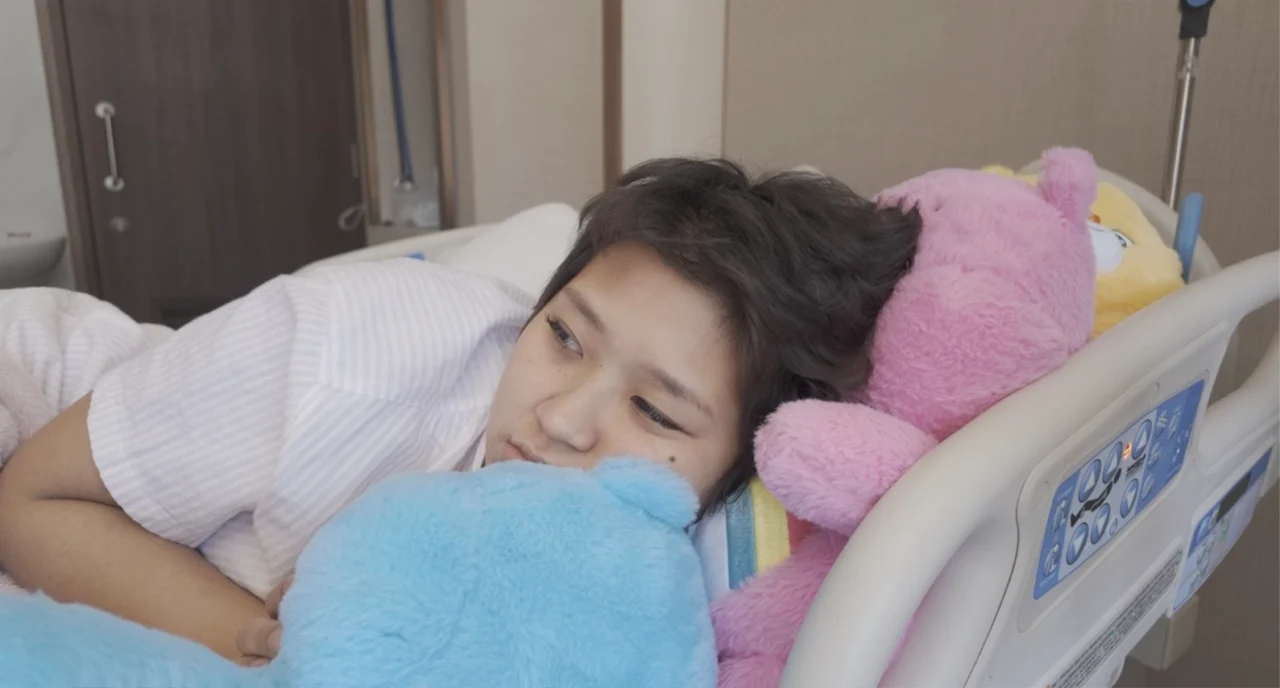
Image courtesy of Raphaella Aiyanna Go
It was difficult because treatment changed so much about how I looked and felt. Chemotherapy made me lose my hair, affected my skin, changed my weight, and at times made me feel like I was looking at a completely different version of myself. When you’re already at an age where you’re still building confidence, having so much of your appearance change at once can be hard to accept. I still have insecurities, and I still care about looking good. Cancer did not suddenly make me stop caring about those things. At the end of the day, I’m only human, and I still feel things. But when I look back at my battle scars, I also see everything my body carried me through. They remind me my body isn’t just something to judge by how it looks. They also prove what I survived.
As a Gen Z who has shared your cancer journey online, what made you decide to make such a personal experience public? How has sharing your story on social media shaped your relationship with yourself and helped you connect with other young people who may be going through similar experiences?
I never really decided that I was going to “share my cancer journey.” I remember sitting in my hospital room and needing an outlet. Making videos became a way for me to process what I was going through and, eventually, document my healing journey. I think what pushed me to keep sharing was realizing how isolating cancer can feel when you’re young. I wanted to show the difficult parts, but also the parts of life that continue around it. I can talk about treatment one day and then talk about working out, food, travel, or something completely normal the next. Cancer is part of my life, but it doesn’t define me. If someone my age is watching from a hospital room and sees me slowly getting back to the things I love, I hope it gives them something to look forward to. We all need proof that life can feel like yours again.
How has surviving cancer changed your understanding of beauty and confidence? What would you want other Gen Z individuals facing cancer to know about navigating body image, identity, and the experience of growing up while living with a life-changing illness?
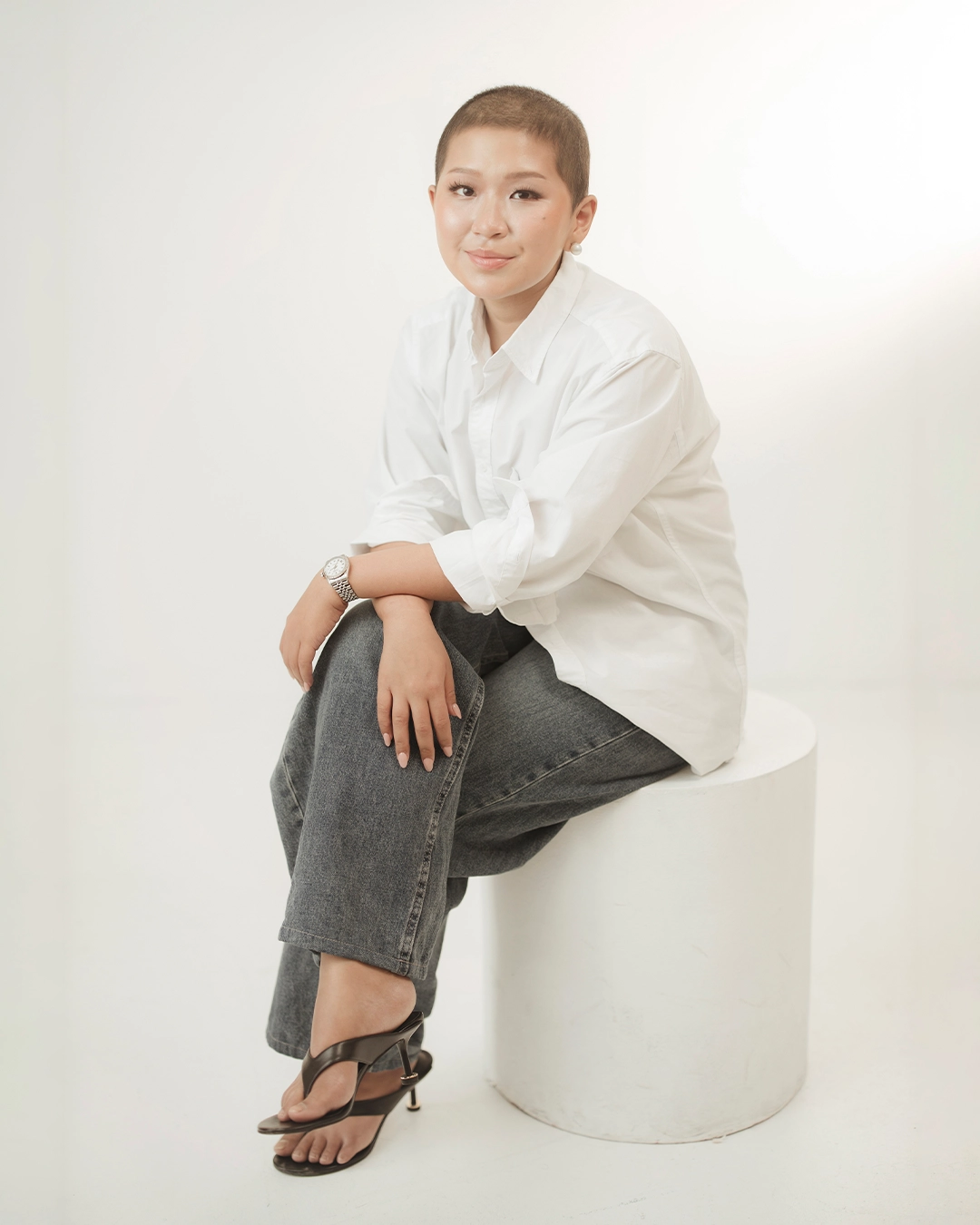
Image courtesy of Raphaella Aiyanna Go
Being a cancer survivor has changed the way I understand beauty and confidence. I learned that it is not only about what you see physically, but also about how you feel internally and how you choose to show up for yourself. There were times when I did not recognize myself, and times when I felt like so much had been taken away from me. But I also learned that confidence can come from knowing what you have endured and still choosing to move forward. I still care about how I look, and I still have insecurities. I am only human. But I no longer want my appearance to be the only thing that determines how I feel about myself. For anyone young going through cancer, I would say permit yourself to feel everything. You don’t have to be strong all the time, and you don’t have to turn every difficult moment into something positive. But as difficult as this experience has been, I also see the perspective it gave me as a blessing. It taught me not to take my body, my time, and my life for granted.
Sofia Julianne Bautista
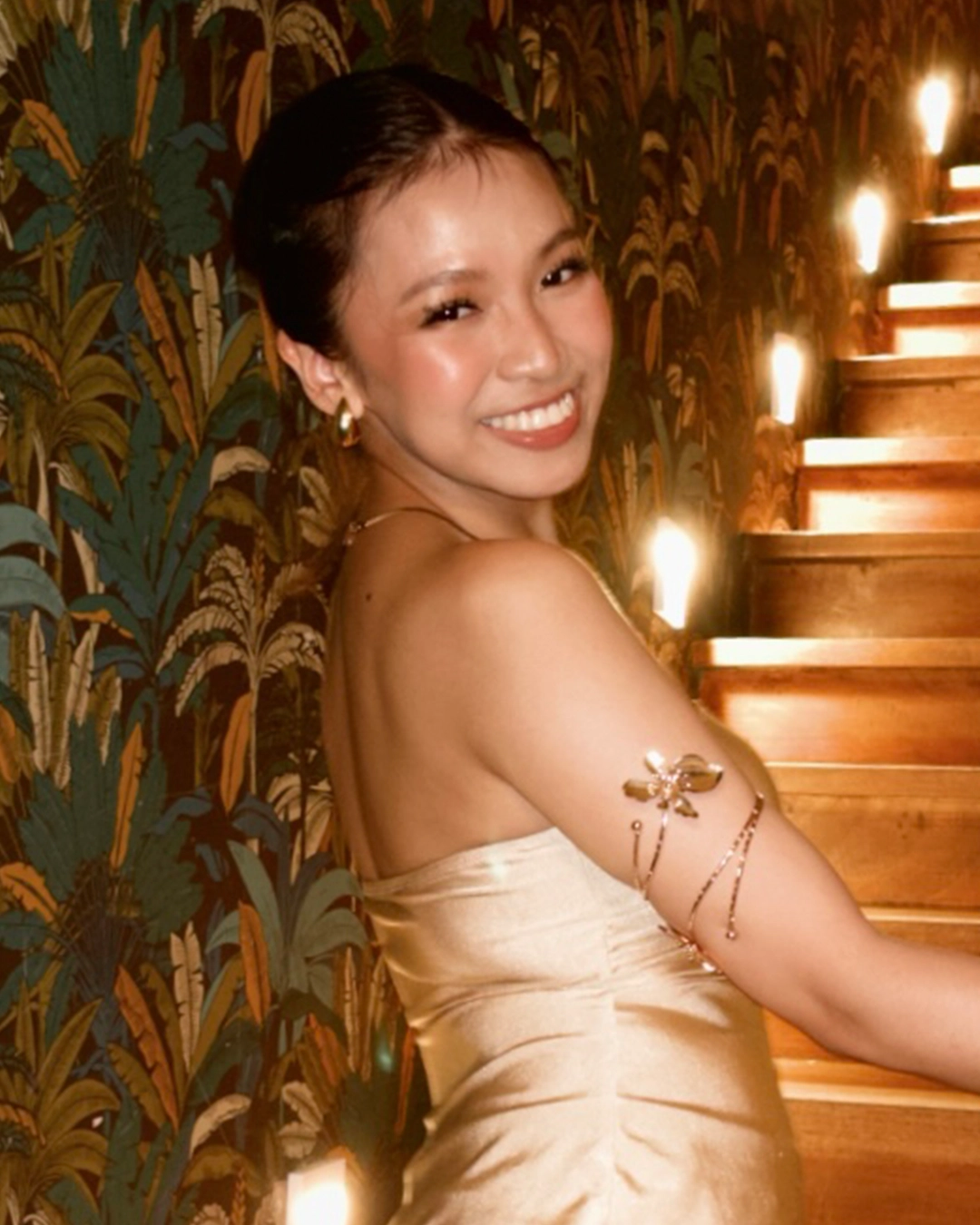
Image courtesy of Sofia Julianne Bautista
Sofia Julianne Bautista, 25, is a first-year medical student at the University of Santo Tomas who loves collecting keepsakes for her junk journal and all things pink. A self-confessed girly girl, her love for makeup began at 10, when she started watching Michelle Phan’s YouTube tutorials. After her acute myeloid leukemia diagnosis and chemotherapy interrupted her first year of medical school in 2025, she had to repeat the year to meet her course requirements. She now sees the experience as an opportunity to pursue her dream of becoming a doctor at her own pace.
As a Gen Z woman, cancer may have been the last thing you expected to face at this stage of your life. What went through your mind when you first received your diagnosis? How did you process the reality of being a young adult living with cancer?
I wasn’t able to actually process it right away because when you have your whole life ahead of you, and then you receive a diagnosis like cancer, immediately your thought would be, how long am I expected to live because of this? Because you went from having to think about how you want to be when you grow old, how you’re going to be in 20 years, what have I achieved by then, how many kids do I have by then? And cancer takes away that kind of privilege to think about the future because you have to think about what happens to you day after day.
Like, you have to take it one day at a time because there was a time during my chemotherapy cycles that I didn’t know if I was going to wake up the next day, if I’m going to make it through the week. It takes away the future aspect of life because you have to think very short-term.
When you’re young, it can feel like everyone around you is moving forward with their lives—finishing school, starting careers, dating, or making plans for the future. Did you ever feel out of sync with your peers because of your cancer experience? How did you navigate that feeling?
I was kind of struck with the same feeling I had a year ago when I was looking out of the hospital window. Because when you have cancer, [you] imagine being in a room with everyone you know, and you’re just stuck in a chair in the middle. And you see everyone’s moving around you, doing different things every single day, doing different routines, having something to look forward to every single day. Imagine having to watch all of that and not [being] able to do anything about it yourself.
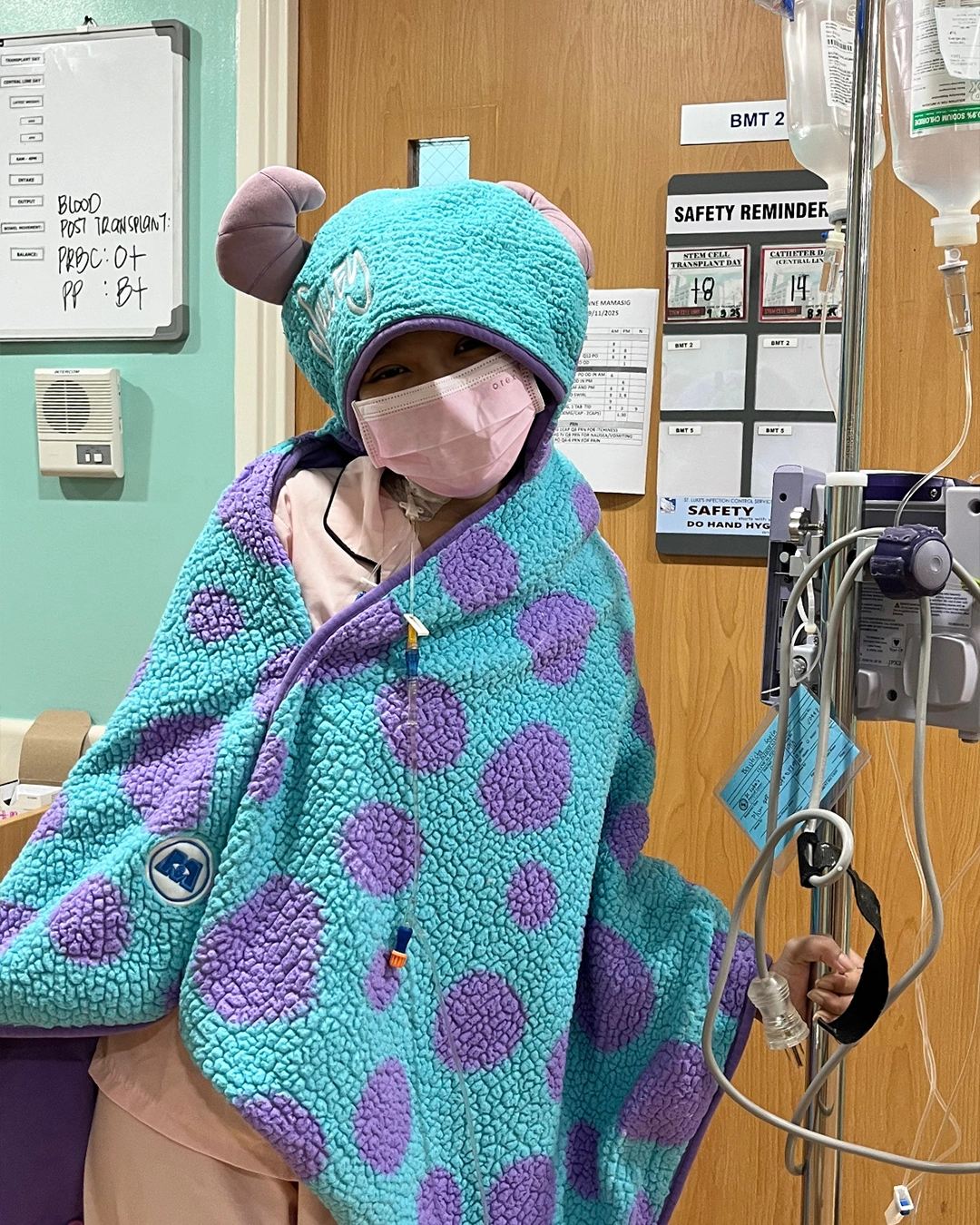
Image courtesy of Sofia Julianne Bautista
I had my life on pause and I didn’t voluntarily sign up for that. It was just subjected to me—to have to face cancer and survive it before I could go and live my life again, if I ever do survive it. It was such a surreal feeling that I was supposed to essentially have the same path as everyone in my batch in med school, but I had to be held back by life circumstances that I didn’t really have any control over.
How did cancer treatment affect your relationship with your body, appearance, and identity as a woman? At a stage when many of your peers are exploring their confidence and sense of self, how did you navigate physical changes and their impact on the way you saw yourself?
I had a lot of trouble with my self-esteem during cancer treatment. Because after going through cycles of chemotherapy, an individual would expect bloating, the loss of hair, and hyperpigmentationHyperpigmentationDark spots or uneven patches that appear when skin produces excess melanin, often after sun exposure, acne, or irritation. It is especially common in morena skin, and treatment relies onGo to Hyperpigmentation Glossary. All of those three, I experienced just one cycle into chemotherapy.
From the very beginning, my self-esteem was hit, because a big part of who I identified as pre-cancer had a lot to do with how my hair looked. My hair was a big part of my appearance, because I was known in my friend group to try different hairstyles every day. My hair was beautiful, I would say. I loved my hair. I loved how it framed my face.
Losing that is like losing a big part of my identity as a woman. Because how do you move forward without the thing that makes up like 50% of your appearance? [I had] to look in the mirror and not be able to recognize myself, because losing my hair came with bloating of the face and the body. I [felt] like I was very out of proportion from who I was used to seeing in the mirror.
But cancer changed my relationship with my body and identity. After cancer, parang everything became a privilege to me. Having hair became a privilege to me again. And having to live in my body after cancer is also a privilege.
As a Gen Z who has shared your cancer journey online, what made you decide to make such a personal experience public? How has sharing your story on social media shaped your relationship with yourself and helped you connect with other young people who may be going through similar experiences?
The funny thing is, I didn’t expect my first ever TikTok post about cancer to go immediately viral. I just woke up to having a lot of notifications about that because I posted that on a whim. I was so vulnerable at that time. I was taking a video of having my chemotherapy being dripped already into my IV and I was crying about it. I took a video and then I posted it and then I went back to sleep. I didn’t expect for it to blow up the way it did, but I’m kind of thankful that it did. Not only did I get a lot of support from these strangers, but it helped me build a virtual community with fellow cancer survivors or people living with cancer or people who are actively in treatment for cancer.
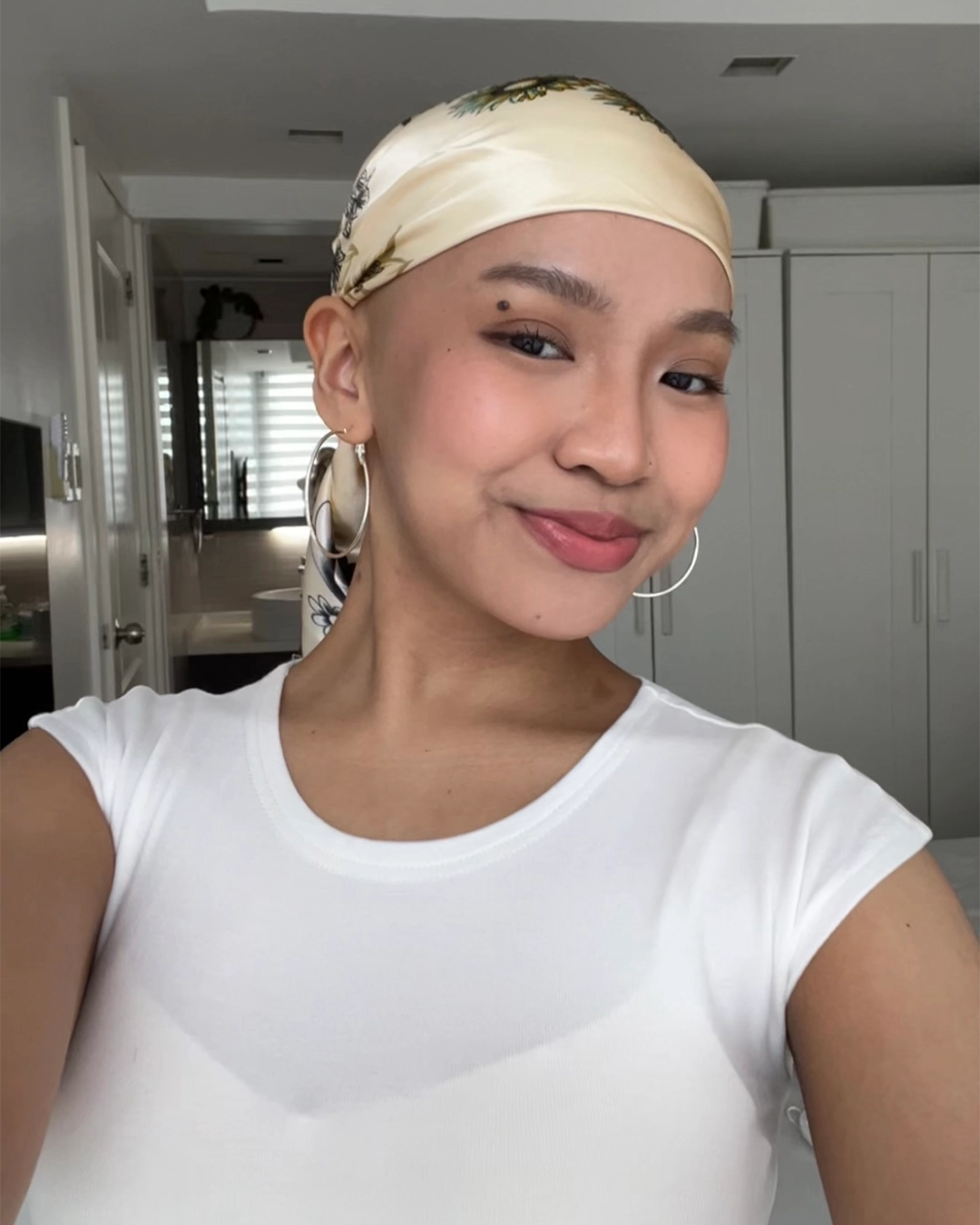
Image courtesy of Sofia Julianne Bautista
In that virtual community that I’ve entered with fellow cancer survivors or people living with cancer, you kind of check up on each other. I’ve had conversations with fellow cancer people, not limited to AML. Some of them are osteosarcoma, lymphoma patients, melanoma also. It widened my support system because we would check up on each other from time to time and you would silently root for them also while you’re trying to survive your journey. I continue to share my personal experience about cancer in public, because a lot of these cancer survivors or people who are actively going through cancer would take that video and let it serve as an inspiration for them to keep going. This is what they tell me personally.
How has surviving cancer changed your understanding of beauty and confidence? What would you want other Gen Z individuals facing cancer to know about navigating body image, identity, and the experience of growing up while living with a life-changing illness?
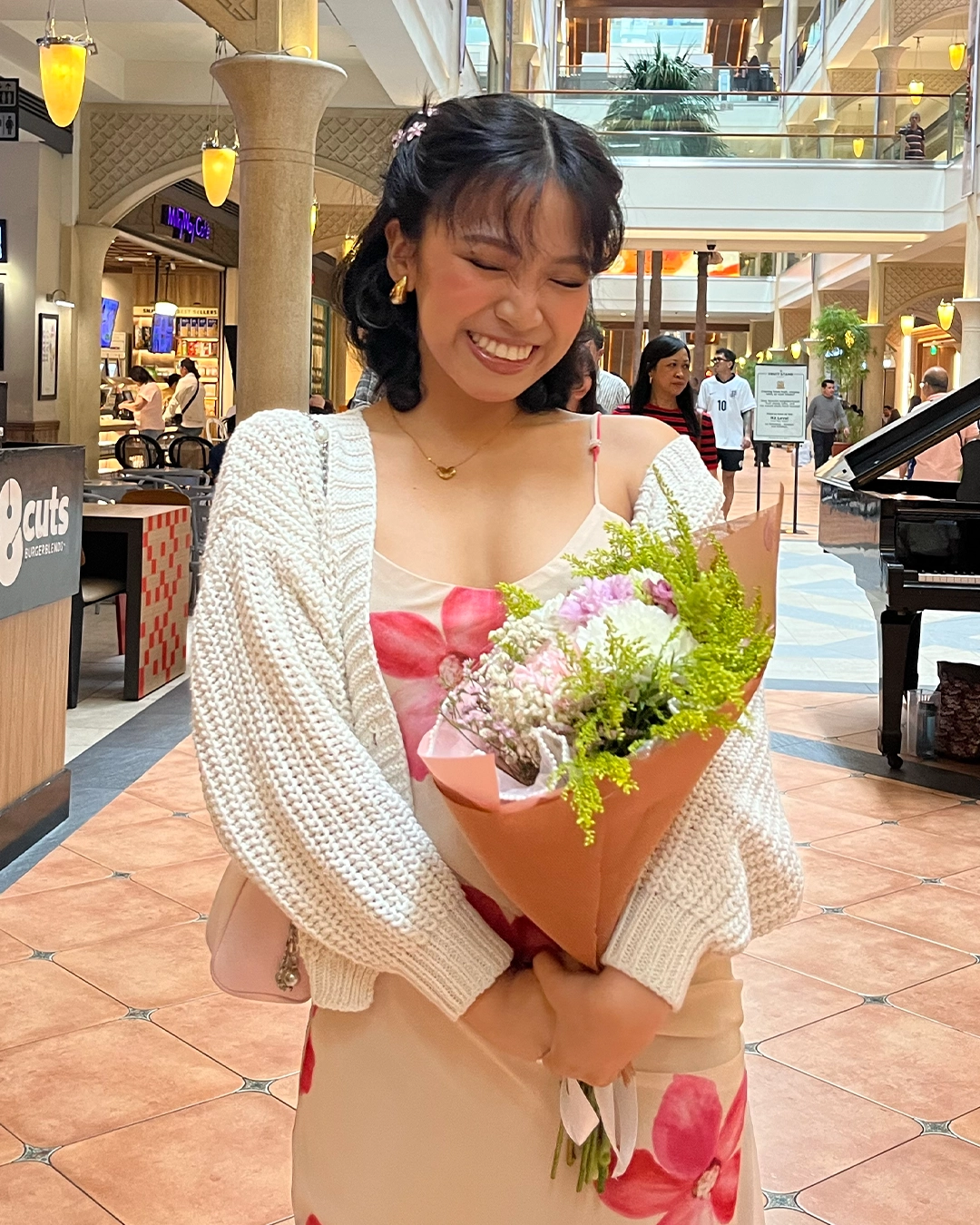
Image courtesy of Sofia Julianne Bautista
I feel like surviving cancer made me really understand that beauty transcends just who you are and who you appear [to be] on the surface. A lot of my realizations about beauty and confidence during cancer were really challenged during that life-changing season because I realized that what I understood about my beauty and my confidence were rooted from who I appear to be.
What I would say to my fellow Gen Z individuals facing cancer or just Gen Z in general is to take your time. You don’t have to rush into figuring yourself out because you have a lot of experiences ahead of you that you may not anticipate that will bring a lot of definition [to] your life. But after those experiences, you get to have a moment of reflection for yourself. Who can I be after a life-altering experience? I feel like navigating body image or your identity just comes with an accumulation of all your life experiences and working through each of them to become a version of yourself that you want to identify as or you’re proud to identify as because it makes you more beautiful. It makes you more confident. It makes you you.
Embracing themselves at every stage
For these women, reclaiming beauty has not meant returning to the women they were before cancer, but learning to embrace who they are becoming. Their experiences taught them that confidence can coexist with insecurity, that caring about their appearance does not diminish their resilience, and that healing does not require them to find meaning in every difficult moment.
As they continue pursuing their dreams and rebuilding their lives at their own pace, they remind us that growing up is rarely a straight path. Sometimes, finding yourself means making room for the parts of you that have changed, the dreams that remain, and the possibilities you have yet to discover.
Frequently Asked Questions
Chemotherapy often causes hair loss, weight changes, and hyperpigmentation, which can disrupt a young woman’s sense of identity. Filipina Gen Z survivors describe needing time to grieve these physical changes before gradually rebuilding confidence and redefining their relationship with their appearance.
Hair loss from chemotherapy is typically temporary, with regrowth beginning weeks to months after treatment ends. Survivors in this feature describe hair loss as one of the most emotionally difficult side effects, yet many came to see its return as a meaningful marker of recovery.
Survivors say comparing their progress to peers finishing school or starting careers can intensify isolation. They recommend focusing on personal pace rather than fixed timelines, treating treatment years as a different—not lesser—chapter of their lives, with patience for themselves.
Acute myeloid leukemia is a fast-growing blood cancer originating in the bone marrow. It can affect people of any age, including Gen Z adults in their twenties, and typically requires intensive chemotherapy— sometimes alongside procedures like stem cell transplants—to reach remission.
Many young survivors use platforms like TikTok to process their experience and reduce isolation. Sharing hospital moments alongside everyday life helps build community with other patients and shows others navigating a diagnosis that recovery and a sense of normal life remain possible.