What 9 Filipina Celebrities Wish They Knew About Mental Health When They Were Younger
What does it really mean to be strong? For World Mental Health Day, nine powerhouse Filipinas reveal the lessons they learned about protecting their peace, asking for help, and putting themselves first—without the guilt.


There are things we wish we’d known sooner. That being strong doesn’t mean keeping everything to ourselves. That asking for help isn’t a sign of weakness. And that sometimes, taking care of ourselves means knowing when to stop pushing through.
But these aren’t always lessons we’re taught growing up. In a culture that often celebrates resilience and putting others first, conversations about mental health can still be difficult to begin. Life, after all, is a journey of self-discovery, shaped by our experiences, memories, and the lessons we gather along the way. Some life lessons come easily, while others arrive after years of keeping quiet, struggling to name feelings we can’t quite describe, or trying to bury a pain we can’t quite explain.
But when it comes to mental health, what if speaking up is how we begin to find the words we needed all along? What if we’d known earlier that we don’t have to earn rest, hide our struggles, or have everything figured out to deserve support?
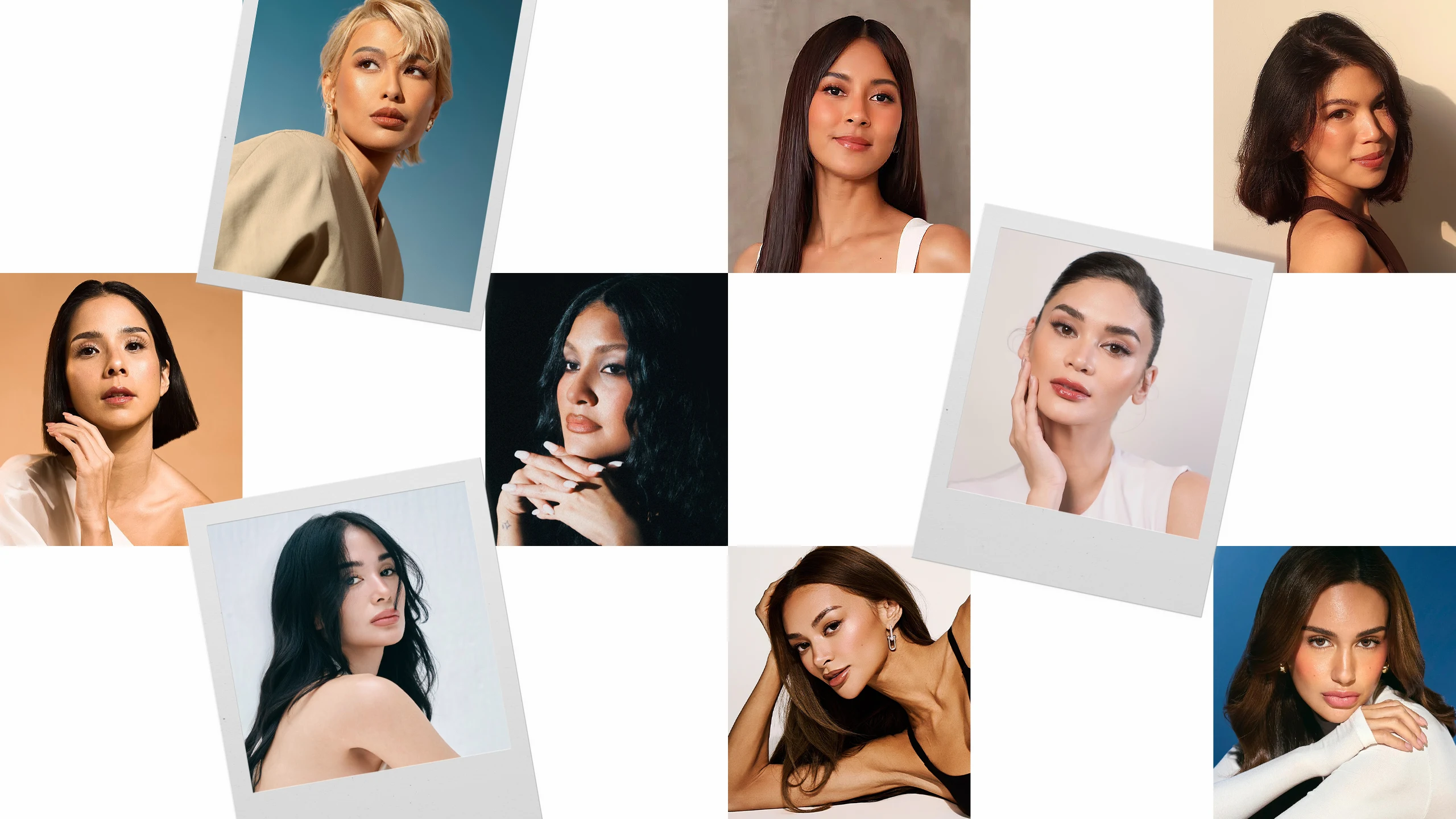
In this special Allure Philippines wellness feature for World Mental Health Day, we asked nine powerhouse Filipinas one question: “What do you wish someone had told you about taking care of your mental health when you were younger?”
Drawing from their own experiences, they reflect on lessons often left unspoken: the courage to ask for help, set boundaries, and process difficult emotions, as well as the grace to make room for love, kindness, and compassion for themselves.
Heart Evangelista: Your courage to speak up can give others the strength to do the same
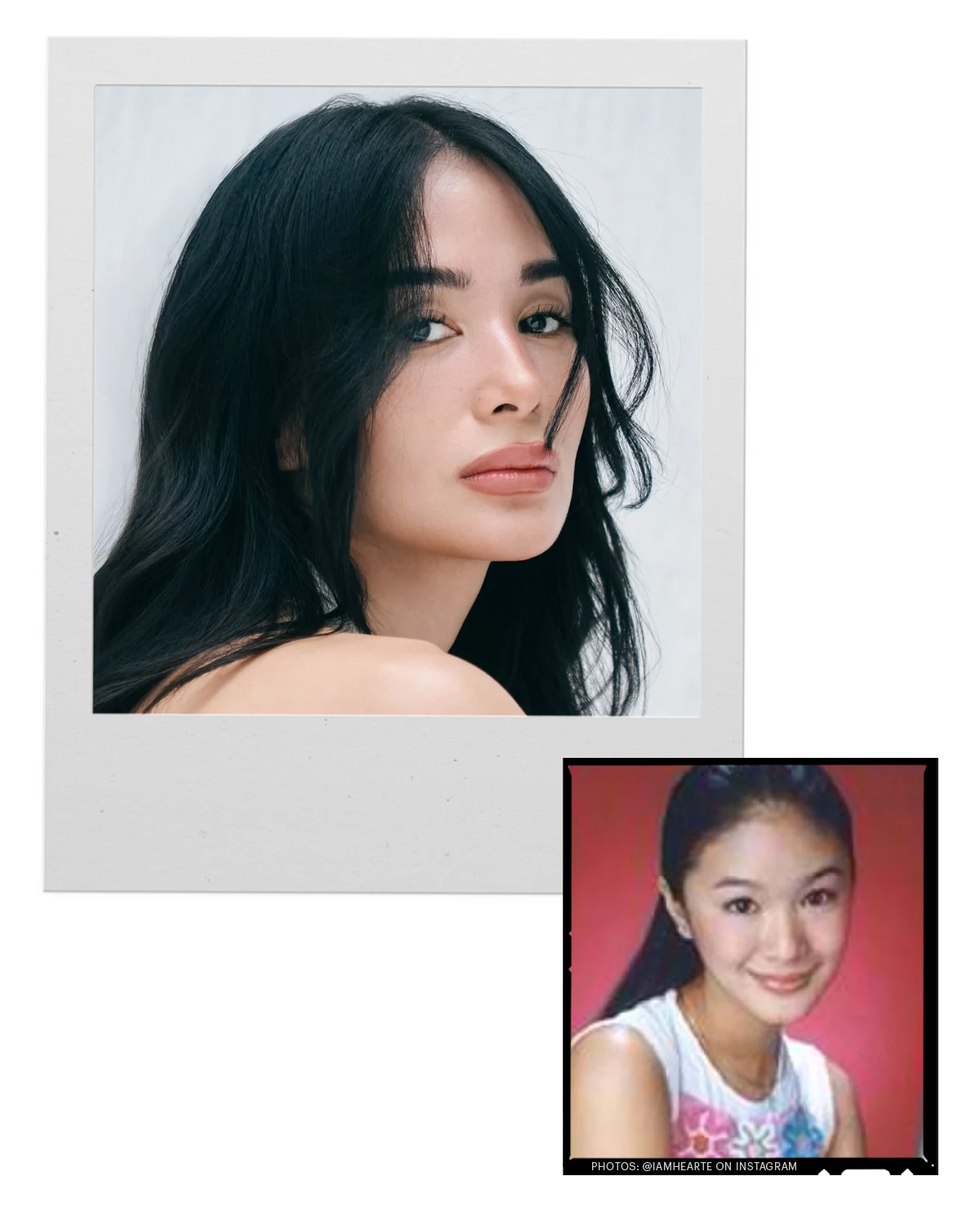
@iamhearte on Instagram
I feel like I belong to a different generation, when mental health wasn’t really something that people spoke about. I just started to speak about how I felt—or try to wonder why I was sad even when I shouldn’t—when I was a bit older, probably in my 20s, like 25 to 27. And that was the first time that I allowed myself to research, see a doctor, and finally actually go to a doctor.
I feel like now it’s really important to talk about mental health and what you’re going through, and not be worried that people will take it against you. Because you are definitely helping a lot of people, especially with social media and creating this voice and having this specific stage where you have an audience that is probably suffering from the same thing.
So being young, my advice would be to not panic and know that everything is going to be okay. The more you talk about it, the more you’ll feel better.
Michelle Dee: Success shouldn’t come at the cost of yourself
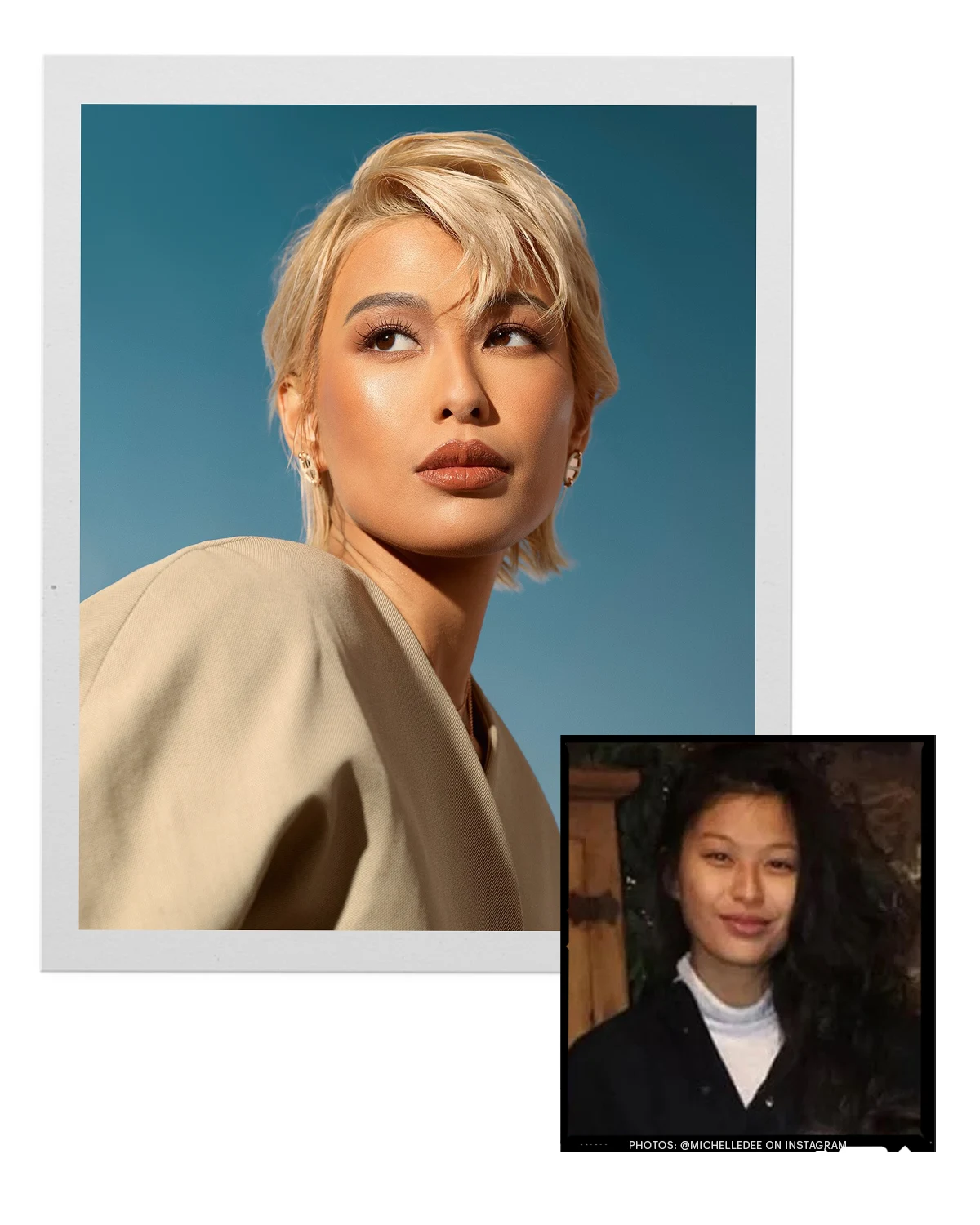
Josh Tolentino and @michelledee on Instagram
For most of my life, I’ve been someone who just keeps going. But I’ve learned that constantly pushing yourself isn’t always the same as taking care of yourself.
This year especially has taught me a different kind of strength. To be more intentional with my energy, the people I surround myself with, and the things I choose to prioritize. Even my relationship with my body has evolved. What was once one of my biggest insecurities has become one of my greatest assets.
And even at 31, I’m still learning, still ambitious, and still figuring things out. But wellness, to me, is no longer just about looking good or feeling strong. It’s about protecting the person behind everything I’m working so hard to build. Because what’s the point of building a life you’re proud of if you lose yourself along the way?
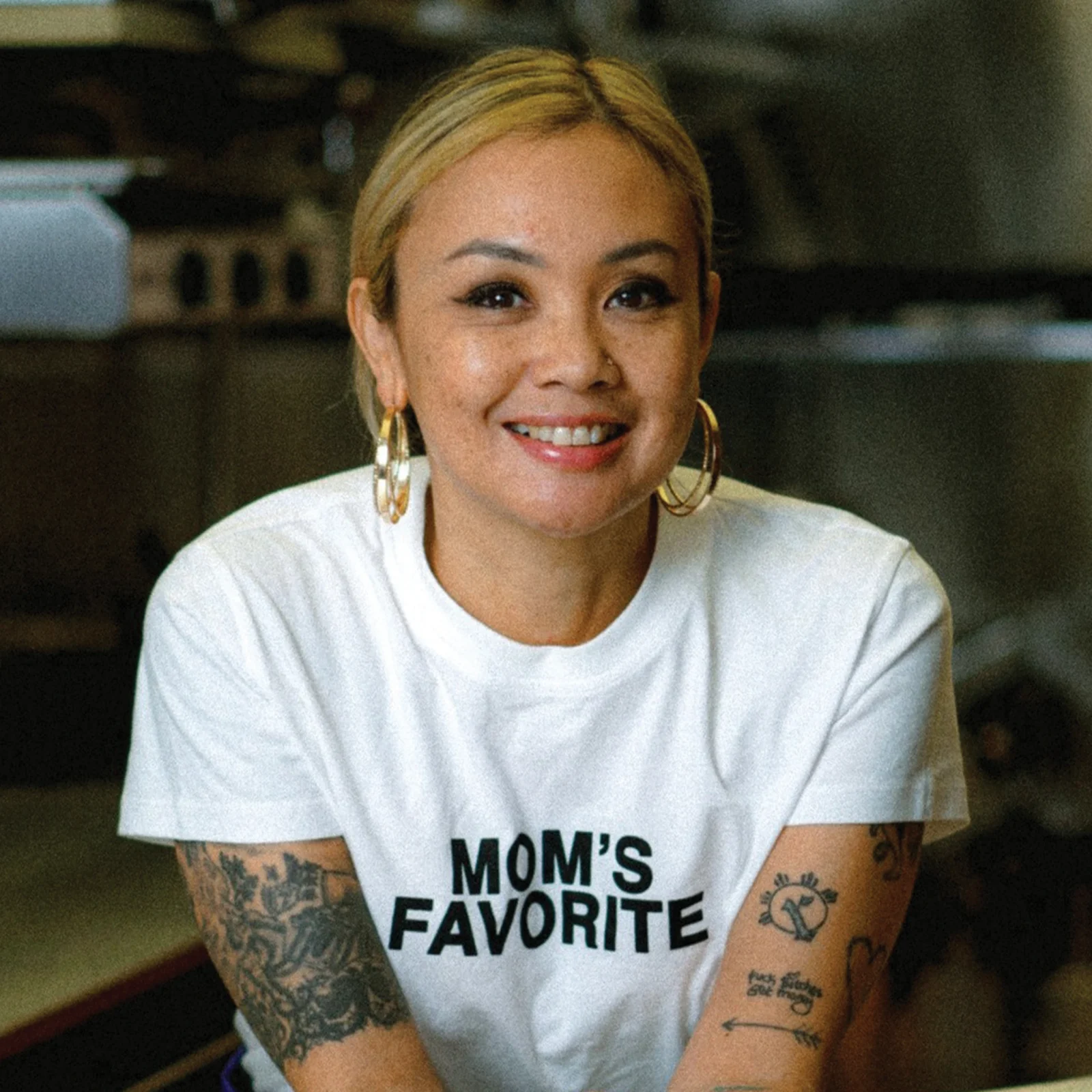
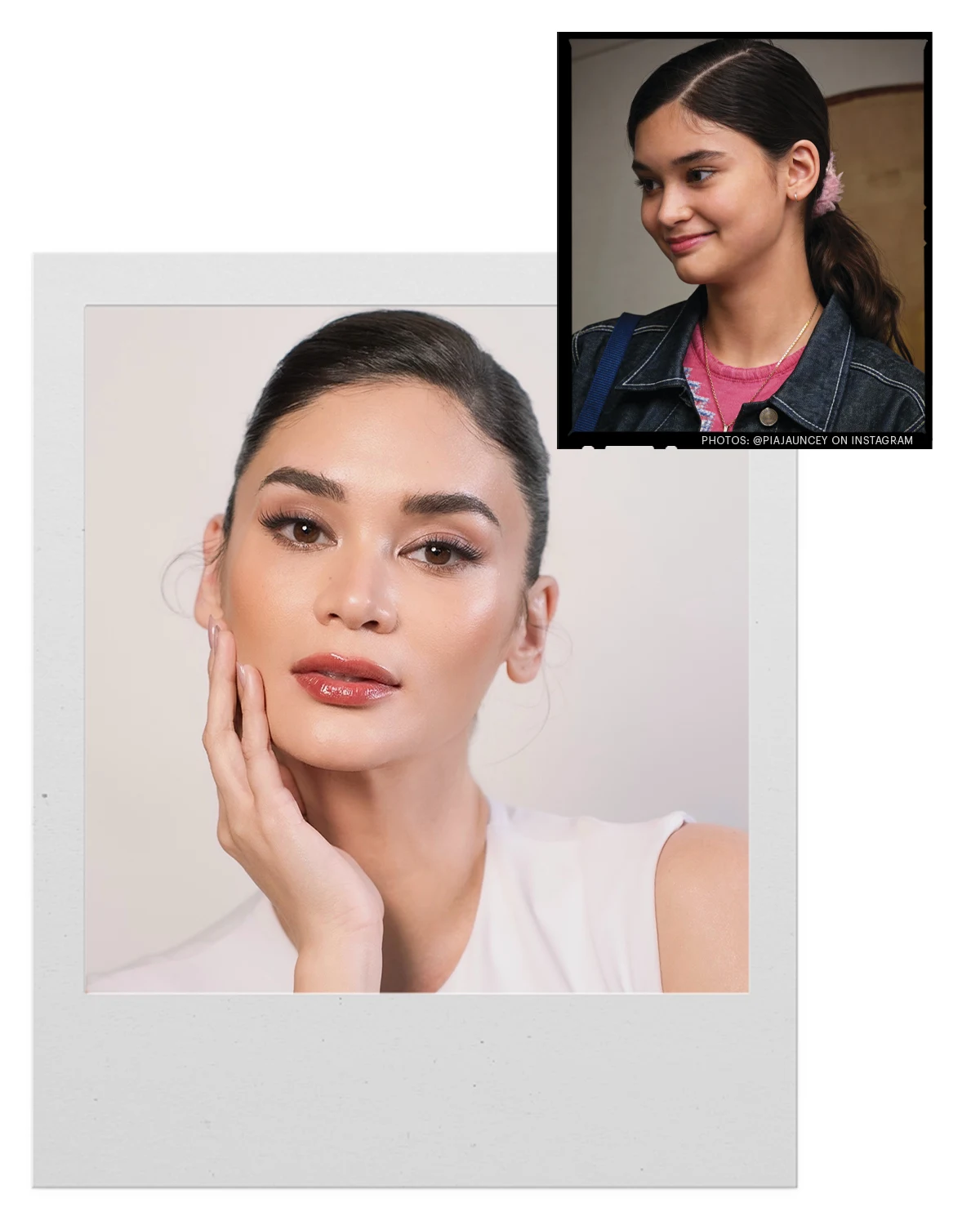
Pia Jauncey: Asking for help is also a form of resilience
@piawurtzbach on Instagram
Growing up in the Philippines, I wish someone had taught me that taking care of your mental health is just as important as taking care of your physical health. I don’t remember mental health ever really being discussed in school, so most of what I learned came much later, through seeking out information and resources on my own.
I also wish there had been more education around it in general, because even when help exists, stigma can make you feel embarrassed to say out loud that you’re struggling. We’re often taught to be resilient, to push through and toughen up, and there is strength in that. But I wish I had known earlier that resilience can also mean asking for help, understanding what you’re feeling, and not being ashamed of it.
Bianca Gonzalez-Intal: It’s okay not to have a good day every day

@iamsuperbianca on Instagram
There are a few things I’m teaching my daughters now that I definitely wish I’d known when I was younger.
First, not every day will be a good day. There will be mid or “meh” days. There will be bad or sad days, too. And that’s normal.
Second, when feeling big feelings, take deep breaths. This is something we practice together, and something I try to model and practice myself (and it’s tough sometimes!). I tell them that when they feel big, big emotions, to just pause and take deep breaths, and it will help them get through the big feelings.
Third, we practice gratitude every single day in our evening prayer. All of us list every single thing we’re grateful for that day. And since we started doing it as a family many years ago, even my level of joy and contentment has been at its best.
At my daughters’ ages, 10 and 7, it isn’t really called “mental health” yet, it’s more of just knowing what they feel and how they manage it. And everything I teach them I really try my best to practice too.
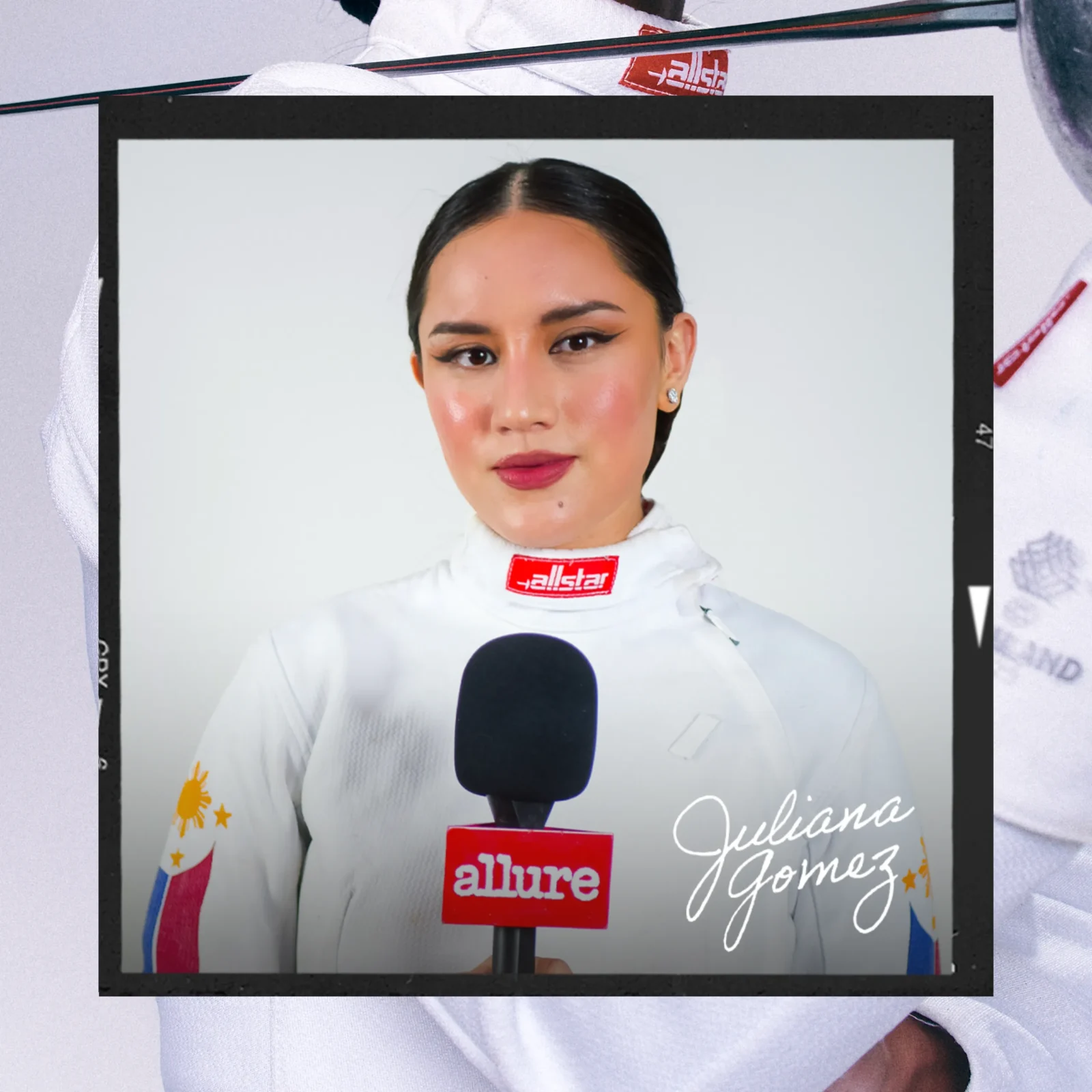
Celeste Cortesi: You don’t always have to be strong

@celeste_cortesi on Instagram
I wish someone had told the younger me that I didn’t always have to be strong.
For a long time I thought taking care of myself meant pushing through, keeping things to myself, and figuring everything out on my own. I didn’t realize that you can be capable and strong and still need help. You can have a bad day, feel overwhelmed, say “I’m not okay,” and not have to feel guilty about it.
I wish I had learned earlier that you don’t have to wait until you’re completely exhausted or at your breaking point before you give yourself permission to rest, to set boundaries, or to ask for help. Sometimes, the most important thing you can do for yourself is to listen to what you’re feeling instead of constantly trying to push past it.
Growing older has taught me that protecting your peace isn’t selfish, and choosing yourself doesn’t mean you love or care about other people any less. It means recognizing that you matter too.
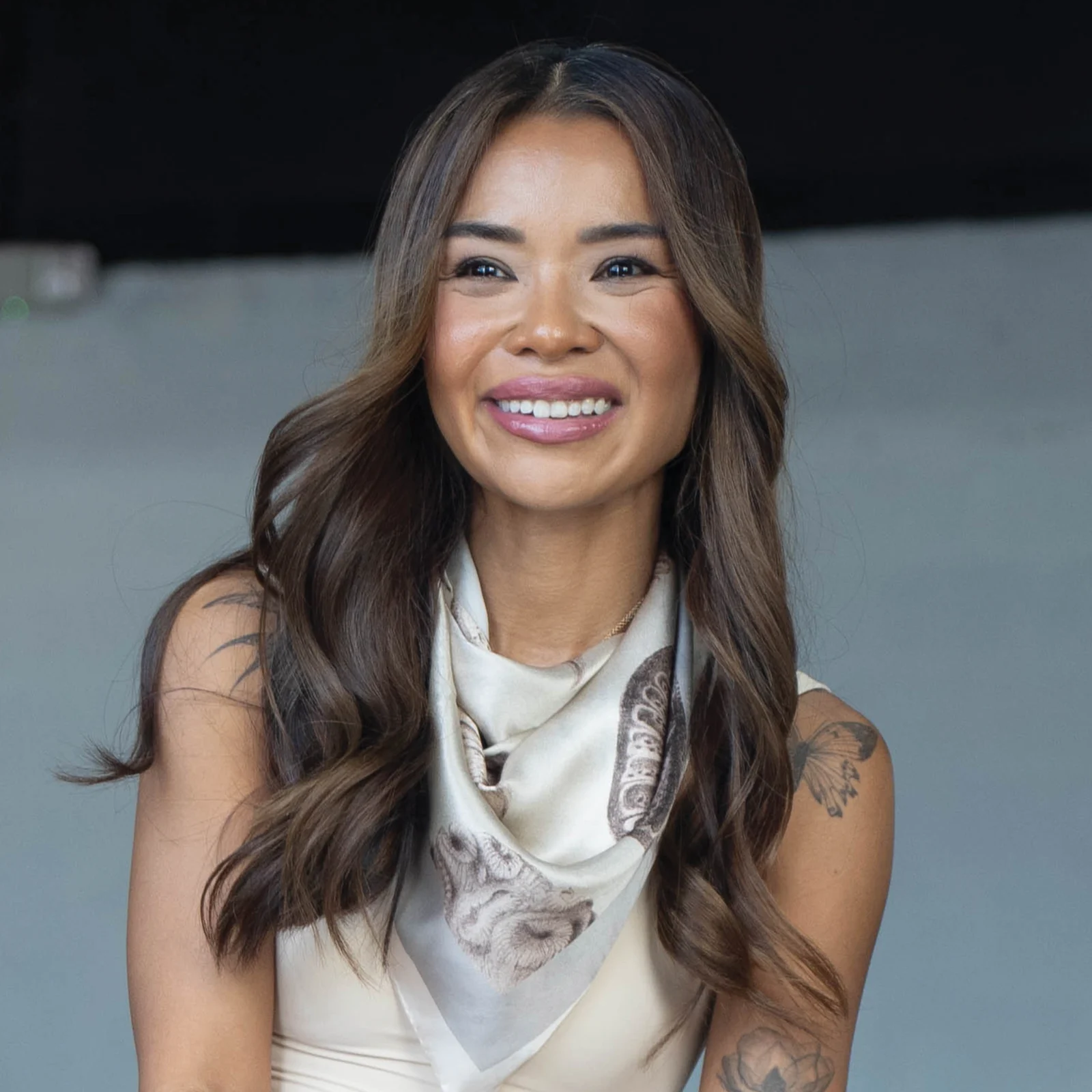
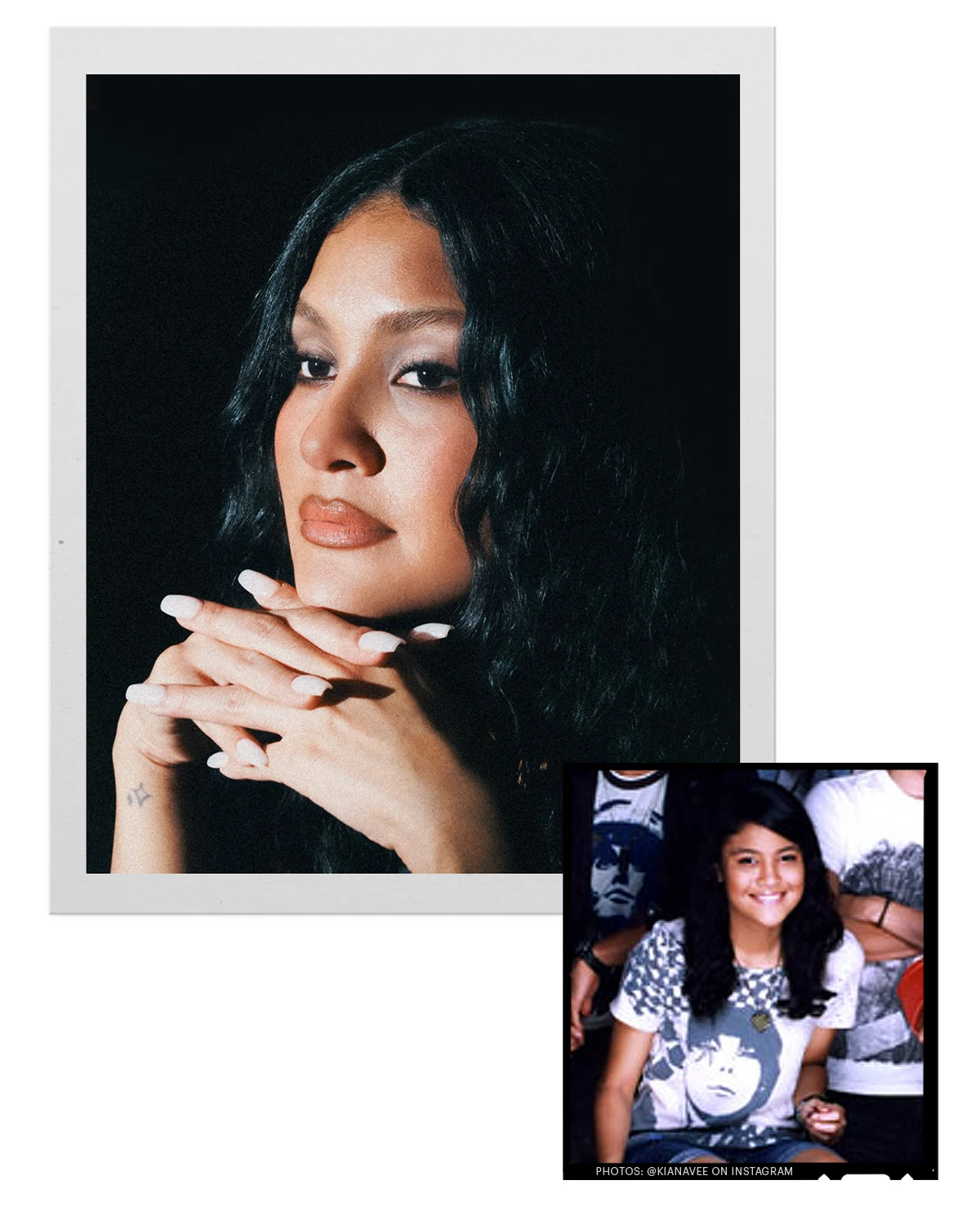
Kiana Valenciano: There is strength in vulnerability
@kianavee on Instagram
I wish someone had told me that taking care of your mental health is as essential as taking care of your physical health. The two are always connected, and affect how you show up for yourself and those around you. Also, I wish I had understood earlier that there is nothing wrong with asking for help. Having the vulnerability to ask for help actually takes a lot of courage and shows so much strength.
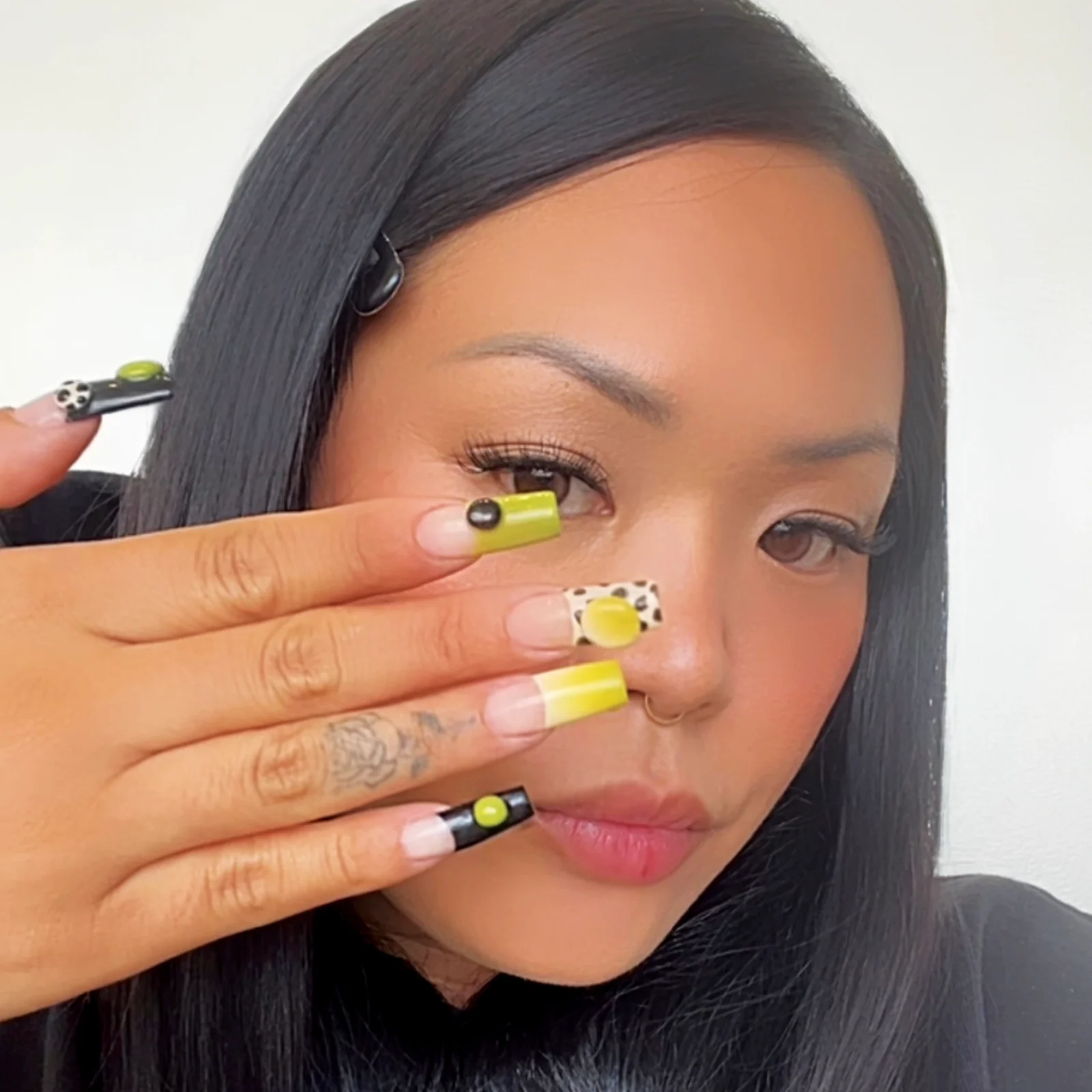
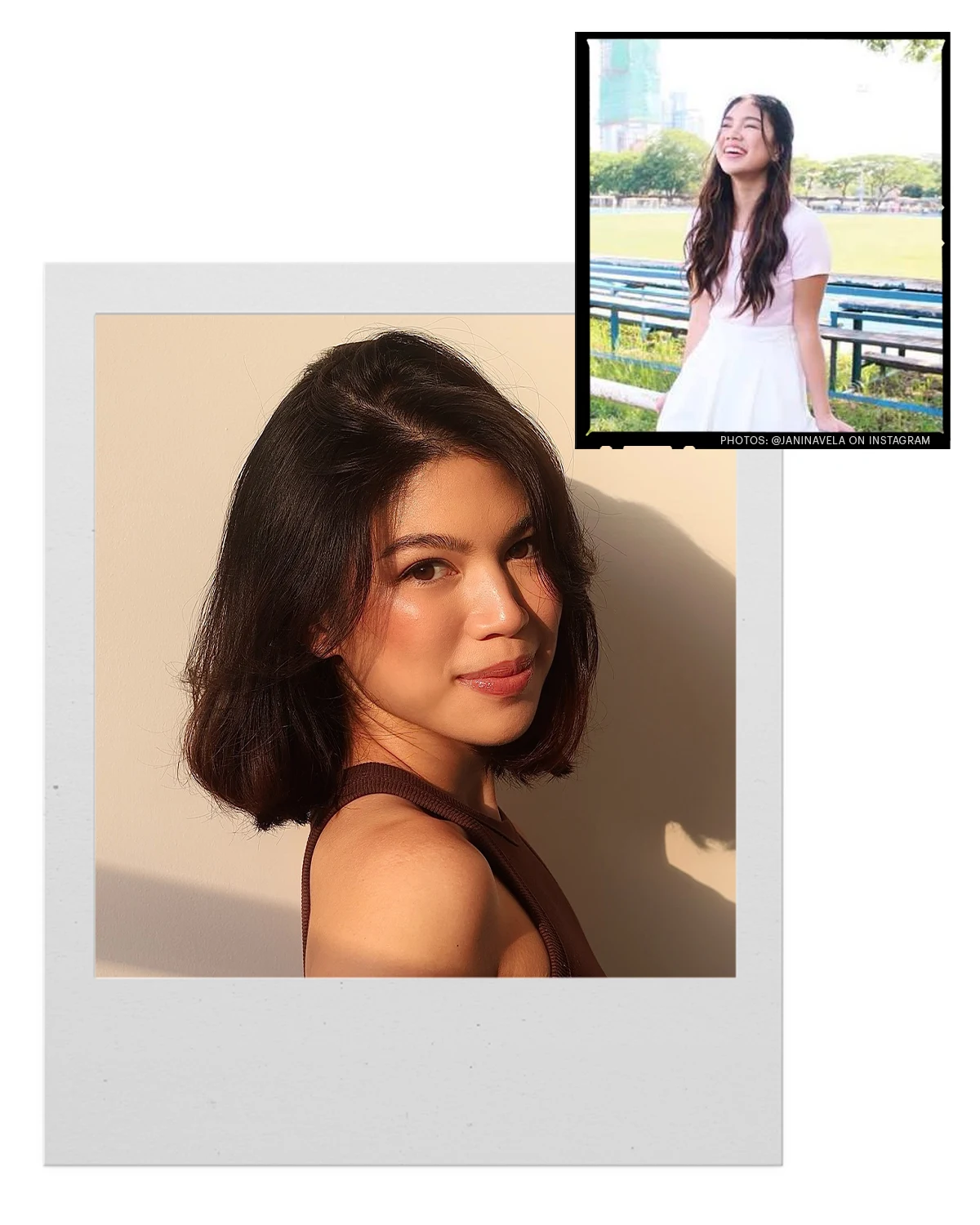
Janina Vela: Protecting your peace doesn’t mean avoiding life
@janinavela on Instagram
I wish someone told me that protecting your peace doesn’t mean avoiding everything that could disturb it. That’s unfortunately not even possible! So I wish I knew that caring for my mental health was also about building the resilience to remain at peace even when life isn’t peaceful.
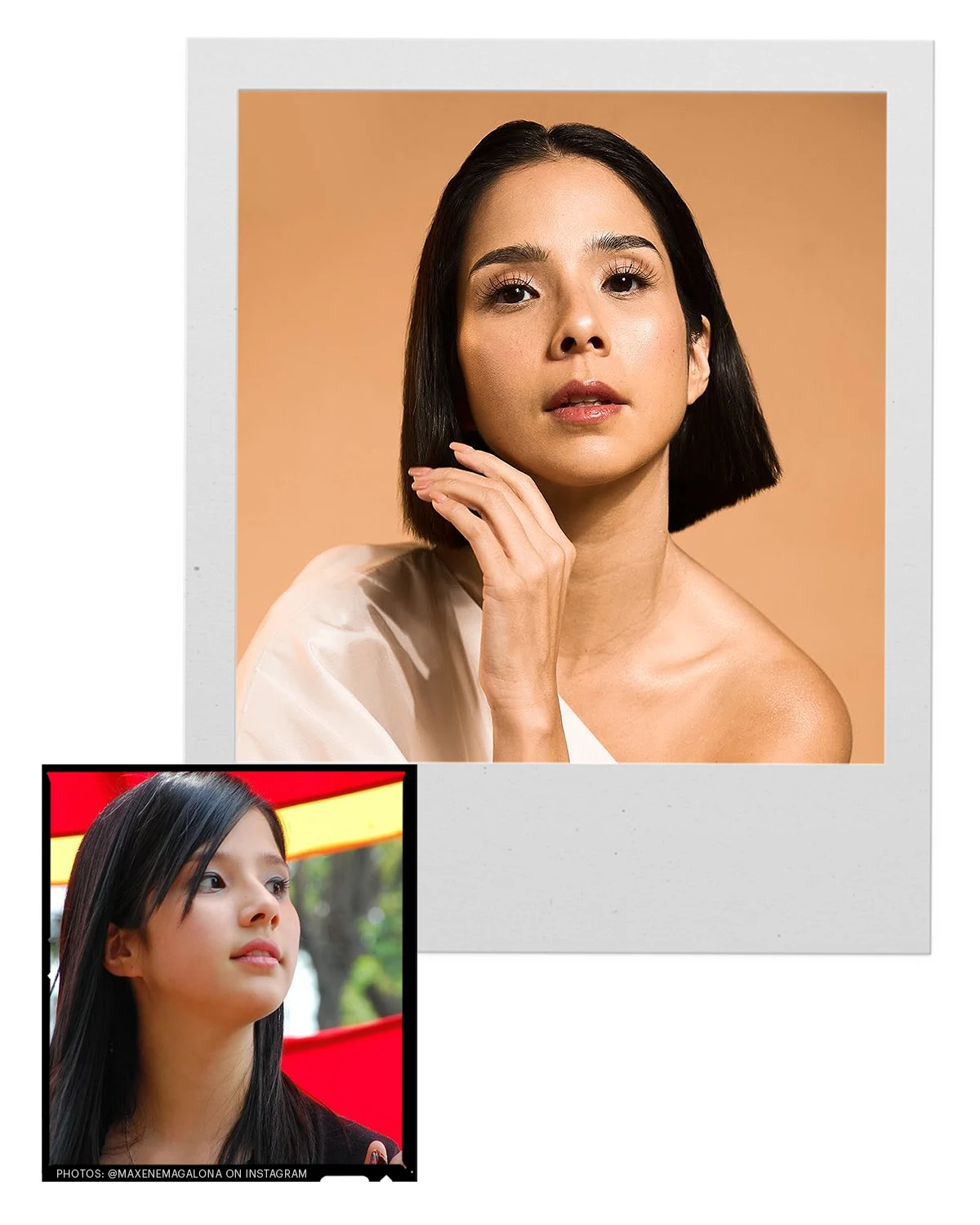
Maxene Magalona: The stories you tell yourself matter
Kieran Punay and @maxenemagalona on Instagram
What I wish someone had told me about taking care of my mental health when I was younger is that I needed to be more mindful of my thoughts and emotions because the way we think shapes the way we see ourselves, the world, and what we believe is possible for our lives. When we constantly focus on fear, negativity, and limitation, we can begin to see life through that lens and unconsciously make choices that keep us there.
But when we allow ourselves to imagine a better future, believe that something more beautiful is possible, and align our thoughts, emotions, and actions with that vision, we begin to create change.
You are not responsible for everything that happens to you, but you have more power than you realize over what you choose to focus on, what you believe is possible, and the life you consciously create from there. Be mindful of what you repeatedly tell yourself. Your thoughts become beliefs, your beliefs influence your choices, and your choices shape your life.
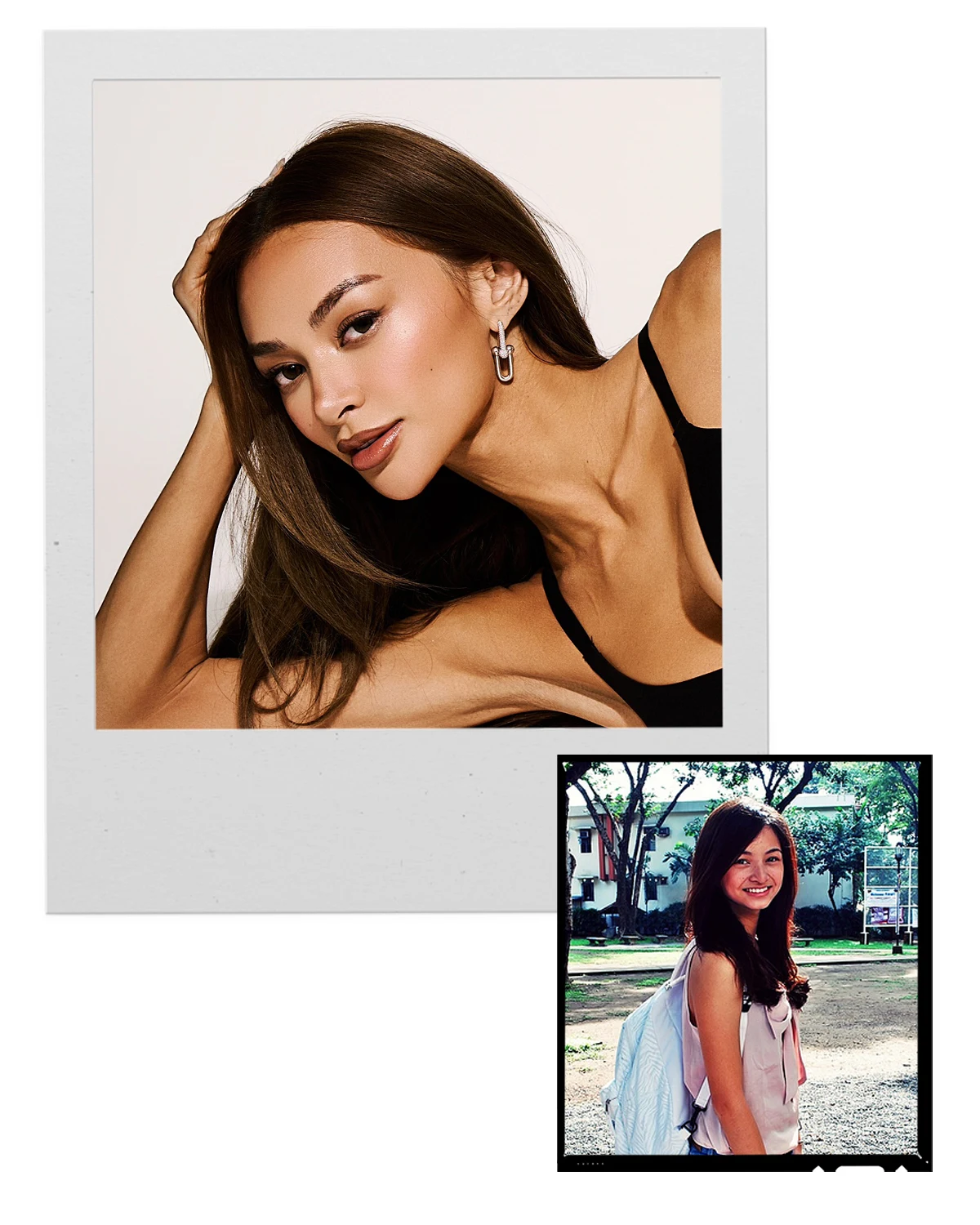
Kylie Verzosa: You don’t have to have it all figured out
@kylieverzosa on Instagram
I wish someone had told me that it’s okay not to have everything figured out. When you’re younger, there’s so much pressure to do well, make everyone happy, and keep it all together. But I’ve learned that it’s okay to slow down, say no, ask for help, and just have bad days. Taking care of yourself isn’t selfish, and you don’t have to wait until you’re burnt out to start putting yourself first.
The things we can still learn
We can’t go back and tell our younger selves what we know now, but we can carry those lessons forward. From learning to listen to ourselves and knowing when to rest, to becoming more intentional of where we put our energy, surround ourselves with, and ultimately understanding how asking for help is not a weakness but a form of courage.
Taking care of our mental health isn’t something we have to get right all at once. It’s something we keep learning, one day at a time.
Frequently Asked Questions
Filipina celebrities say they wish they had known that strength does not mean handling everything alone. Michelle Dee, Pia Jauncey, Celeste Cortesi, and others describe asking for help, setting boundaries, and resting before burnout as lessons they learned later in life, not as children.
In this Allure Philippines feature, Pia Jauncey says growing up in the Philippines, mental health was rarely discussed in school, and stigma can make people embarrassed to admit they are struggling. She describes learning most of it later, through her own research and resources.
Celeste Cortesi and Kylie Verzosa both say it does not. Cortesi describes protecting your peace and choosing yourself as recognizing that you matter too, not caring less about others. Verzosa adds that taking care of yourself is not selfish and you need not wait until burnout.
Several featured women reframe asking for help as strength. Pia Jauncey says resilience can include asking for help and understanding what you feel, while Kiana Valenciano says the vulnerability to ask takes courage. Celeste Cortesi adds that capable people can still need support.
Michelle Dee says constant pushing is not the same as self-care, and describes becoming more intentional with her energy, the people around her, and her priorities. She frames wellness as protecting the person behind her ambitions, not only looking good or feeling strong.