You probably own more than one hair tool, but chances are, you reach for only one each time. Maybe it’s the paddle brush you’ve owned since college, the one with metal rotating bristles from 7-Eleven or Uncle John’s, or the flat comb brush that practically lives in your bag for trips to the restroom after a stressful commute.
The one thing you ask of your go-to hair tool? As long as it detangles, it does the job.
But each one is built differently. A wide-toothed comb, a densely-bristled brush, and a round brush each have their own shape, bristle size, and purpose, from detangling after a shower to styling a blowout. In a country where humidity affects how your hair looks by midday, it helps to know which does what.
Here’s a quick guide to 10 types of hair tools, and what each one is for.
Hair brush vs. comb: What’s the difference?
You might get the two mixed up, but they’re built differently. Hair brushes typically have multiple rows of pins or bristles set into a cushioned base, while combs have a single row of teeth.
That difference shapes how they’re used. Combs are for detangling and precise styling, while hair brushes tend to be used for smoothing the surface, distributing product, and styling larger sections of hair.
1. Detangling brush
This brush has flexible and widely spaced bristles that bend through knots instead of snagging on them. It can be used on both wet and dry hair, making it a handy pick for post-shower tangles and quick touch-ups.
Tangle Teezer The Ultimate Detangler
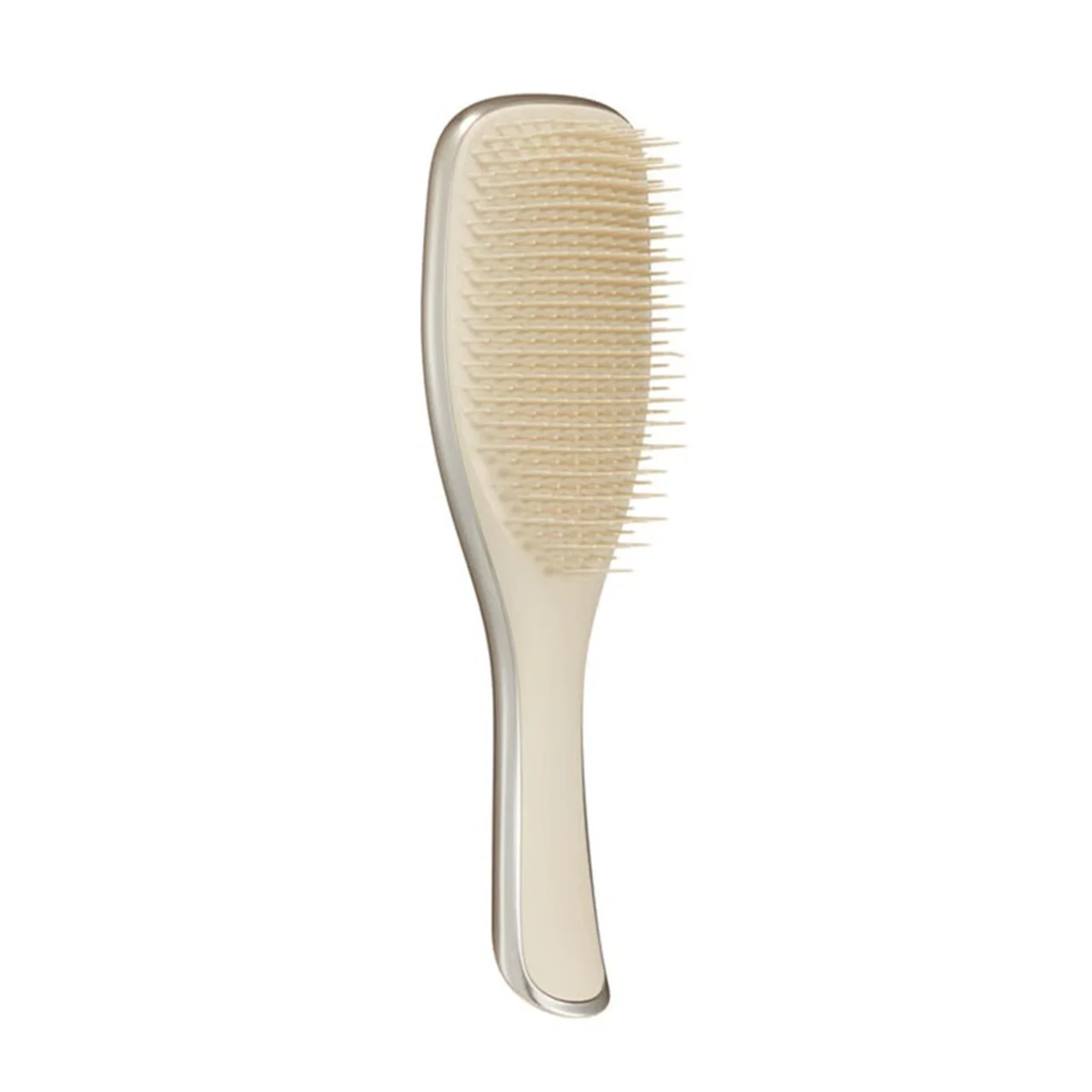
Tangle Teezer
2. Wide-toothed comb
This is a comb with generously spaced teeth that glide through the hair without pulling at the roots. It’s a go-to choice for working through wet hair, detangling on the go, and spreading a conditioner or hair mask from mid-length to the ends of the hair.
Betterhair Not Knot Pocket Detangler Comb
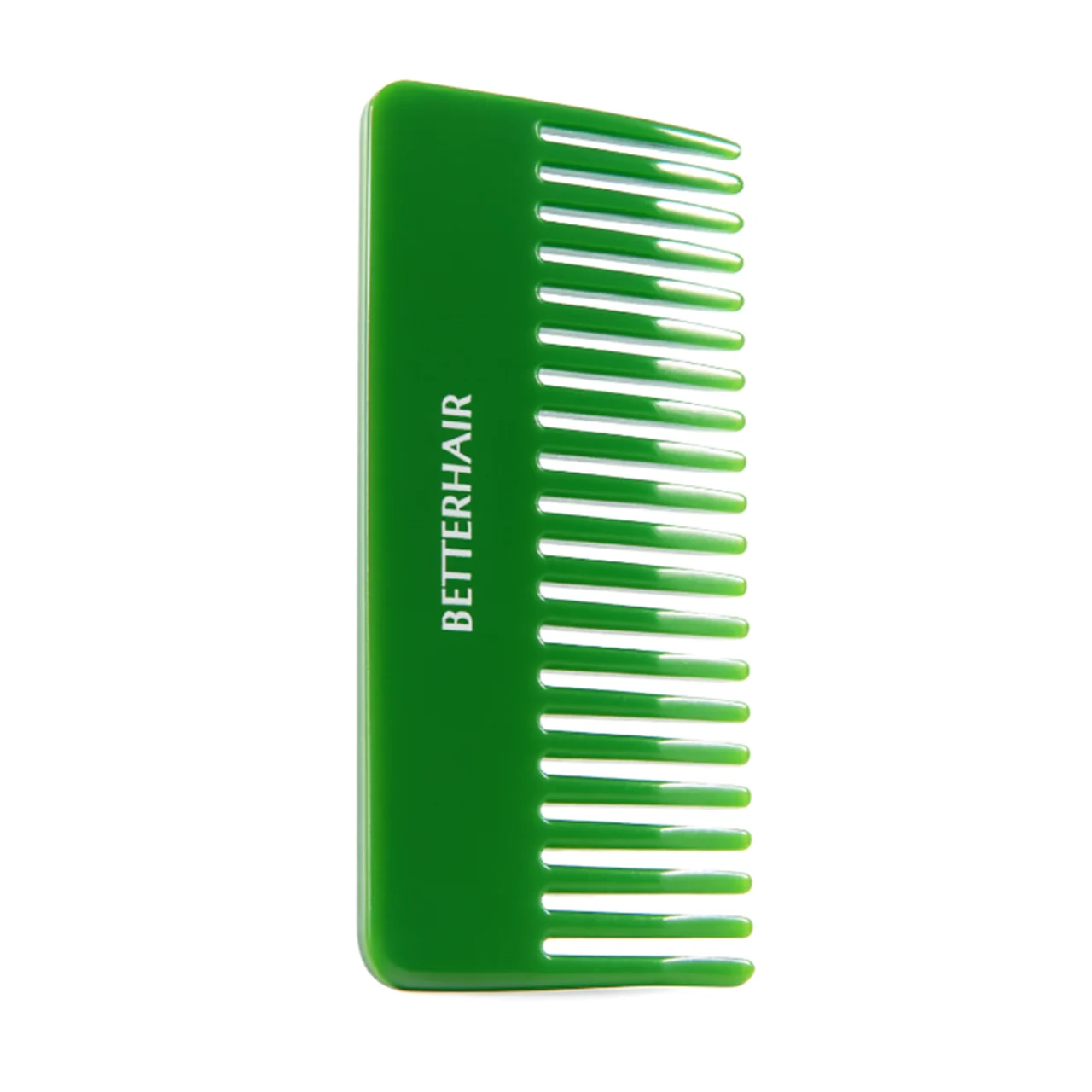
Betterhair
3. Boar-bristle brush
This brush is made with natural bristles that sit close together. It’s meant to smooth the hair, distribute the scalp’s natural oils through the lengths of the hair, and tame flyaways, as well as increase blood flow to the scalp. It’s more of a finishing tool rather than a styling one.
VeSS Natural Luster Brushing Brush
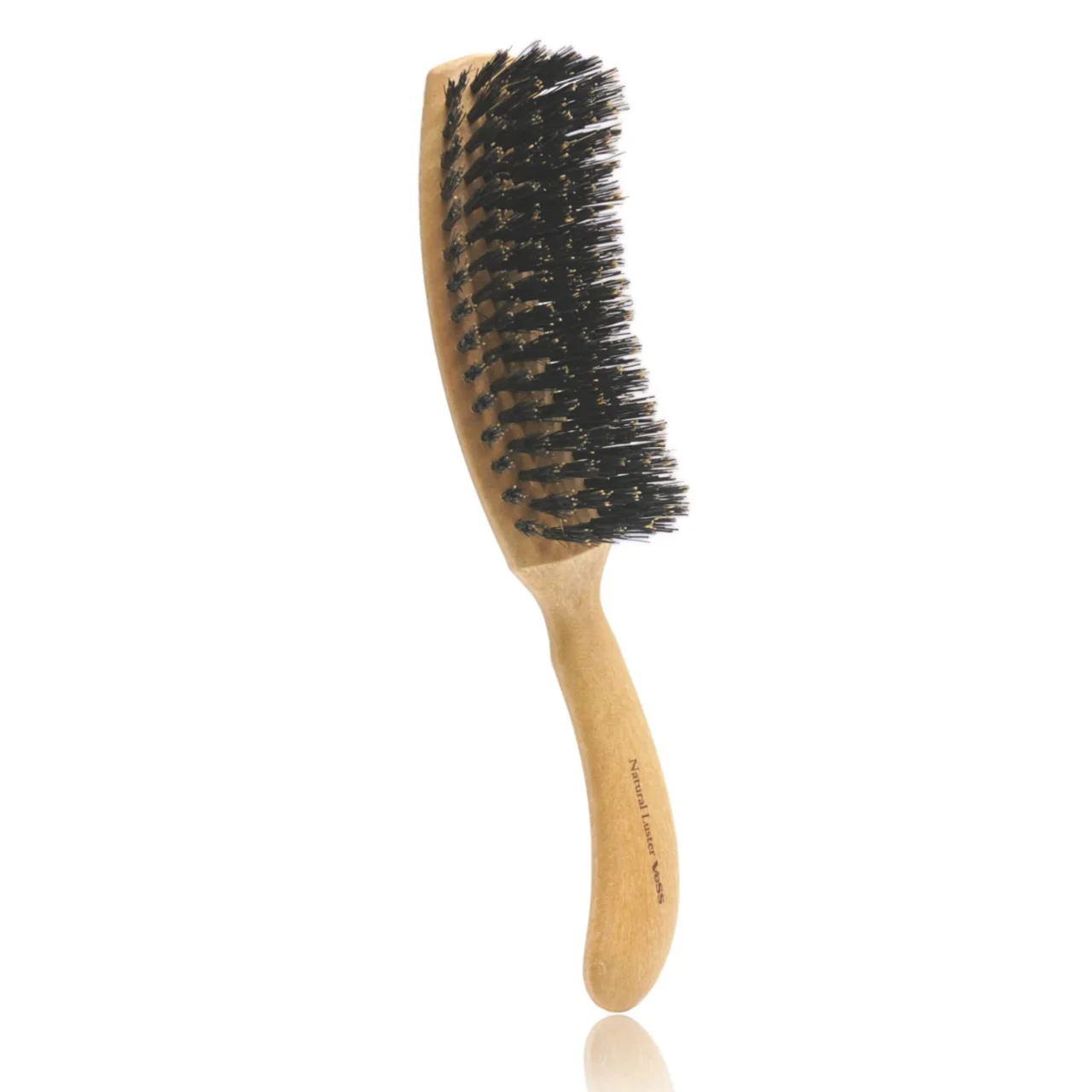
VeSS
Esties Club Boar Brush by Estained
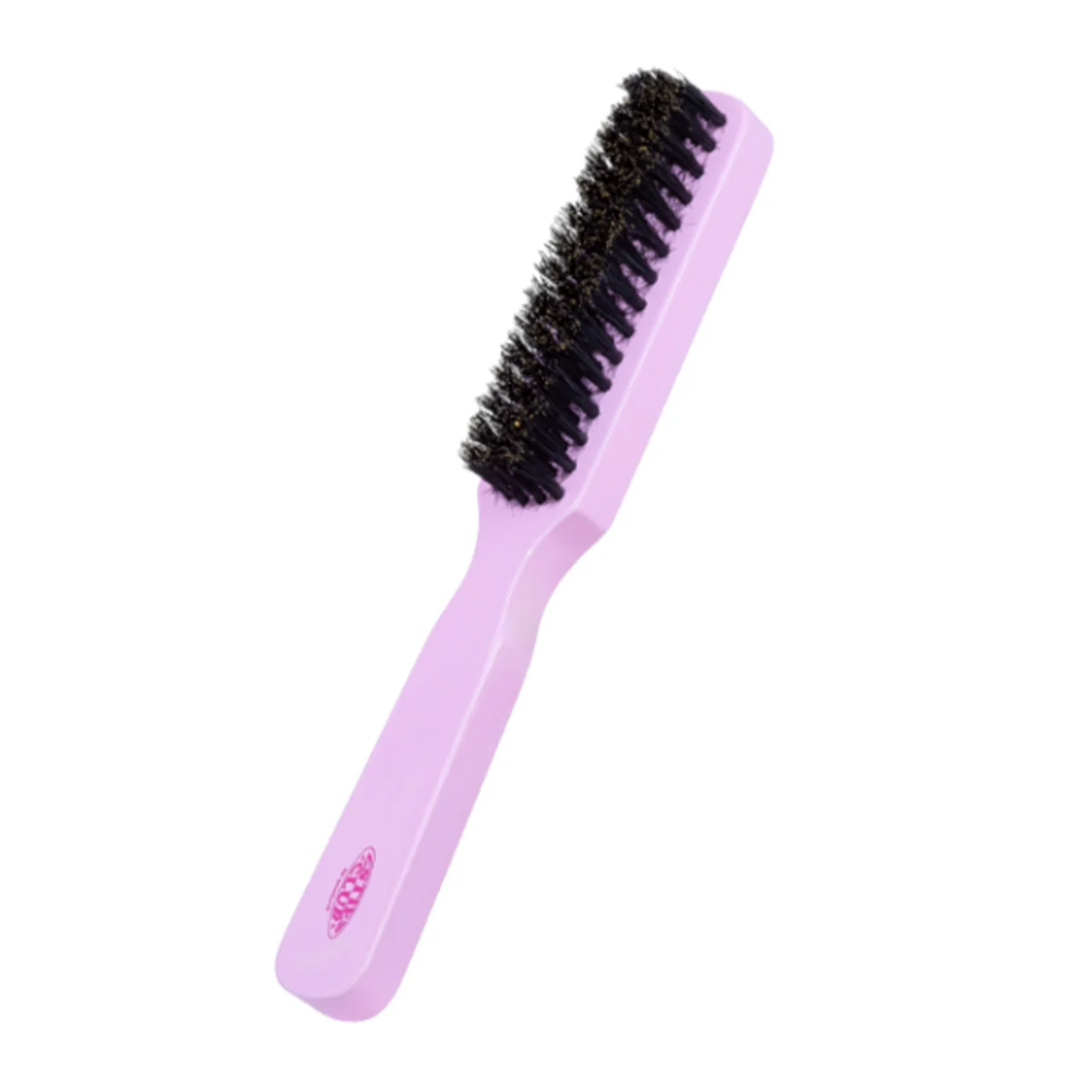
Esties Club
4. Paddle brush
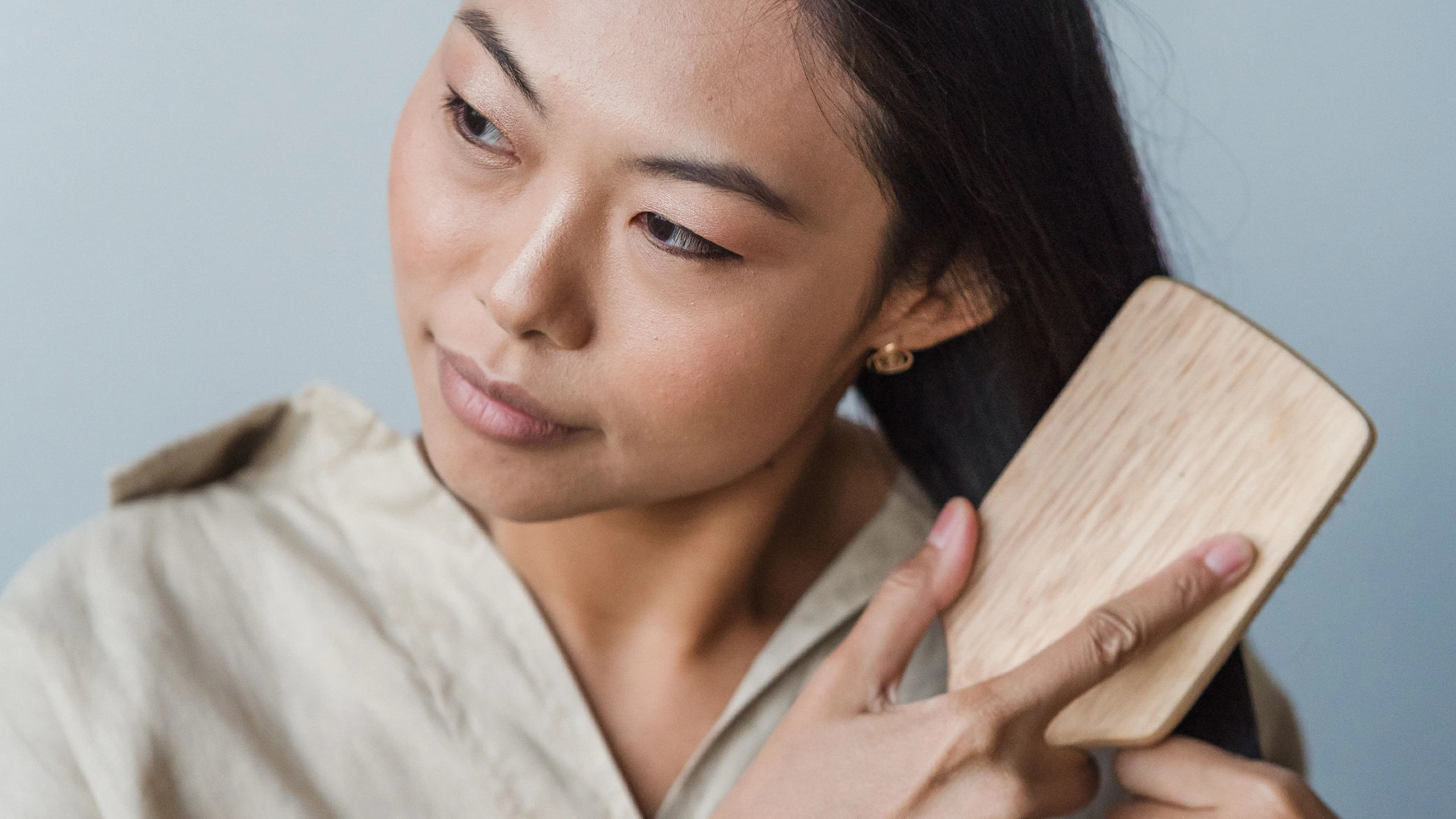
This is a wide, cushioned brush with evenly spaced bristles that covers a lot of hair in just one stroke. It’s used to detangle and smooth out hair every day, and can also be used for a quick blow-dry.
Wet Brush Paddle Detangler
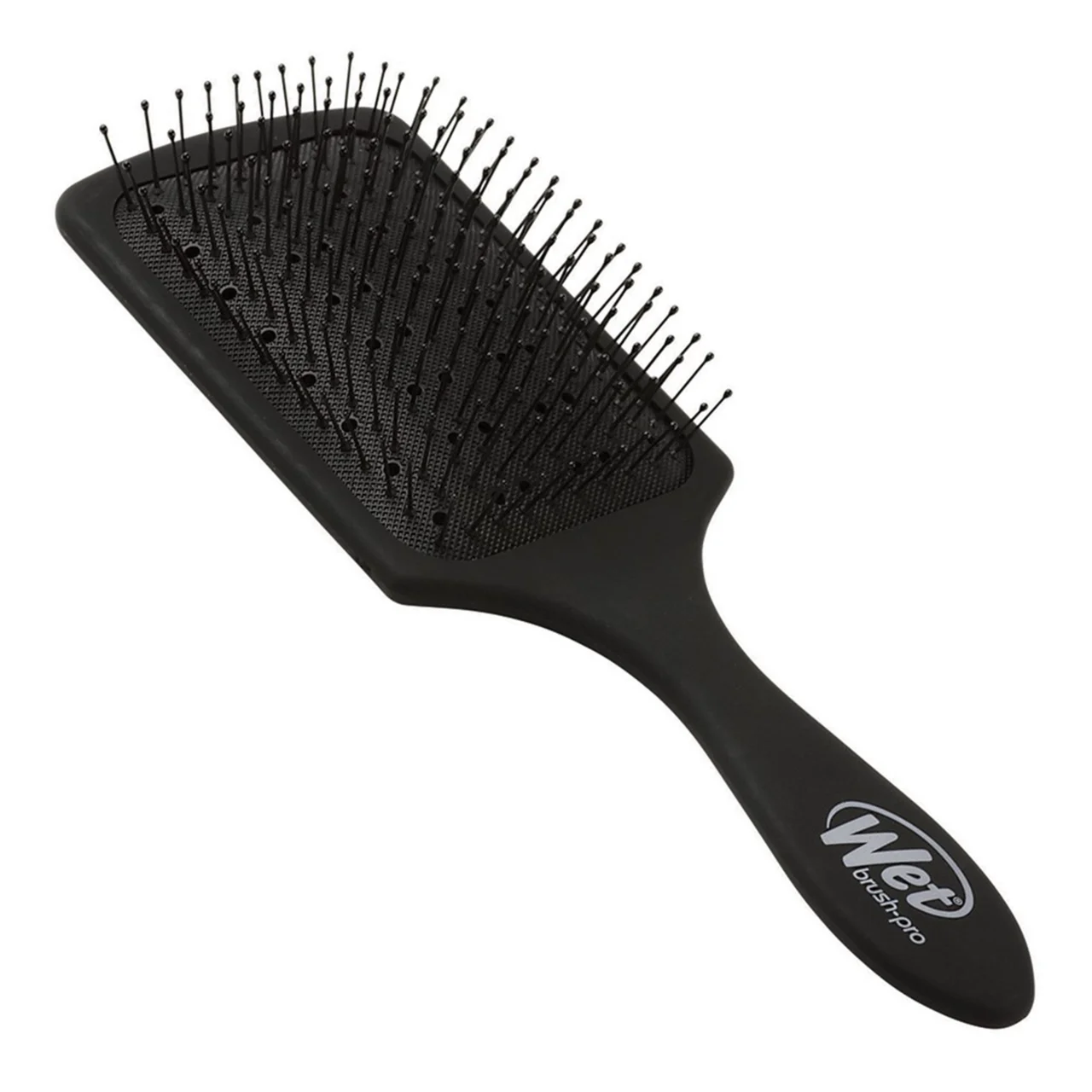
Wet Brush
5. Round hair brush
This cylindrical brush comes in different sizes, and is used with a blow-dryer to add volume, bend ends, and create a soft curl for blowouts. The barrel size matters: smaller ones make tighter curls, while larger ones give a subtle lift and loose waves.
Acca Kappa Wild Boar Nylon High Density Brush
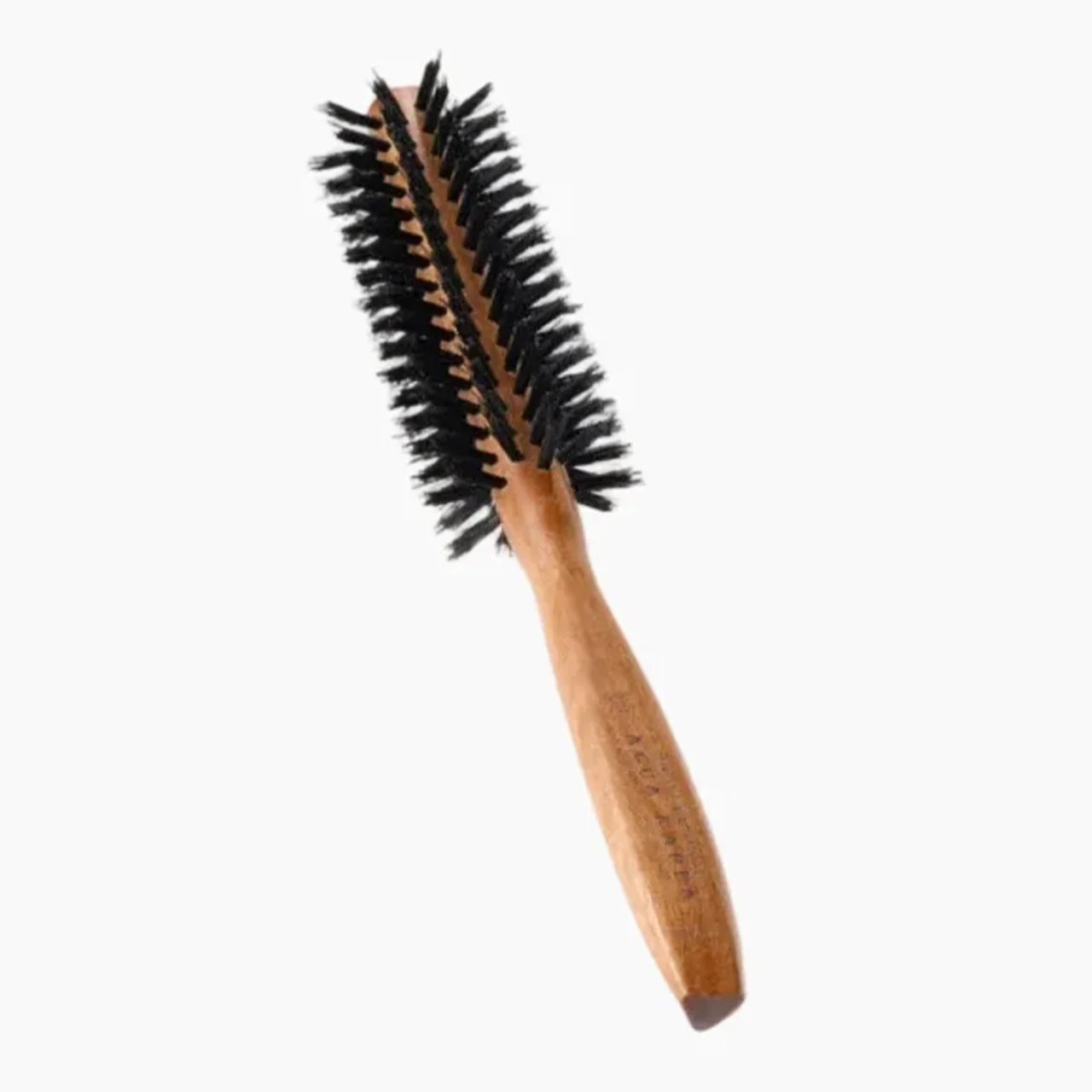
Acca Kappa
6. Rat-tail comb
As the name suggests, this comb has a long, pointed handle with finely spaced teeth. It’s meant to be used for precision work, such as creating clean sections and parting the hair, teasing the roots, and evenly applying hair dye and highlights to the hair.
Basicare Tail Comb
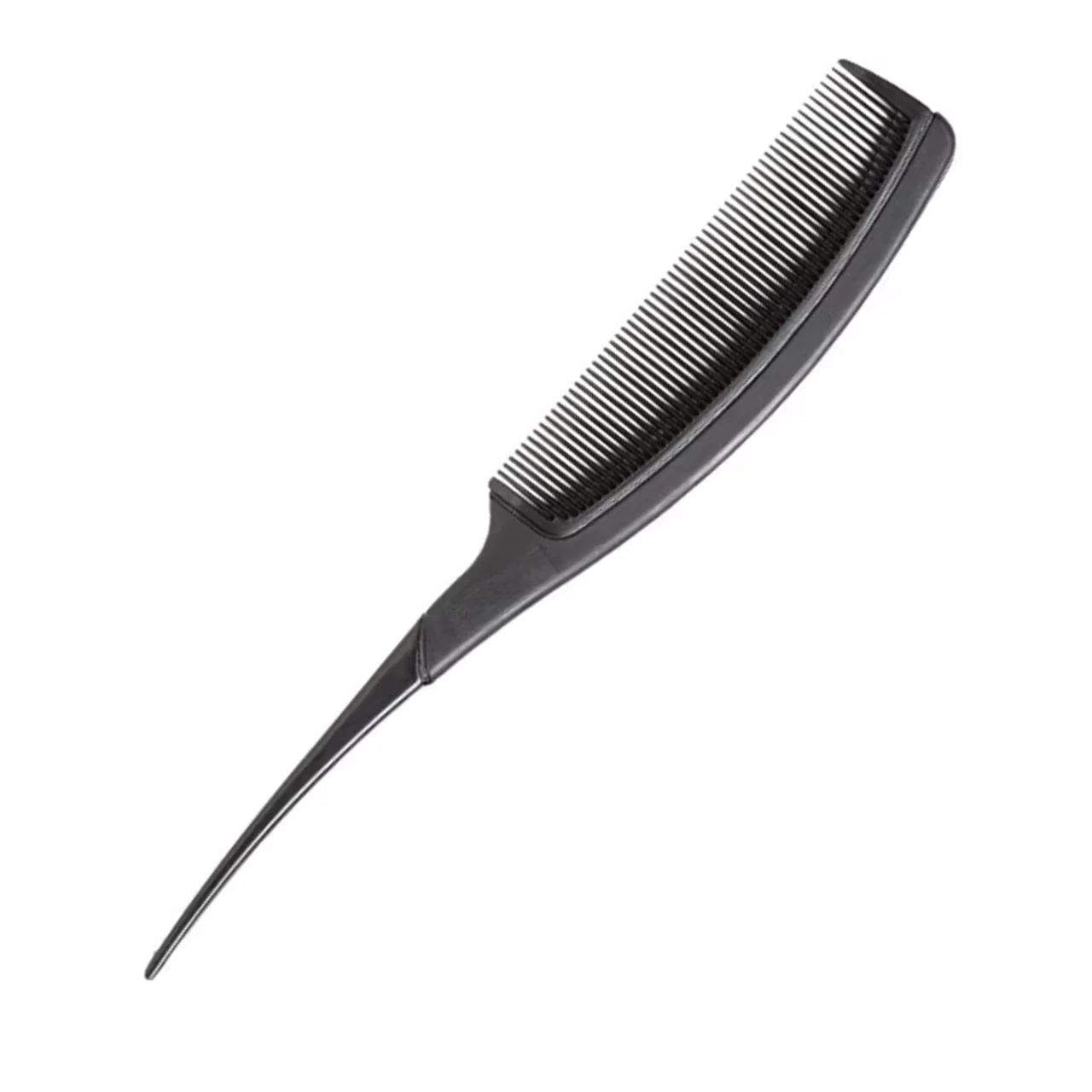
Basicare
7. Vented brush
This brush has a base with openings, which allows air to flow through while blow-drying. It’s best for when you’re in a rush to dry your hair after washing—it’s even handy for styling on the go.
Watsons Aluminum Round Vent Styling Hair Brush
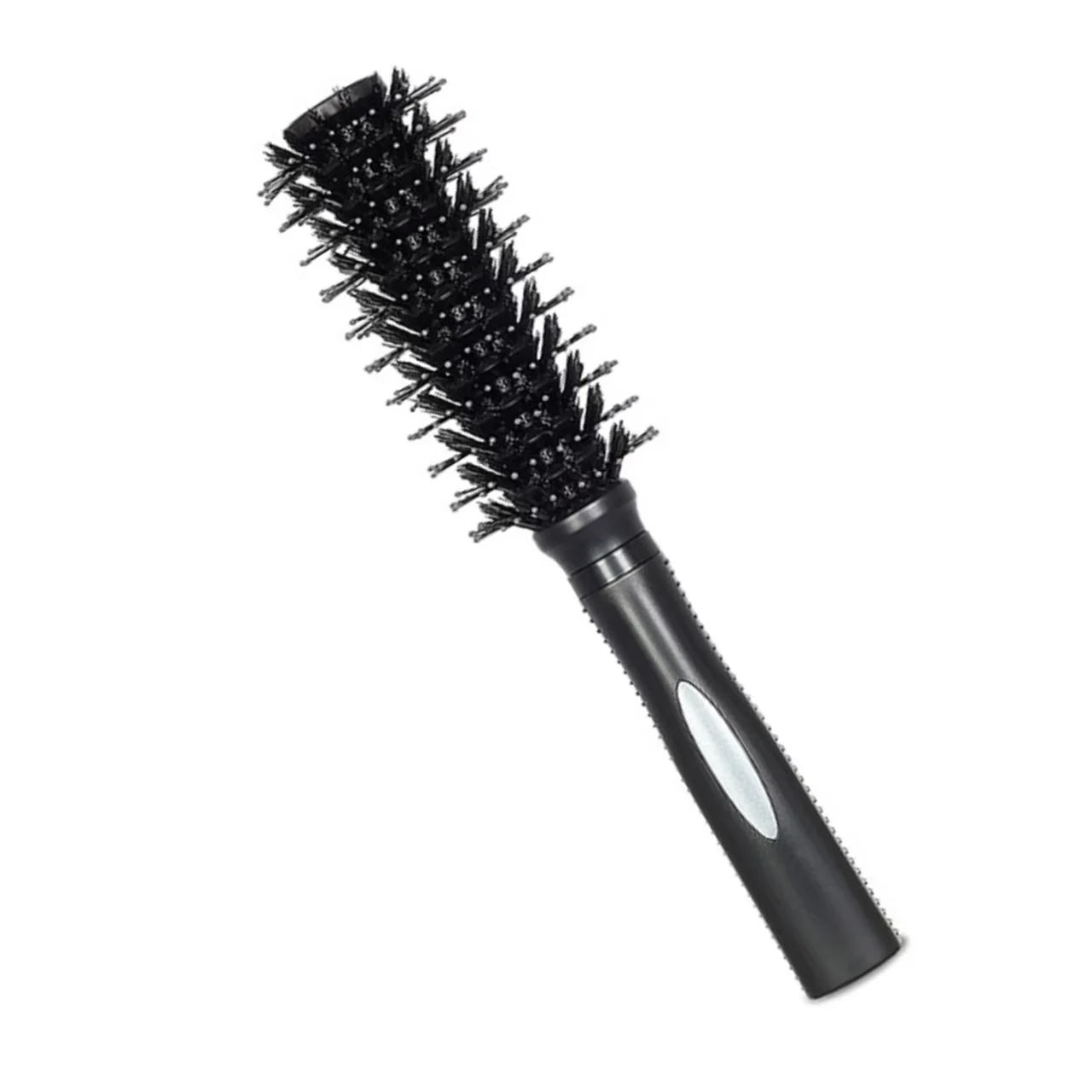
Watsons
8. Loop brush
While not used on real hair per se, this brush is used specifically to detangle hair extensions and wigs. The brush’s bristles are arranged in flexible loops, which slide through hair gently and lightly.
Perfk Wig Brush Loop Hair Extension Accessory Anti-Static Plastic Handle Comb
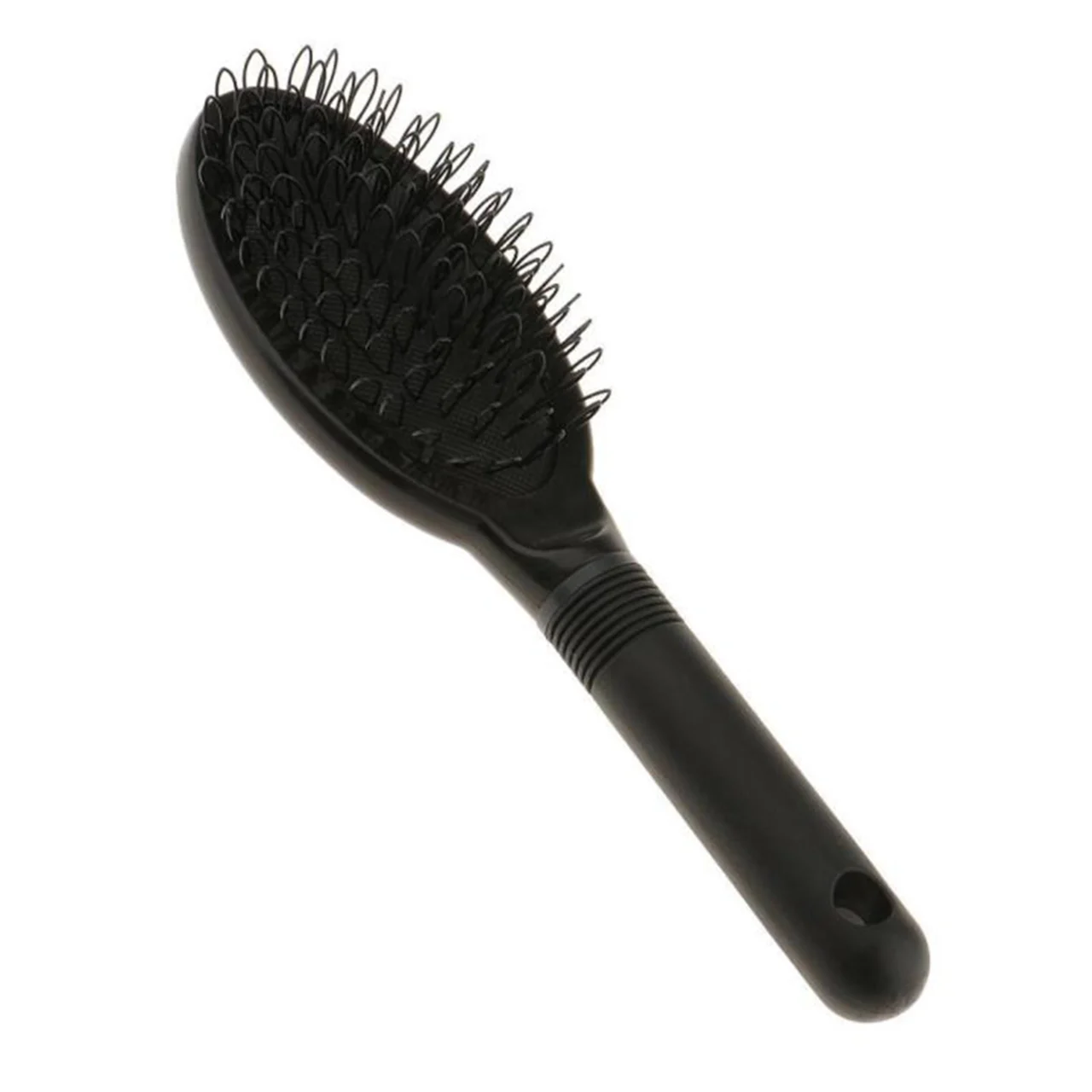
Perfk
9. Edge brush
Similar to a boar-bristle brush, an edge brush is a tool used to smooth baby hairs and flyaways along the hairline. Its short, dense bristles are the best finishing tool for sleek ponytails and slicked-back styles.
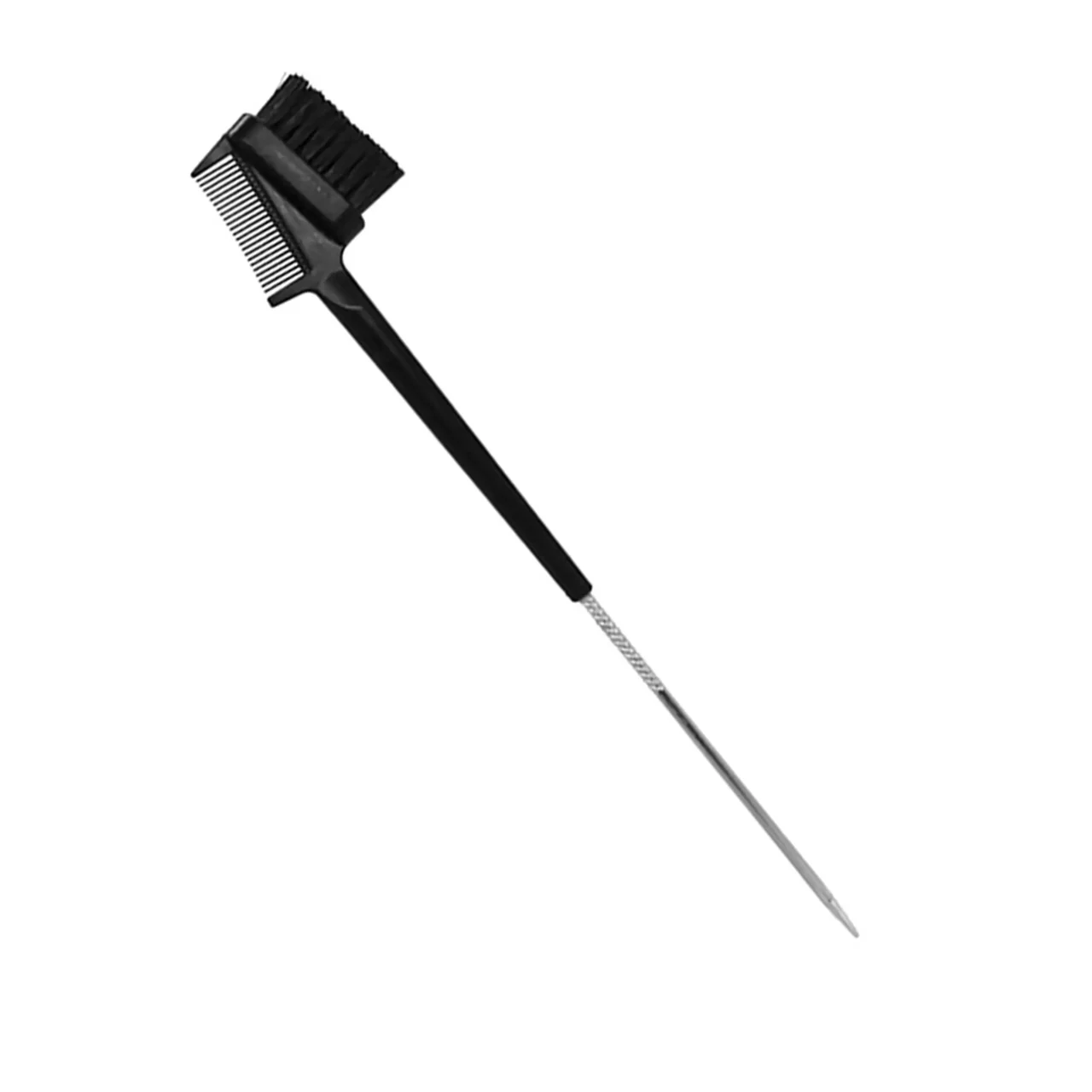
Envato Images
10. Teasing brush
This brush is narrow, with densely packed bristles and a long handle. It’s used to back-comb sections of the hair for added volume at the roots. It’s meant to be used gently so as to not damage the hair. It can also be used to tame the flyaways and baby hair on top of the head.
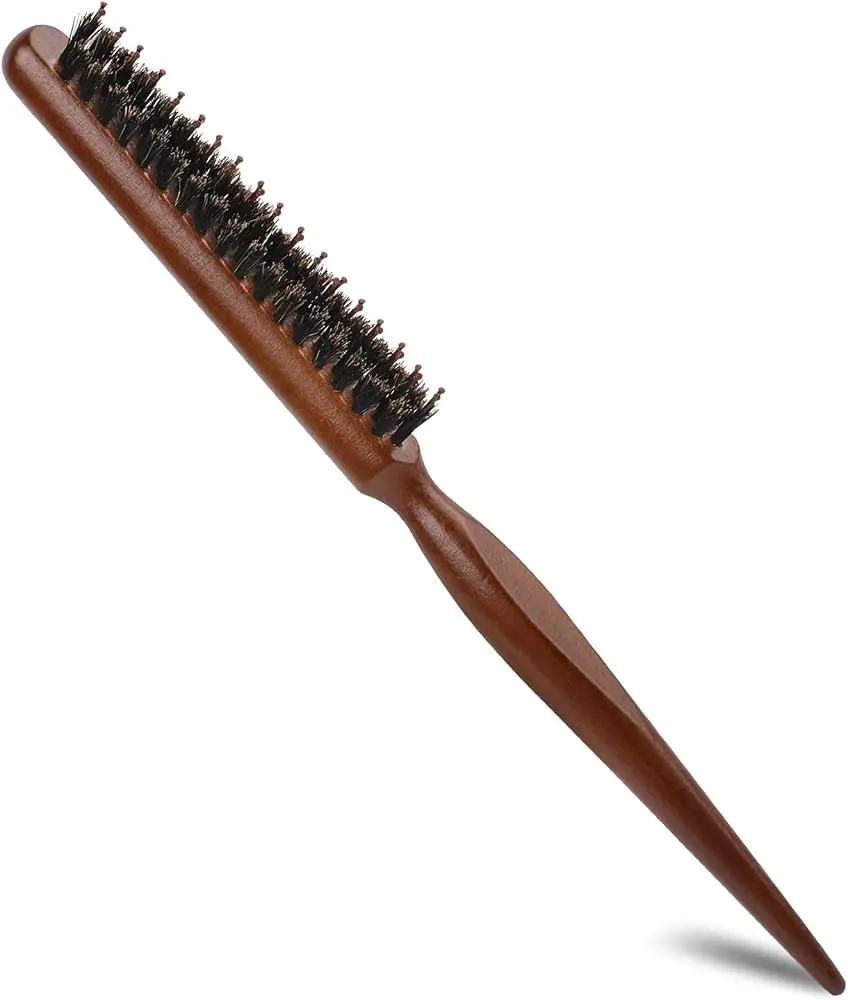
Envato Images
Frequently Asked Questions
Hair brushes have multiple rows of pins or bristles set into a cushioned base, while combs have a single row of teeth. Combs are better for detangling and precise styling, while brushes smooth hair, distribute product, and style larger sections.
A boar-bristle brush uses natural bristles set close together to smooth hair, distribute the scalp’s natural oils through the lengths, tame flyaways, and boost scalp circulation. It works best as a finishing tool rather than for active styling.
Barrel size determines the result: smaller round brushes create tighter curls, while larger ones give a softer lift and loose waves. Round brushes are used with a blow-dryer to add volume and bend the ends of the hair.
A rat-tail comb has a long, pointed handle and finely spaced teeth, built for precision work. It’s used to create clean sections, part hair, tease roots, and evenly apply hair dye or highlights along the strands.
A vented brush has openings in its base that let air flow through while blow-drying, cutting down drying time. It’s especially useful when you’re in a rush or need to style hair on the go.