

If the internet is to be believed, there are two kinds of people out in the world today—the kind that can live with having roughly 3,578 unread messages in their inbox, and the kind that just, absolutely, positively cannot.
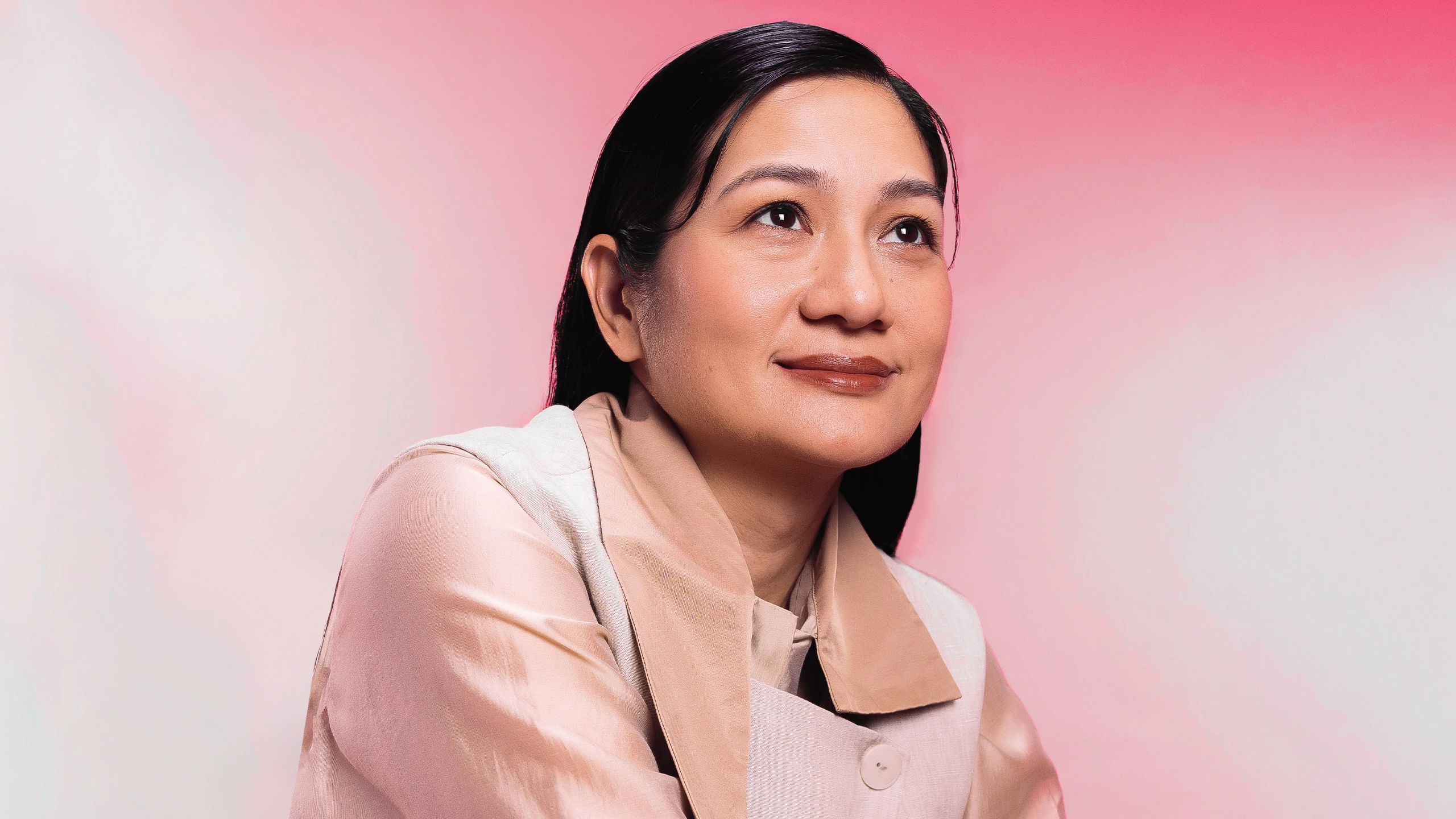
Erika Dy, the first female executive director of Samahang Basketbol ng Pilipinas (SBP), the Philippines’ national federation or sport association for basketball, is firmly in the camp of the latter. “I don’t want unread messages in my inbox,” she says, while explaining how a work day for her usually looks like. “Naiinis talaga ako pag yung inbox may number. Kailangan ko tanggalin yun.”
Dy tries to make sure that she reads all her emails everyday, and that her inbox doesn’t have any looming number of unread messages taunting her. Considering that she receives between 50 to 100 emails per day, it’s quite a feat.
But then again, so is being named the first female executive director of the national basketball federation in a country where there is a community basketball court in even the farthest-flung of islands, and where the love—and at times, obsession—for the sport runs so deep that it’s become a pulsing vein in the lifeblood of the Filipino.
Paving the way for Philippine basketball—and women and girls everywhere
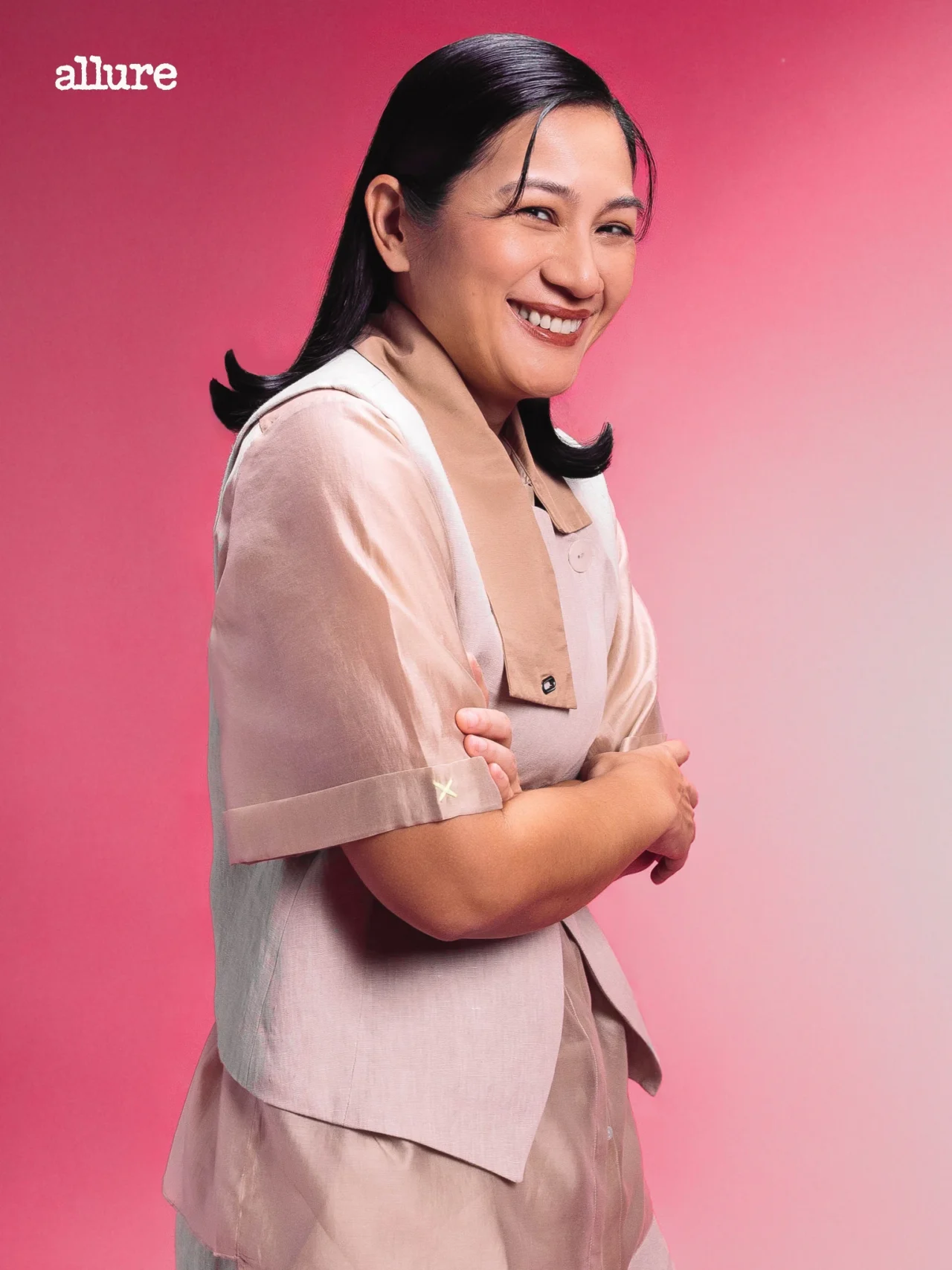
Gail Geriane
“Sometimes, I dream about work,” Dy admits. The former athlete, coach, and lawyer licensed in California in the United States, who has held positions at the Ateneo de Manila University and the University Athletics Association of the Philippines (UAAP) and is also the legal commission chairwoman for FIBA, the International Basketball Federation, took on the job in early 2024.
Three years in, she continues to juggle the many demands of her position—which include managing relationships with a great many people, dealing with other international institutions and federations across time zones, talking to the press, and most notably, being of service to the Filipino basketball fan.
“Our number one constituent might be the Filipino basketball fan,” she shares, adding, “and if 90 percent of the country are basketball fans, then [the] constituents are the whole country.” In defining the work that they do, Dy likes to use the term “civic asset,” explaining, “Even if we’re [a] private [entity], our responsibility is to the public.”
But Dy holds an additional responsibility that none of her predecessors did—a responsibility to women and girls everywhere looking to create a world where possibilities are endless and where they can advance all the way to the top, the responsibility “of creating a pathway for people who want to follow your footsteps, especially if you’re a minority, which I am, being a woman, because it’s a male-dominated field,” she acknowledges. “A lot of young girls would never even dream about working in basketball,” she goes on to expound, “because of what they are fed, or what they see, that only men work in basketball. But that’s not true, obviously. And so, if they see that a female individual is actually working in the scene and holding a high position in basketball—just that idea of showing them that this is possible is a big deal.”
A woman in prime position
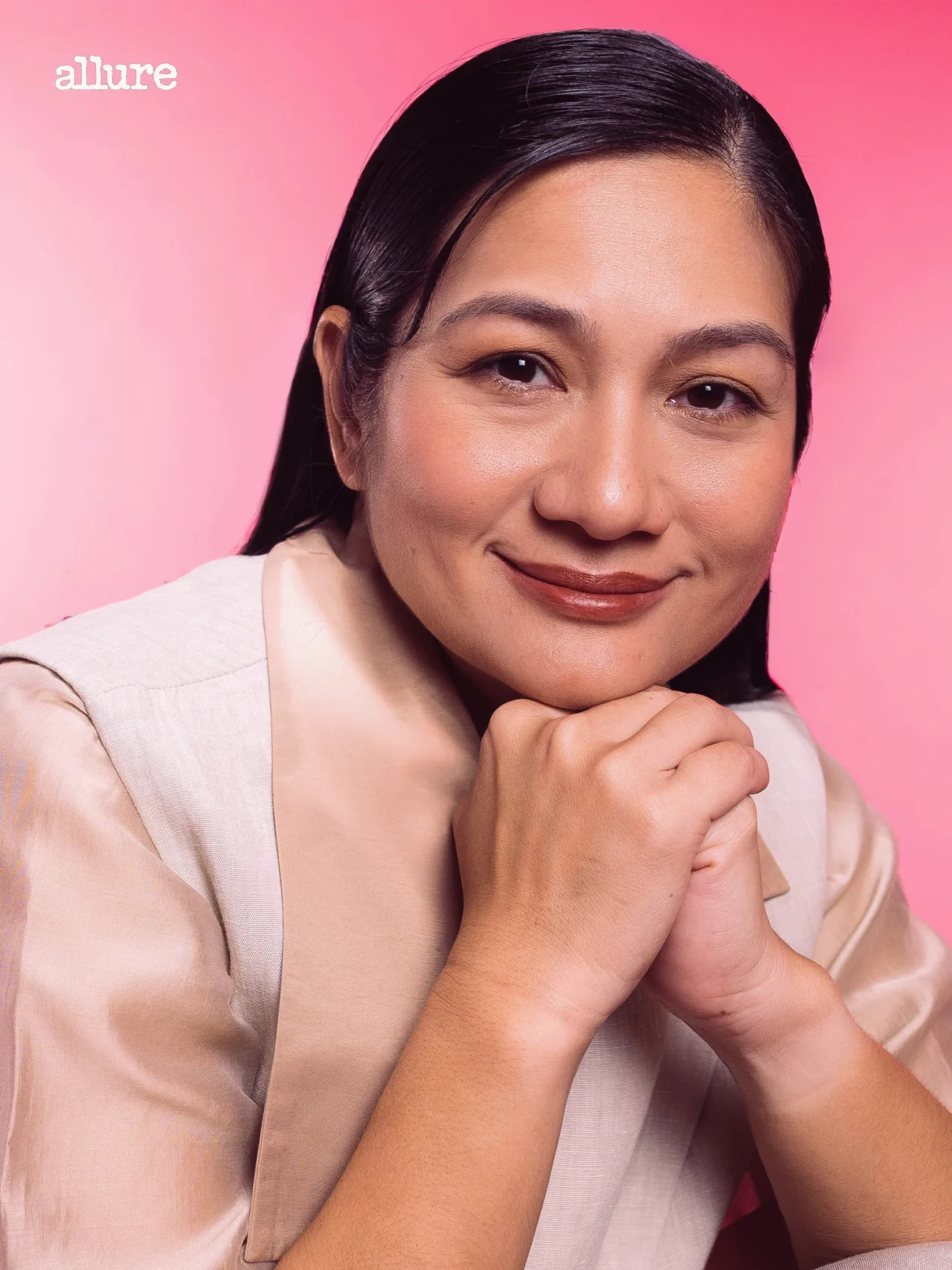
Gail Geriane
While the Philippines may be a nation where the majority play or follow basketball, within the inner workings of the sport, women still figure in the minority. “In sports, it’s still very male-dominated, regardless of the sport,” Dy says, referring to the leadership on a national level. “[I’m] talking about executives. We have what we call the Philippine Olympic Committee General Assembly, once a month. And, whenever I go there, parang mga round table yan, marami, diba? Siguro, per roundtable, one or two lang yung females.”
“You know,” she continues, almost wryly, “the IOC actually has mandated that a certain percentage of your leadership, the NOC, the National Olympic Committee, should be female.”
It doesn’t take an insider to deduce that the world of national sports leadership is high-stakes, high-powered, and high-charged, operating on a fine line that straddles both private interests and, as Dy mentioned earlier, civic responsibility. It’s a world that blends several realities—corporate, state, and in the Philippines, a massive emotional attachment to the game. In an environment already laden with ego and testosterone, you have to wonder how Dy maneuvers, especially as one of the few women in an otherwise rather old-school structure.
“For me, I don’t, or at least I try not to, see myself as, ‘Ay, kawawa naman ako kasi babae ako tapos lahat ng kasama ko lalaki.’ It’s more of the reverse,” Dy shares. “Like, ‘O, lalaki kayo lahat. Ako lang yung babae. So, hindi niyo alam ito, ito, ito,’” she says, explaining that women naturally bring different things to the table, and she sees that as her advantage. “You see it as an opportunity to offer to them something that they cannot offer. That’s how I deal with it.”
And in handling the aforementioned egos that, whether admitted or not, inevitably rear their heads sometimes, Dy talks about not taking the bait in any situation, and meeting tempers head-on. Instead, she opts to keep her cool, sharing, “You don’t always have to be better on paper than the person you’re talking to, because you can be better than that person in many other ways.”
Playing on the same team
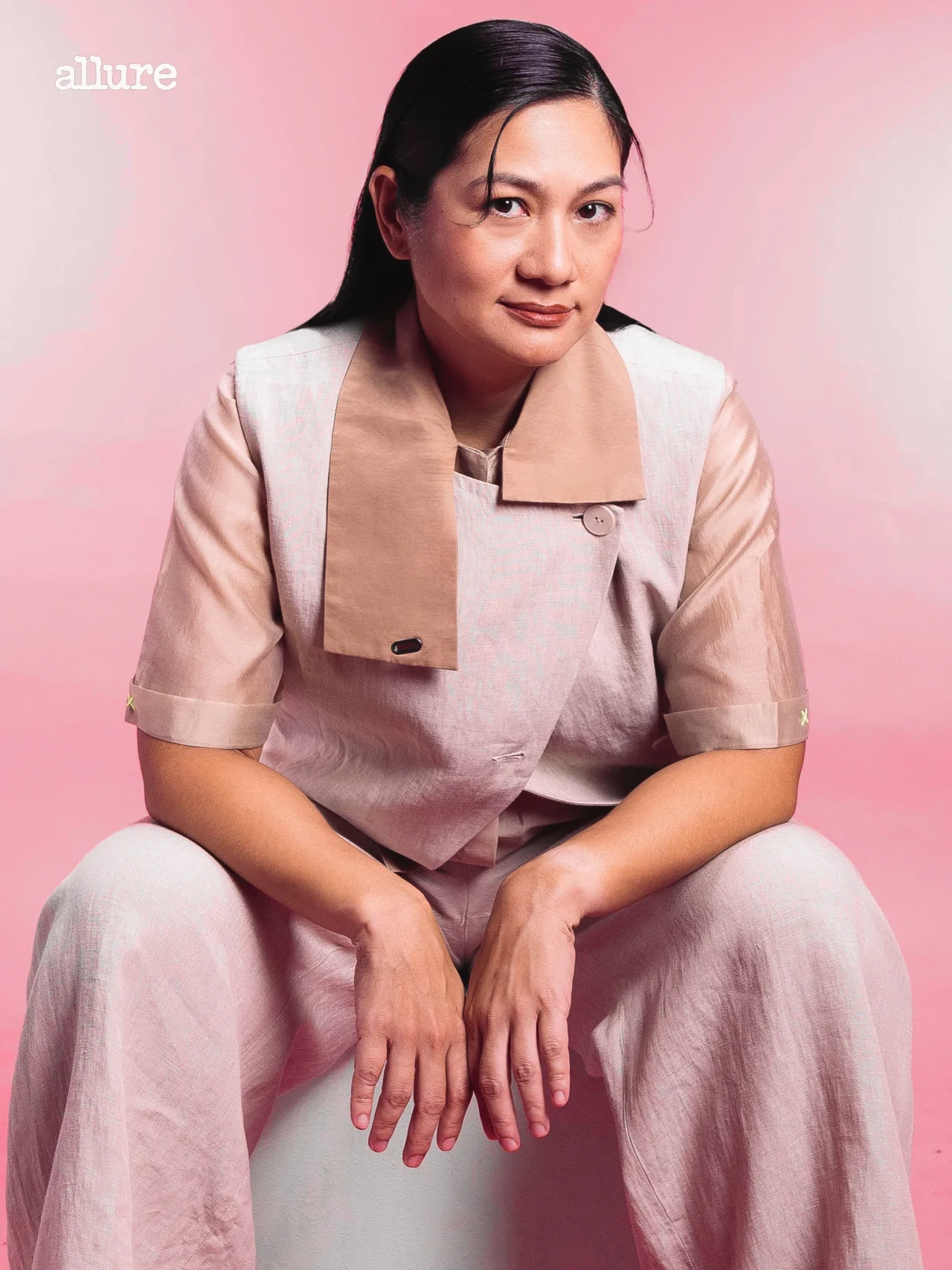
Gail Geriane
It’s important to point out, however, that Dy is not forever on defense in her role, that she does not charge into those testosterone-powered egos constantly for nothing and relish it—some cartoon version of girl power that may buoy spirits, but in real situations, does little to solve actual problems and ease tensions.
What Dy underscores, for progress to take place both in her line of work, and in the reality of women and humanity in general, is the need for cooperation, the need for women to find allies in men—teammates, really, if you will. As someone who comes from the perspective of an athlete, deeply cognizant of the inherent differences in men and women—physical or otherwise—Dy understands the value in honoring these differences, and instead of butting heads, working together.
The SBP, and most of other organizations and bodies that it deals with, is made up of a medley of powerful men—many of which Dy has to deal with on a regular basis—but who are also those who opened the doors for her to assume her role as executive director. This showed her in concrete terms how society can—and should—make space for women. “We need to open more doors [for women],” she says, “and right now, those who are in a position to open those doors are men. And they should [open more doors], because if they’re real gentlemen, then they should open the door for females.”
Ball in her court
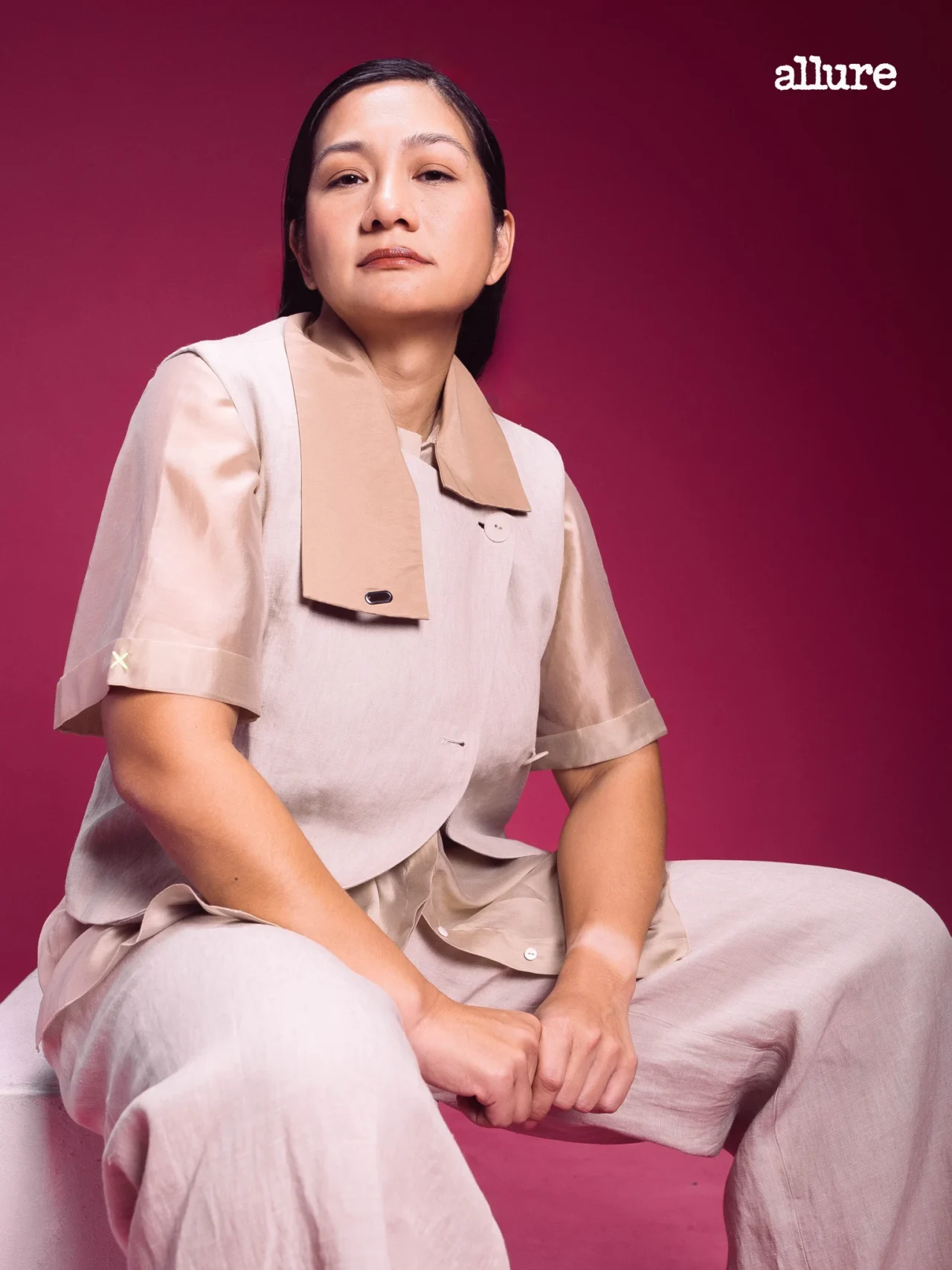
Gail Geriane
Those doors, albeit slowly, are opening, as Dy has had the good fortune to observe.
“In the Gilas women’s team alone,” she says, referring to the national women’s team, “a lot of them already are looking into a career, after playing basketball, in basketball. That’s a start, [that] they know now that there’s an opportunity there and that they would like to take the same pathway. [In fact], they ask me a lot of questions: ‘Do I have to do this? Do I go back to school for it, et cetera.’”
The interest is there, Dy says, but what’s more interesting to her is the fact she seems to have made an impact on, not just females looking to work behind the scenes and in leadership positions in sports, but on little boys who have expressed that, one day, they would like emulate her. “I’ve had parents come up to me, who are my friends, my peers, with their young sons in grade school, [who say] ‘I want to be like Tita Erika when I grow up.’ ‘Yun yung mas interesting kasi even the young boys are looking up to you now.” Dy chuckles a little, completely aware that somehow, she has flipped the script, turned the tables, and, somehow, broken a full court press.
Photography by Gail Geriane, assisted by Jotham Meregildo. Makeup and hair by Aica Latay, assisted by RJ Coste. Styling by Jia Torrato and Nina Cuyana of Qurator. Art direction by Nicole Almero, assisted by Mikiyo Ricamora. Beauty direction by Mikiyo Ricamora.
On Erika: YoYa inner top. Massimo Dutti vest and pants.
Frequently Asked Questions
Erika Dy is the first female executive director of Samahang Basketbol ng Pilipinas (SBP), the Philippines’ national basketball federation. A former athlete, coach, and California-licensed lawyer, she also serves as legal commission chairwoman for FIBA and has previously held positions at Ateneo de Manila University and the UAAP. She assumed the SBP role in early 2024.
Dy is the first woman to serve as executive director of SBP in a country where basketball is the dominant national sport. Her appointment represents a landmark shift in Philippine sports governance — a field where women remain a visible minority at the executive level, even across the broader Philippine Olympic Committee general assembly.
Rather than viewing her gender as a disadvantage, Dy frames it as a strategic differentiator — offering perspectives and approaches that her male counterparts cannot. She prioritizes composure over confrontation, avoids taking the bait in high-ego situations, and focuses on cooperation and building alliances with male colleagues to advance shared goals.
Dy actively mentors women in and around basketball, including members of the Gilas women’s national team who have expressed interest in post-playing careers in sports administration. She uses her visibility to signal that leadership roles in basketball are open to women — and credits the men who have opened institutional doors as essential to that progress.
Despite SBP being a private entity, Dy frames its responsibility as fundamentally public — serving the Filipino basketball fan, whom she describes as effectively the entire country given the sport’s near-universal following. The “civic asset” framing reflects her view that sports governance carries a social obligation that extends beyond institutional interests.