


It has always been a mystery to me why makeup on my favorite stars, models on screen looks so effortlessly polished—as if their foundation was simply meant to sit on the skin that way or their blush just gives the right rosy glow. And why is it when I try to recreate the same looks myself, even with the exact same products and brushes, the camera-ready look still feels just out of reach? Is the elusive, precise finish only really achievable only in the hands of a professional makeup artist?
It turns out, it’s rarely about what products I had, but the techniques I used. Makeup artist Xeng Zulueta, who has over two decades of experience across editorial, runway, and commercial work, breaks down the small but much-needed choices that separate everyday makeup from professional glam, and how subtle adjustments in placement, or blending can completely transform the way we approach our relationship with makeup.
Use less foundation
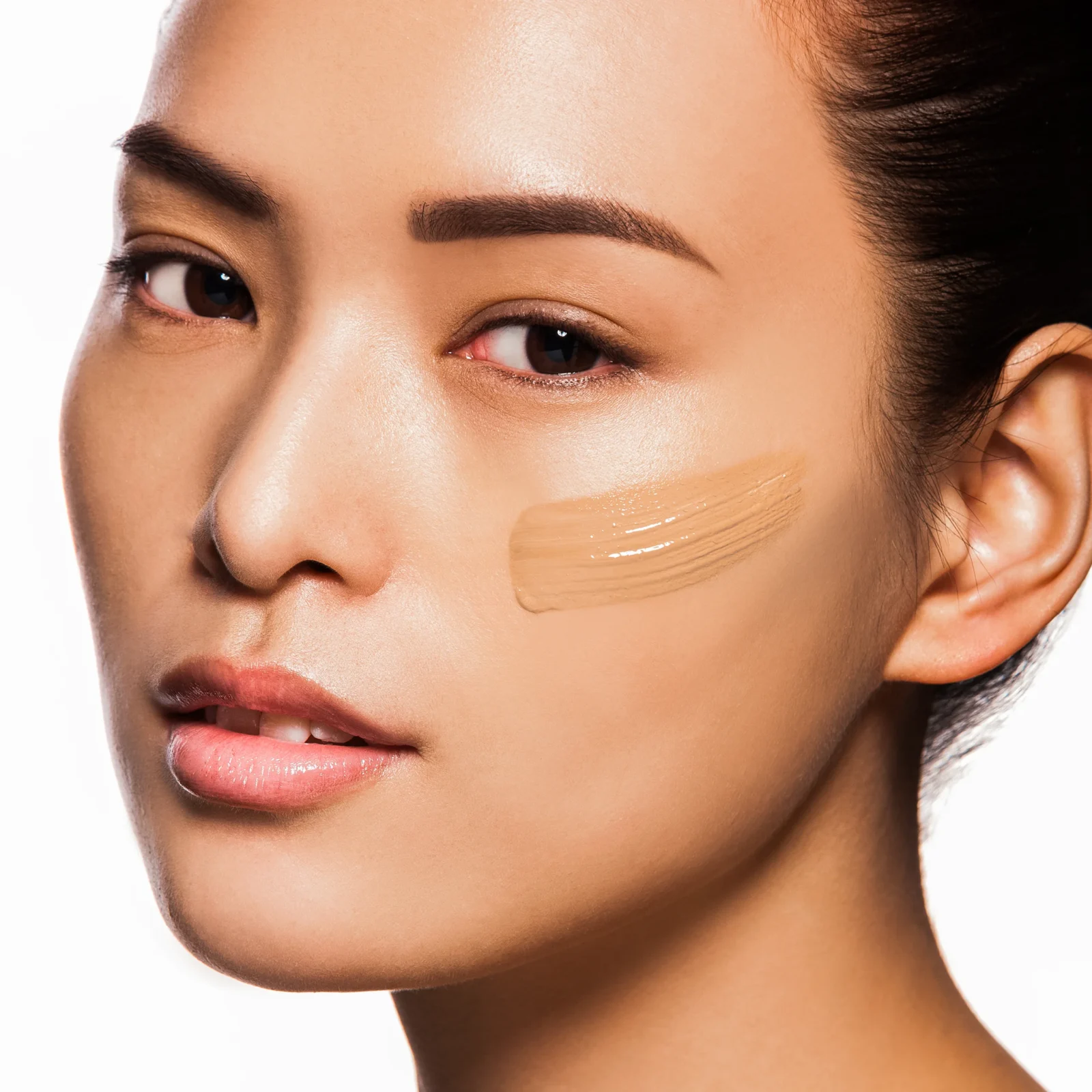
Go easy on the foundation first. The biggest mistake, Zulueta says, is applying too much. The goal, she emphasizes, is for the skin to still peek through. Foundation should mimic the skin and enhance its natural tone.
However, she often sees the opposite when people do their makeup. In an attempt to achieve a flawless finish, people try to remove every pore and freckle, essentially erasing the skin by covering it with makeup. When foundation is too heavy, it starts to erase the natural dimension and texture of the face.
For Zulueta, it’s important to let the skin show through. “On the contrary, skin moves, it breathes, and it also sweats, and it also produces its own oil,” she says. Rather than masking it completely, she advises working with the skin’s natural behavior for a finish that looks more seamless.
Use just enough concealer
Then there’s concealer—another product people tend to overwork. A lot of people think that adding more concealer will make the under-eyes look brighter and more refreshed. But on the contrary, when concealer is overapplied, it can end up emphasizing texture and fine lines.
She also notes that concealer is frequently applied too close to the eyes. While it may seem like this improves coverage, she recommends placing it slightly lower instead. “But if you put the concealer very high up, near to your eye, na-erase niya yung shape ng mata mo” she says.
“I have a mantra,” she says. “Less is more.” For Zulueta, restraint is what creates a more seamless finish. Applying less product, she notes, allows the skin to look more natural and prevents buildup in areas that are meant to stay light and flexible.
Avoid powdering too much
Powder is a makeup staple, especially for Filipinas who try to combat oiliness in our climate—and this is where a lot of people tend to overdo it too. It works by absorbing oil and mattifying the face, but she cautions against going overboard, as it can also make the skin look dry and textured.

Christian Morales
Place blush, bronzer, and contour properly
Placement, Zulueta says, can completely change the way makeup frames the face. One of the most common mistakes she observes is placing blush, bronzer, and contourContourA makeup technique that uses a shade slightly deeper than your skin tone to add shadow and structure to the cheekbones, nose, and jawline. Blend carefully and choose an undertoneGo to Contour Glossary too low on the face, which has a tendency to drag the face down instead of lifting it.
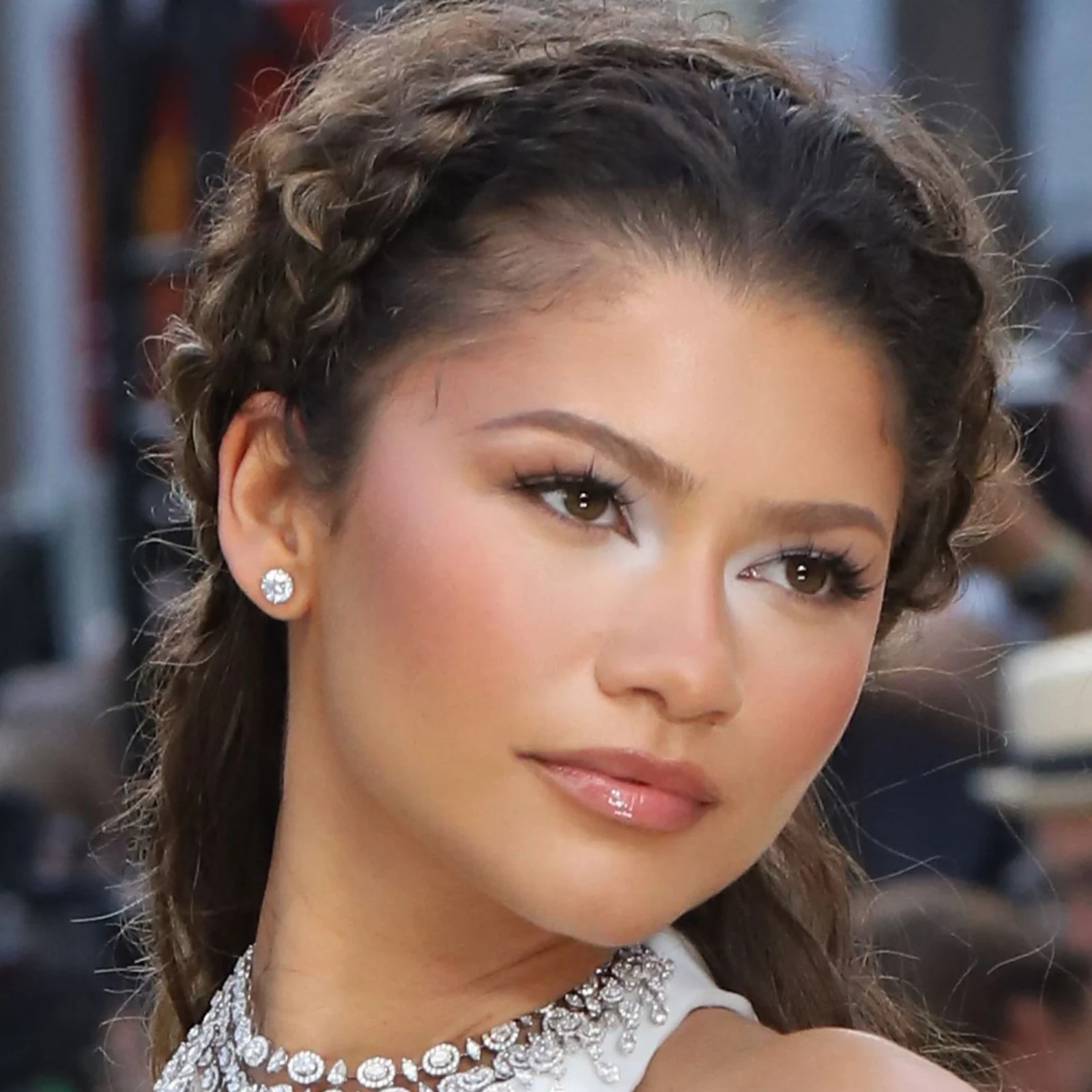
Blush, she adds, “shouldn’t be lower than your natural cheek.” When placed higher and blended toward the temples, it creates an instant lifting effect. Even subtle placement near the nose and under-eye area, when blended properly, can enhance this effect.
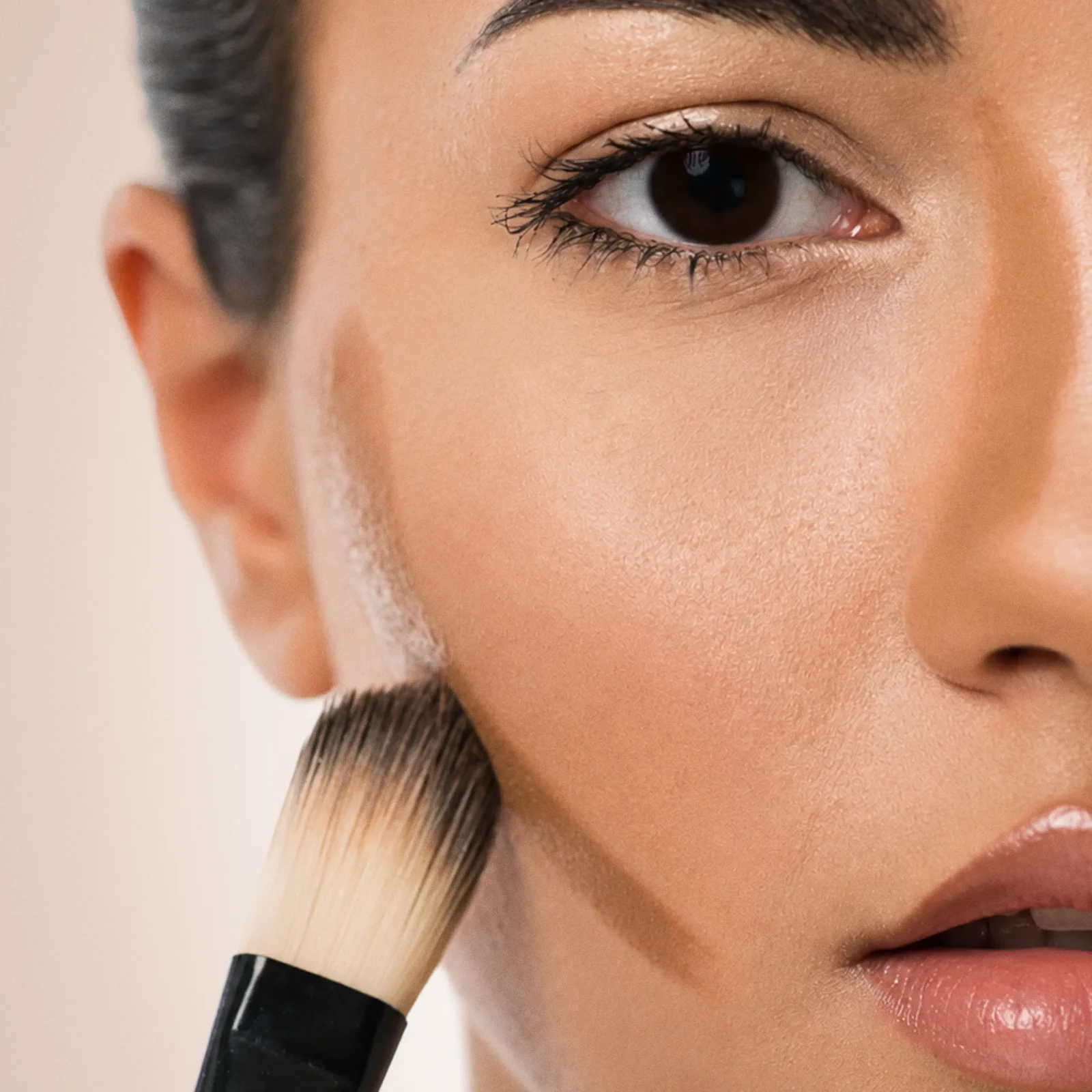
She also advised that contour should sculpt the face’s natural structure. “So, the correct placement is something a little bit higher than where your natural cheeks and cheekbones lie,” she says.
For bronzer specifically, Zulueta returns to a simple guiding image: sun exposure. “So, the correct placement of bronzer is where naturally the sun hits your face.” Applied this way, bronzer mimics a natural sun-kissed warmth rather than looking harsh and muddy.
Don’t go heavy-handed on the highlighter
For highlighter, “I would proceed with caution,” she says. When applied too heavily, it can draw attention to texture and emphasize fine lines. She suggests keeping application minimal and intentional—limited to the high points such as the bridge of the nose, the top of the nose, beneath the brow arch, and the upper cheekbone when smiling. “Nothing more than that.”
Take your time blending your makeup
And then comes the step that ties everything together: blending. Blending, for Zulueta, is what ultimately separates an everyday makeup look from something that feels professionally done.
She says, “Blend the edges.” Professional makeup artists don’t simply blend the product itself—they blend everything until there are no hard lines left. For her, it’s a process that extends beyond the cheeks: foundation should seamlessly melt into the jawline, flow into the neck, and be diffused into the hairline. “We blend everything,” she repeats.
This attention to detail, she says, is what creates a truly polished finish. “So, if you blend the edges, this instantly makes you look like you had your makeup professionally done.”
Makeup wasn’t designed to hide you
Finally, she pushes back against one of the most persistent beauty ‘rules’ people still follow: the idea that makeup was designed to completely blur the skin. She says makeup doesn’t need to erase texture or disguise what’s already there. “Great makeup enhances the skin and doesn’t hide it.”
For her, the goal is never concealment, but enhancement. The most successful makeup, she adds, is the kind that reads softly from a distance—not as makeup itself, but as good skin. Because, as she reminds us, achieving that professional-level finish comes down to one key principle: makeup is most effective when it works with the skin, not against it.
Frequently Asked Questions
According to makeup artist Xeng Zulueta, professional-looking makeup comes down to restraint and technique rather than products. Key principles include applying less foundation so skin shows through, placing blush and contour higher on the face to lift rather than drag, and blending all edges — including foundation into the jawline, neck, and hairline — until no hard lines remain.
Blush should not sit lower than the natural cheekbone. Makeup artist Xeng Zulueta recommends placing it higher and blending toward the temples to create a lifting effect. Subtle application near the nose and under-eye area, when blended properly, enhances this further — a placement principle that applies regardless of face shape or skin tone.
Bronzer should be placed where the sun naturally hits the face — the forehead, nose bridge, cheekbones, and chin. Makeup artist Xeng Zulueta uses this as a guiding principle to ensure bronzer reads as a natural sun-kissed warmth rather than appearing harsh or muddy. Correct placement tied to natural sun exposure is the most reliable technique for avoiding an overdone finish.
Concealer should be placed slightly lower than most people instinctively apply it — not close to the lower lash line. Placing it too high near the eye can erase the natural shape of the eye, according to Xeng Zulueta. She also cautions against overapplying: excess concealer emphasizes fine lines and texture rather than smoothing them.
Blending is what distinguishes a polished, professional finish from an everyday look. Makeup artist Xeng Zulueta’s method goes beyond blending individual products — it involves diffusing all edges so foundation melts seamlessly into the jawline, neck, and hairline, leaving no visible transitions. She describes this as the single most effective technique for achieving a result that reads as good skin rather than visible makeup.