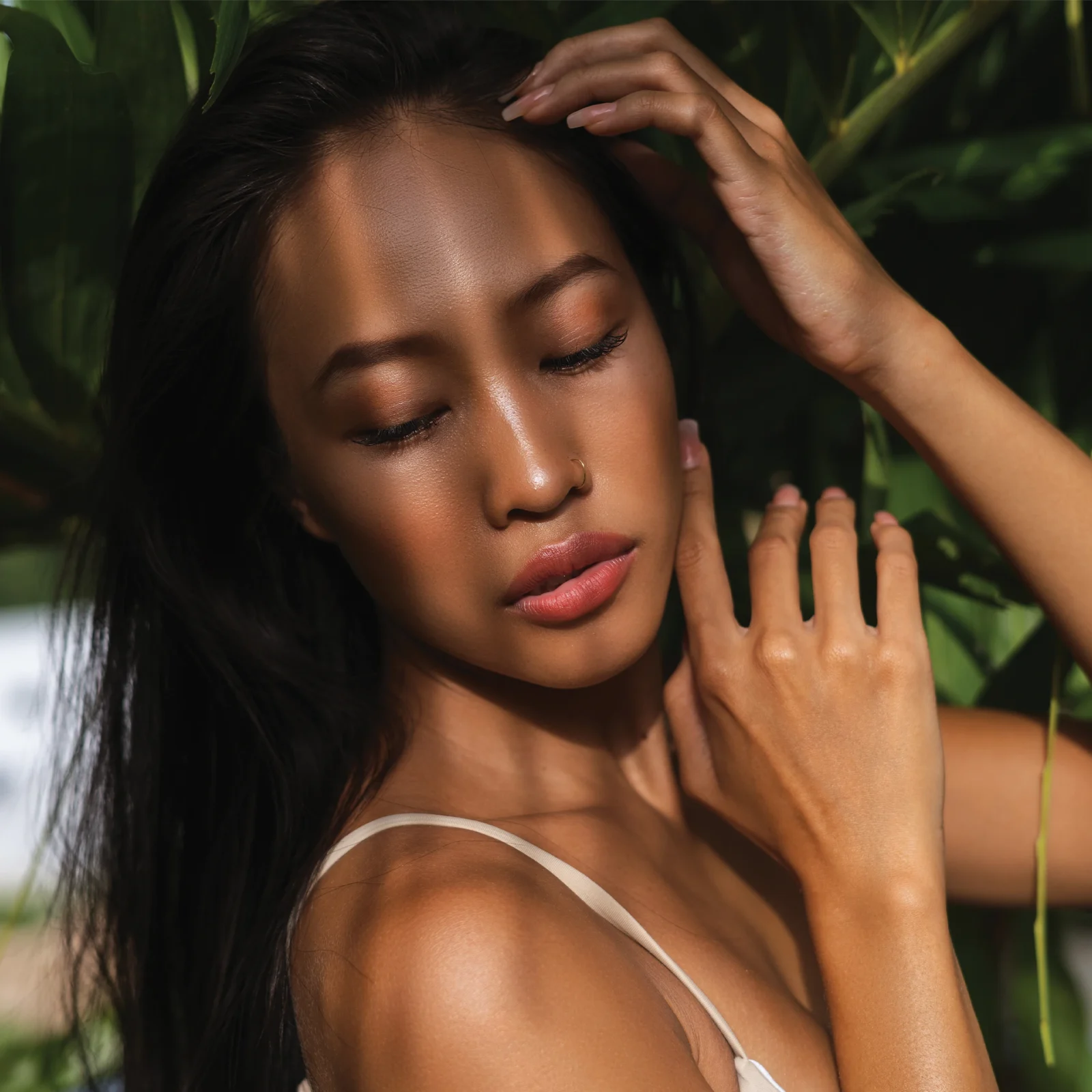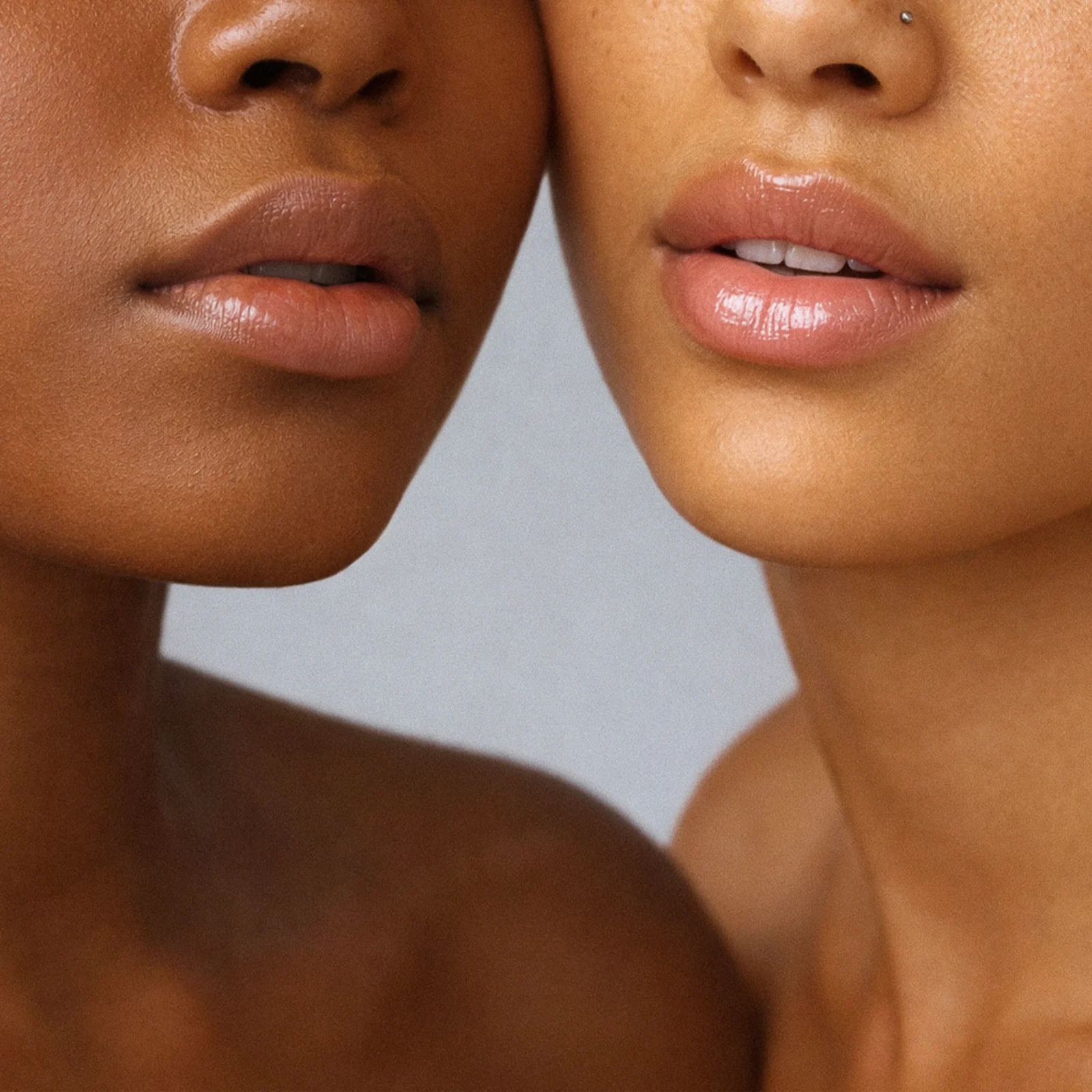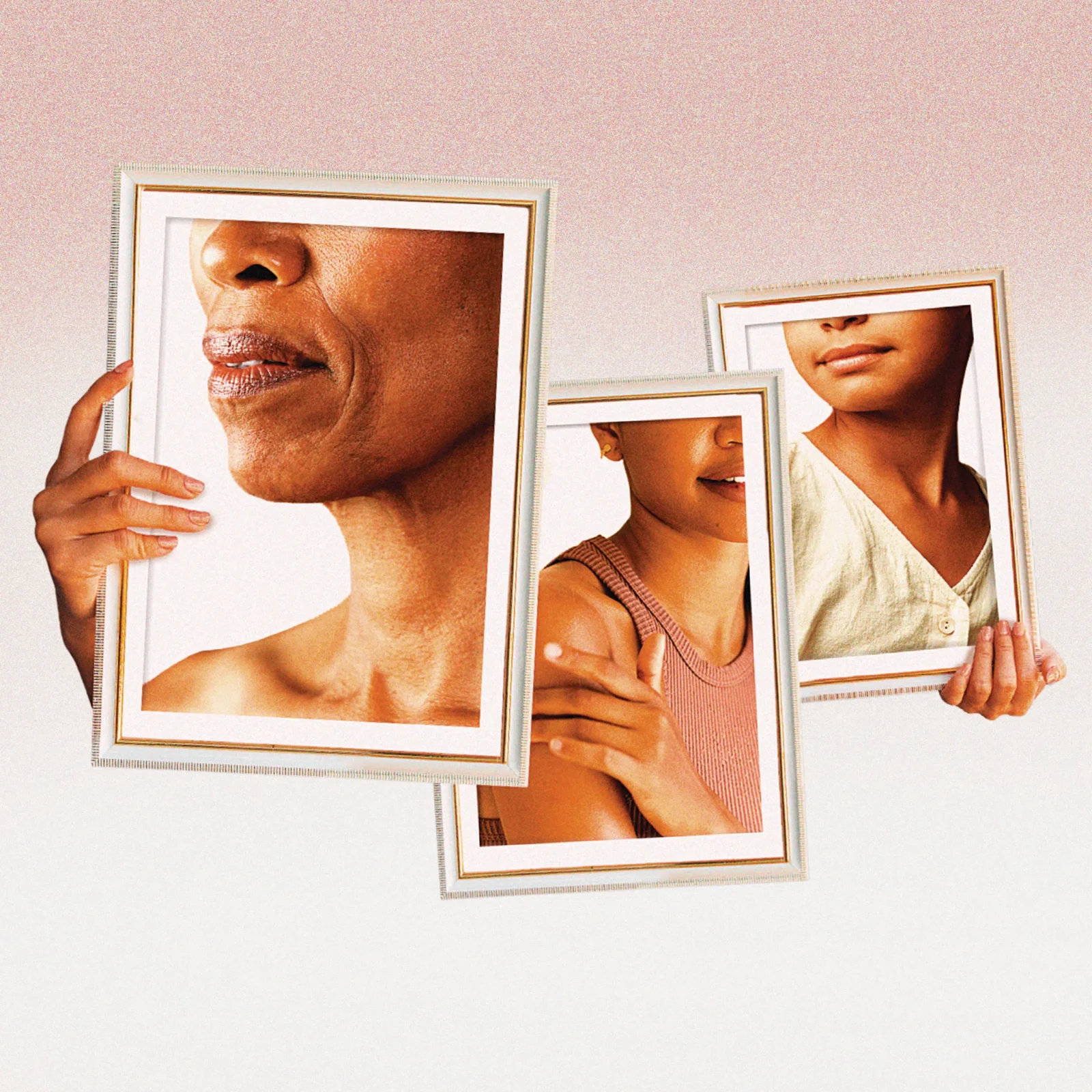


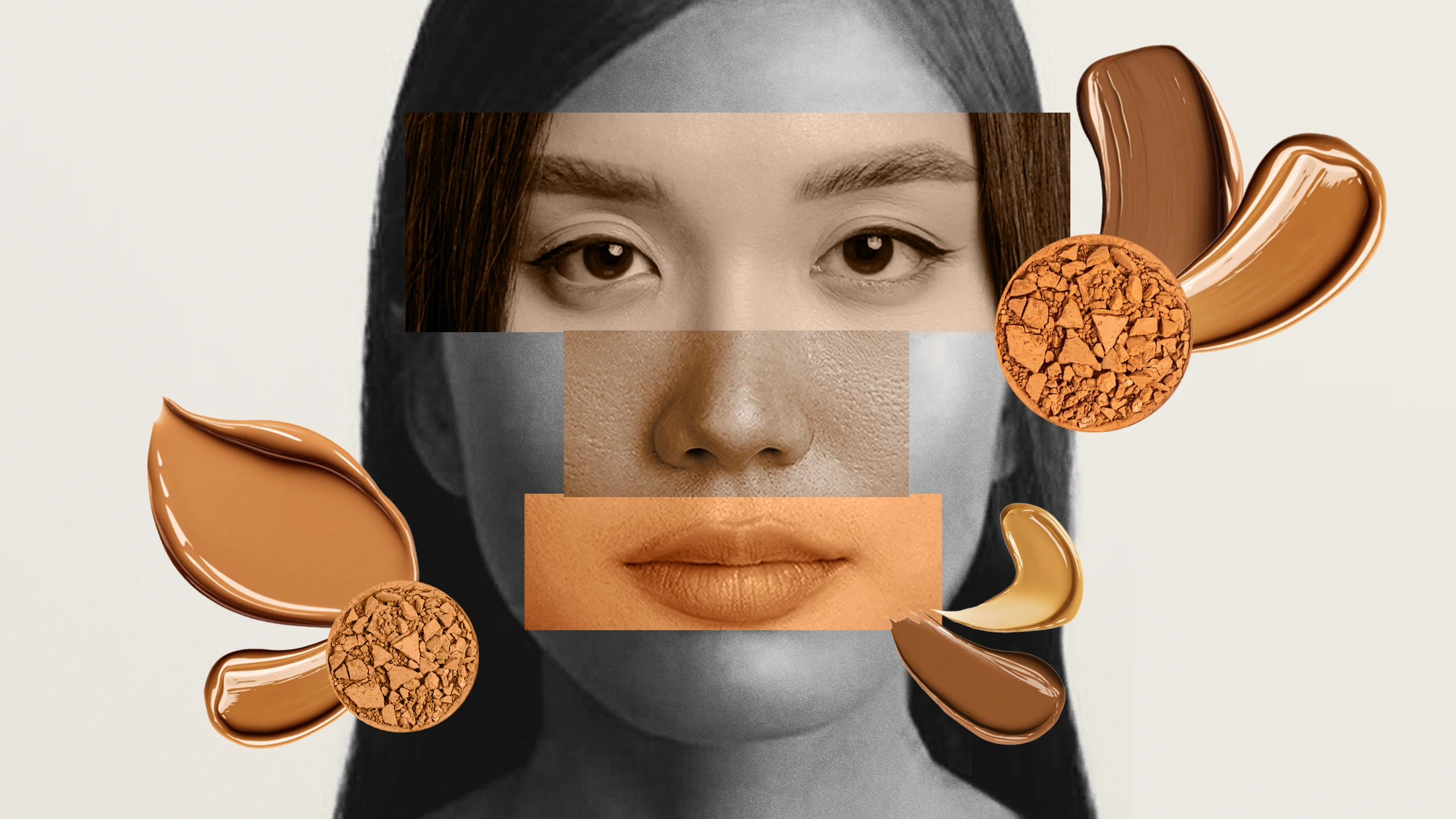
Much has been said and even celebrated about the empowerment of morenas. Broader shade ranges, local founders challenging decades-old beauty standards, morena women gracing the covers of magazines, and darker-skinned actresses moving from sidekick roles to leads, no longer the “ugly duckling” awaiting a whitening makeover arc.
The morena beauty shift is happening, but is it enough? While the rise of morena representation is progress worth celebrating, beneath it, the same systems that once privileged whiteness are still quietly at work.
The story of how whiteness became the standard has also been told many times: centuries of colonial rule that built a hierarchy where lighter skin meant proximity to power and purity. Fair skin marketed as kutis mayaman, kutis artista. Even the word morena, often used as a softer, more ‘polite’ alternative to negra, carries the colonial impulse to manage how we name our own skin.
These narratives are not history. They remain visible on billboards, in advertising, and at the dinner table—still shaping what a Filipina is taught to aspire to.
The illusion of progress
At the center of this is a system the beauty industry rarely interrogates: one shaped not just by culture, but by economics. Gabes Torres, a Filipina mental health practitioner, grassroots organizer, and morena herself, names the dual engine behind beauty standards: racism and capitalism.
“Part of why colonization was successful was because of the psychological oppression that went on with it, which didn’t leave beauty standards untouched,” Torres shares. “In fact, they needed to be influenced in order for us to give in to the colonizer’s objectives.”
This point raises a question the industry rarely asks itself: is the current shift to morena empowerment a reaction to colonialism, one that still orbits whiteness as its reference point, or a genuine reclamation of identity? The answer determines whether what we are witnessing is a true change in beauty standards or simply a more palatable version of the same system.
Envato Images
Following the money trail
Shade-inclusive products are not evidence of a changed industry. They are evidence of a changed market. More conscious, shade-inclusive products may signal a moral shift but reflect the reality that inclusivity sells.
“Women empowerment, body diversity are now celebrated and, therefore, more profitable. So, that’s why media and the beauty industry go into this shift,” Torres shares. The pattern can be seen across many of the industry’s biggest players. Unilever Philippines runs the Dove Self-Esteem Project and Creamsilk’s #ConditionedForGreater academy — campaigns positioned around evolving beauty norms — while the same parent company also offers products like Pond’s White Beauty, positioned around ‘instant brightening’ under softer language like ‘progressively evening out skin tone.’ Ever Bilena partners with Miss Universe Philippines under a ‘For Every Filipina’ tagline while also maintaining whitening-focused lines such as All Day BB Cream Whitening, Hello Glow Whitening Sets, and foundation ranges of only two to five shades. Avon markets specific lipstick shades for morena skinMorena SkinA celebration of natural brown Filipina skin tones, central to Allure Philippines' Morena Manual. Morena skin has distinct needs, including protection from hyperpigmentation, foundation shades that match its undertones, andGo to Morena Skin Glossary alongside a broader range of glutathione-based whitening products. In each case, the contradiction isn’t entirely accidental. This kind of inclusivity doesn’t always challenge the standard, but can also monetize both sides of it.
Why would it want to do anything different, anyway? The whitening industry still remains highly profitable. According to a 2024 report by market research firm Emergen Research, the global skin lightening market is projected to nearly double from USD 9.84 billion to USD 18.63 billion by 2034. According to the study ‘Skin-Lightening Products and Stress Among Filipino Emerging Adults’ published in the Journal of Public Health and Emergency, a third of over 3,000 young Filipinos surveyed use some form of skin lightening product daily.
This is often how the industry operates: marketing begins with a problem, then positions the product as the solution. The business model depends on maintaining insecurity. Whether the label says ‘whitening‘ or ‘brightening,’ the premise is the same: darker skin is the problem, and the product is the solution.
Reframing morena empowerment
Even the counter-narrative of body positivity—morena empowerment, the language of ’embracing’ and ‘celebrating’—deserves scrutiny. Torres raises a question: “What if we don’t have to cast judgment [on] our bodies, whether that’s positive or negative, that we could just say, ‘Oh, thank goodness, my body is working. My body just works.’”
If body positivity replaces one standard with another: you should be proudly brown in place of you should be whiter, then it is still telling a woman how she is supposed to feel about her skin. What would it look like to not need the narrative at all?
Rewriting the Filipina narrative
Beneath both narratives—whitening and empowerment—is the human need: to belong, to be loved, to be chosen. What makes the conversation so difficult to untangle is that the colonial script around skin color doesn’t only live in billboards and product campaigns but also in voices of the people who love us most.
The tita who tells you to stay out of the sun. The lola who says “Sayang, maitim ka lang.” These aren’t always acts of cruelty but often expressions of care, shaped by a world where lighter skin meant better treatment, better prospects, better chances at being chosen.
As Torres reflects, “I will never know what it’s like to exist in the time of my mom or my lola. I will never know what it’s like to be a woman during those times.” These beliefs are shaped by a system that was never offered a different definition of “better.” Canadian physician and best-selling author Dr. Gabor Maté, C.M. writes in Scattered Minds, his work on how early emotional environments shape identity, “Love felt by the parent does not automatically translate into love experienced by the child.” The wound gets passed down not through malice, but through love and wanting better for you, as defined by the only version of “better” they were ever given.
The tita’s comment may leave one woman questioning herself for years, but pass through another without leaving a mark. While hearing these lines may be inescapable events for the ordinary Filipina, this isn’t universal trauma. It lands differently depending on temperament, circumstance, class, and the micro-ecosystem of each household. Not every morena carries the wound. But every morena lives in the system that produces it.
The freedom to say “This is my skin and I don’t need to explain it” is shaped by access. The morena empowerment narrative assumes that every Filipina is equally positioned to arrive at self-acceptance. She is not.
Envato Images
The privilege of empowerment
Skin color has always functioned as a class marker. Across cultures, beauty ideals differ, but what it signals does not. Tanning is aspirational: I vacation, I explore, I have leisure. In the Philippines, whiteness is aspirational, signaling: I don’t work in the sun, I don’t labor with my hands. Both are performing the same thing: distance from hardship. The tan and the bleach are opposite products selling the same promise: that your skin can buy you a place above.
As Torres puts it, “Wherever you are in the world, there’s always a beauty ideal, and that’s always in the context of class status.” The story less told about beauty standards isn’t just about what the standard is, but about who has access to defying it.
The brands doing real inclusivity work are usually priced higher, distributed primarily online or in malls, and marketed through social media. Those products most accessible to the widest number of Filipinas, in your nearest convenience store, sari-sari stores, provincial department stores, are the ones with “whitening” in the product name or only two to five shades, costing about Php 79 to Php 250.
The Filipina who can afford to try the wider shade ranges of foundation gets to participate in the new narrative. Where economic mobility is limited, lighter skin still functions as social capital and the products that promise it remain the most affordable and the most available. Those with access to these conversations — about colonial wounds, about self-acceptance, about beauty as something we define for ourselves — can afford to question the script. Until it reaches beyond the women already in the conversation, the shift remains incomplete.
A new standard
The conversation around morena beauty cannot simply end with representation or even empowerment. It doesn’t need another story of hurt to be justified or another story of overcoming to prove its worth.
Why does a Filipina have to perform an act of ‘self-acceptance’ to exist in her own skin? You don’t ’embrace’ your own arm. You just have it. As Torres reflects, “Our wounds are inescapable. The wounds in our lives, that includes the colonial wounds around being told that you’re only beautiful a certain way. We cannot escape those stories, but we can still be aware of them.”
This is not to say that we cannot have choices when it comes to beauty and what makes us feel like ourselves in the moment. A choice of hair color, lipstick shade, or something more permanent — a tattoo, a surgical procedure, even skin whitening or tanning — is ours alone to make. Whether these choices are born from our wounds or not, our awareness is an ongoing practice and will take the work and commitment of all. From the household that decides to critique or celebrate something other than appearance. From the dinner table to the communities that ask a different question: When did you feel celebrated today?
Maté shared a pointful take that summarizes this, “Self-acceptance does not mean self-admiration or even self-liking at every moment of our lives, but tolerance for all our emotions, including those that make us feel uncomfortable.”
A true shift is not in a new standard of beauty. It is when beauty is no longer a standard at all – and becomes simply one of many ways she exists in the world.
Frequently Asked Questions
Morena representation has grown — broader shade ranges, local founders, and darker-skinned leads in media are visible markers of progress. However, the same companies driving inclusive campaigns often maintain whitening product lines simultaneously, suggesting the shift reflects a changed market rather than a changed standard. The global skin lightening market is projected to reach USD 18.63 billion by 2034.
Because both are profitable. Brands like Unilever Philippines, Ever Bilena, and Avon simultaneously run inclusivity campaigns and maintain whitening-focused product lines. The business model monetizes both narratives rather than resolving the contradiction — inclusivity expands the market without requiring the whitening segment to be retired.
Shade-inclusive products and the cultural conversations around morena self-acceptance tend to be priced higher, distributed online or in malls, and marketed via social media. The most affordable and accessible products — found in sari-sari stores and provincial retailers for PHP 79–250 — still skew toward whitening or offer only two to five foundation shades. Economic mobility shapes who can participate in the new narrative.
Centuries of colonial rule established a hierarchy in which lighter skin signaled proximity to power. Fair skin was marketed as kutis mayaman and kutis artista. Even the word morena carries the colonial impulse to soften how darker skin is named. Mental health practitioners and cultural critics argue that these hierarchies were necessary to the psychological success of colonization and have not been fully dismantled.
Progress beyond representation would mean beauty becoming one of many ways a Filipina exists in the world — not a standard she must perform acceptance of. As framed in the article, a true shift is not the replacement of one beauty ideal with another, but the point at which skin tone no longer functions as social capital, a class marker, or a site of judgment in either direction.