How I Learned To Care For My Morena Skin
Sometimes, beauty secrets and rituals are passed down from generation to generation. But in other cases, we learn them all on our own—life lessons to make sense of ourselves where we stand, on our own two feet. Mental health advocate Cat Triviño shares how she learned to care for her own morena skin.


I am the eldest daughter out of five children, and some of my favorite memories with my mother are ones where she’d just let me be a kid–from travels where it was just the two of us, to moments when she’d invite me to the attic to dance my heart out to some of her most-loved 80’s music. I was sometimes asked to help care for my siblings. With five kids to raise, my mother poured her energy into keeping us moving forward.
In my elementary and high school days, summers were packed with extracurricular sports, most of them spent under the sun. I had a few summers dedicated to futsal, competitive swimming, and even a stint in triathlon. I loved being in the water, I loved being outside. My body felt like it was mine when I was moving.
Unlike me, my mother is fair-skinned. She didn’t have a morena’s skin to care for, and maybe because of that, I don’t recall any formal beauty rituals passed on to me–no elaborate skincare routines, no products that I had to use. What I do remember are the quips every now and then about how dark I was getting because I was always out in the sun.
What is it like growing up morena in the Philippines?
In many Filipino households, these remarks come from a place of worry more than malice. It’s shaped by a culture that has long equated lightness with beauty and opportunity — and it’s a story most morenas know by heart.
Krisca Tadena, a PR executive at a global fashion brand, recalls being steered toward whitening products at family gatherings and beach trips as a child. “At a young age, it made me feel conscious because the beauty standard many of us grew up around often favored fair skin,” she says. What shifted for her, interestingly, wasn’t anything she was told at home, but how people outside her family complimented her complexion, telling her how healthy and radiant it looked. Golf, of all things, taught her to embrace the outdoors and her own skin rather than trying to change it. Now her approach to skincare is rooted in protection and consistency rather than correction through daily sunscreen, hydration, and exosome treatments.
Cha Ocampo, a freediver, didn’t grow up morena but would get identified as one because of the tan she would get from frequently being outdoors. “I remember when I would get [tanned], and some relatives would always say ‘Umitim ka, sayang naman kutis mo. (You got darker, what a waste of your fair complexion.)’ But to me, I loved being morena.” Growing up, she’d watch her mom and grandmother take care of their skin naturally through nutrition and hydration, and letting their complexion be what it was.
Multi-disciplinary visual artist and athlete Anina Rubio grew up in a family of fair-skinned women. She shares, “They were heavily into skin care. I was the only one that wasn’t at the start, but I’m slowly getting into it.” Her mother encouraged her early on to stay hydrated, wear sunscreen, and carry an umbrella when walking out in the sun.
Envato Images
How do you care for melanin-rich morena skin?
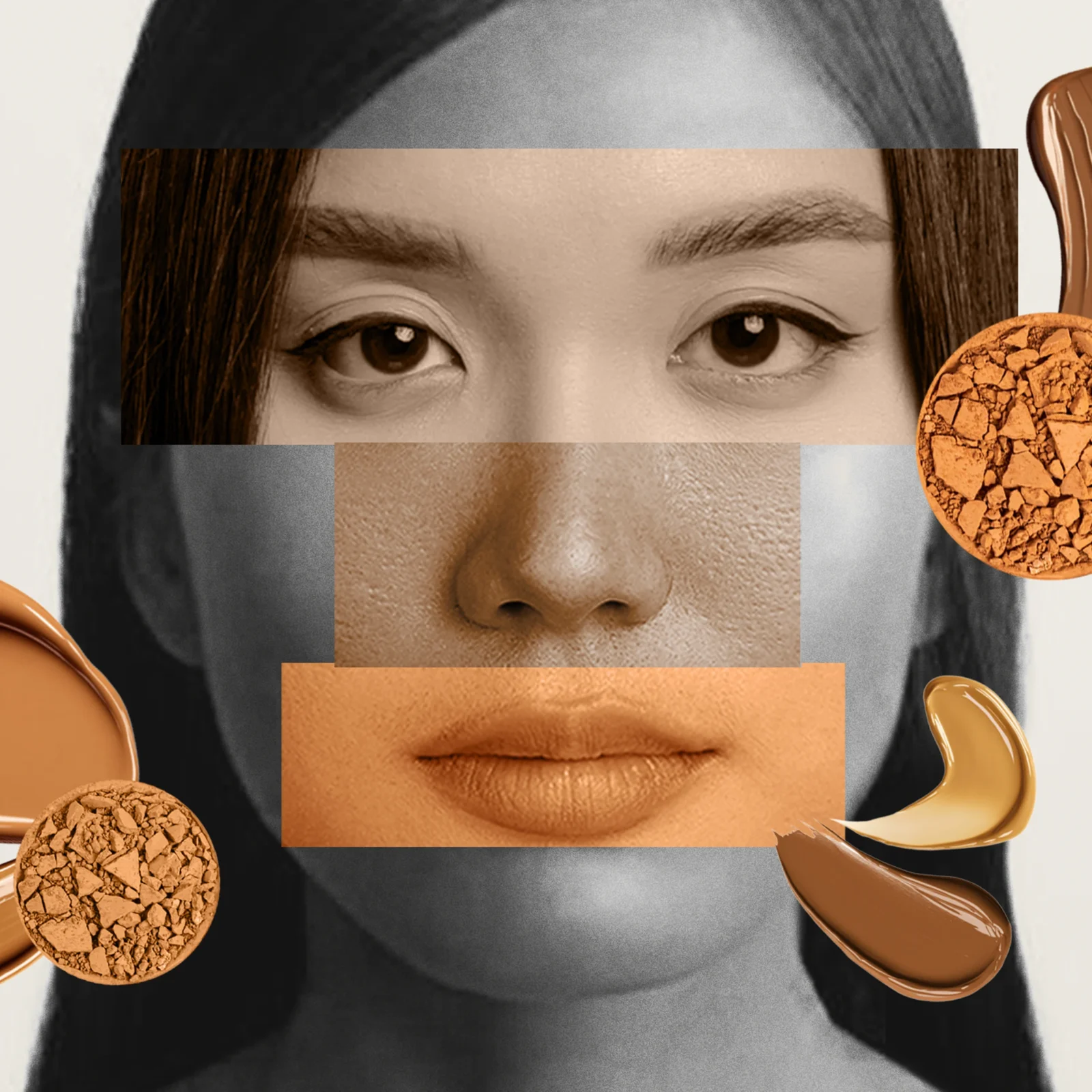
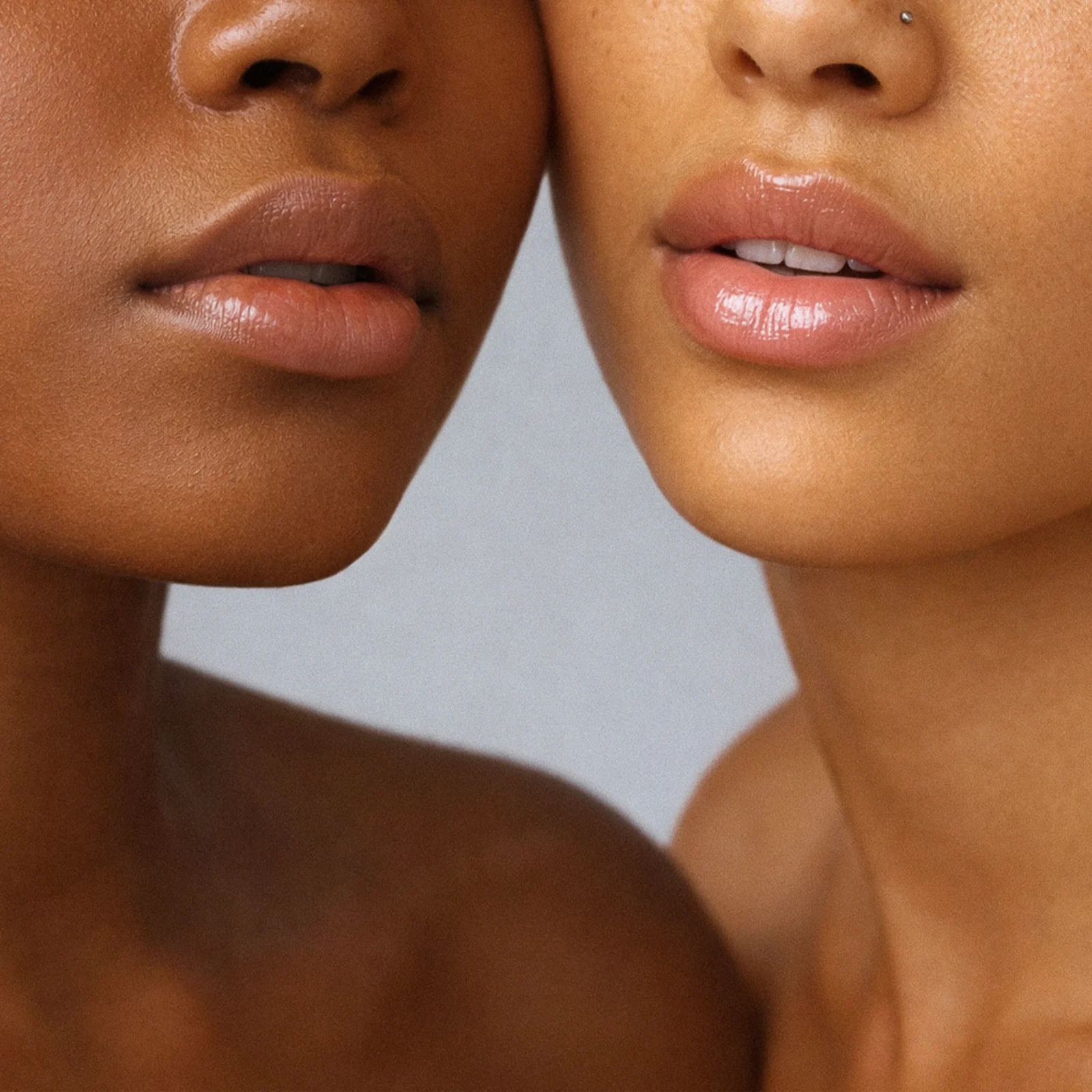
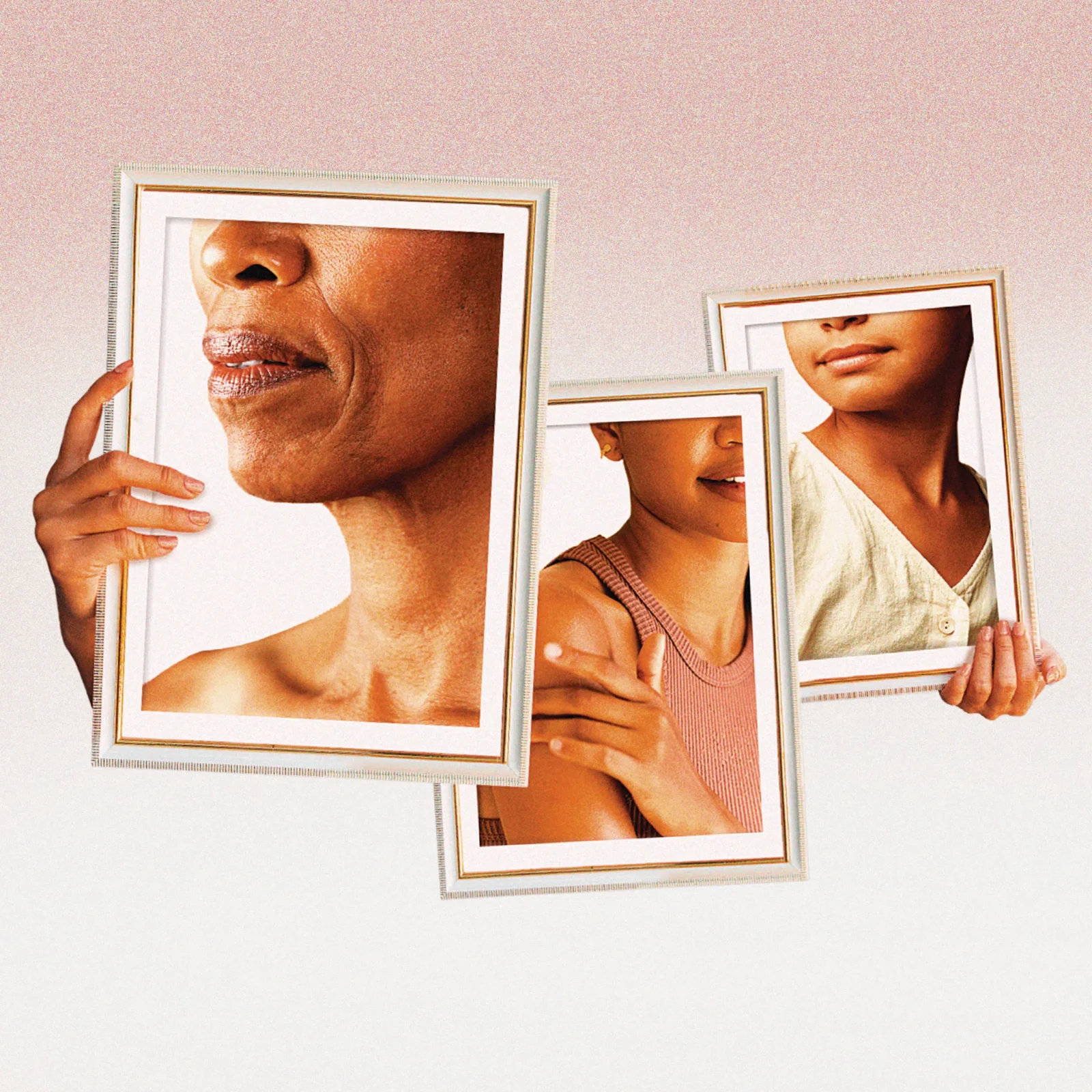
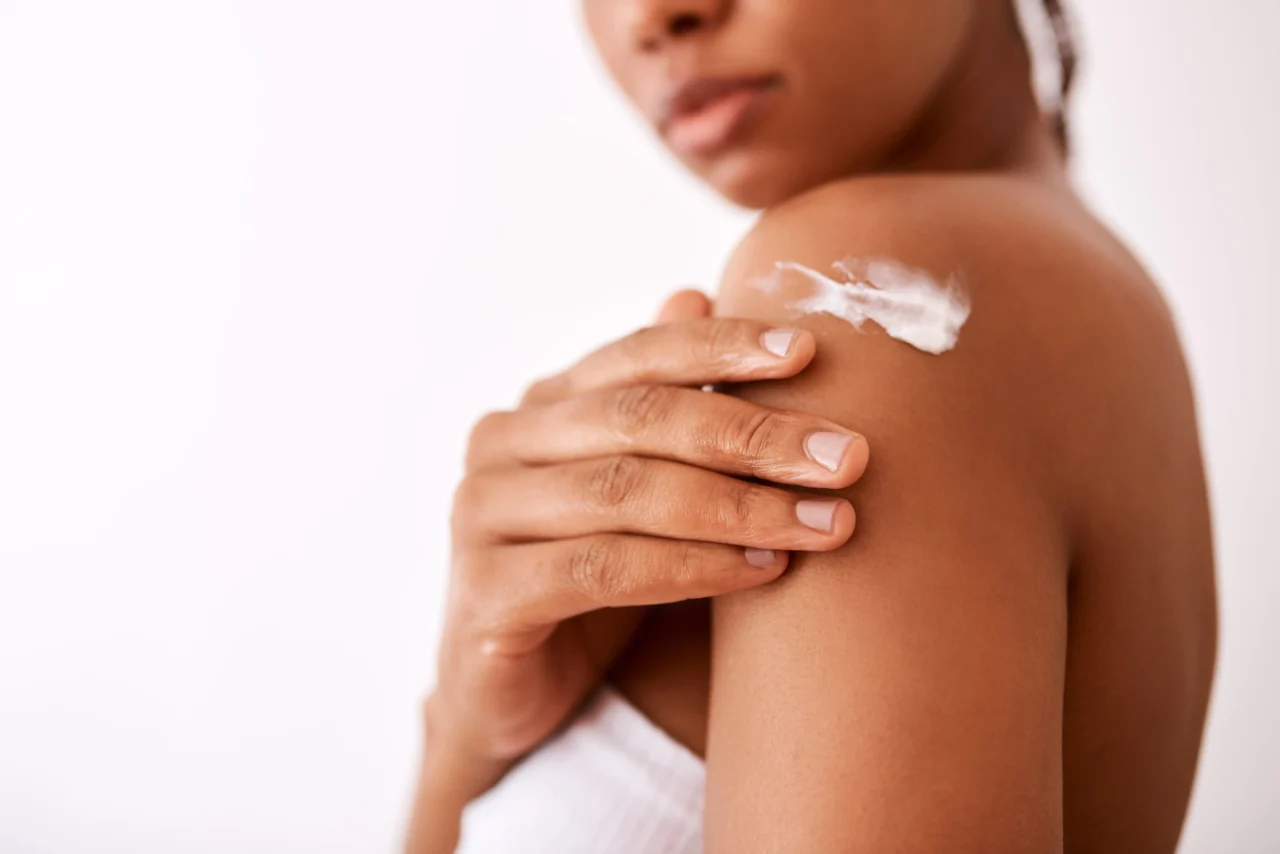
There is special care needed for melanin-rich skin, and there have been published expert-backed tips for caring for the top skin condition for morenas. Neither Cha’s nor Anina’s mothers could fully relate to having a darker complexion, but that didn’t stop them from passing down sound advice on sunscreen and UV protection—care that morena skinMorena SkinA celebration of natural brown Filipina skin tones, central to Allure Philippines' Morena Manual. Morena skin has distinct needs, including protection from hyperpigmentation, foundation shades that match its undertones, andGo to Morena Skin Glossary needs just as much as any other, despite the common misconception that it doesn’t. And for other morenas like Krisca and I, care came from the outside, through communities and environments that encouraged us to keep our skin hydrated and healthy, rather than lighter.
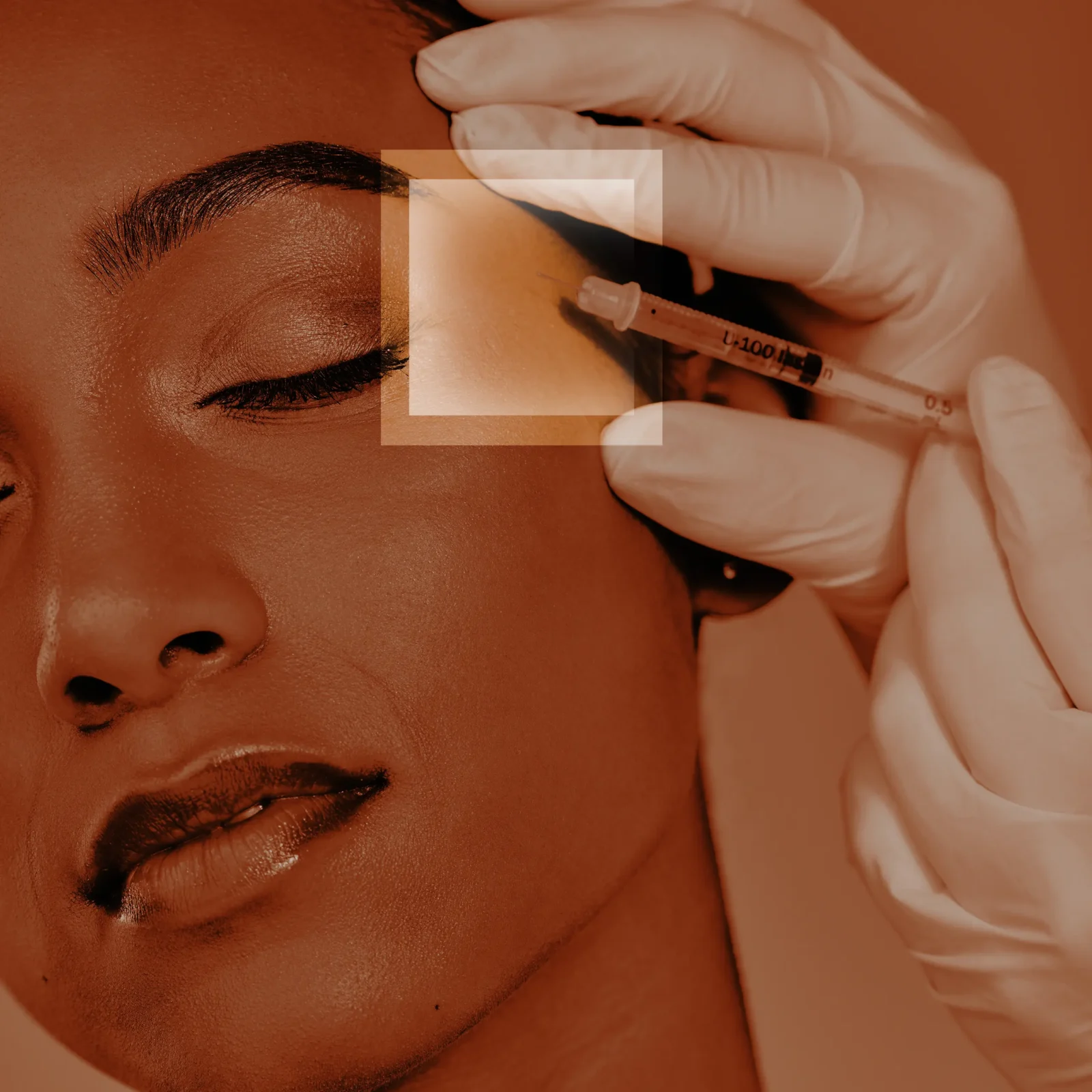
My rituals came from paying closer attention, too. I noticed the impact of my hormones on my skin when I started seeking support for my hormonal health challenges. Taking care of my hormonal health regularly has helped clear most of my acne and gave my skin a glow I hadn’t seen before. There’s research to back this up: estrogen directly triggers melanin production, and hormonal shifts affect darker skin more intensely—from darker patches, amplified response to UV exposure, breakouts and inflammation—because our melanocytes (the cells that produce melanin) are already more active.
I’ve found makeup tints and powders that have infused UV protection qualities that help bring added protection especially on days when I find sunscreen too heavy for the humidity. And lastly, a simple but consistent night time skin care ritual: from thoroughly cleansing my face with a vitamin C facial wash, exfoliating the body to buff away dead and dry skin, and keeping the skin hydrated with natural, sulfate- and paraben-free lotions and gentle moisturizers.
When beauty lessons are not only skin-deep
I didn’t grow up disliking my morena skin, even though society seemed to keep asking me to. Maybe it’s because, for all the things my mother didn’t pass down in the way of beauty rituals, she passed down something I didn’t fully recognize until I was older: grit. She always modeled for me that presence, intelligence, and speaking up for yourself are far greater characteristics of a woman who wants to make a mark. That was her beauty ritual: a posture toward the world and she was proud of it.
When I asked Krisca what she’d tell the next generation of morenas, she didn’t hesitate: “Morena skin is beautiful in its own way. It has warmth, depth, and a glow that’s so uniquely ours. I think more young girls need to grow up hearing that they don’t need to have lighter skin to feel beautiful.” Cha echoes this, “Caring for morena skin involves embracing your natural skin tone—the food we eat, the skincare routine comes second.”
The beauty advice I’ll pass on won’t sound much like a ritual either. They’ll sound like my mother’s voice—strong and sure—only this time, they’ll come with one addition she didn’t know she was allowed to say: your skin is already beautiful.
Frequently Asked Questions
“Morena” refers to a Filipina with brown or tan skin, in contrast to fair complexions long favored by traditional Philippine beauty standards. The term is increasingly reclaimed as a marker of pride rather than something to lighten or correct.
Caring for morena skin centers on protection and consistency: daily sunscreen, hydration, and gentle moisturizers rather than whitening or correction. Despite a common misconception, melanin-rich skin needs UV protection just as much as fair skin does.
Yes, morena and melanin-rich skin needs sunscreen. Higher melanin offers limited natural protection but does not prevent UV damage, hyperpigmentation, or dark patches—which can actually appear more intensely on darker skin tones.
Hormonal shifts affect darker skin more intensely because melanocytes are already more active. Estrogen directly triggers melanin production, so hormonal changes can cause darker patches, heightened UV response, breakouts, and inflammation in morena skin.
On humid days when sunscreen feels heavy, morenas can use makeup tints and powders with built-in UV protection for added defense. Pairing this with hydration and a consistent nighttime cleansing routine helps maintain healthy, protected skin.