
Understanding Morena Skin: Why It Responds Differently, According to Dermatologists
Allure Philippines asks dermatologists one question: why does morena skin react differently?
By Liam Sanchez


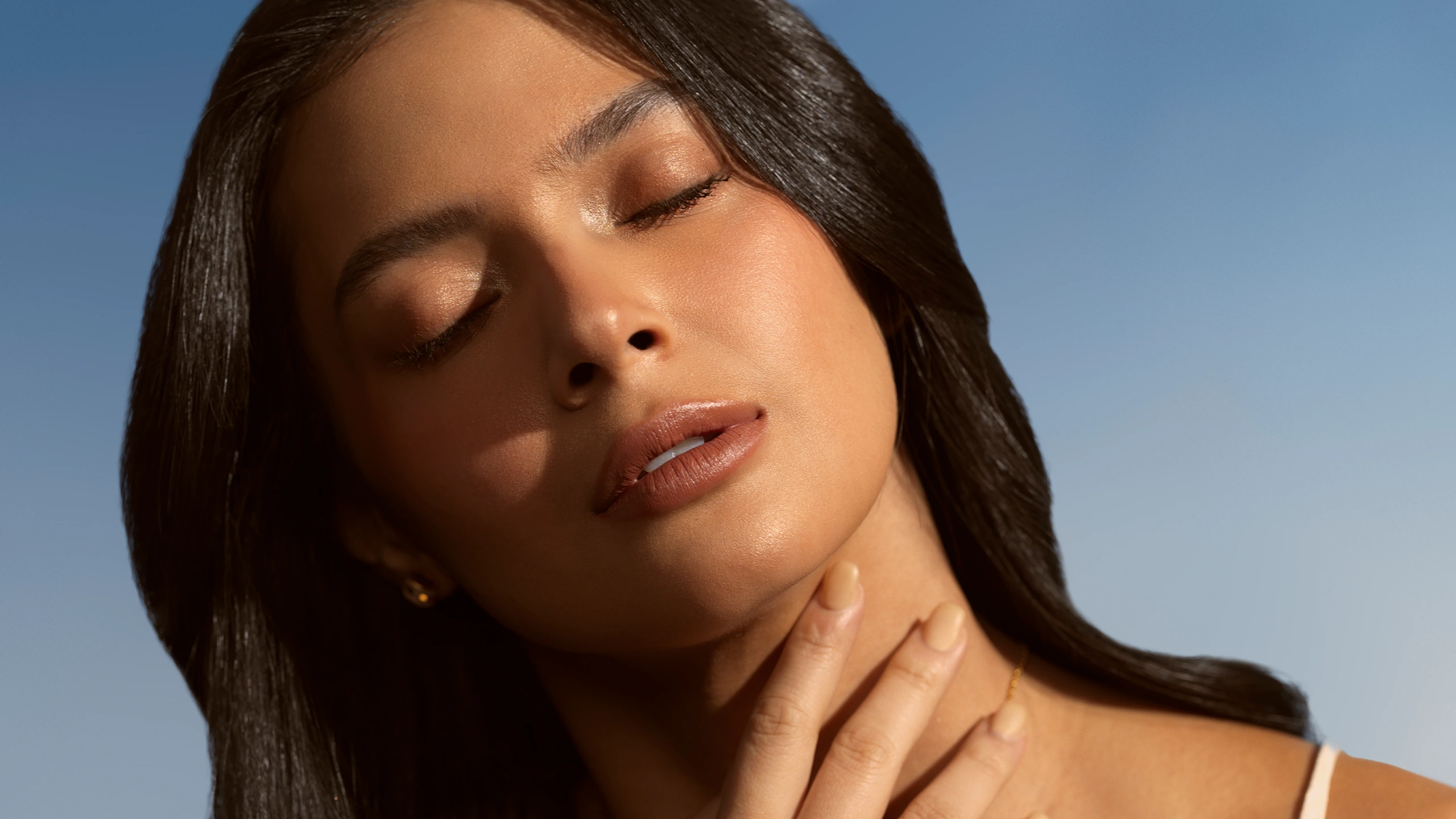
When I was growing up, I started noticing something I couldn’t explain at the time. As someone with brown skin, afternoons spent playing outside would often leave me with a deeper tan along with scratches and insect bites I only noticed once I got home, and these marks would be very prominent. Instead of disappearing, they often left behind darker marks that stayed on my skin longer than expected.
What stood out even more was the contrast. My playmates with fairer skin would turn red, but the redness would fade and their skin would return to itself quickly, almost as if nothing happened. Mine didn’t behave the same way. The mark would settle in, deepen, and stay. It wasn’t something I understood then, but it was something I learned to notice early: how differently skin can respond from one person to another.
Morena skin has a secret power
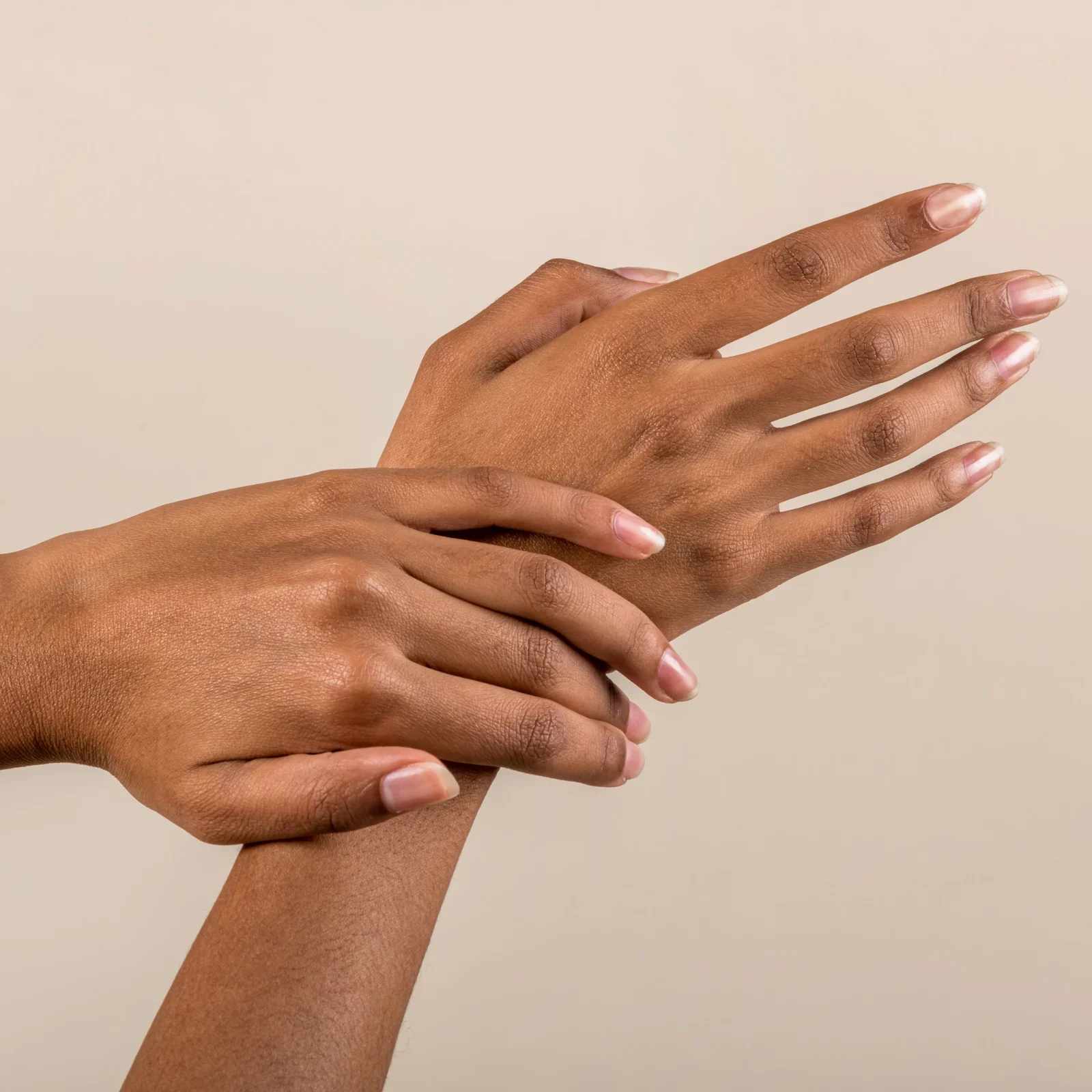
Morena skinMorena SkinA celebration of natural brown Filipina skin tones, central to Allure Philippines' Morena Manual. Morena skin has distinct needs, including protection from hyperpigmentation, foundation shades that match its undertones, andGo to Morena Skin Glossary is not simply a skin tone—it is a biologically distinct skin type with both protective advantages and specific vulnerabilities that are rarely discussed. “Morena skin is found to have high levels of eumelanin, a brown-to-black pigment that is responsible for the warm and rich brown hue of morena skin,” explains board-certified dermatologist Ada Atilano-Bautista, MD, FPDS, from a previous Allure Philippines interview.
This pigment does more than define tone. “The eumelanin not only gives morena skinMorena SkinA celebration of natural brown Filipina skin tones, central to Allure Philippines' Morena Manual. Morena skin has distinct needs, including protection from hyperpigmentation, foundation shades that match its undertones, andGo to Morena Skin Glossary its radiant tone but also contributes to its built-in natural defense against UV rays. This is what protects morenas from sunburn and skin cancers,” she adds.
But morena skin is also vulnerable
But dermatologists say this natural protection has its limits. “However, having increased melanin production contributes to pigmentary disorders such as melasmaMelasmaA common condition that causes brown or gray-brown patches, usually on the cheeks, forehead, and upper lip. Hormones, sun, and heat can trigger it, so strict sun protection, including aGo to Melasma Glossary, lentigines and post-inflammatory hyperpigmentation,” Dr. Atilano-Bautista explains. In morena skin, this creates a pattern: while it is more protected from sun damage, it is also more prone to pigmentation when inflammation occurs.
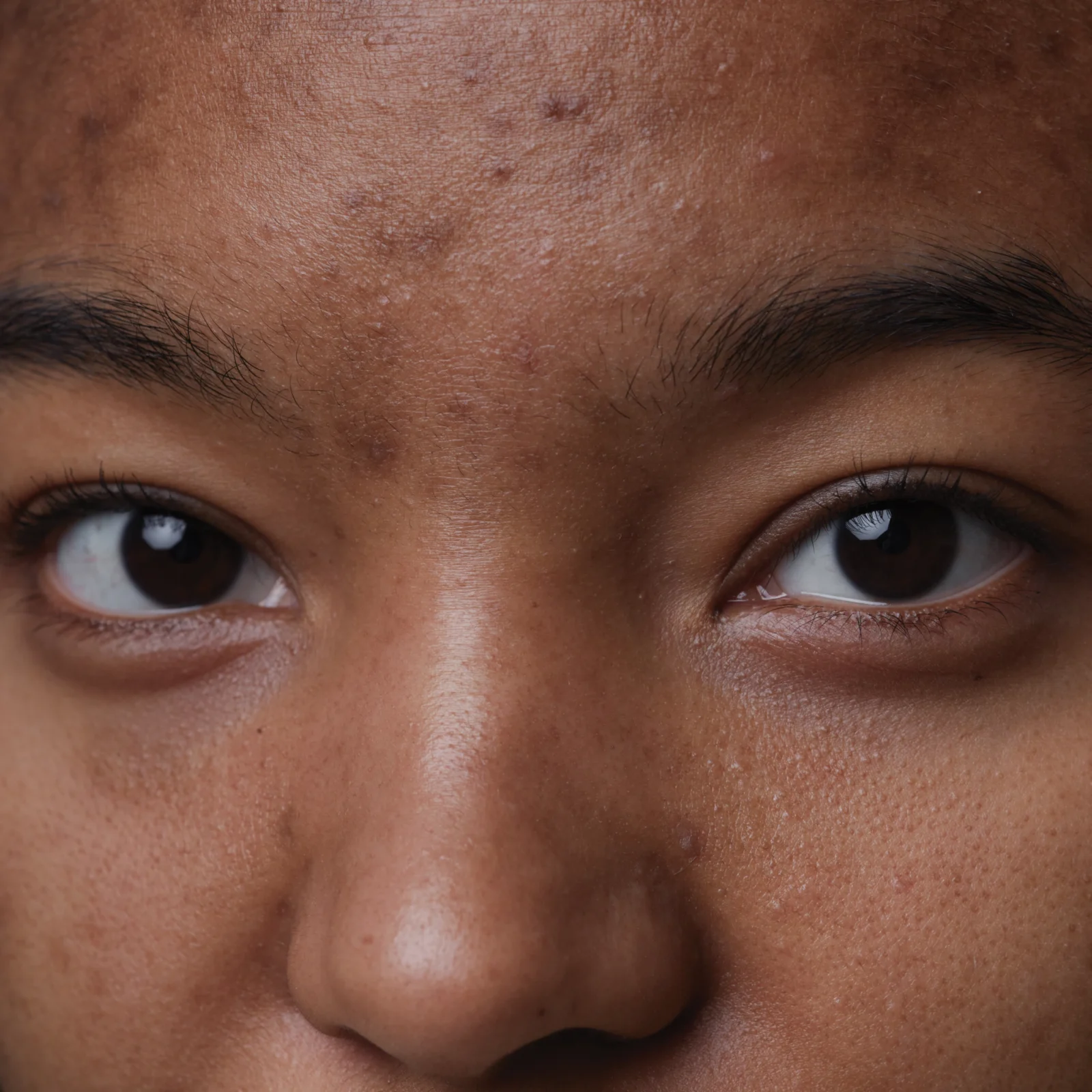
“Morena skinMorena SkinA celebration of natural brown Filipina skin tones, central to Allure Philippines' Morena Manual. Morena skin has distinct needs, including protection from hyperpigmentation, foundation shades that match its undertones, andGo to Morena Skin Glossary is actually more reactive to inflammation and trauma, which makes it prone to darkening or hyperpigmentation, particularly after acne or any sort of skin injury,” she says. This means small issues like pimples, scratches, insect bites, or irritation can often leave marks that last longer than expected.
Dermatologists often see this in practice. Mara Weinstein Velez, MD, a board-certified dermatologist in Rochester, New York notes, “The more they scratch, the more inflammation and the more potential for pigmentary issues post-flare.” Post-inflammatory hyperpigmentationHyperpigmentationDark spots or uneven patches that appear when skin produces excess melanin, often after sun exposure, acne, or irritation. It is especially common in morena skin, and treatment relies onGo to Hyperpigmentation Glossary results in dark patches on the skin after initial inflammation or injury.
Morena skin is prone to several skin conditions
Eczema is another example. In morena skinMorena SkinA celebration of natural brown Filipina skin tones, central to Allure Philippines' Morena Manual. Morena skin has distinct needs, including protection from hyperpigmentation, foundation shades that match its undertones, andGo to Morena Skin Glossary, it can present differently and often leads to lingering discoloration after healing, including post-inflammatory hyperpigmentation or darkening of the affected area.
As a result, hyperpigmentationHyperpigmentationDark spots or uneven patches that appear when skin produces excess melanin, often after sun exposure, acne, or irritation. It is especially common in morena skin, and treatment relies onGo to Hyperpigmentation Glossary is one of the most common and frustrating concerns among many morena girls. Not all pigment changes appear as dark patches, however. Post-inflammatory hypopigmentation, or lighter areas that develop after skin injury, can also occur. In morena skin, these contrasts tend to be more noticeable.
How to take care of morena skin
Any treatment should be designed with morena skinMorena SkinA celebration of natural brown Filipina skin tones, central to Allure Philippines' Morena Manual. Morena skin has distinct needs, including protection from hyperpigmentation, foundation shades that match its undertones, andGo to Morena Skin Glossary in mind. Rather than relying on harsh or aggressive approaches, dermatologists often emphasize gentle, consistent care that prioritizes the skin barrier, alongside daily sunscreen use to help prevent further pigmentation and uneven tone. Ingredients such as niacinamide, vitamin C, azelaic acid, and retinoids can be beneficial, but they work best when introduced carefully and tailored to how morena skin responds over time.
Morena skin has its own patterns of healing and pigmentation, it benefits more from steady, intentional routines than from quick fixes. Because morena skin is not a flaw, but like all other skin types and colors, it just needs the care it rightfully deserves.
Frequently Asked Questions
Eumelanin is the brown-to-black pigment responsible for morena skin’s warm, rich tone. Beyond color, it provides a built-in UV defense — offering greater protection from sunburn and a lower susceptibility to certain skin cancers compared to skin with lower melanin levels. However, this advantage comes alongside a higher risk of pigmentary disorders when the skin is inflamed or injured.
Morena skin is more reactive to inflammation and trauma due to its higher melanin production. When the skin experiences injury — including acne, scratches, or insect bites — it is more likely to produce excess pigment during healing, resulting in post-inflammatory hyperpigmentation: dark marks that can persist significantly longer than in lower-melanin skin types.
Post-inflammatory hyperpigmentation (PIH) is the darkening of skin that occurs after inflammation or injury. In morena skin, PIH is more common and more pronounced due to higher baseline melanin activity — meaning that conditions like eczema, acne, or even minor skin trauma tend to leave darker, longer-lasting marks compared to fairer skin tones.
Dermatologists recommend niacinamide, vitamin C, azelaic acid, and retinoids as beneficial ingredients for morena skin managing hyperpigmentation and uneven tone. These actives work best when introduced gradually and tailored to how morena skin responds — alongside daily SPF use to prevent further pigmentation, and gentle, barrier-supporting products to avoid inflammation that triggers PIH.
In morena skin, eczema can be harder to identify because it may not present as the typical redness associated with fairer skin. Instead, it often manifests as darkening, ashy discoloration, or post-inflammatory hyperpigmentation in the affected area after a flare. This means eczema in morena skin is frequently misread as ordinary dryness or pigmentation, rather than an inflammatory condition requiring targeted treatment.
Liam Sanchez
Liam Sanchez is a registered medical technologist and Wellness Writer at Allure Philippines. Combining training in laboratory medicine with experience in science journalism, he specializes in evidence-based reporting on wellness, nutrition, longevity, and beauty trends. A Cum Laude graduate of the University of Santo Tomas, he previously served as Science and Technology Editor of The Varsitarian. At Allure Philippines, he translates complex health and beauty science into accessible, reader-first stories that help consumers make more informed decisions about their well-being.
Latest Stories


You might also like
To provide a customized ad experience, we need to know if you are of legal age in your region.
By making a selection, you agree to our Terms & Conditions.