How to Protect Morena Skin This Summer Against Harmful UV Radiation
Protecting your skin from the sun has nothing to do with skin color, and everything to do with guarding it against the harmful effects of UV rays.
By Liam Sanchez


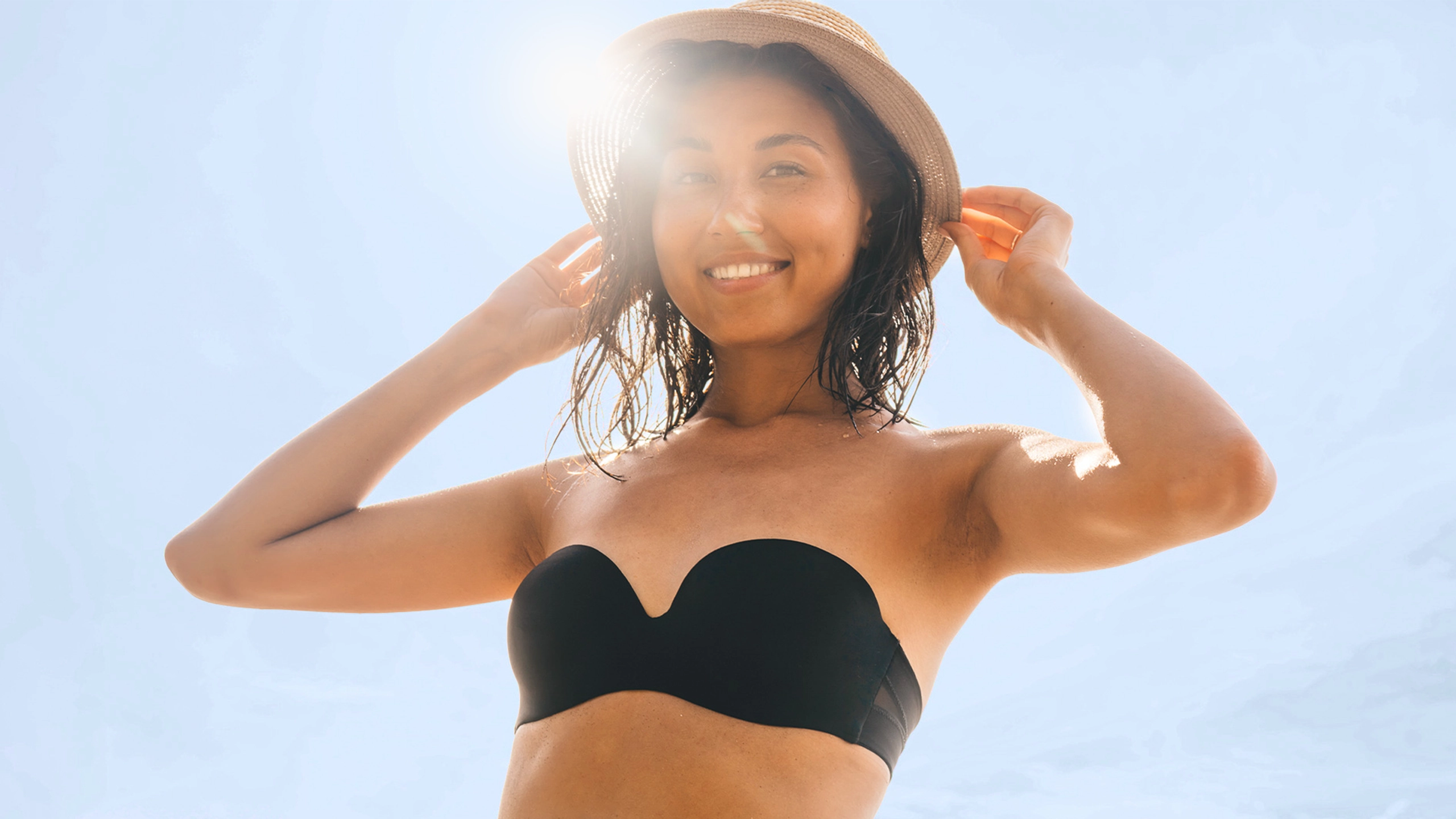
A common belief persists that morena skin does not need sun protection, because of its natural richness in melanin. This assumption has led many to underestimate the importance of taking care of morena skinMorena SkinA celebration of natural brown Filipina skin tones, central to Allure Philippines' Morena Manual. Morena skin has distinct needs, including protection from hyperpigmentation, foundation shades that match its undertones, andGo to Morena Skin Glossary, especially in the Philippines, where sun exposure is a constant part of everyday life. But as we move through hotter and longer summers, it’s time to revisit and debunk this idea. Protecting yourself from the sun is not about resisting your natural skin tone or striving for a fairer complexion. Instead, it should come from an understanding that unprotected UV exposure can pose real, harmful risks.
Filipina board-certified dermatologist Ada Atilano-Bautista, MD FPDS., explains in a previous Allure Philippines interview that morena skinMorena SkinA celebration of natural brown Filipina skin tones, central to Allure Philippines' Morena Manual. Morena skin has distinct needs, including protection from hyperpigmentation, foundation shades that match its undertones, andGo to Morena Skin Glossary naturally contains higher levels of eumelanin, the brown pigment responsible for the skin’s dusky tone. Beyond color, this pigment serves as a built-in advantage, offering greater tolerance to sunburn and lower susceptibility to skin cancer. However, while morena skin is often recognized as more resilient to photodamage and is associated with a thicker dermis, this does not mean it requires less care.
Yes, melanin offers a degree of defense, but it is not immunity. Ultraviolet radiation does not only cause tanning; it is also a known carcinogen, meaning it increases the risk of cancer. Hence, the goal is not to avoid getting darker, but to reduce cumulative damage that builds over time.
Apply sunscreen often
A persistent myth is that morena skin does not need sunscreen. Dermatologists continue to push back on this. As board-certified dermatologist Francesca Sy-Alvarado, MD, FPDS., notes in a previous Allure Philippines interview, “The minimal protection offered by a tan is not enough without proper sun protection.” Meanwhile, fellow board-certified dermatologist Anna Palabyab-Rufino, MD, FPDS., is equally direct: “SPF is very important no matter the skin type.”
According to the Philippine Dermatological Society, sunscreen with at least SPFSPFSun Protection Factor, a measure of how well a sunscreen protects against UVB rays that cause sunburn. Dermatologists recommend a broad-spectrum SPF 30 or higher, applied generously every morning andGo to SPF Glossary 30 should be applied generously to all exposed areas, including the face, neck, ears, and arms. Reapplication every two hours is necessary, especially in humid conditions or during prolonged outdoor exposure.
Use products suited for morena skin
Morena skin is resilient, but it can also be reactive in specific ways. For one, it is more prone to inflammation and hyperpigmentationHyperpigmentationDark spots or uneven patches that appear when skin produces excess melanin, often after sun exposure, acne, or irritation. It is especially common in morena skin, and treatment relies onGo to Hyperpigmentation Glossary, so being consistent with your skincare routine is important. Dr. Atilano-Bautista advises using gentle, fragrance-free cleansers and barrier-supporting moisturizers to help minimize irritation. Active ingredients like vitamin C, azelaic acid, and retinoids can help even out skin tone, but she also says that they should be introduced gradually and ideally under the guidance of a board-certified dermatologist.
Use physical protection
Moreover, protection is not just about products but also about behavior. Staying in the shade during peak hours, between 10 AM to 2PM, can significantly reduce UV exposure.
Clothing adds another layer of defense. The PDS recommends choosing garments with more coverage, tighter weaves, and darker fabrics for better protection. Accessories also matter. Wide-brimmed hats can protect areas often overlooked, such as the neck and ears, while UV-blocking sunglasses shield both the eyes and surrounding skin.
What protecting morena skin should mean
This summer, the goal isn’t to stay lighter, fairer, or untouched by the sun—it’s to keep your skin healthy under it. It starts with conscious choices that support your skin’s long-term health, not just its appearance. Protecting your skin from the sun isn’t about changing your skin color, but about caring for it in a way that honors it every day.
Frequently Asked Questions
Yes. While morena skin contains higher levels of eumelanin — which offers greater tolerance to sunburn and lower susceptibility to skin cancer — melanin is not full immunity against UV damage. Filipino board-certified dermatologists are consistent: SPF is essential regardless of skin tone, and the minimal protection a tan offers is insufficient without proper sunscreen.
The Philippine Dermatological Society recommends sunscreen with at least SPF 30, applied generously to all exposed areas including the face, neck, ears, and arms. Reapplication every two hours is necessary — particularly in humid conditions or during extended outdoor exposure, which is standard daily life in the Philippines.
Vitamin C, azelaic acid, and retinoids can help even out skin tone and address post-inflammatory hyperpigmentation, which morena skin is more prone to. These active ingredients should be introduced gradually and ideally under the guidance of a board-certified dermatologist, alongside gentle, fragrance-free cleansers and barrier-supporting moisturizers.
Staying in the shade between 10 AM and 2 PM significantly reduces UV exposure during peak hours. The PDS recommends clothing with more coverage, tighter weaves, and darker fabrics. Wide-brimmed hats protect the neck and ears — areas often missed by sunscreen — while UV-blocking sunglasses shield the eyes and surrounding skin.
Yes. Ultraviolet radiation is a known carcinogen regardless of skin tone. While morena skin’s higher melanin content reduces sunburn risk and lowers susceptibility to certain UV-related skin cancers, cumulative UV exposure over time still poses real health risks. Sun protection for morena skin is about long-term skin health, not avoiding a darker complexion.
Liam Sanchez
Liam Sanchez is a registered medical technologist and Wellness Writer at Allure Philippines. Combining training in laboratory medicine with experience in science journalism, he specializes in evidence-based reporting on wellness, nutrition, longevity, and beauty trends. A Cum Laude graduate of the University of Santo Tomas, he previously served as Science and Technology Editor of The Varsitarian. At Allure Philippines, he translates complex health and beauty science into accessible, reader-first stories that help consumers make more informed decisions about their well-being.
Latest Stories


You might also like
To provide a customized ad experience, we need to know if you are of legal age in your region.
By making a selection, you agree to our Terms & Conditions.