

A lip gloss has always been my go-to beauty product—even back when matte liquid lipsticks were in everyone’s kits. They’re shiny, come in different bright shades and often with glitters which I love. There’s always one on my vanity, another on my bedside table, a couple more tucked in my bag “just in case,” and yes, even one in my back pocket for whenever I’m in the mood for a glossy lip. At this point, it’s basically my emotional support product.
Lately, I’ve been reaching for lip plumping glosses. They give me that same juicy lips, but with the added plumping effect that makes me feel like I’m channeling my best Angelina Jolie pout. Still, I’ve noticed something: some formulas feel far more tingly compared to others. Is that actually normal?
To get to the bottom of it, I asked two board-certified dermatologists all my pressing questions about this beauty staple.
What are lip plumpers?
Lip plumpers, essentially, are designed to enhance the appearance of fuller lips. As board-certified dermatologist Raissa Francisco-Pasion, MD, FPDS, explains, “Lip plumpers are essentially topical products that create the appearance of fuller lips rather than true volume.”
That illusion, however, can be achieved in different ways, depending on the formula you’re swiping on. Classic lip plumpers work by triggering a mild, localized inflammatory response. Certain ingredients stimulate nerve endings and increase blood flow to the lips, resulting in temporary swelling—and that all-too-familiar tingling sensation. It’s this subtle irritation that gives lips a fuller, more flushed look, though the effect is short-lived.
Dr. Pasion notes that newer formulas are taking a different route. Instead of relying on irritation, they lean into hydration. Ingredients like hyaluronic acidHyaluronic AcidA powerful humectant that can hold many times its weight in water, giving skin a plump, hydrated, bouncy look. Apply it to slightly damp skin and seal with moisturizer. ItGo to Hyaluronic Acid Glossary draw water into the surface layers of the lips, improving smoothness and enhancing light reflection.
What are the ingredients?
Envato Images
Capsaicin, menthol, ginger
The core ingredients of lip plumpers are designed to deliver a temporary boost. According to board-certified dermatologist Francesca Sy-Alvarado, MD, FPDS, these formulas use ingredients like capsaicin (the one responsible for the heat in your chili), menthol, and sometimes ginger to stimulate the lips. She describes it as a micro-inflammatory response. This micro-inflammation causes vasodilation, meaning blood vessels widen and blood flow increases to the area. “So when the blood vessels widen, the blood flow increases and the lips look redder and fuller,” she notes.
Hyaluronic acid, glycerin
Many formulas include humectants like hyaluronic acid and glycerin. Dr. Sy-Alvarado says these ingredients draw water into the stratum corneum, the outermost layer of the epidermis. “The lips look smoother, they reflect light better. And the lines on our lips, they get blurred, so the lips look fuller because the lines are blurred.”
Occlusives, lip formers
Because lips lack oil glands, they also rely heavily on occlusives and film formers, they are moisturizing agents. “Occlusives form a film over the lips, and they reduce water loss,” including ingredients like waxes, oils, petrolatum, or petroleum jelly. This sealing effect helps trap hydration inside while also creating that high-shine, “glass lip” finish that enhances the perceived volume.
Peptides
Dr. Sy-Alvarado reveals that newer formulas go a step further with peptides, which are often marketed for longer-term benefits. These are very small molecules that “claim to stimulate collagen,” theoretically improving lip structure over time. However, the evidence is still limited.
Collagen
She also shared how some products also advertise collagen as a core ingredient, it’s important to note that topical collagen mainly functions as a surface-level moisturizer. Dr. Sy-Alvarado clarifies that “the molecule, the particle size of topical collagen is really large that it doesn’t penetrate in the skin,” so it does not directly increase collagen in the lips.”
Are lip plumpers similar to lip fillers?
Short answer: not quite. “The key difference is that lip plumpers are purely superficial and temporary, while fillers actually change the structure of the lip,” says Dr. Francisco-Pasion.
“Plumpers sit on top of the skin and either cause transient swelling or improve hydration, so the effect lasts a few hours at most. Fillers—typically injected hyaluronic acidHyaluronic AcidA powerful humectant that can hold many times its weight in water, giving skin a plump, hydrated, bouncy look. Apply it to slightly damp skin and seal with moisturizer. ItGo to Hyaluronic Acid Glossary—physically add volume and reshape the lips, with results that can last months to even years. Lip plumpers create the appearance of fullness through surface effects, while lip fillers add structural volume.”
That distinction becomes even clearer when you look at how lip fillers actually work. Unlike glosses you simply swipe on, fillers are injected. Dr. Sy-Alvarado emphasizes that the hyaluronic acid used in lip plumpers is cross-linked hyaluronic acidHyaluronic AcidA powerful humectant that can hold many times its weight in water, giving skin a plump, hydrated, bouncy look. Apply it to slightly damp skin and seal with moisturizer. ItGo to Hyaluronic Acid Glossary. Cross-linked hyaluronic acid gives the gel filler a thicker, more cohesive quality, allowing it to hold its shape, and deliver more controlled, longer-lasting results.
Not all fillers are created equal, either. Some are designed to be firmer, offering more structure and definition—ideal for enhancing the lip’s shape. Others are softer, focusing on volume and hydration for a plumper, pillowy effect. In many cases, doctors even combine different types of fillers to achieve both structure and volume, depending on the desired outcome.
Dr. Sy-Alvarado also noted how expertise matters. “ I do suggest you go to a doctor who is well knowledgeable in anatomy and is regularly updating their techniques so that you are guaranteed both safety and effectiveness of the treatment. These fillers, actually depending on the property of the fillers, they can last for 6 to 12 months. But I also don’t recommend that you go in regularly for a touch-up, especially for lip fillers.”
Is it okay to use it everyday?
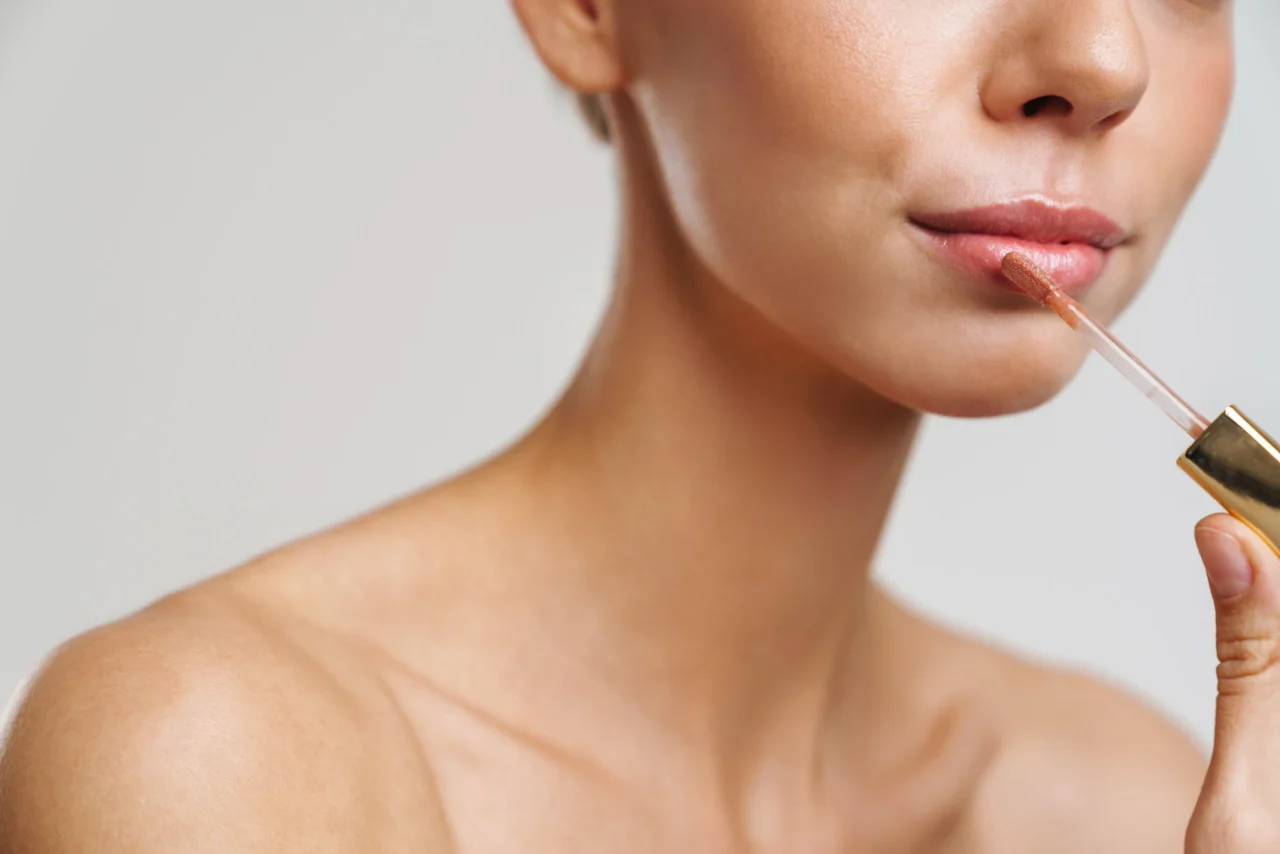
Envato Images
“It really depends on the formulation,” says Dr. Francisco-Pasion. “Hydrating, non-irritating plumpers can actually improve lip quality over time by supporting the barrier and maintaining moisture, so you may see smoother, healthier lips with consistent use. But with irritant-based plumpers, repeated exposure can do the opposite—chronic low-grade inflammation can lead to dryness, sensitivity, and even irritant contact dermatitis”
While these products are designed for short-term payoff, dermatologists caution against treating them like an all-day essential, especially if the formula relies on irritation to work. Used too frequently, these can compromise the lip barrier, leading to dehydration and increased sensitivity over time.
Even hydration-based lip plumpers aren’t entirely infallible. Ingredients like hyaluronic acidHyaluronic AcidA powerful humectant that can hold many times its weight in water, giving skin a plump, hydrated, bouncy look. Apply it to slightly damp skin and seal with moisturizer. ItGo to Hyaluronic Acid Glossary are often marketed as the gentler alternative. But according to Dr. Sy-Alvarado, “Any hyaluronic acid-based product, whether it’s for the lips or the skin, can end up with dehydration.” She recommends refraining from using hyaluronic acid-based lip plumpers in low-humidity environments like air-conditioned rooms or during winter.
How do I know if the sensation is still normal?
A mild tingling or slight redness can be expected—especially with irritant-based lip plumpers. But anything beyond that signals that your skin barrier is being pushed too far.
“Intense burning, itching, persistent redness, swelling that extends beyond the lips, or any peeling or blistering is no longer a normal response,” explains Dr. Francisco-Pasion. “That already suggests irritation—or even an allergic reaction. At that point, the product should be stopped immediately.”
For those with sensitive skin, the safer route is often choosing hydration-based plumpers instead of irritation-based ones, Dr. Sy-Alvarado recommends.
She also explained how you’ll know when you’ve gone overboard. “You will know that you’re probably overusing your lip plumper if it lasts for days and weeks, that red swollen feeling, and then it’s itchy or sometimes you get papules. Papules are bumps that can be red on the areas usually around the lip borders.”
So keep in mind, if your lips start to feel worse for days after using a plumper—it’s a clear sign to stop and consult a board-certified dermatologist.
For the love of gloss
Now I’m confident I’m not giving up my lip plumpers anytime soon—I just know how to use them better now, and pay attention to what my lips need. The gloss, the shine, I still love all of it. This time, though, it comes with a lot more knowledge and a lot less guesswork.
Frequently Asked Questions
Lip plumpers are topical products that create the appearance of fuller lips without adding true volume. They work either by triggering mild inflammation to temporarily increase blood flow and swelling, or by using hydrating ingredients like hyaluronic acid to smooth the lip surface and blur fine lines.
Common lip plumper ingredients include capsaicin, menthol, and ginger — which stimulate blood flow for a temporary plumping effect — as well as hyaluronic acid and glycerin for hydration. Some formulas also contain peptides, occlusives, and film formers to lock in moisture and create a high-shine finish.
No, lip plumpers and lip fillers are not the same. Lip plumpers sit on the skin’s surface and create temporary fullness through swelling or hydration, lasting only a few hours. Lip fillers use injected cross-linked hyaluronic acid to physically add volume and reshape the lips, with results lasting six to twelve months.
It depends on the formula. Hydration-based lip plumpers can be used more regularly and may improve lip quality over time. However, irritant-based formulas containing capsaicin or menthol should not be used daily, as repeated exposure can damage the lip barrier and cause dryness, sensitivity, or contact dermatitis.
Mild tingling or slight redness is a normal response to irritant-based lip plumpers. However, intense burning, persistent swelling beyond the lip border, itching, peeling, or blistering are signs of over-irritation or an allergic reaction. If these symptoms persist, the product should be stopped and a dermatologist consulted immediately.