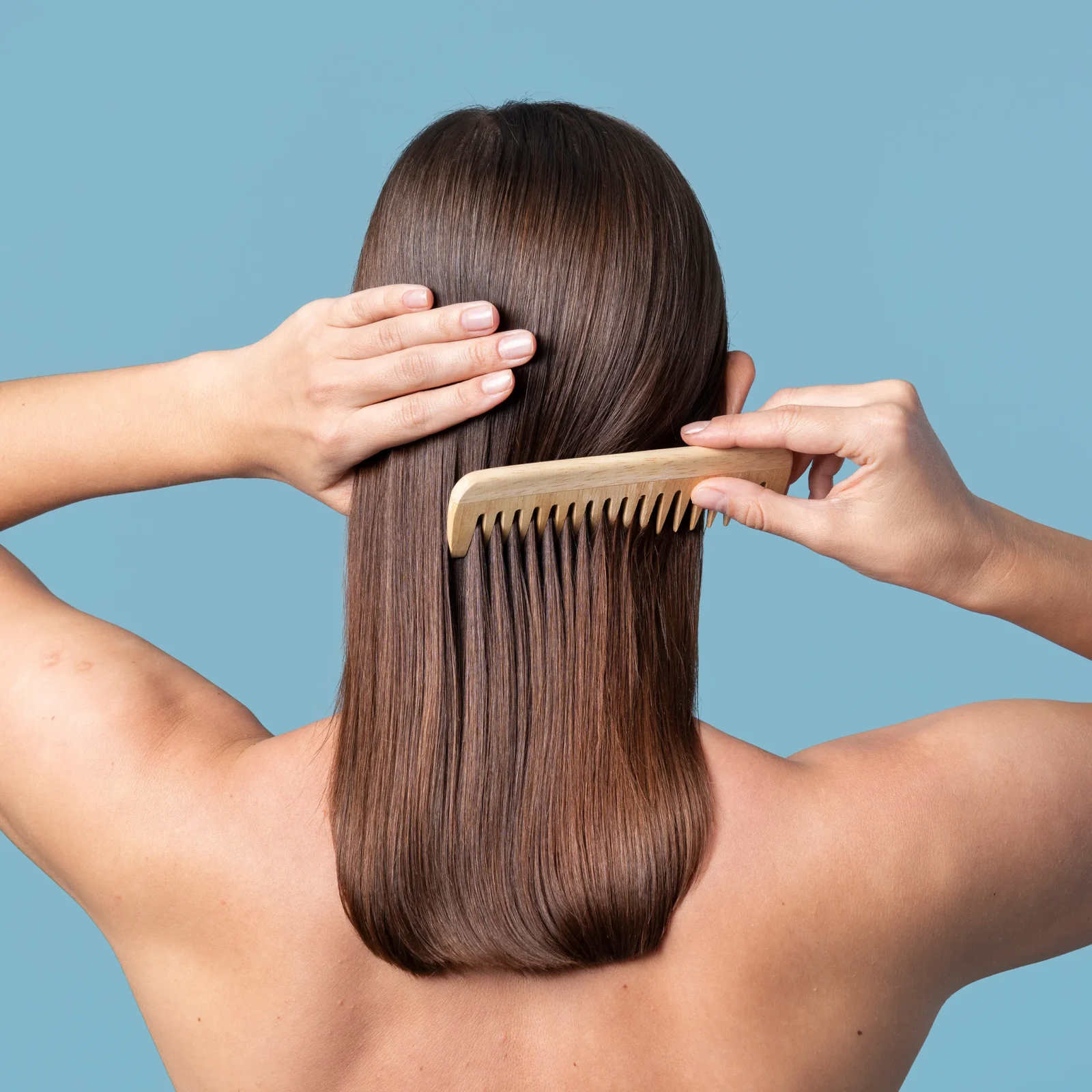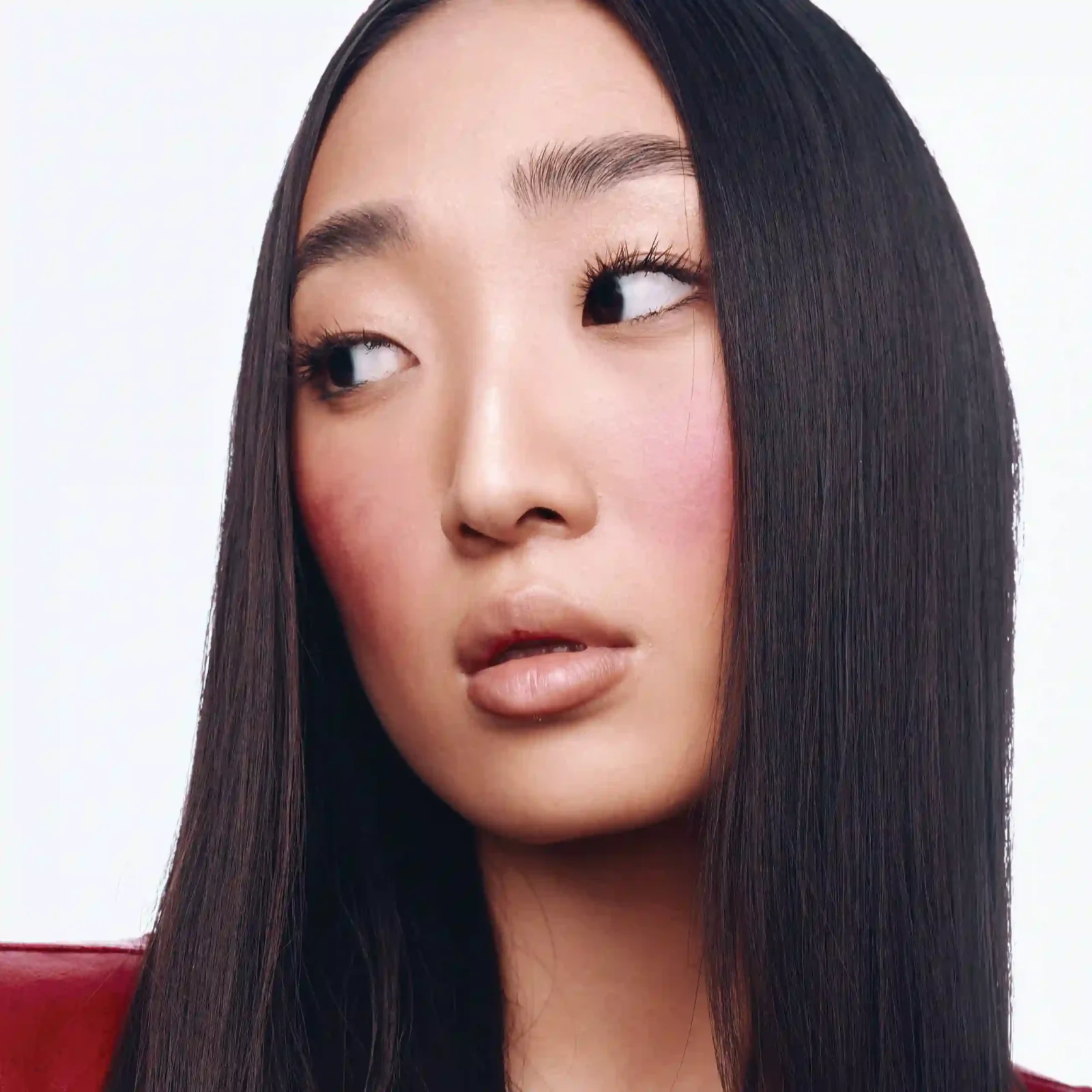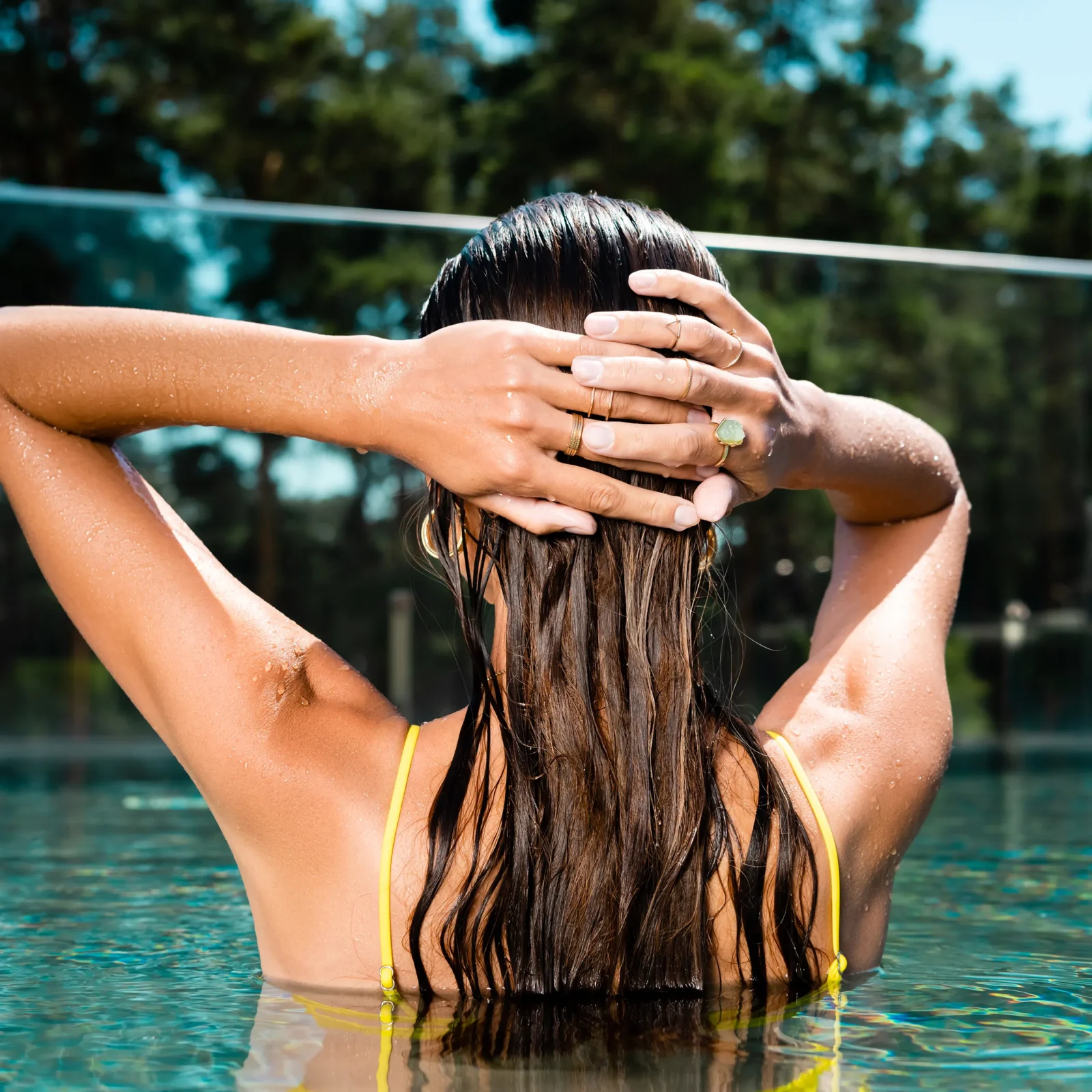


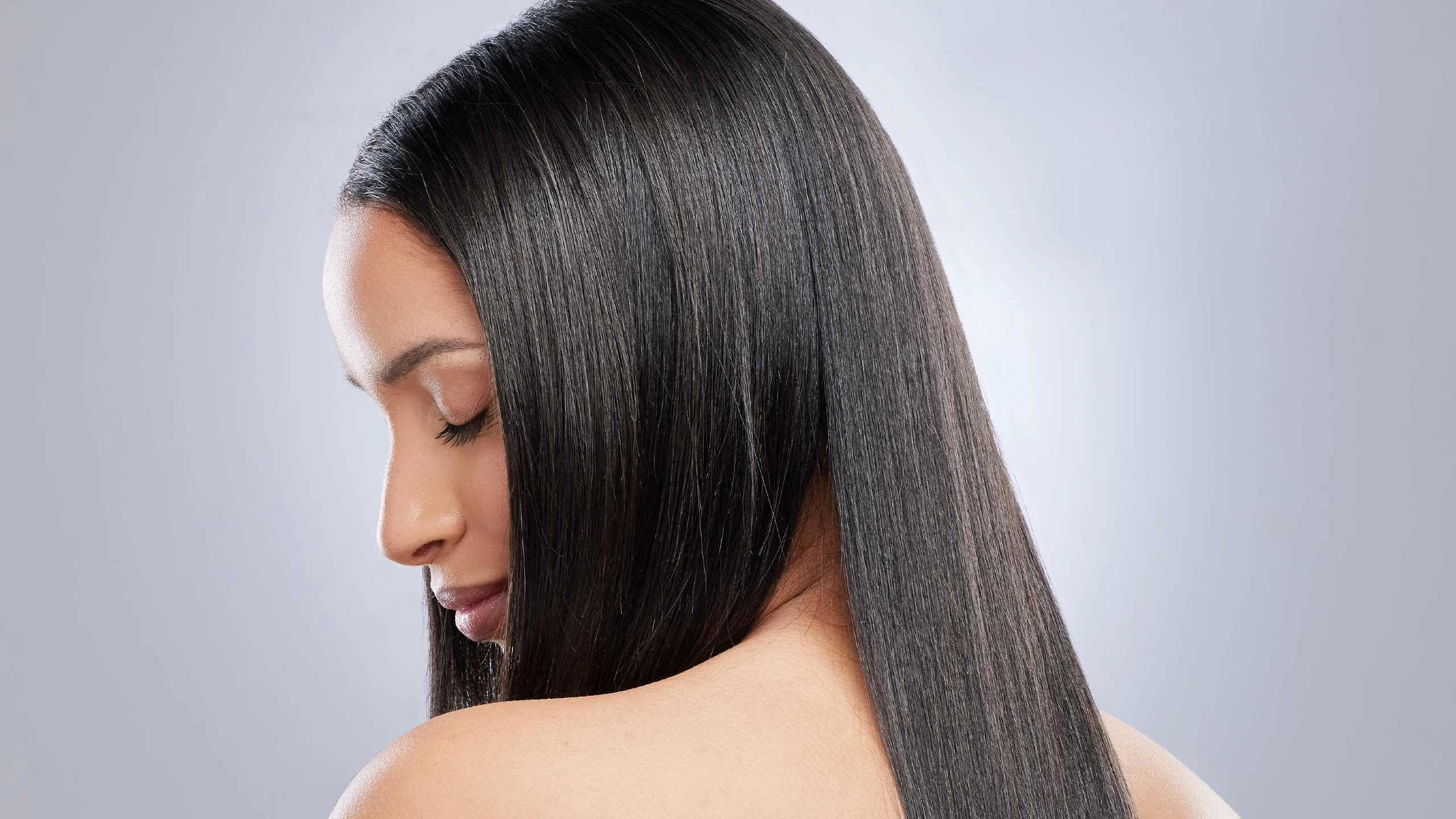
Gone are the days of elaborate coiffures and sky-high bouffants—today’s women are choosing a much sleeker look for their hair. It’s now all about polish, but with movement.
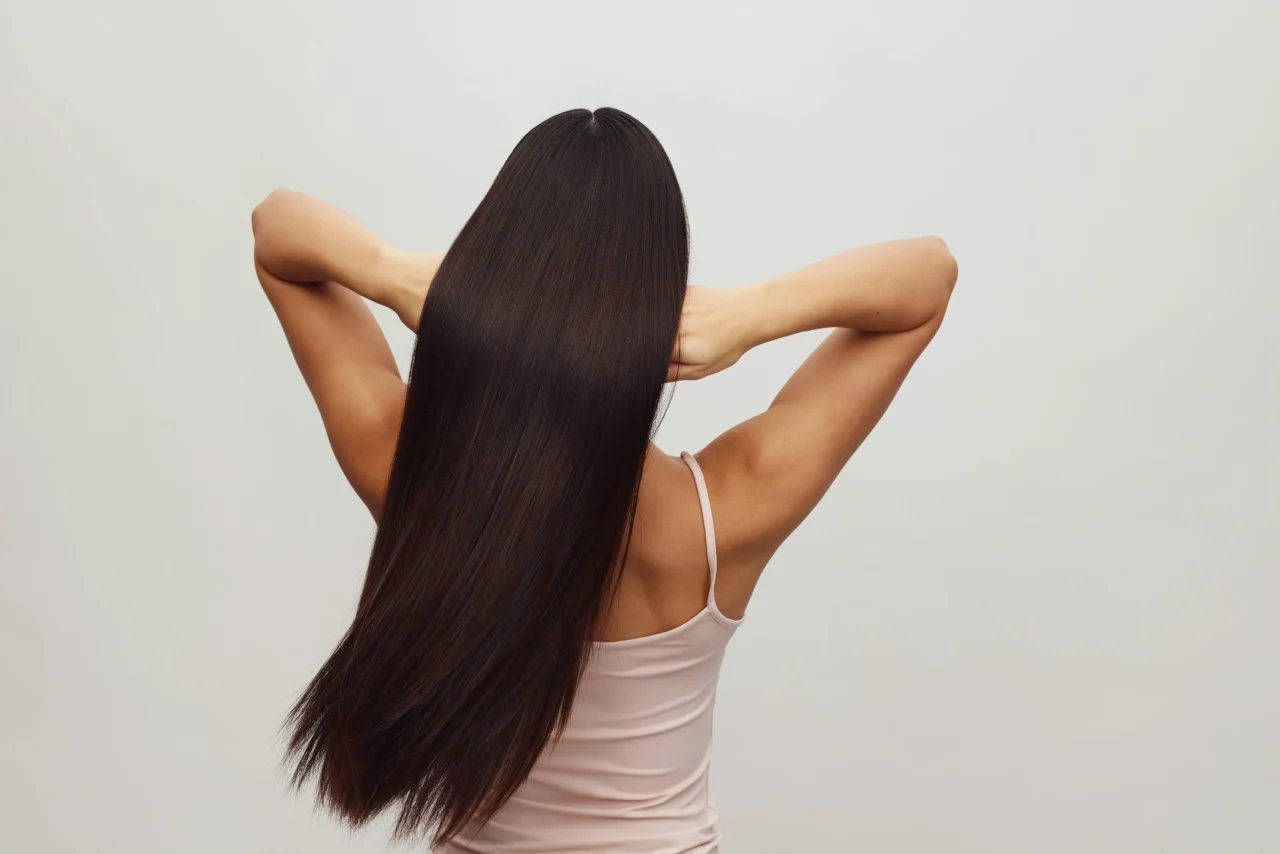
Enter glass hair, the trend du jour from Hollywood and Seoul, where hair is worn so smooth and reflective they practically catch the light. But as this high-shine trend takes over, the question is—can Filipinas realistically pull it off? Allure Philippines spoke with hair experts to break down the secret to achieving this glossy trend.
What is glass hair?
Veteran hairstylistHairstylistA beauty professional who specializes in cutting, coloring, styling, and caring for hair, combining technical expertise and creativity to enhance individual style, confidence, and self-expression.Go to Hairstylist Glossary and master franchisee of Toni & Guy Philippines, Cherry Reyes says, “Glass hair is really about that ultra-sleek, high-shine finish—hair that reflects light almost like a mirror.”
Professional hair and makeup artist Cats Del Rosario echoes this, saying “Glass hair is silky smooth, high shine that resembles the reflective surface of glass.” She adds, “Normally, we would expect super silky straight hair, but this style can still be achievable with wavy hair.”
However, Del Rosario notes that for very thick and curly hair, the style is much harder to achieve and may not last long. Even with proper preparation like blow-drying and straightening, applying products for shine or moisture can reactivate the hair’s natural texture and bring it back to its original state.
How to achieve glass hair
Del Rosario shares what needs to be done for those who want to achieve the glass hair look, “Hair serumSerumA lightweight, concentrated treatment applied after cleansing and before moisturizer to target specific concerns, such as dark spots, dehydration, or fine lines. Because serums are potent, introducing one at aGo to Serum Glossary treatments can help and can even be done at home. It’s best to go for reputable, tried-and-tested brands, as ingredients matter and can affect results.”
She also notes that hair serumSerumA lightweight, concentrated treatment applied after cleansing and before moisturizer to target specific concerns, such as dark spots, dehydration, or fine lines. Because serums are potent, introducing one at aGo to Serum Glossary treatments are not a one-use miracle product—they take time before visible benefits and results can be seen.
Here are the practical directions she shared on how to use hair serums: shampoo and rinse thoroughly, then squeeze out excess water. Apply the product generously from the mid-lengths to the ends, avoiding the scalp. Follow the label instructions, as some products need to be left on for five to ten minutes. Using a shower cap can help lock in moisture, then rinse thoroughly afterward. For damaged hair, this can be done twice a week, while normal hair can do it once a week.
Del Rosario also highlights the styling products that help achieve the look—water, serums, hair oils, shine sprays, shine coats, hair gels, and setting lotions all play a role in creating that sleek, reflective finish.
Reyes adds, “You can achieve glass hair with styling for a day or until your next shampoo. But if you want that real glass effect, it has to come from healthy hair. Regular hair treatments, protecting your color, and taking care of your hair long-term. Styling just enhances what’s already there.”
Ingredients of glass hair products
Reyes says, “Usually you’ll see smoothing and sealing ingredients—silicones for shine, keratin or proteins for strength, and lightweight oils.”
Del Rosario explains that there are also different types of products—some are “setting” products used before heat tools like blow dryers or flat irons, while others are “finishing” products applied after styling. “It’s really important to read the labels of each product. Knowledge is key.”
Is glass hair achievable for Filipinas?
Hairlust / Pexels
Yes, glass hair is achievable for Filipinas. “With the right hair texture, strands, thickness, and haircut, it can be achieved. It also requires proper preparation, including knowing whether to use hot tools like a blow dryer and flat iron, as well as the right hair products and styling techniques.” Del Rosario shares.
As we mentioned earlier, there is also a version of glass hair that is wavy and more relaxed—it doesn’t always have to be blunt straight.
If you’re new to trying out a glass hairstyle, she shares that it’s best to test it on a different day before your event, as it can be tricky to perfect. It should also suit your face shape and personal style.
Reyes also affirms that it can be achieved but says, “Humidity will always work against you. So it’s about choosing the right products, and not overloading the hair.”
The future of Filipino hair care
When asked what these experts are looking for in hair care products to achieve this gloss, both share that there is a need to prioritize hair health while keeping the Filipina in mind.
Reyes says, “Filipino hair is generally thicker and more prone to frizz, and our humidity is a factor. So it’s not just about shine—it’s about control.There should be focus on anti-frizz and humidity resistance, while still keeping the hair light and with movement.”
Del Rosario adds that there is a need for local brands to have a variety of products in the hair line, “because one product can be used in so many different ways. It’s a matter of understanding how it works, performs, and how to use it.” She adds that while trends come and go, products that perform well across different uses are worth trying and testing.
Love your hair
With new hair trends dropping with every season—or sometimes, with every swipe—the glass hair look is one of the styles Filipinas can absolutely try to pull off. It all comes down to the right products, techniques and tools. But after all that shine and smoothing, it’s worth remembering that glass hair is still just a trend, a styling choice—a moment. What truly lasts is healthy hair, reflecting not just light, but the fact that it is nourished and loved.
Frequently Asked Questions
Glass hair refers to an ultra-sleek, high-shine finish where hair reflects light almost like a mirror. Unlike standard straight hair, the defining quality is the reflective surface — achieved through specific smoothing products, heat styling, and treatments — rather than straightness alone. According to professional hair artist Cats Del Rosario, a relaxed wavy version of glass hair is also achievable, meaning the style is not exclusively limited to blunt, pin-straight results.
Yes, with the right preparation, products, and technique — though results vary by hair type. Filipino hair is generally thicker and more prone to frizz, according to veteran hairstylist Cherry Reyes of Toni & Guy Philippines. For fine to medium textures, glass hair is achievable with blow-drying, flat-ironing, and the right serum or shine products. For very thick or curly hair, the style is harder to maintain, as moisturizing products can reactivate natural texture over time.
Humidity is the primary environmental challenge for achieving glass hair in the Philippines. Cherry Reyes advises choosing anti-frizz and humidity-resistant products specifically, and warns against overloading the hair with product, which can weigh it down and reduce movement. The key is selecting lightweight formulas that seal the hair shaft against moisture without compromising the natural weight and flow of Filipino hair.
According to Cherry Reyes, effective glass hair products typically contain smoothing and sealing ingredients: silicones for surface shine, keratin or proteins for structural strength, and lightweight oils for moisture and frizz control. Cats Del Rosario distinguishes between setting products — applied before heat tools — and finishing products applied after styling, and advises reading product labels carefully, as application timing and method significantly affect results.
For damaged hair, Cats Del Rosario recommends using hair serum treatments twice a week; for normal hair, once a week is sufficient. Application should focus on the mid-lengths to ends, avoiding the scalp. Some treatments require five to ten minutes of contact time, and using a shower cap can improve moisture absorption. Del Rosario notes that serum treatments are not instant-result products — consistent use over time is necessary before visible improvements in shine and smoothness appear.