


Somewhere between all the skin care products you’ve tried in search of the perfect one, you’ve probably read the phrase “repairs your skin’s barrier” more times than you can count. At this point, you may have stopped asking what it actually means—and we can’t blame you, because same here.
Walk down any skin care aisle in Metro Manila, and you’ll see barrier-repair claims everywhere: on cleansers, toners, exfoliators, and moisturizers. Social media offers pretty much the same, with routines designed to “heal” stressed or compromised skin. But barrier repairBarrier RepairThe process of restoring the skin's protective outer layer when it is dry, stinging, or easily irritated. Ceramides, fatty acids, and cholesterol rebuild the barrier, while pausing harsh actives givesGo to Barrier Repair Glossary isn’t a universal solution. It’s most helpful when your skin barrier is actually disrupted.
That leads to a more useful—and often overlooked—question: Does everyone need to repair their skin barrier?
The skin barrier and microbiome, explained
Before diving into who needs to pay close attention to their skin barriers, let’s first talk about what it is—and the things we do that can disrupt it.
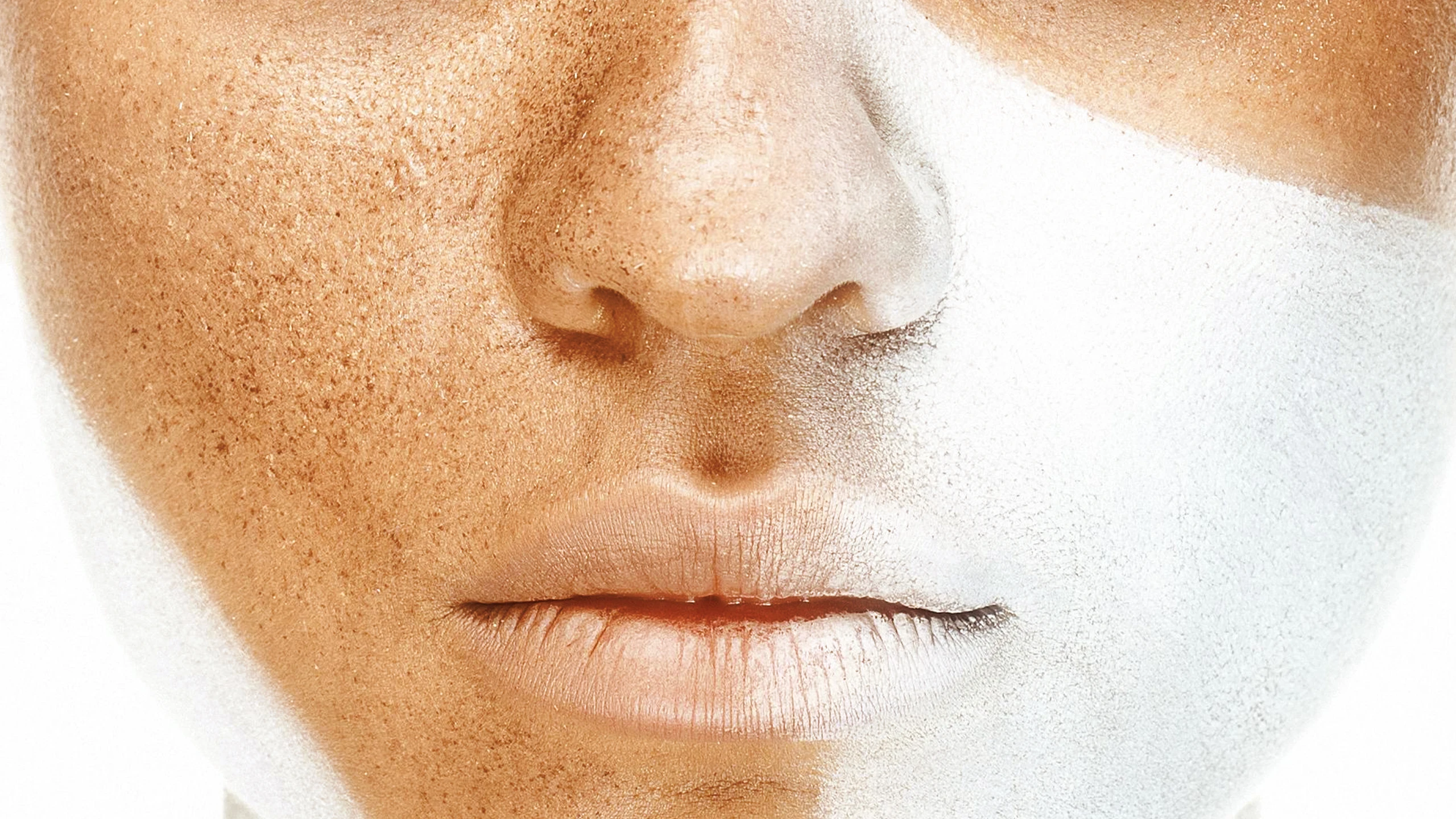
The skin barrier, or stratum corneum, is the outermost layer of the skin. Think of it as your body’s first line of defense: it helps lock in moisture while limiting the entry of irritants, allergens, and harmful environmental stressors such as UV rays and pollution.
If your skin feels prickly, rough, and irritated, it may be a sign that your skin barrier is compromised. These symptoms are common, and often, more than one factor is involved.
In a previous article with Allure Philippines, board-certified dermatologist Bea Chan-Benavidez, MD, DPDS, mentioned that numerous factors can agitate the skin barrier. “The intense heat, humidity, and pollution severely dehydrate our skin. To compensate, the skin overproduces oil, which traps many Filipinos in a cycle of overcleansing, harsh scrubbing, and overusing strong actives.”

Pexels
The skin barrier doesn’t work alone. Supporting it is the skin microbiome: a community of microorganisms, including bacteria, fungi, viruses, and mites, that naturally live on the skin. This ecosystem plays an important role in supporting the skin’s defenses and maintaining balance.
At the Allure Beauty Congress held in November 2025, board-certified dermatologist Coreen Copuyoc, MD, FPDS, described the microbiome as the skin’s ‘built-in supporting cast.’ “They help with mitigating inflammation, hydration, and protecting the skin,” she shared.
Knowing this, the skin microbiome essentially acts as a living shield that keeps the skin barrier strong, balanced, and protected.
Who actually needs barrier repair?
To set things straight, everyone can benefit from a skin care routine that supports a healthy skin barrier. But barrier repairBarrier RepairThe process of restoring the skin's protective outer layer when it is dry, stinging, or easily irritated. Ceramides, fatty acids, and cholesterol rebuild the barrier, while pausing harsh actives givesGo to Barrier Repair Glossary is especially important for those whose skin is already showing signs of disruption—persistent dryness, stinging, flaking, redness, or increased sensitivity.
In particular, people with dry, sensitive, eczema-prone, or increasingly reactive skin may need more consistent barrier support. Still, “sensitive skinSensitive SkinSkin that reacts easily to products, weather, or stress with redness, stinging, itching, or tightness. Fragrance-free formulas, a short routine, and soothing ingredients like panthenol and centella asiatica help, andGo to Sensitive Skin Glossary” is a broad term. It can describe skin sensitivity syndrome, but it can also be used to describe reactions caused by an unsuitable skin care routine or irritations.
In an interview with Allure Philippines, world-renowned board-certified dermatologist, dermapathologist, and photodermatologist Vermen Verallo-Rowell, MD, FPDS, FDPS-PDS, FAAD, FASDP, HIM-ADA, differentiated sensitive skin from sensitivity of the skin.
Sensitive skin, according to Dr. Verallo-Rowell, is skin that is inherently more reactive because of its underlying biology, while skin sensitivity is a temporary irritation triggered by factors such as harsh products, over-exfoliation, environmental stressors, or inflammation. This distinction matters because treating temporary sensitivity isn’t always the same as managing naturally sensitive skin, and identifying the source of irritation is the first step in choosing the right kind of barrier support suited for your skin’s needs.
Keeping it simple
With all this information in mind, how do we start caring for our skin barrier? The experts from this Allure US article have one consistent message: keep it simple.
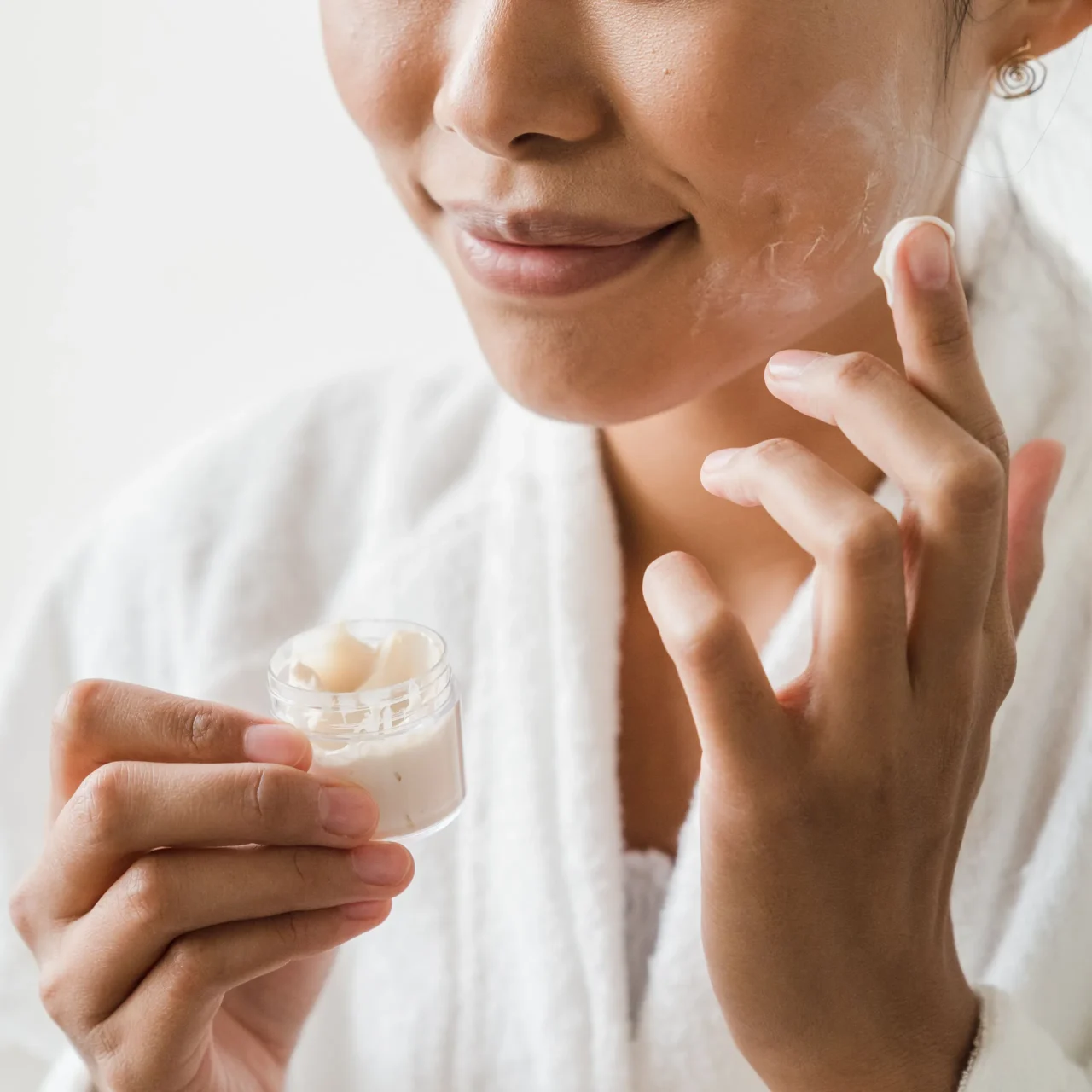
“I always say less is more and keep it simple,” said Jess Bowers, a New York-based facialist. “Cleanse, tone, moisturize. As long as you’re doing these three steps, your skin barrier should be intact.”
Pexels
Manila-based board-certified dermatologist Francesca Sy-Alvarado, MD, likewise cautions against over-exfoliationExfoliationThe removal of dead skin cells from the surface to reveal smoother, brighter skin. It can be chemical, using acids or enzymes, or physical, using scrubs or tools. Overdoing itGo to Exfoliation Glossary, as it disrupts the skin barrier. “[A habit] I discourage is over-exfoliation with either chemical exfoliants or physical scrubs that mess with the skin barrier,” she said in a previous Allure Philippines interview.
When choosing products, it can help to look out for barrier-supporting ingredients such as ceramides, hyaluron, amino acids, and niacinamideNiacinamideA form of vitamin B3 that helps regulate oil, minimize the look of pores, strengthen the skin barrier, and fade dark spots. It is well tolerated and pairs easily withGo to Niacinamide Glossary. In a previous Allure Philippines interview, Dr. Bea Chan-Benavidez also identified vitamin E-resorcinol as an ingredient that supports hydration and protects skin from harmful stressors.
When barrier repair is actually necessary
The truth is, barrier repairBarrier RepairThe process of restoring the skin's protective outer layer when it is dry, stinging, or easily irritated. Ceramides, fatty acids, and cholesterol rebuild the barrier, while pausing harsh actives givesGo to Barrier Repair Glossary isn’t another step everyone needs to add to their routine; it’s a response to skin that’s asking for help. For many people, that means doing less—not more.
Skin care is incredibly personal, and barrier repairBarrier RepairThe process of restoring the skin's protective outer layer when it is dry, stinging, or easily irritated. Ceramides, fatty acids, and cholesterol rebuild the barrier, while pausing harsh actives givesGo to Barrier Repair Glossary is no exception. It’s not about chasing another skin care trend or filling your shelf with more products. It’s more about paying attention to what your skin needs—and knowing when to cut back.
A simple and consistent routine, such as using a gentle cleanser, a moisturizer that supports the skin barrier, and consistent sun protection, may be all your skin needs to stay healthy.
But when symptoms persist, worsen, or become painful—such as dryness, redness, stinging, or irritation that lingers despite simplifying your routine—our suggestion is simple: check in with a board-certified dermatologist. The goal isn’t to chase another skin trend—it’s to understand what your skin is actually saying, and what it needs.
Frequently Asked Questions
Not necessarily. Board-certified dermatologists note everyone benefits from a routine that supports the skin barrier, but repair itself matters most for skin already showing signs of disruption — persistent dryness, stinging, flaking, redness, or heightened sensitivity — rather than as a universal daily step.
Dermatologist Vermen Verallo-Rowell explains sensitive skin is inherently reactive due to underlying biology, while skin sensitivity is temporary irritation triggered by harsh products, over-exfoliation, or environmental stressors. Identifying which one you have determines the right kind of barrier support your skin actually needs.
Dermatologists point to ceramides, hyaluronic acid, amino acids, and niacinamide as key barrier-supporting ingredients, with vitamin E-resorcinol also cited for hydration and stress protection. A simple cleanse-tone-moisturize routine built around these ingredients is often enough to keep the barrier intact.
Dermatologist Bea Chan-Benavidez explains that intense heat, humidity, and pollution dehydrate skin, prompting it to overproduce oil. This often traps people in a cycle of overcleansing, harsh scrubbing, and overusing strong actives — all of which further weaken the skin barrier over time.
See a board-certified dermatologist if symptoms like dryness, redness, stinging, or irritation persist, worsen, or become painful despite simplifying your routine. Ongoing symptoms may signal a compromised barrier or microbiome imbalance that needs professional evaluation rather than more skin care products.