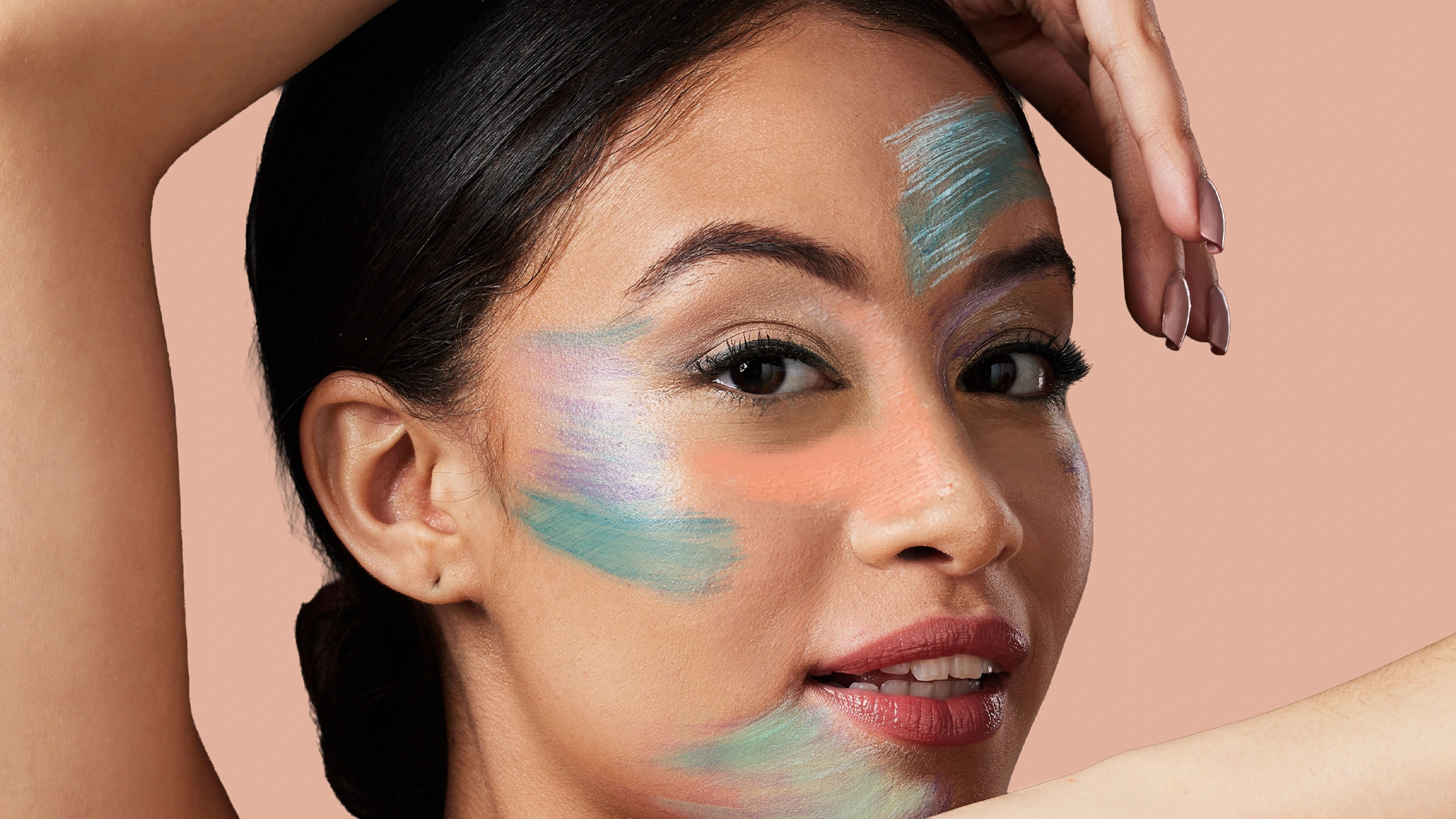
Every morena knows the drill. You apply concealer to cover your dark circles, and come lunch time, it looks ashy. At some point, you try reaching for a shade lighter, thinking brightness is the answer, but somehow end up looking dusty instead, with the Manila weather leaving its tracks by 3 p.m.
I’ve been through that same problem since I started wearing makeup at 16. It took me years to realize I was skipping a step: color correction.
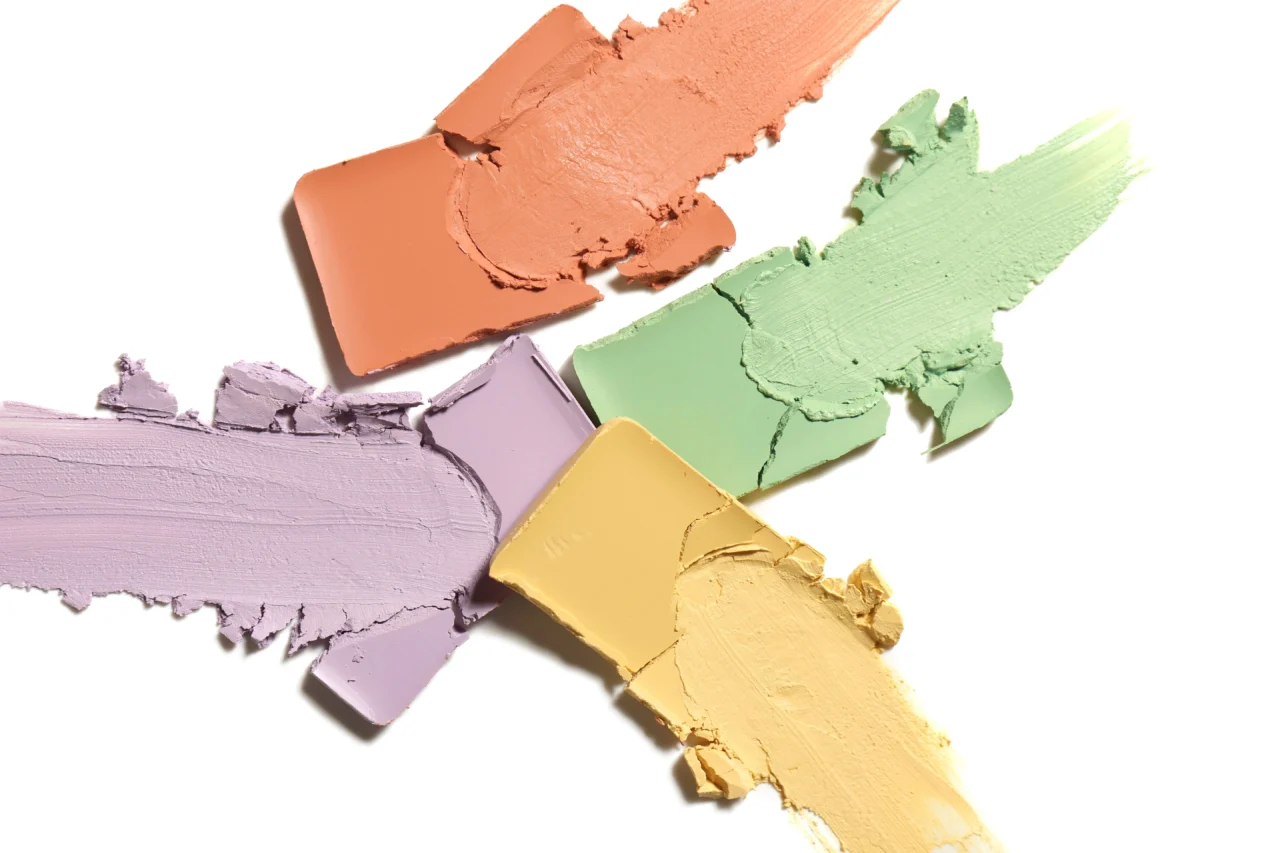
As Bobbi Brown global artist-in-residence Mali Thomas explained in an article by Allure US, “Color corrector is used to neutralize deep pigmentation.” Unlike concealer, which matches your skin tone, color correctors neutralize discoloration itself. Each shade (peach, orange, red, green, purple) cancels out its opposite on the color wheel.
Envato Images
But how does that actually work for deeper Filipino skin tones? Allure Philippines reached out to two Filipino celebrity makeup artists—Booya Mocorro and Jigs Mayuga—to walk us through color correcting 101 for morena skinMorena SkinA celebration of natural brown Filipina skin tones, central to Allure Philippines' Morena Manual. Morena skin has distinct needs, including protection from hyperpigmentation, foundation shades that match its undertones, andGo to Morena Skin Glossary.
Pick up a pen and paper, because class is now in session.
The biggest misconception about color correcting for morena skin
Color correcting in the Philippine beauty landscape has long been marketed with lighter complexions in mind. Walk down any beauty aisle, and a lot of the pastel peaches and pinks that promise to cover dark circles are designed for fairer skin. On deeper Filipino skin tones, however, they tend to sit chalky and gray.
Mocorro and Mayuga both see it often. “The biggest misconception is that any peach color corrector will work for you,” Mocorro tells Allure Philippines. “However, there are different shades and undertones of peach color correctors.”
Mayuga breaks it down with a little color theory. “You’re supposed to color correct by applying a color that’s opposite the discoloration on the color wheel. So, if it’s blue, it’s orange, right? Some women tend to veer towards peach correctors because that’s what they usually see online.”
The right color corrector shades for morena skin
Not sure which shade is yours? Mocorro breaks it down by depth. “If you are a tan to deep morena, it’s more of a deep peach or more on the terracotta side. And if you’re on the lighter side, of course lighter peaches work for you,” she says.
Meanwhile, Mayuga recommends using a color between peach and orange for morena skin. “Because if it’s a color that’s too light, then it’s not going to be able to correct either the blue or the purple tones on your skin,” he says.
Red can work on deeper morena skinMorena SkinA celebration of natural brown Filipina skin tones, central to Allure Philippines' Morena Manual. Morena skin has distinct needs, including protection from hyperpigmentation, foundation shades that match its undertones, andGo to Morena Skin Glossary tones too, Mocorro says, but adds that a red-orange shade works best. “Because if it’s just purely red underneath and you put your concealer on top, then the red is going to peek through,” she explains.
For cooler undertones, Mayuga suggests adding yellow pigments to your corrector. “If it’s a skin-toned blue with a cooler undertoneUndertoneThe subtle cool, warm, or neutral hue beneath the skin's surface that stays the same regardless of tan or season. Knowing your undertone is the key to finding foundations, concealers,Go to Undertone Glossary, the discoloration tends to be a little bit more on the purplish side,” he explains. “So, I would add a little bit more yellow, because purple is opposite yellow on the color wheel.”
Courtesy of MAC Cosmetics.
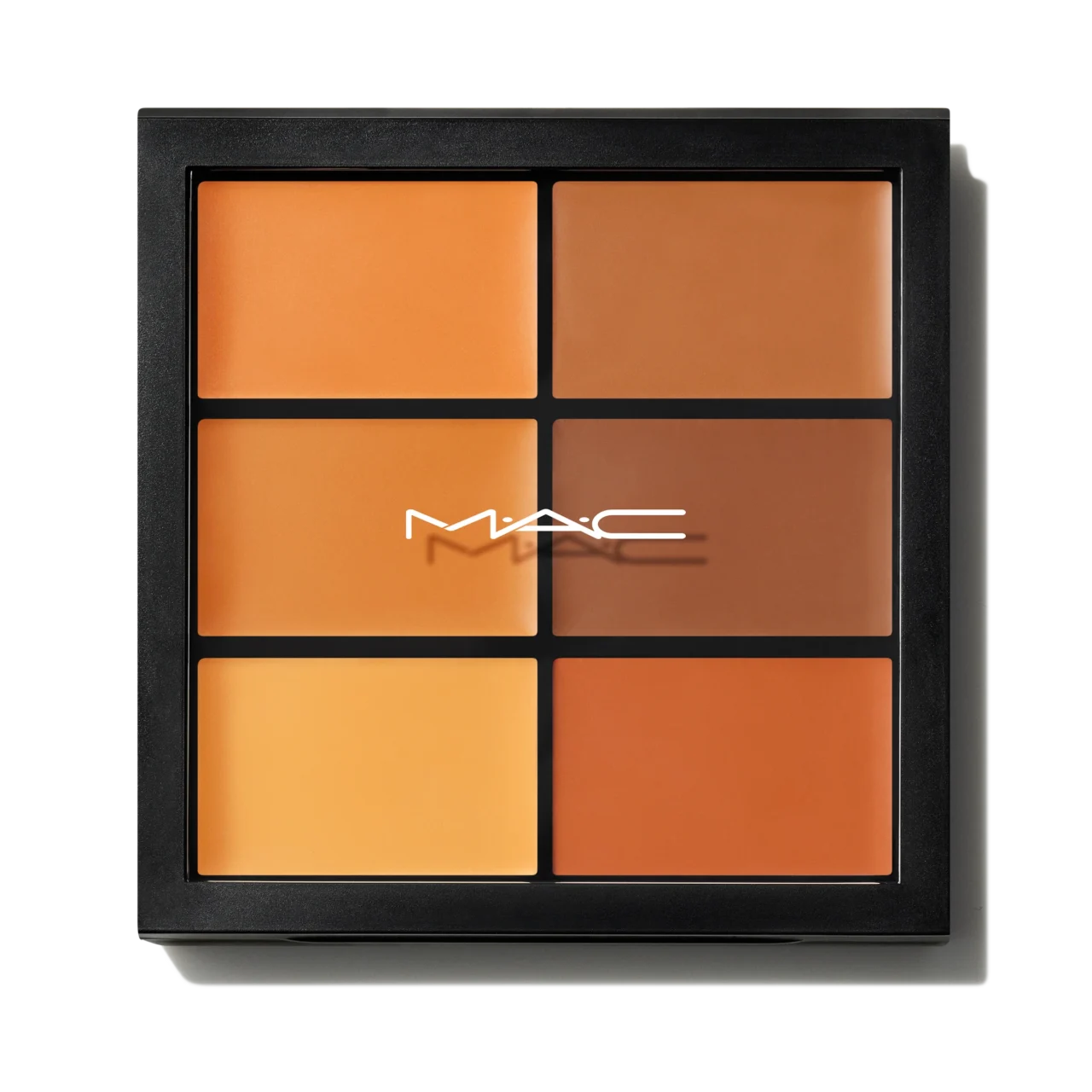
Mayuga personally uses the MAC Studio Fix Conceal and Correct Palette in his makeup kit, which offers shades for all kinds of skin tones. “If you’re in the medium or in the deep category, then the correctors are more of anywhere between the peach or the orange or even the deeper bronze correctors. Anything that’s warmer to correct the bluish tones,” he shares.
How much color corrector is too much?
You need less than you’d think. A heavy hand is the fastest way to end up with orange patches under your eyes. “If you apply too much, then you’ll see that the undereye area is more orange than blue or purple,” explains Mayuga.
Mocorro puts it simply, “The purpose of it [color corrector] is to balance. So if it shows, it’s not balanced.”
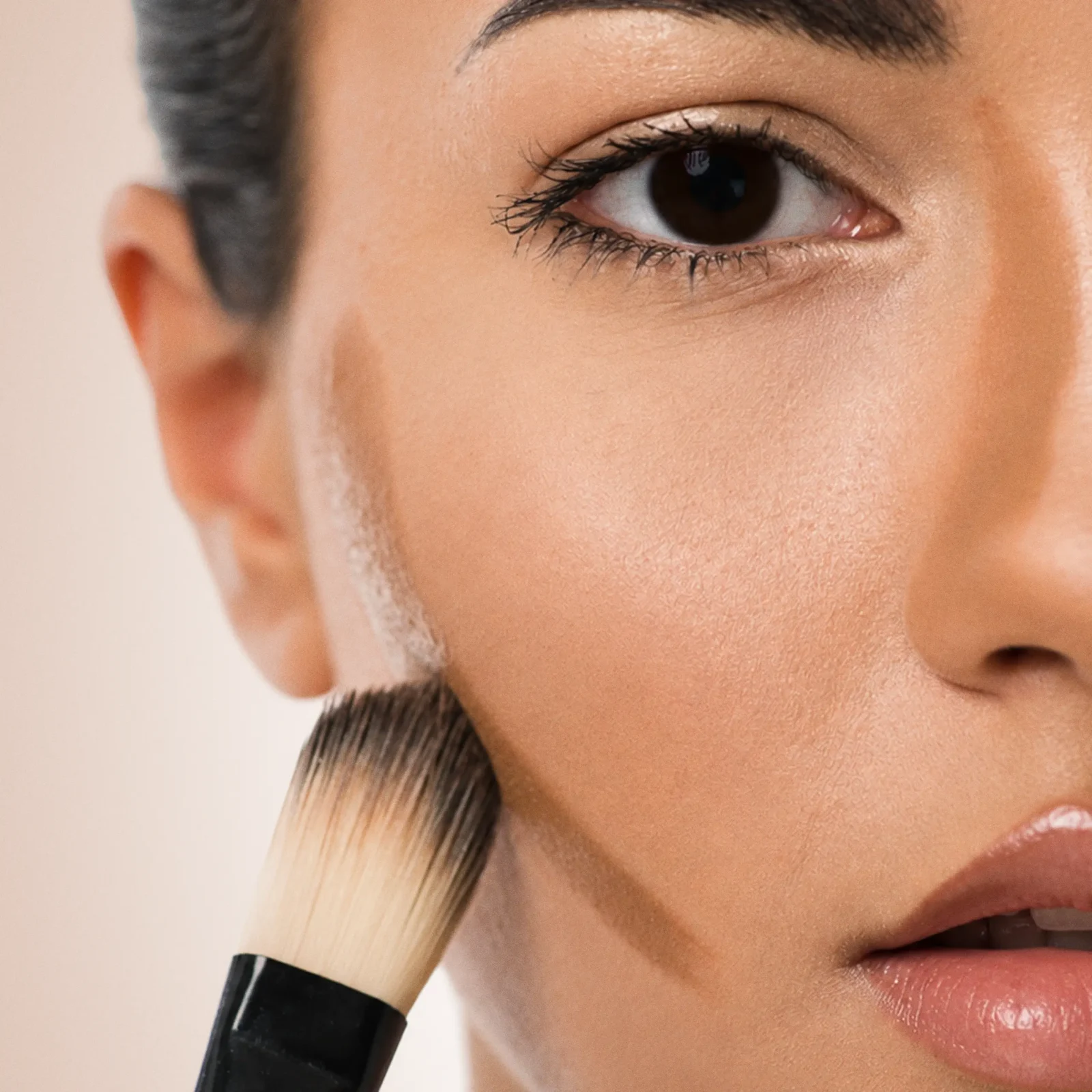
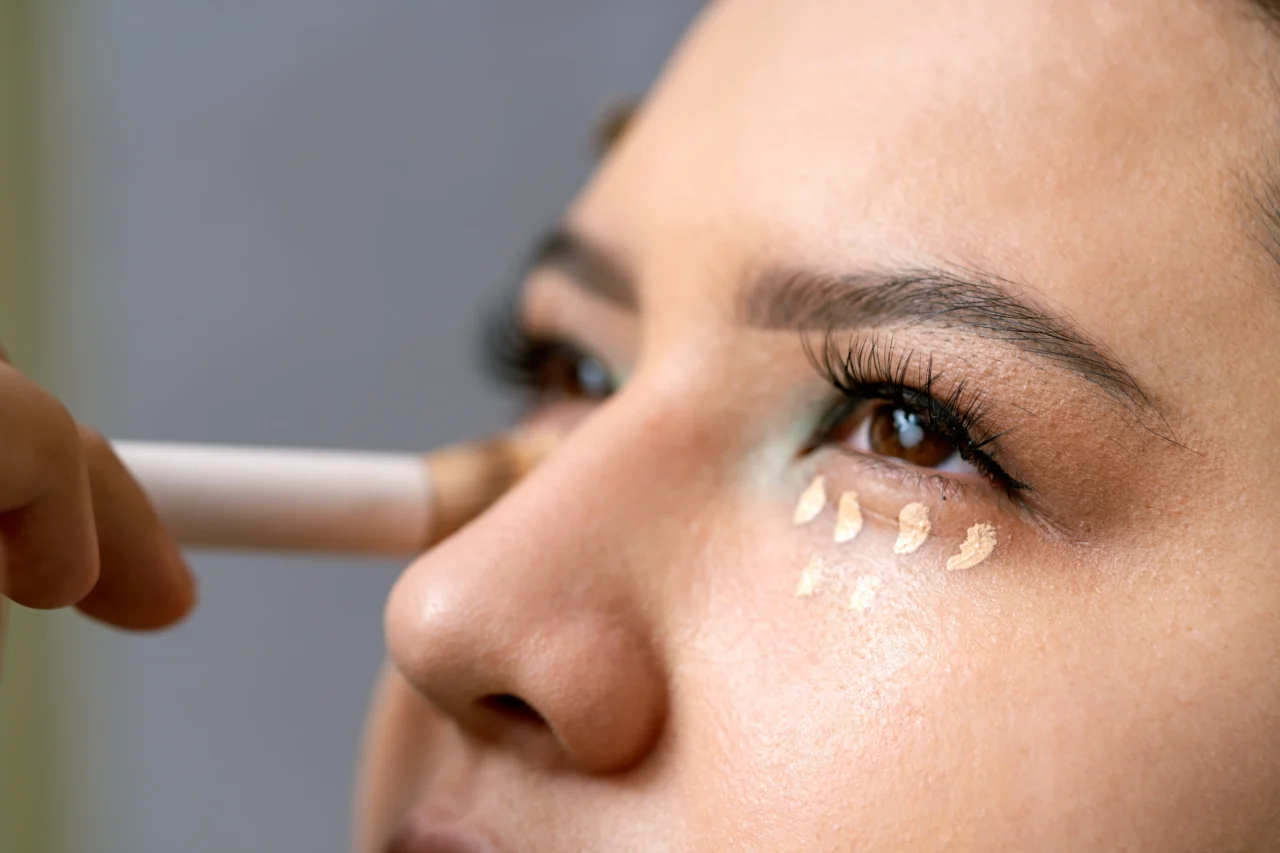
The fix is to build it up in thin layers, especially for the undereye area, where product can sit in the micro-creases if not applied right. You can use either your fingertip for a more natural finish, or a small brush or blender (whichever you prefer) that fits the undereye area. To keep everything from budging or creasing, pat a bit of powder on top to finish.
Lighter shade of concealer: Yes or no?
Makeup artists are split on this one. Some reach for a lighter concealer after color correcting to brighten the undereye area, while others stick with the same shade as their foundation. Mocorro and Mayuga land on different sides.
Mayuga sees the lighter concealer habit as a remnant from the time when color correcting wasn’t a standard step. “People would compensate for color correction by applying a lighter shade of concealer,” he shares. He adds that if you’ve already neutralized the discoloration, your concealer should match your foundation. The exception is when you want to brighten the undereye area on purpose, though he personally prefers to stick to the exact foundation shade.
Mocorro, meanwhile, is a fan of using lighter shades to brighten. She says that morenas can definitely use it to highlight the face. “That’s perfectly fine. Just be careful with it,” she says.
Envato Images
How to keep your color corrector and concealer from looking ashy
When done right, your color corrector and concealer shouldn’t turn gray. But even pros see it happen. For stubborn pigmentation, Mayuga looks to advice from drag queens.
“If you watch RuPaul’s Drag Race, they apply a lot of orange on their beard, right? Because it has a bluish or purplish undertoneUndertoneThe subtle cool, warm, or neutral hue beneath the skin's surface that stays the same regardless of tan or season. Knowing your undertone is the key to finding foundations, concealers,Go to Undertone Glossary. It’s the same thing,” he shares.
For example, when a client comes in with pigmentation like a birthmark, he goes all in on the corrector, then matches its intensity with a richer base, like a cream or stick foundation. The trick, he says, is keeping it in the same area.
“If it’s a small area, I don’t apply the cream foundation all over the face. I apply it on just that area,” he says. “Then on the rest of the face, I use the exact same shade but in a different texture, so that the rest of the face still looks like skin.”
Darkness around the mouth also gets its own routine. “I like to make sure I kind of go over the actual lip. Because sometimes, if it’s just here on the outside, sometimes there’s a gap, a space, that doesn’t color correct. So I just cover it, even the lips,” Mocorro shares.
Meanwhile, Mayuga corrects first using either orange or green, depending on the discoloration, then evens out the skin with foundation. “If it’s darkness around the mouth, I would go in with the foundation that you used for your face to even out the lip color,” he says. “And then I would go in with lipstick.”
If you love deeper lip colors, Mayuga says you can skip ahead and go straight with that lip color without color correcting.
Is color correcting necessary for everyday makeup?
Color correcting seems like an unskippable step to a clean and seamless base. But both makeup artists say you can skip it for everyday makeup, unless there’s something you want to cover.
Mocorro’s rule of thumb is to consider the occasion. “I think it’s important if you have an event to go to and you know that you’ll be photographed,” she says.
Mayuga’s is about severity. “If you have very severe pigmentation and you’re conscious about it and want to cover it up, then it’s a necessary step.” In cases like this, concealer alone can’t do the job. “Most women who have severe under-eye pigmentation go heavy on the concealer, but then underneath it, you can see, like, a gray undertone underneath it. There’s a shadow.”
The one rule for choosing a color corrector for morena skin
Should you choose to color correct, both makeup artists agree that you need a corrector made for your depth.
“As long as it matches the shade of the morena—it has to be deep as well,” Mocorro says.
Mayuga’s advice comes with a reality check on the local market. “Find a color corrector that’s perfect for slightly deeper skin tones. Most of the color correctors in the market are formulated for fairer skin tones, unfortunately.”
So morenas, take note: if your concealer turns dusty or ashy come lunchtime, chances are the shadow underneath just needed the perfect shade of corrector first.
Frequently Asked Questions
Deep peach, terracotta, or red-orange shades work best for morena skin, say Filipino makeup artists Booya Mocorro and Jigs Mayuga. Cooler undertones may need added yellow, since yellow neutralizes purple discoloration on the color wheel.
Most color correctors are formulated for fairer skin, so pastel peaches sit chalky on deeper complexions. Makeup artists recommend deeper peach or terracotta shades applied in thin layers, then set with powder to prevent ashiness.
Makeup artists are split. Once discoloration is neutralized, concealer should generally match your foundation shade—though a lighter shade can still be used deliberately to brighten the under-eye, if blended carefully.
Less than you’d think. Building color corrector in thin, buildable layers—especially around the under-eye’s micro-creases—prevents orange or peach tones from showing through your concealer, no matter the shade used.
Not always. Makeup artists say it matters most for events, photography, or severe pigmentation like dark circles or birthmarks. For everyday makeup with minimal discoloration, concealer alone is usually enough.