


Putting on makeup has always been fun for me (therapeutic even). There’s an unexplainable thrill in dabbing powder on the nose, tapping some holographic shimmer on the eyelids, or swiping on a juicy, lip-plumping gloss before heading out the door. As I take one more look in the mirror, I am confident my base is smooth, softly matte, and ready for the day’s affairs. But just like the clock striking 12 on poor Cinderella, as soon as I step out the door, my T-zone turns shiny, my makeup looks patchy and uneven, or worse, completely gone as the day goes by.
To understand why this happens and what to do about it, Allure Philippines went straight to the experts. Filipino professional makeup artists Kenric Carpio and Ida Siasoco share their pro insights and techniques on how to keep makeup looking fresh, even in the country’s hot and humid climate.
Makeup looks different under indoor and outdoor lighting
Consider lighting first when thinking why your makeup drastically shifts. Carpio relates to the experience of makeup looking different once you step outside. “Indoor and outdoor lighting can make makeup look very different. Under the Philippine heat and humidity, our skin also produces more sweat and oil, which can affect how makeup sits on the skin,” he explains. “So even if your makeup looks flawless indoors, it might look different once you step outside.”
Siasoco agrees that lighting is a huge factor. “When you do your makeup in indoor lighting, it could be very well-lit, quite forgiving. It could be under cool lighting. While natural daylight shows more texture, more pores, it has a warmer light,” she says.
Sweating can make your foundation turn patchy
Both makeup artists share how heat is a factor as to why makeup turns patchy outdoors. Being indoors often means being in an air conditioned environment, and being outside in the Manila heat, according to Siasoco, means dealing with heat and sweating. “And this can cause your makeup to kind of move around and not really be still,” she says.
Carpio adds, “When we’re indoors, our makeup tends to stay in place longer, but once we go outside, the heat and humidity causes us to sweat more and produce excess oil, which can make our makeup separate or become patchy.”
But before tossing away a foundation that seems to crack under the heat, Siasoco says not to make them the scapegoat. “Sometimes it’s not even the foundation itself. Sometimes it’s your environment.” She shares other factors, including adding too many layers, and ending with a thick base. “You could also accidentally move your makeup around [through] friction from wiping your sweat when it gets too hot.”
Your skin prep matters
Envato Images
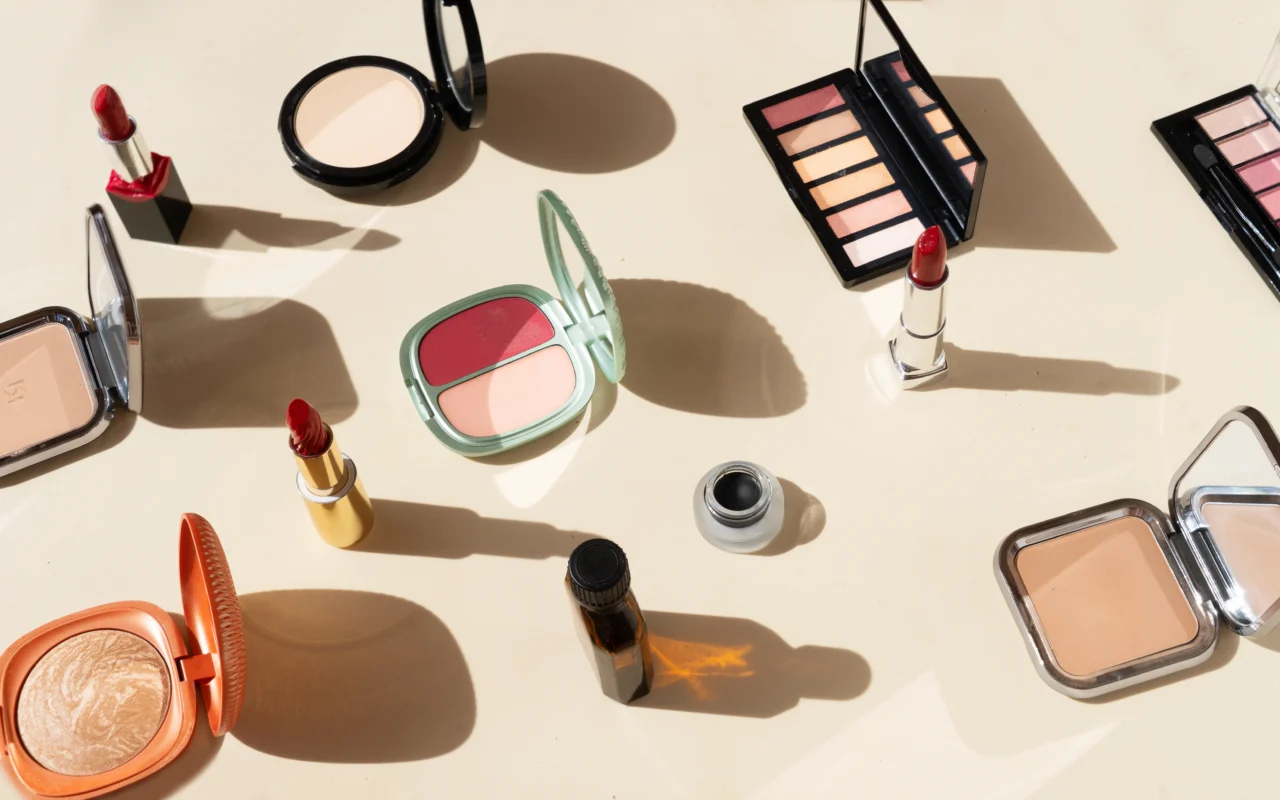
Preparing a long-wearing base begins before foundation touches your skin. Carpio emphasizes skin prep. “As a makeup artist, I always consider our weather when choosing products and prepping the skin. Because let’s be honest, here in the Philippines, the real challenge isn’t just doing the makeup, it’s making sure it survives the init!”
Siasoco shares how to do skin prep that can withstand humidity and heat. “Let your skin care and sunscreen settle. Let each step dry a little or a bit tacky so that these makeup products would adhere to each other, and apply in very thin layers,” she says. She also emphasizes product compatibility, particularly when layering. “You want your skincare, sunscreen included, and makeup to work well together, to be compatible, and to blend all together.”
Less product and lightweight formulas can make a difference
While it is easy to think that more layers can help in removing shine and getting a smoother base, Siasoco debunks this. “Like too many layers underneath, sobrang daming build up, and the makeup layers are so thick na,” she explains as one of the reasons for makeup separating.
Envato Images
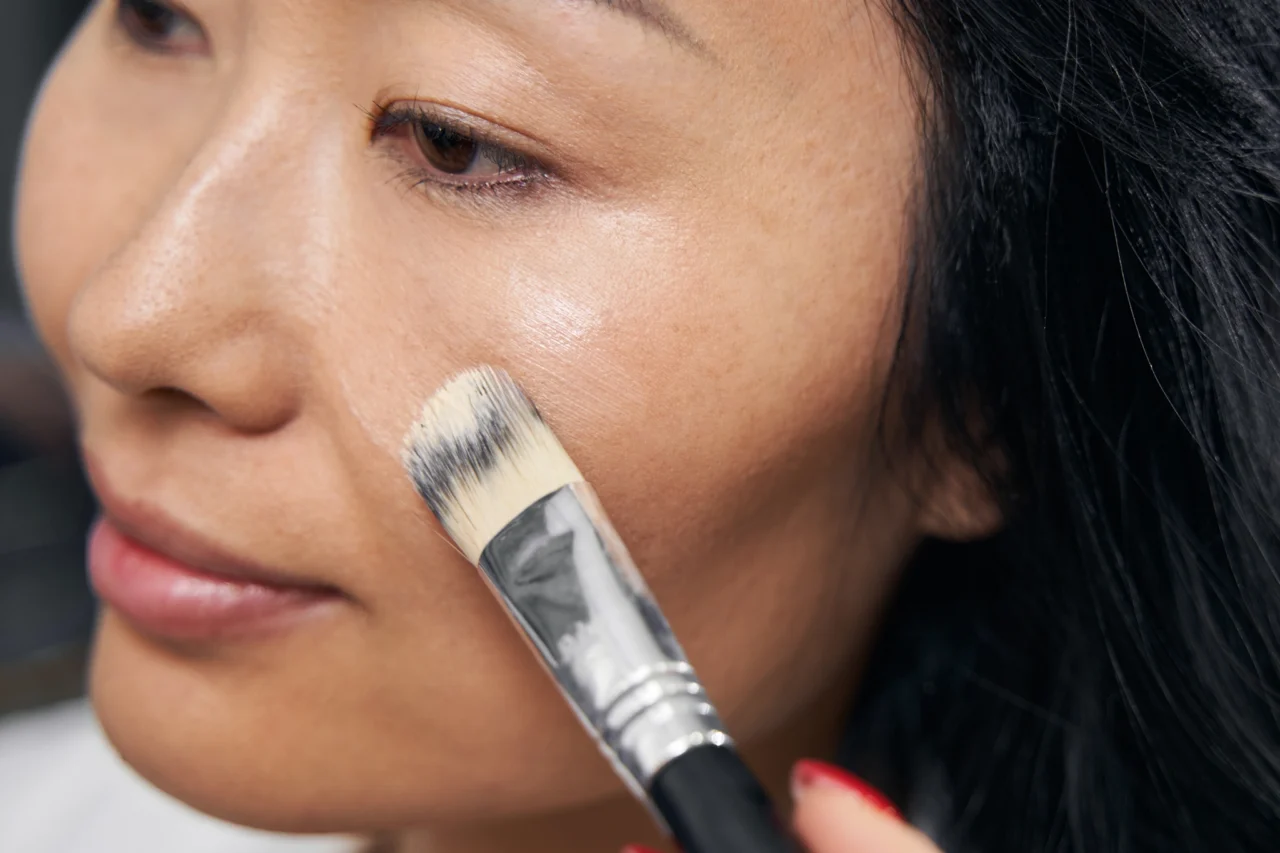
As a solution, Carpio recommends being more lighthanded with your makeup. “One technique I would recommend, especially for Filipino skin and our climate, is to use less product, particularly if you have oily skinOily SkinSkin that produces excess sebum, leading to shine, enlarged-looking pores, and a higher chance of breakouts. Oily skin still needs hydration, so lightweight gels, niacinamide, and oil-free sunscreen help balanceGo to Oily Skin Glossary,” he says.”I would suggest using your base products to even out the skin tone first, then adding coverage only where you need it, like on areas with blemishes or discoloration. This way, the makeup looks more natural and feels lighter on the skin, while still giving you the coverage you need.”
Siasoco also suggests choosing products that are sheerer. “I recommend starting with lightweight, buildable products rather than piling on full coverage agad,” she says. “And finely milled lightweight powders can help. So you don’t really have to pack all the matte products together. Kasi that could appear more cakey than mattifying.”
And for the finishing touch, powder (but not too much)
Where you powder is also something to consider. “You can apply powder only where you tend to get oily. Not necessarily the whole face. Ako personally, I don’t powder my cheekbones. Kasi, that’s where I put my highlighter. And even if it oils up a little, it just appears and seems glowy,” Siasoco adds.
Carpio also shares how to touch up. “I recommend using a pressed translucent powder but please remove the excess oil first on your face before applying it,” he says. Siasoco shares a similar approach: “The trick we do as makeup artists is we blot it with tissue or on oil film, and then that’s when you lightly dust it with powder.”
Adding powder over oil, Siasoco explains, “can make the base look cakey, patchy, or separated. it’s blot, reset, and then repair. So remove excess oil with blotting paper or tissue, and then just dust it with powder where you need it.”