I Stopped Chasing ‘That Girl’ Wellness and Found My Own
Don’t work for wellness, make wellness work for you.


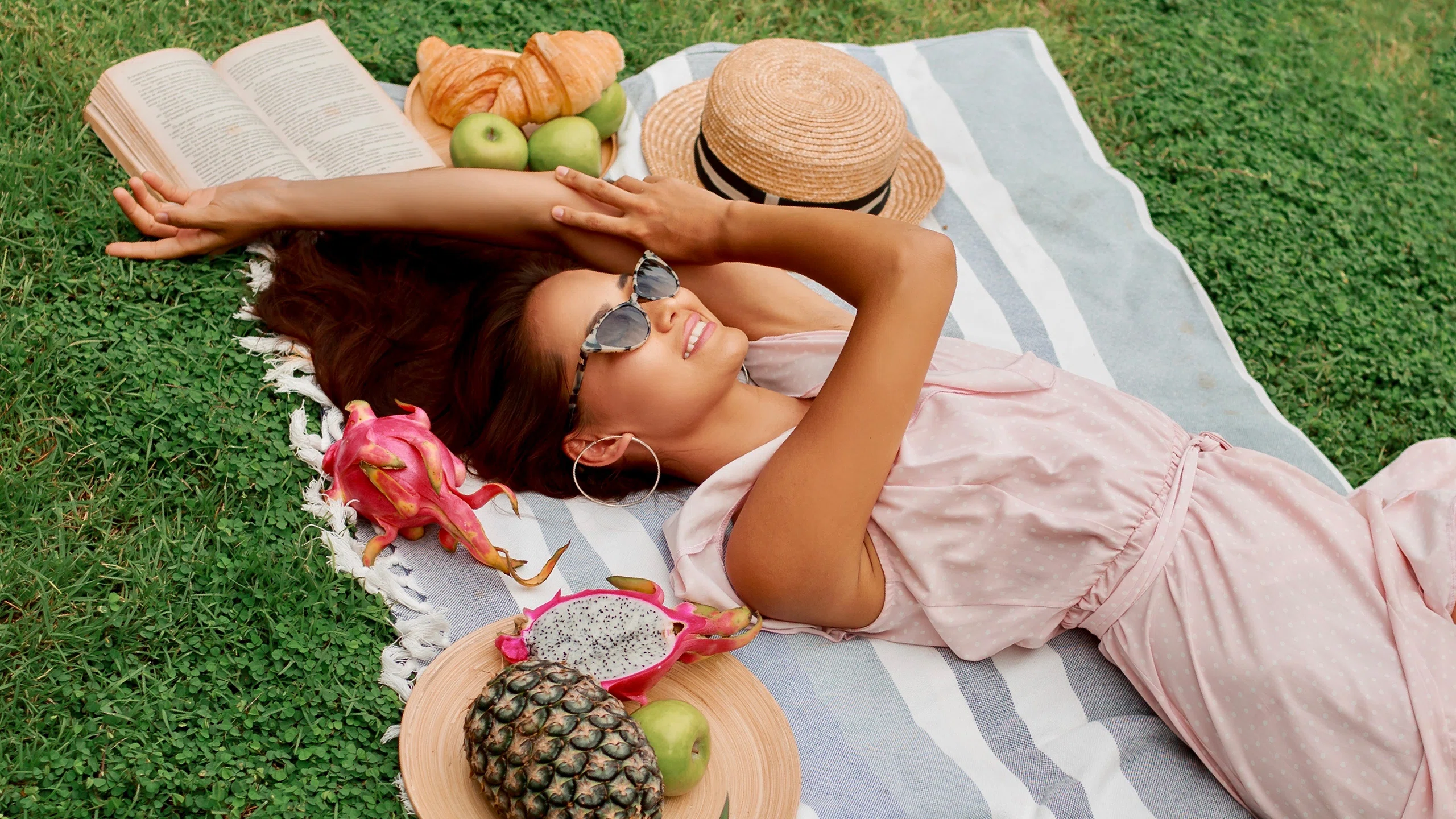
The year is 2021. I need to wear my matching workout set today. If I can find the pink one, better. With or without it, I’ll workout anyway, but I’d rather not document that on Instagram. In that same workout set, I’ll make my usual breakfast of tomatoes on avocado toast, and put on a podcast before jumping straight into my morning mat Pilates session. People think I live like this every day. A lot of women my age do, so why shouldn’t I? But, the truth is, it’s just not sustainable.
True wellness allows you to live your best life. The TikTok wellness girl is healthy, successful, and most of all, beautiful. But she’s also almost always financially stable and a citizen of one of the world’s most economically advanced countries. We all want to be just like her, but we don’t realize that becoming her isn’t the only way to live our best life, especially taking into account economic constraints and cultural differences. You don’t need to squeeze 24,000 steps into your day when you don’t even live in a walkable city. You don’t need Italian skincare to live your best life—local skincare brands made for Filipino skin will take care of you just as well.
When I first started getting into wellness, I made an entire shopping list of everything I thought was a wellness girl prerequisite. I made a weekly grocery list composed of whatever I “needed”: seasonal fruit, chia seeds, and Greek yogurt for a multitude of concoctions I could make with my blender; salmon, kale, avocado, and other grains that would make my plate look like a rainbow; and boxes upon boxes of protein bars.
Naturally, I bought trendy activewear, and invested in resistance bands and yoga mats. And an exercise bike. If it didn’t resemble the kind of lifestyle my favorite YouTube fitness creators showed, I didn’t want it. Looking back, I now realize that there was no reason that I, a 19-year-old student, needed to push myself to afford a lifestyle promoted by women at least a decade older than me and a decade deeper into their careers. There was no reason for me to beat myself up for not looking like them either.
When wellness stops being well
Besides being economically unattainable, the version of wellness that women are being spoonfed on social media has been known to encourage disordered eating habits. You have women fervently repeating affirmations like, “I am more powerful than my thoughts. I don’t need to cave into my cravings,” which sounds a tad too reminiscent of “Nothing tastes as good as skinny feels” from the early 2000s. When you think about it, we haven’t really progressed much in the past 20 years, we’ve merely learned to soften and pretty up certain buzzwords associated with diet culture and eating disorders. The language might have changed, but the underlying issues remain painfully similar.
Though they don’t always disclose their caloric intake, it doesn’t take rocket science to see that most “wellness-centric” What I Eat In A Day videos show women ingesting no more than 800 calories a day, 700 calories below the latest Philippine FDA-recommended daily caloric intake for women from 2015.
Orthorexia, an eating disorder that involves a relentless fixation on “clean eating,” has been somewhat normalized on social media, destroying people’s relationships with food under the pretense of health. Unless you’re not BMI 16, #EatingClean, and living on a diet of poke bowls and supplements, you’re just not practicing wellness, which is a very odd way to say you need orthorexia to be healthy. A study conducted as recently as 2024 suggests that 64% of women are being exposed to “disordered eating” content (#Thinspo, disordered versions of “What I Eat In A Day”, and body checks) on their Tiktok “For You” page. After being shown content falling under these categories, study participants showed a decrease in body image satisfaction and an increase in degree of internalization of appearance ideals.
Some wellness influencers can propagate these ideas with alarming speed, turning a quest for well-being into an obsession that clearly does more harm than good. Feeling the pressure to “eat clean” also implies that any other type of eating is bad or dirty. A lot of clean eating recipes that gain popularity on social media also don’t take into account non-Western versions of clean eating. Everyone’s best life looks different, and you aren’t going to live your best life with an eating disorder.
One-size wellness doesn’t exist
Wellness looks different for everyone, and it even looks different every day. It’s not always lemon water, beige hand weights, and an oat milk matcha latte. Sometimes, it’s simply showing up for yourself. 2024 me still likes to do Pilates in her matching workout sets, but she’ll workout anyway regardless of what she wears. She doesn’t overthink breakfasts that go over a specific amount of calories and aren’t colorful enough for Instagram. She’ll happily share a plate of spam and champorado with her grandfather instead.
As I’ve outgrown most of the pressures of social media, I’ve come to realize that wellness is not a trend, and neither is it a homogenous lifestyle. It’s not the sponsored treatments your favorite celebrities advertise, nor the fitness studio membership that costs half of your monthly income, nor the supplements TikTok wants you to put into your morning smoothie.
Wellness is what works for you physically, economically, and culturally. It’s not about depriving yourself of anything, but centering yourself and choosing yourself first. And sometimes, what other people have chosen for themselves just isn’t what works for you. So sleep in, have that extra bar of chocolate, and skip the second workout. Don’t punish yourself for not being the girl in a 60-second video. If everyone’s best life looked the same, we’d have to invent a newer, more detrimental definition of the term “best life.”
Frequently Asked Questions
The “That Girl” trend on TikTok showcases an idealized, highly curated lifestyle focused on aesthetic self-improvement. It typically features early morning routines, matching activewear, mat Pilates, aesthetic plant-based meals, matcha lattes, and expensive skincare, framing perfectionism and consumerism as ultimate personal wellness.
The trend relies on Western-centric standards, expensive organic foods, specialized activewear, and high-end fitness memberships. For young adults and individuals outside economically developed areas, attempting to replicate these routines creates unnecessary financial strain and ignores accessible, local cultural practices.
By promoting hyper-specific “clean eating” and low-calorie “What I Eat In A Day” videos, the trend rebrands restrictive diets as wellness. This fixative focus on food purity can trigger or normalize orthorexia, body dissatisfaction, and disguised eating disorders under aesthetic self-care.
Orthorexia is an obsessive fixation on eating only foods perceived as healthy or “clean.” On social media, algorithms frequently serve low-calorie meal logs and restrictive food rules, leading users to internalize rigid dietary standards and feel anxiety around non-conforming foods.
Sustainable wellness focuses on physical, economic, and cultural alignment rather than internet trends. It involves listening to your body, choosing accessible movement, honoring cultural foods without guilt, prioritizing adequate sleep, and rejecting rigid social media rules in favor of personal balance.
Latest Stories


You might also like
To provide a customized ad experience, we need to know if you are of legal age in your region.
By making a selection, you agree to our Terms & Conditions.