The Power of Firsts: Iconic Allure Covers That Changed Beauty Standards
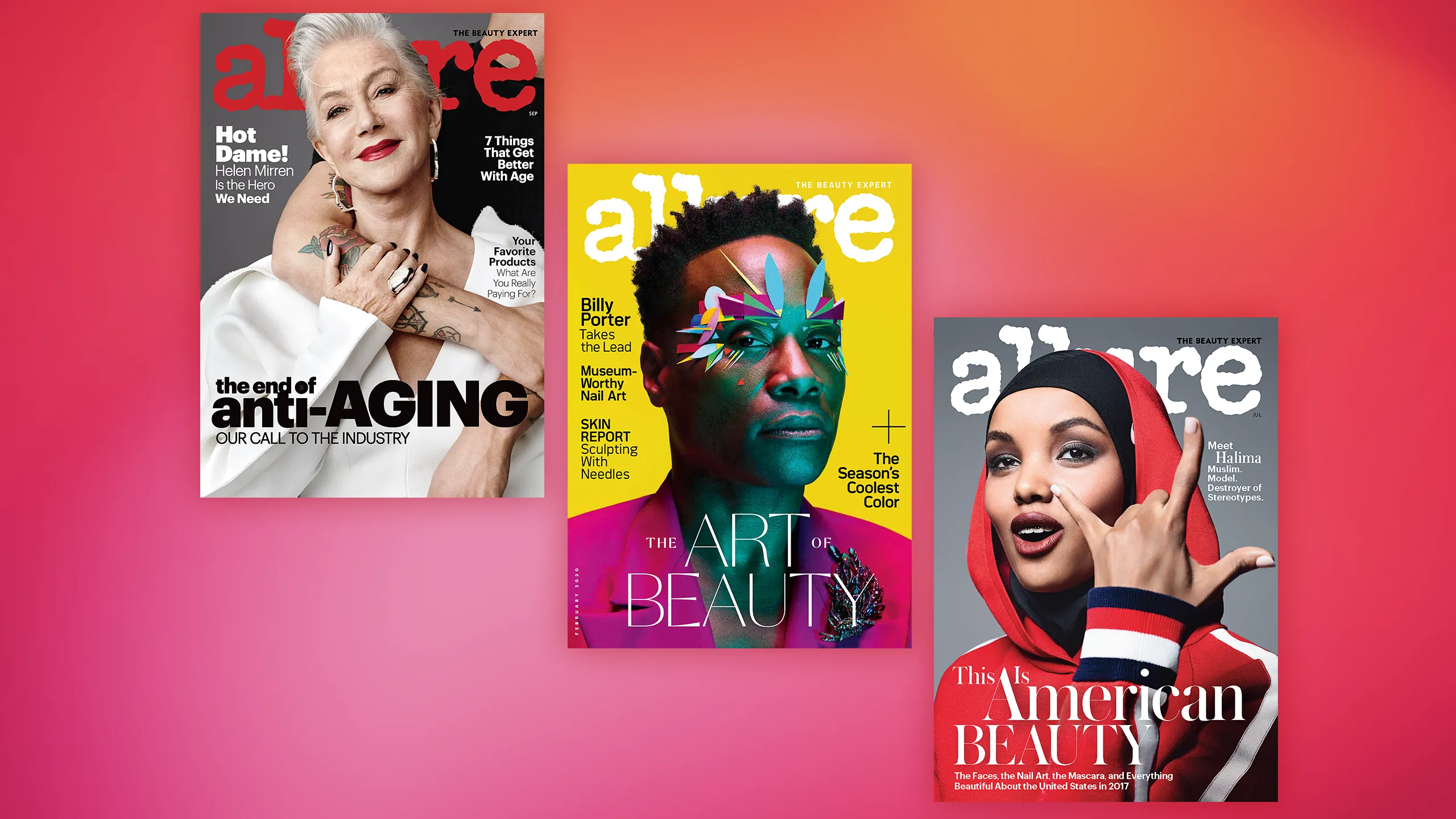
For the past three decades, Allure has been at the forefront of beauty journalism. These iconic covers pushed beauty beyond boundaries and redefined norms.


The first woman over 70 on the cover
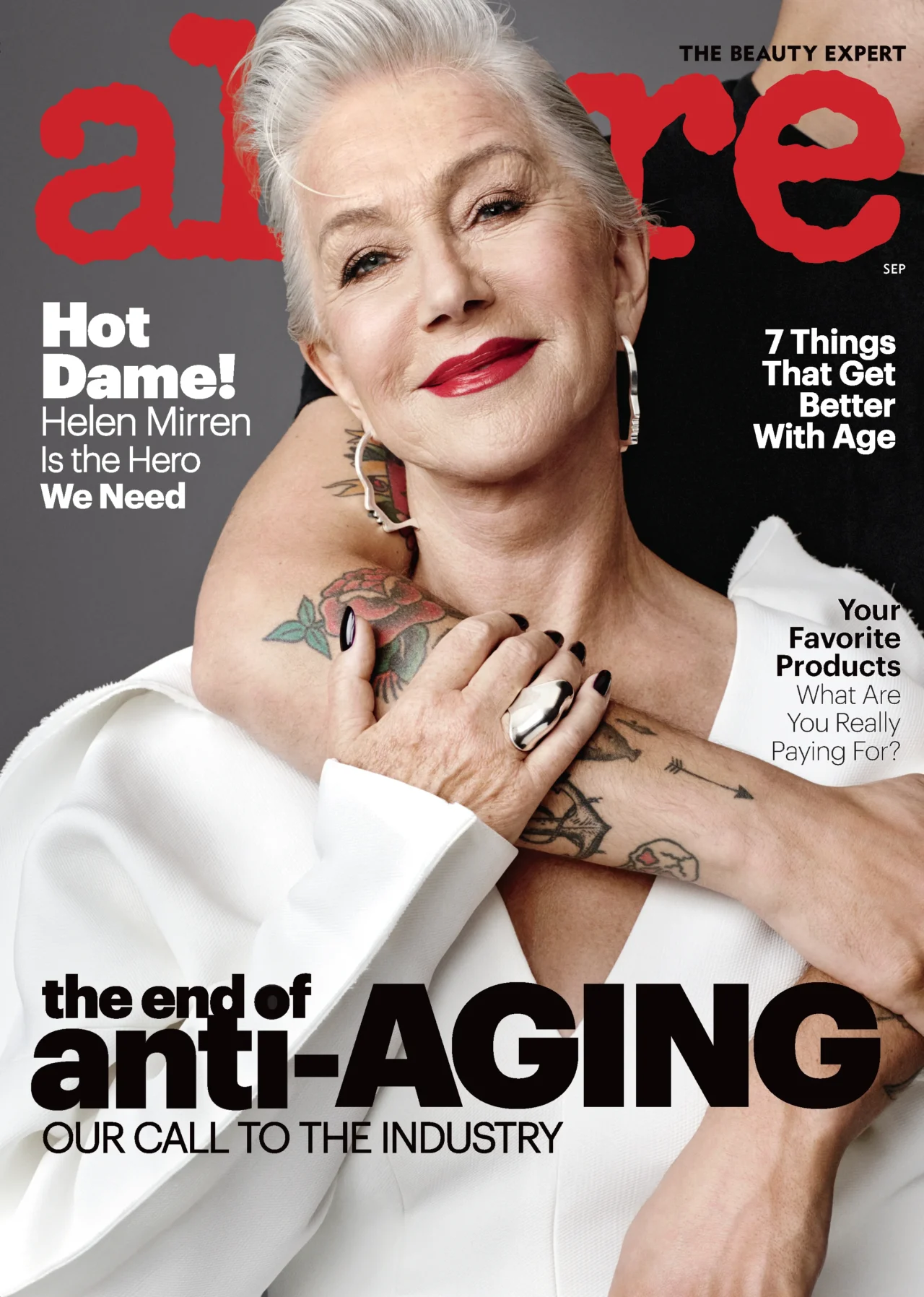
Helen Mirren, August 2017
Scott Trindle/Allure US
Helen Mirren fronts Allure, championing the magazine’s movement to ban the term “anti-aging.” Never one to conform, she defies industry norms by consciously handpicking roles that break the mold of age-typical casting. Helen proves from every performance that power, beauty, and relevance don’t come with an expiration date. As the face of this pivotal issue, she doesn’t just embrace aging—she redefines it, making it clear that it isn’t a weakness but a power unapologetically earned. “If people treat me like the age I am, I get absolutely insulted, really cross. I hate when people give up their seat for me. No, no, no. I don’t want your seat,” Helen shares.
The first man on the cover
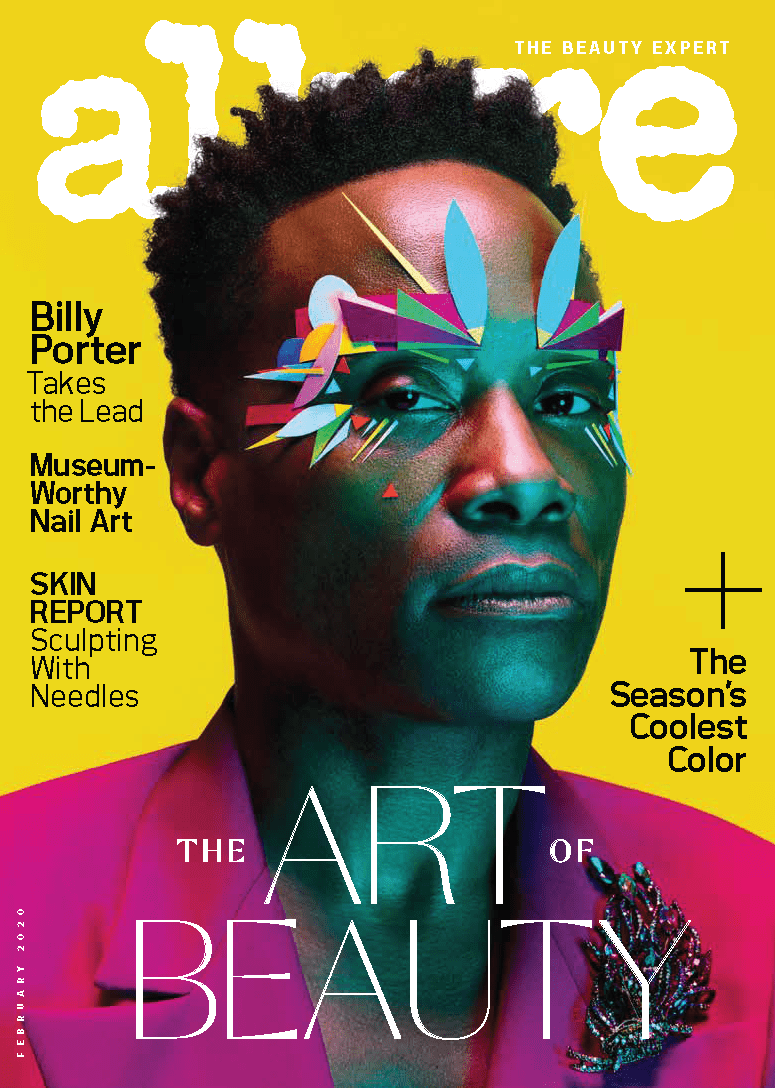
Billy Porter, January 2020
Ben Hassett/Allure US
Billy Porter has never been one to color inside the lines, fearlessly parading his extravagant outfits and makeup looks. Allure’s January 2020 issue, with Billy as the first male cover star, showed the world that strength isn’t about fitting into a mold, but breaking out of it. After being told he was one of the many reasons Black cishet men felt emasculated, Billy realized his self-expression carried weight— and instead of backing down, he stepped further into his truth. For years, people tried to box him in, claiming he wasn’t “masculine enough”. But he broke free and used his art as a weapon to make a change.
The first hijabi cover model
Halima Aden, June 2017
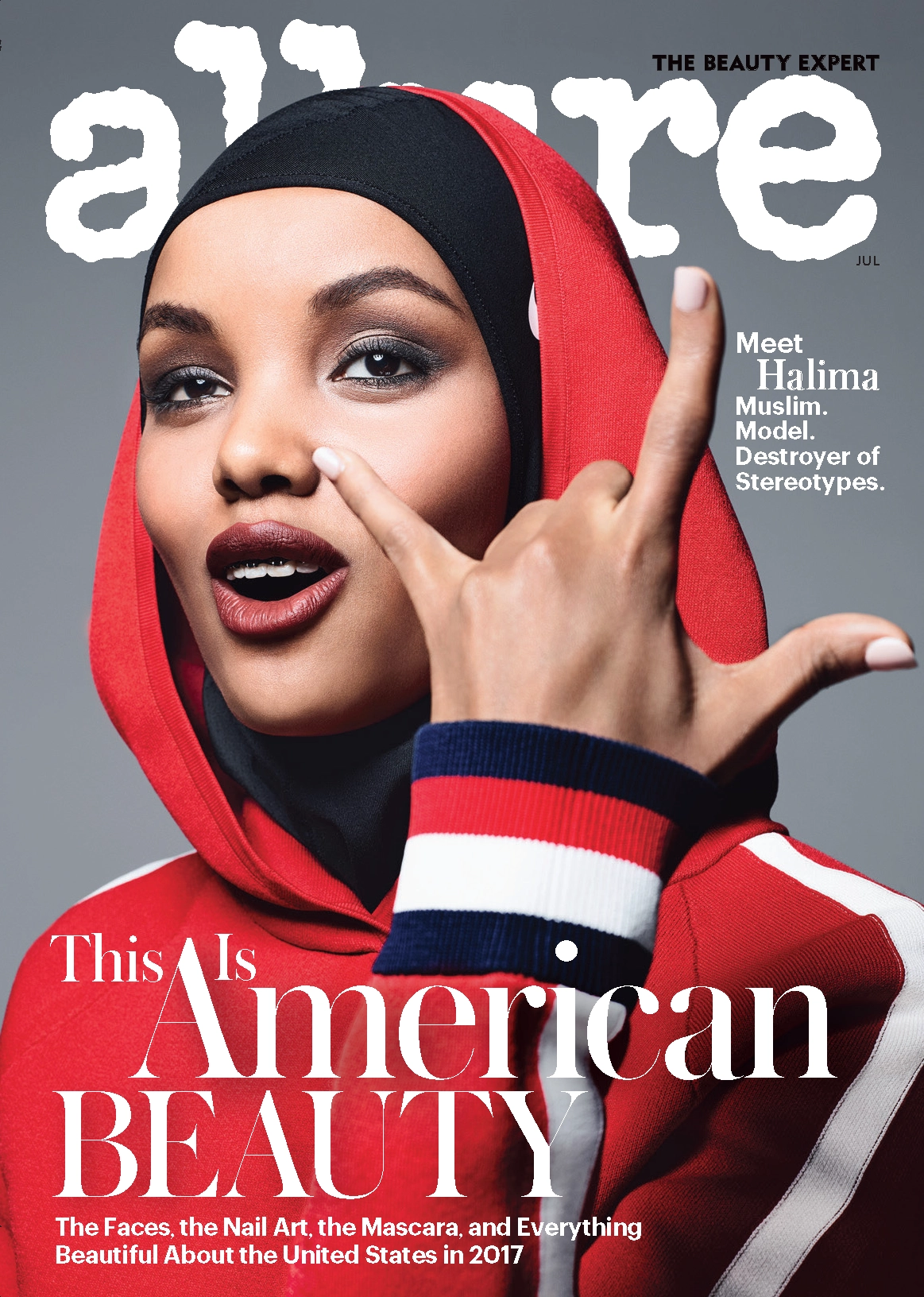
Sølve Sundsbø/Allure US
From the moment she walked down the stage of the Miss Minnesota USA pageant adorned in a modest bikini, Halima Aden—the first hijab-wearing cover star of Allure—blazed a trail for more hijabi representation. Her cover wasn’t just a first for Allure—it was also a first for any major US-based magazine. For Halima, wearing a hijab isn’t just a choice—it’s a celebration of her identity and faith. She’s here to set her foot down and say that expressing yourself through beauty and fashion is for everyone—including Muslim women. “Society puts so much pressure on girls to look a certain way,” Halima says. “I have much more to offer than my physical appearance.”
Frequently Asked Questions
Allure officially banned the term “anti-aging” during Helen Mirren’s August 2017 cover release to combat the narrative that growing older is a flaw. The magazine aimed to shift industry focus toward celebrating beauty, skin health, and self-expression at every stage of life.
Billy Porter became the first male cover star in Allure’s history for the January 2020 issue. Known for his boundary-pushing red carpet fashion and makeup, Porter used the cover to challenge toxic masculinity and promote gender-fluid self-expression in mainstream beauty.
Halima Aden made history in June 2017 as the first hijabi model to front Allure and any major US print publication. Her cover celebrated modest beauty, Muslim representation, and personal identity within the global fashion and cosmetics industries.
Naomi Campbell used her platform to confront racial disparities in beauty publishing, demanding equal representation and expanding foundation shade offerings for dark complexions. Her covers pushed major beauty brands to recognize Black skin tones in global marketing campaigns.
Rihanna’s October 2018 cover was shot entirely on an iPhone, proving that mobile technology could deliver high-fashion imagery. The issue highlighted her influence through Fenty Beauty, which launched 40 foundation shades and transformed complexional inclusivity expectations worldwide.